Introduction
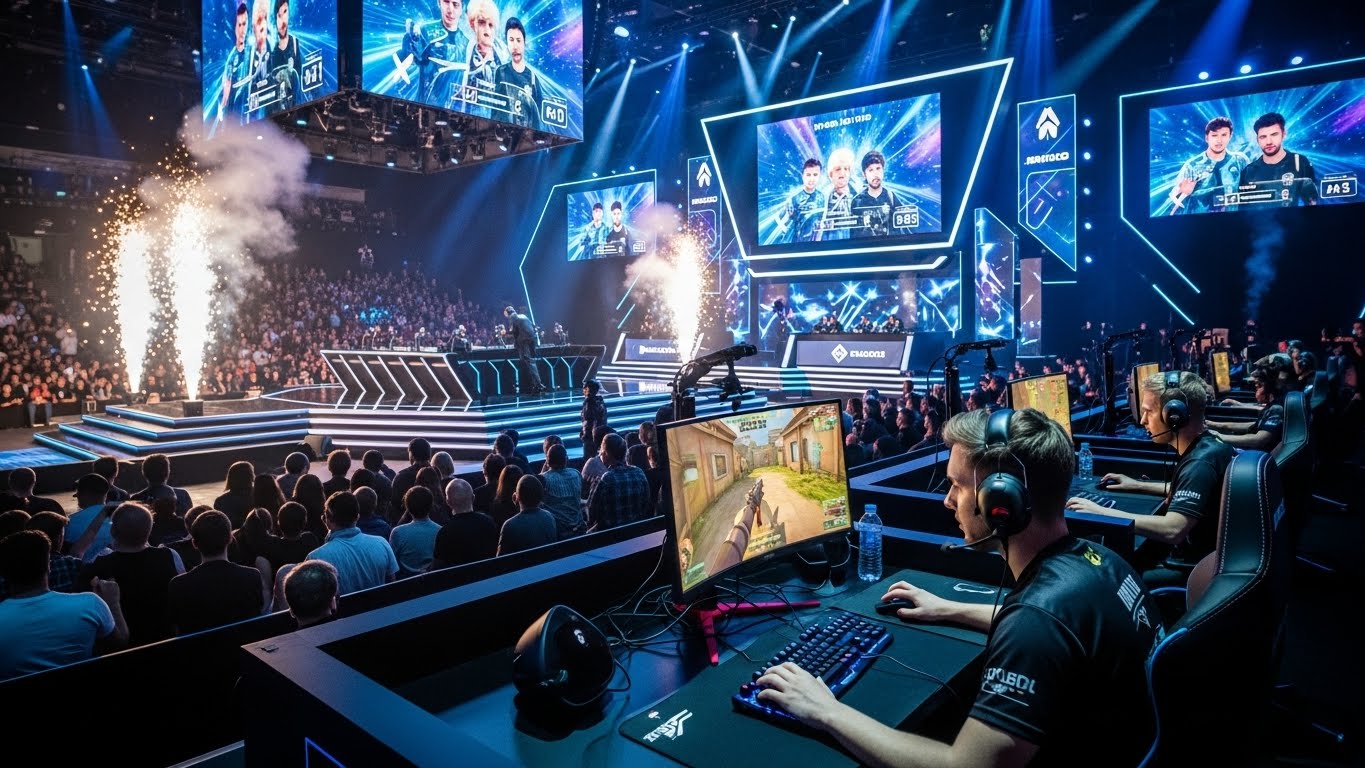
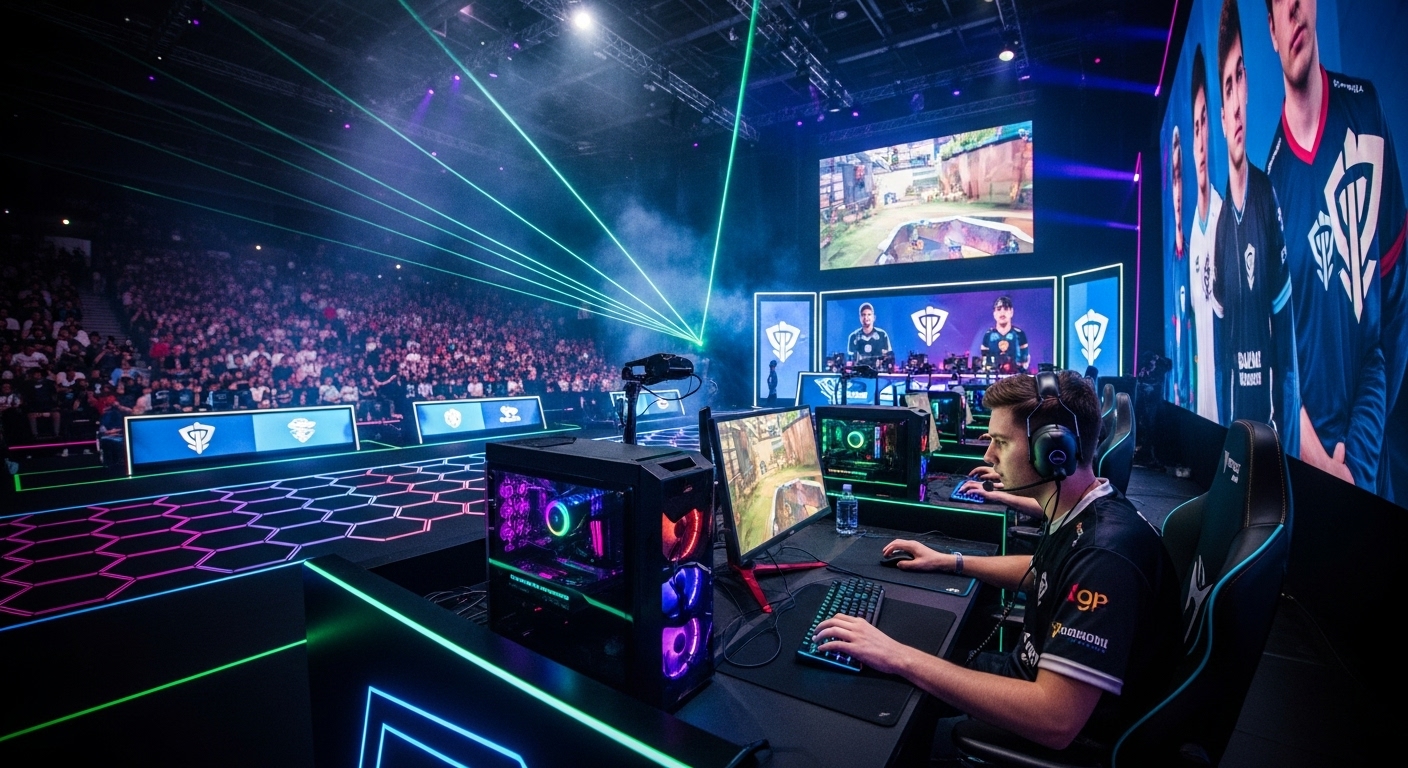
In the past few decades, the world has witnessed a transformation in entertainment and sports. One of the most revolutionary changes has been the rise of esports, or electronic sports. Once dismissed as a niche hobby for a small group of passionate gamers, esports has evolved into a global phenomenon that rivals traditional sports in audience size, revenue, and influence. With millions of players and fans across the globe, esports has created a new kind of cultural movement that blends technology, competition, and entertainment into a single dynamic ecosystem.
Esports represents more than just playing video games competitively; it is a reflection of how modern technology and digital culture have reshaped the way people interact, compete, and consume media. From massive tournaments filling stadiums to professional players earning millions of dollars, esports has become a legitimate and respected form of competition.
The Origins of Esports
The concept of competitive gaming is not new. The earliest forms of esports can be traced back to the 1970s when the first video game competitions began to appear in universities and arcades. In 1972, the first known organized gaming competition took place at Stanford University, where players competed in the game Spacewar! for a subscription to Rolling Stone magazine.
During the 1980s, arcade culture fueled the growth of competitive gaming. Games like Pac-Man, Donkey Kong, and Space Invaders became cultural icons, and local high-score competitions created an early sense of rivalry among players. The emergence of home consoles like the Atari 2600 and the Nintendo Entertainment System also brought gaming into living rooms, setting the stage for the next generation of competitive players.
The 1990s marked the beginning of organized video game tournaments on a larger scale. Titles like Street Fighter II, Quake, and StarCraft introduced the idea of professional-level competition. The rise of local area network (LAN) parties and early online connectivity allowed players from different regions to face off in real time.
The Internet Revolution and the Growth of Online Play
The late 1990s and early 2000s were critical years for esports. The expansion of the internet enabled online multiplayer games to flourish, making global competition possible. This period saw the birth of iconic titles such as Counter-Strike, Warcraft III, and Halo, which became staples in early esports tournaments.
Online platforms allowed players to connect, practice, and compete without the limitations of geography. This led to the creation of gaming clans, online ladders, and ranking systems that gave structure to the competitive scene. South Korea played a particularly significant role in shaping modern esports during this period. With the rise of broadband internet, professional gaming leagues like the Korean e-Sports Association (KeSPA) were formed, and televised matches of StarCraft attracted millions of viewers.
Esports Becomes Mainstream
The 2010s were the decade when esports truly entered the mainstream. Advancements in streaming technology, particularly platforms like Twitch and YouTube, allowed fans to watch their favorite players and teams compete live from anywhere in the world. This accessibility turned gaming into a spectator sport, similar to how television revolutionized traditional sports.
Major tournaments began offering enormous prize pools, with games like Dota 2’s The International setting records year after year. In 2019, the tournament’s prize pool surpassed 34 million dollars, with a single player taking home millions. Such figures captured global media attention and cemented esports as a legitimate professional pursuit.
Games like League of Legends, Overwatch, and Fortnite created massive ecosystems of players, fans, and sponsors. The League of Legends World Championship became an annual event drawing millions of live viewers, rivaling the Super Bowl in terms of online audience numbers.
The Rise of Esports Athletes
The image of gamers has changed drastically over time. What was once seen as a pastime for teenagers has evolved into a career path for disciplined and talented individuals who train for hours each day to refine their skills. Esports athletes, much like traditional athletes, follow strict training regimens, study game strategies, and work closely with coaches and analysts.
Professional teams have full support systems, including nutritionists, physical trainers, and psychologists, to help players maintain both mental and physical well-being. The level of professionalism in esports organizations today mirrors that of major sports franchises. Players are scouted from amateur circuits and given contracts that include salaries, bonuses, and sponsorships.
The Role of Technology and Innovation
Esports could not exist without the technological advancements that support it. From high-performance gaming hardware to powerful online servers, technology has been the foundation of its growth. Game developers now design titles specifically with competitive balance in mind, ensuring that player skill, strategy, and teamwork are the defining factors of success.
Virtual reality (VR) and augmented reality (AR) are beginning to influence the next generation of esports experiences. While still in the early stages, these technologies promise to create even more immersive and interactive competitive formats. Cloud gaming and artificial intelligence are also contributing to the evolution of esports by making games more accessible and analytical.
The Esports Industry and Its Economic Impact
Esports is no longer just entertainment; it is an industry worth billions. Major corporations, advertisers, and investors have recognized the immense potential of this growing market. Esports organizations operate similarly to sports teams, earning revenue through sponsorships, merchandise, media rights, and tournament winnings.
Brands that traditionally focused on physical sports—such as energy drinks, automobile companies, and apparel brands—now actively invest in esports partnerships. Cities around the world are constructing dedicated esports arenas and hosting international tournaments, boosting tourism and local economies.
The job market around esports has also expanded rapidly. Beyond professional players, the industry now includes broadcasters, event organizers, marketers, content creators, and software engineers. Universities have even begun offering scholarships for esports players, acknowledging the discipline and skill required to compete at a high level.
Esports and Education
The educational value of esports is increasingly being recognized. Many schools and universities are incorporating esports into their extracurricular and academic programs. These initiatives aim to teach teamwork, communication, leadership, and problem-solving skills—traits that are essential both in gaming and in real-world careers.
Some institutions offer degrees in esports management, game design, and digital marketing, providing pathways for students to enter the industry professionally. These programs emphasize not only gameplay but also the business, technology, and media aspects of esports.
The Global Community of Esports
One of the most remarkable aspects of esports is its ability to unite people across cultures, languages, and backgrounds. Players and fans from every corner of the world can connect through a shared passion for gaming. International tournaments feature competitors from multiple continents, fostering a sense of global community that few other forms of entertainment achieve.
The diversity within esports also extends to its audience. Both men and women, young and old, participate as players, streamers, and fans. While the industry still faces challenges in achieving gender equality, the presence of women in esports continues to grow, with more inclusive initiatives encouraging participation at all levels.
Challenges Facing Esports
Despite its success, esports faces several challenges that must be addressed for sustainable growth. One of the main issues is player burnout. The intense training schedules and constant competition can take a toll on mental and physical health. Many players retire at a young age due to stress or declining performance.
Another major challenge is regulation. Unlike traditional sports, esports lacks a unified governing body. Each game has its own rules, organizations, and tournament structures, leading to inconsistencies in player contracts, tournament standards, and disciplinary actions. Efforts are being made to introduce standardized regulations, but the global nature of esports makes it a complex task.
Additionally, the industry must tackle concerns such as match-fixing, cheating, and performance-enhancing software. Ensuring fair play and integrity is crucial to maintaining the credibility of esports as a legitimate sport.
Esports and Traditional Sports
As esports continues to grow, comparisons with traditional sports are inevitable. Some purists argue that esports cannot be considered a “real” sport due to the lack of physical exertion. However, the definition of sports has evolved to include mental skill, precision, and strategic depth—all of which are integral to esports.
Interestingly, many traditional sports organizations are now investing in esports teams. Football clubs, basketball franchises, and even Olympic committees have acknowledged the potential of digital competition. Hybrid events that combine physical and virtual sports are becoming increasingly common.
The Future of Esports
The future of esports looks brighter than ever. With advancements in technology, growing mainstream acceptance, and expanding commercial interest, the industry is poised for even greater heights. Virtual arenas, enhanced viewer interactivity, and global accessibility will continue to shape how audiences experience esports.
In the coming years, we can expect to see esports integrated further into mainstream culture, possibly even as a permanent feature in major international sporting events. The inclusion of esports in events like the Asian Games marks an important milestone in its journey toward global recognition.
Moreover, as technology evolves, esports will expand beyond traditional PC and console games. Mobile esports are already experiencing explosive growth, especially in regions like South Asia and Latin America. This accessibility allows millions of new players to enter the competitive gaming space.
Cultural Impact of Esports
Esports has redefined entertainment in the digital age. It has given rise to new celebrities, content creators, and influencers who command massive followings online. Streamers and professional gamers are household names in many parts of the world, influencing trends and shaping pop culture.
Esports has also created opportunities for storytelling and artistic expression. From cinematic game trailers to team branding and live event productions, the aesthetics of esports rival those of major entertainment industries. The blending of technology, design, and human competition has produced a new form of artistry that appeals to younger generations.
Conclusion
Esports has come a long way from its humble beginnings in arcade halls and university basements. What started as friendly competition among gamers has evolved into a global industry that touches nearly every aspect of modern culture. It represents the fusion of technology, creativity, and competition in a way that resonates with millions of people around the world.
The rise of esports is not just about gaming; it is about the evolution of human connection in the digital era. It demonstrates how innovation and passion can transform leisure into legacy. Whether one views it as a sport, an art form, or a cultural movement, esports has undeniably earned its place as one of the defining phenomena of the 21st century.
As the industry continues to grow and mature, esports will keep pushing boundaries, challenging conventions, and inspiring future generations to dream, compete, and connect through the power of play.