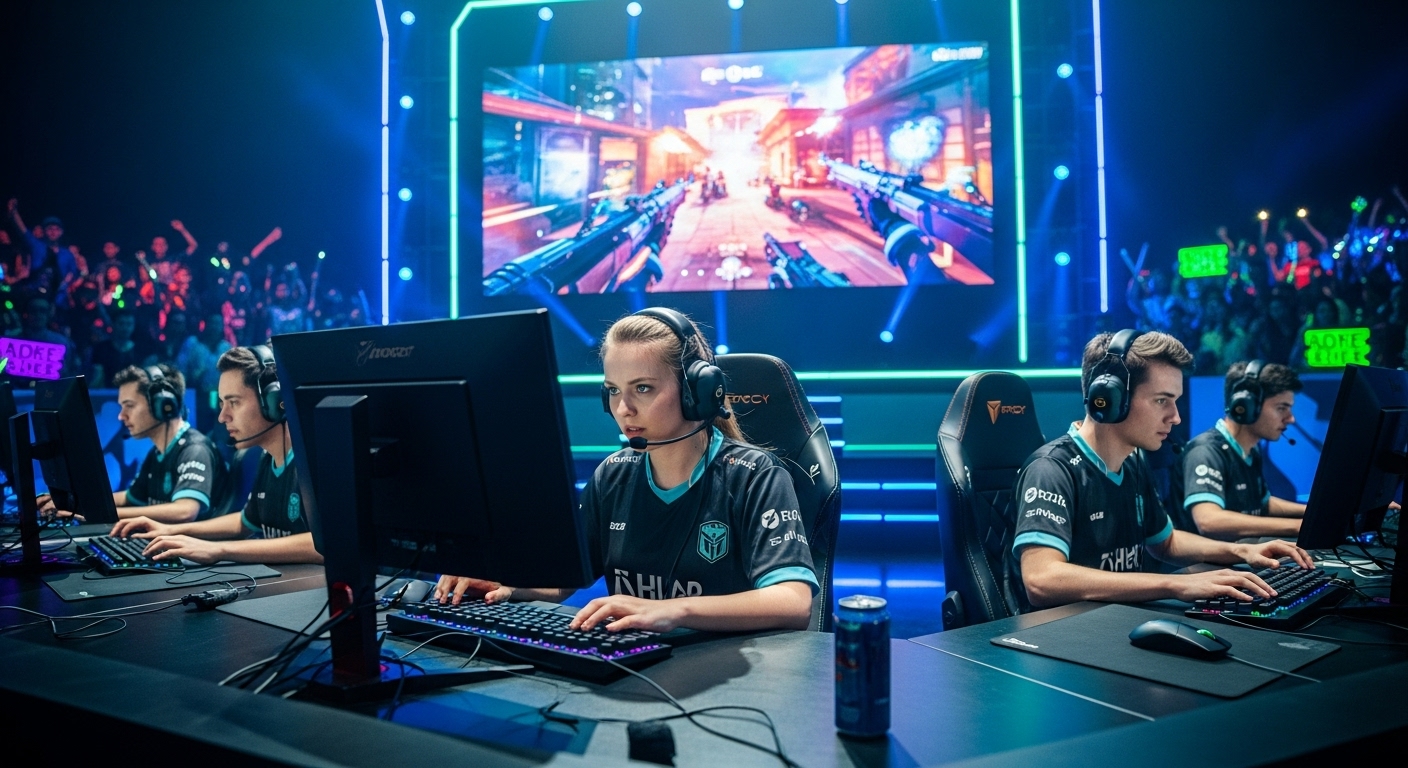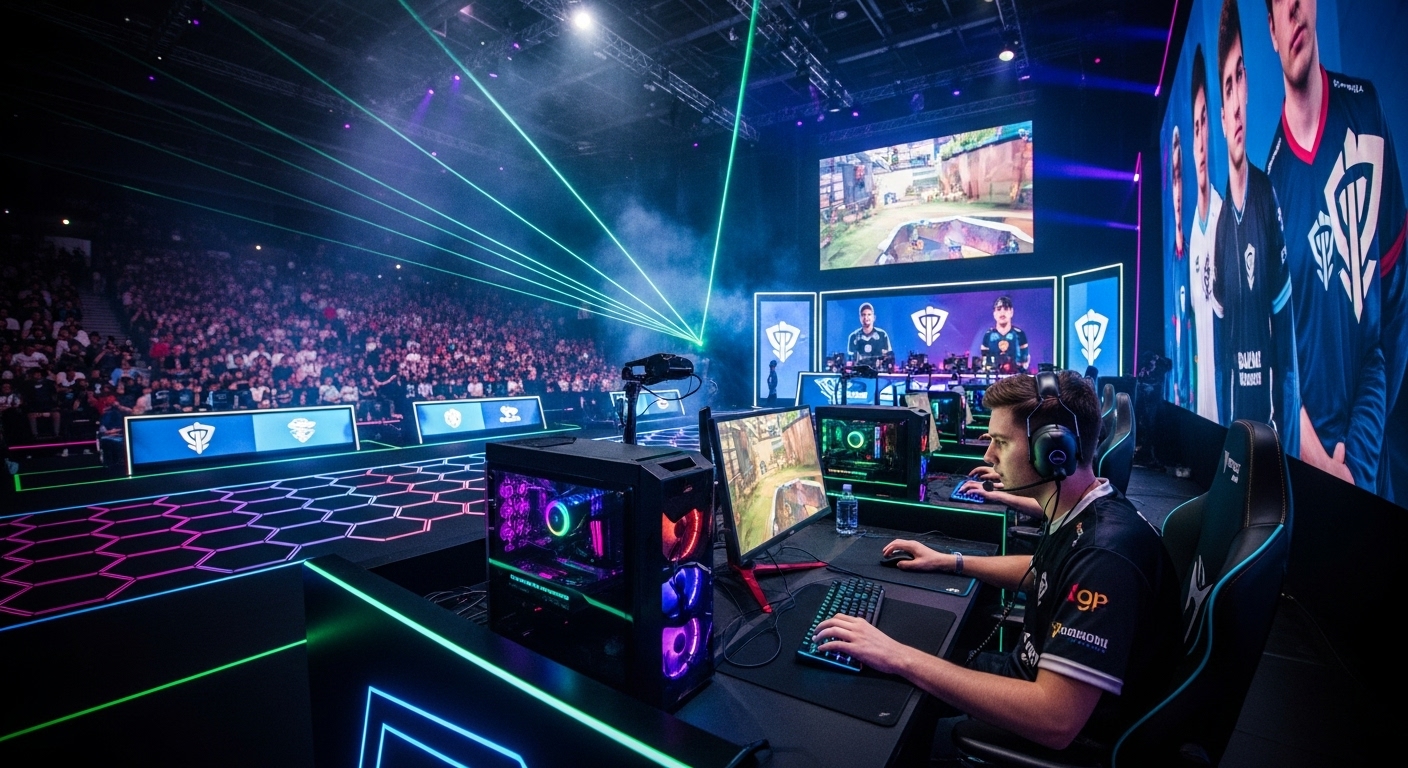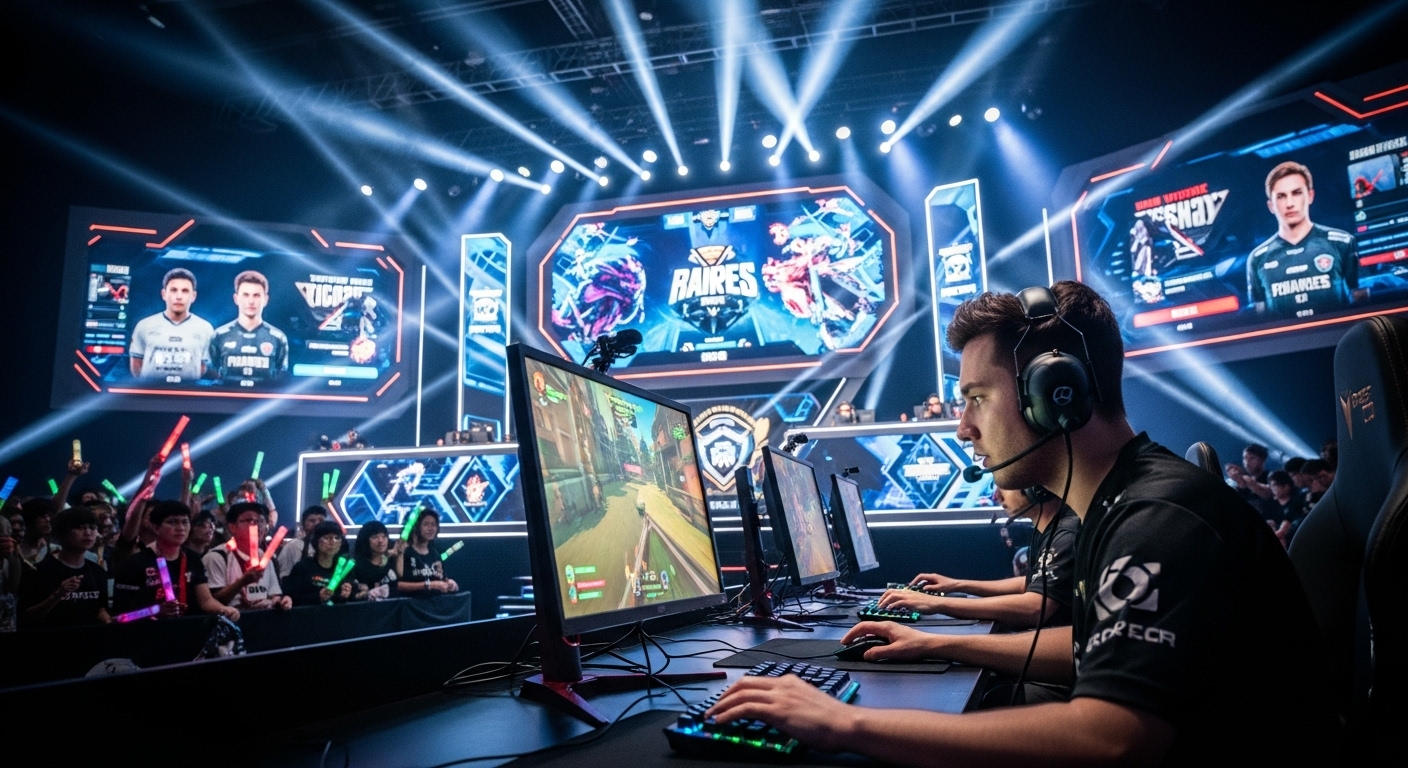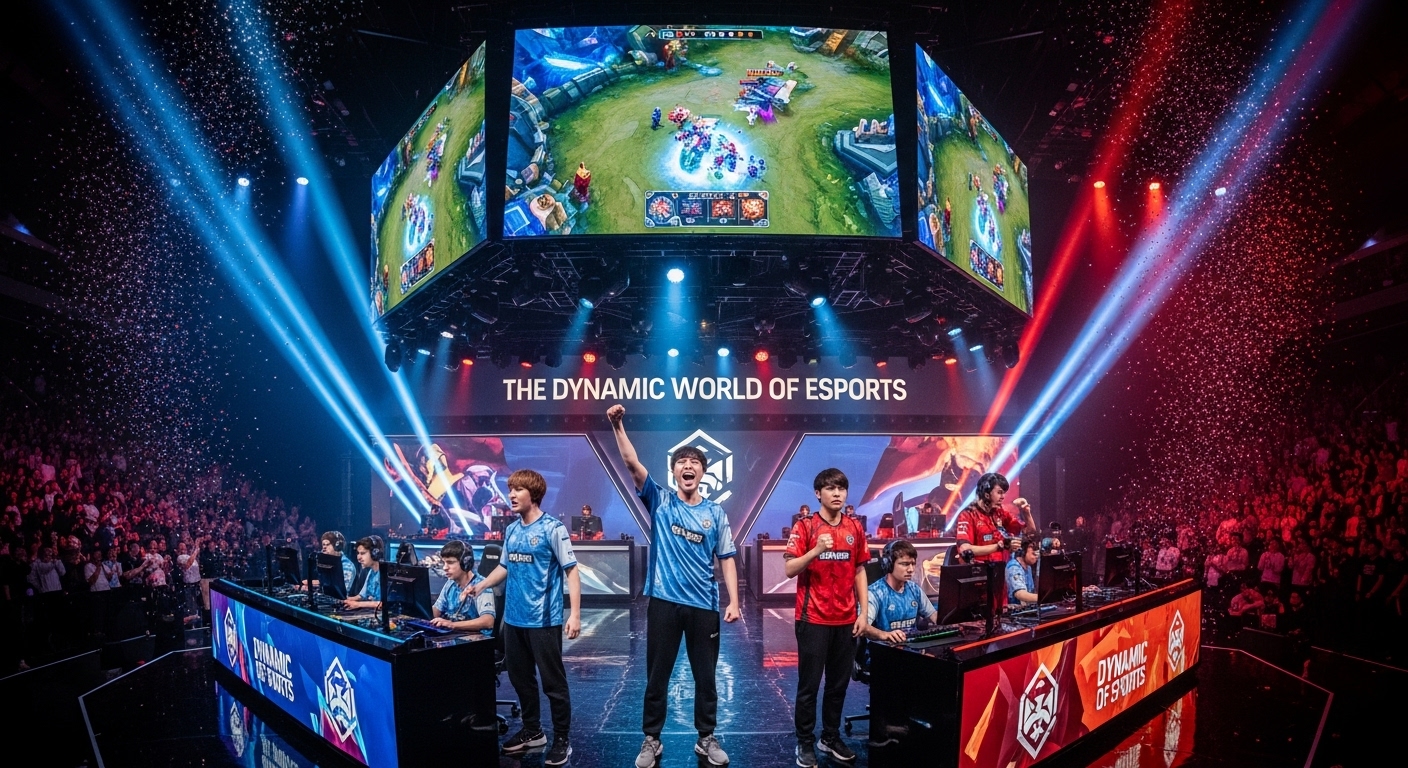
Esports, or electronic sports, has transformed from a small community of passionate gamers into one of the most influential industries in the world. What was once considered a casual pastime has now evolved into a professional, organized, and competitive arena where millions of players, teams, and fans engage every day. The industry has not only changed how people view gaming but has also reshaped entertainment, technology, marketing, and even education. This blog explores the evolution, growth, and cultural significance of esports while examining its impact on modern society.
The Origins of Competitive Gaming
To understand the present success of esports, one must first look back at its humble beginnings. Competitive gaming began long before the internet era. The first recorded video game competition took place in 1972 at Stanford University, where students played “Spacewar!” for a year’s subscription to Rolling Stone magazine. Although small in scale, this event set the stage for what would eventually become a global movement. In the 1980s, arcade competitions like those hosted by Atari’s Space Invaders Championship brought gaming into the public spotlight. Thousands of players competed, and for the first time, gaming was seen as something more than a hobby. The 1990s saw further growth with the rise of personal computers and early multiplayer games like Doom and Quake, which introduced the concept of LAN (local area network) parties. This period marked the beginning of professionalized gaming communities and small-scale tournaments. The arrival of the internet soon revolutionized competitive gaming, allowing players to connect and compete from around the world, eliminating geographical barriers.
The Internet Revolution and the Birth of Modern Esports
The late 1990s and early 2000s were pivotal years for esports. Internet connectivity enabled online multiplayer games such as StarCraft, Counter-Strike, and Warcraft III to thrive. These titles became the foundation of early esports culture, establishing competitive leagues and dedicated fan bases. South Korea, in particular, emerged as the world’s first esports powerhouse. The government’s investment in high-speed internet infrastructure and the popularity of PC bangs (internet cafés) created an environment where gaming could flourish. Television channels began broadcasting esports events, and players like Lim “BoxeR” Yo-Hwan became national celebrities. This was the dawn of esports as a legitimate professional career path. Meanwhile, Western countries also began catching up. Organizations like the Cyberathlete Professional League (CPL) and Major League Gaming (MLG) helped legitimize gaming competitions in the United States and Europe. By the mid-2000s, esports was no longer an underground scene but a growing cultural phenomenon.
The Role of Streaming and Social Media in Esports Expansion
One of the biggest turning points for esports was the emergence of live-streaming platforms. Before Twitch, fans had limited access to live matches. They relied on recorded videos or written updates to follow tournaments. Twitch’s arrival in 2011 changed everything. Suddenly, fans could watch their favorite players live, interact with them in chat, and become part of the experience. The platform democratized esports by allowing anyone to stream and build a following. Social media also played a crucial role. Platforms like Twitter, YouTube, and Instagram became essential tools for players, teams, and organizations to connect with fans. Esports content creators, analysts, and commentators gained influence, further expanding the ecosystem. Streaming and social media effectively bridged the gap between players and fans, making esports more accessible than ever before. Viewership numbers began to rival traditional sports broadcasts, proving that esports had firmly entered the mainstream.
The Development of Professional Esports Leagues and Organizations
As esports gained popularity, it began to adopt the structure of traditional sports. Teams were formed with professional management, coaches, analysts, and sponsorship deals. Esports organizations like Team Liquid, Cloud9, T1, Fnatic, and G2 Esports became household names among fans. Games such as League of Legends, Dota 2, and Counter-Strike: Global Offensive (CS:GO) established major leagues with official seasons and international tournaments. Riot Games’ League of Legends Championship Series (LCS) and Valve’s The International for Dota 2 became benchmarks for how esports events should be organized. These leagues offered multi-million-dollar prize pools, media coverage, and fan engagement strategies comparable to those seen in football or basketball. Esports athletes now had structured careers, contracts, and endorsements, turning gaming into a legitimate profession. The introduction of franchised leagues, similar to traditional sports, added further stability. Games like Overwatch and Call of Duty followed suit, offering teams permanent spots in global leagues, ensuring consistent participation and fan loyalty.
The Globalization of Esports Culture
One of the most remarkable aspects of esports is its global nature. Unlike traditional sports, which often have regional fan bases, esports transcends borders. A fan in Brazil can cheer for a Korean team, while a player in Europe can compete against someone in North America in real-time. Major tournaments like the League of Legends World Championship and Dota 2’s The International draw viewers from all corners of the world. In 2019, the League of Legends World Finals attracted over 100 million viewers, surpassing many traditional sports events. Countries like China, South Korea, and the United States dominate the esports market, but regions such as Southeast Asia, Latin America, and the Middle East are rapidly expanding their presence. This globalization has created diverse communities, multicultural teams, and international rivalries that enrich the competitive landscape.
Esports Economics and the Business Behind the Games
The business side of esports is now a multi-billion-dollar industry. Revenue streams include sponsorships, media rights, merchandise sales, advertising, and ticket sales for live events. Major brands like Coca-Cola, Intel, Red Bull, and Nike have invested heavily in esports, recognizing its ability to reach younger audiences. Game publishers have also taken central roles in monetization, often organizing official tournaments and leagues to promote their titles. Esports teams have become valuable assets, with some franchises worth tens of millions of dollars. Investment from celebrities, athletes, and venture capitalists has further fueled the industry’s growth. For example, well-known figures from traditional sports have launched or funded esports teams, bridging the gap between digital and physical competition. Streaming platforms and broadcast deals have added another layer of revenue. Esports events are now televised on major networks, while digital rights are sold to streaming services worldwide. This combination of media exposure and corporate sponsorship ensures the financial sustainability of the industry.
The Life of an Esports Athlete
Behind the glamour of million-dollar tournaments and international fame lies a highly disciplined and demanding lifestyle. Professional esports players train for hours daily, studying strategies, refining mechanics, and analyzing opponents. The mental and physical strain can be immense. Many players retire in their early twenties due to burnout, stress, or declining reflexes. Teams now employ nutritionists, psychologists, and fitness trainers to ensure players maintain a balanced lifestyle. The focus on mental health has become especially important as awareness grows about the pressures of competitive gaming. Esports players also face scrutiny similar to traditional athletes. Performance expectations, fan criticism, and public visibility can take a toll. However, the professionalization of the industry has introduced better contracts, healthcare support, and career transition programs to help athletes build sustainable futures.
Esports and Education: A New Frontier
Esports has entered educational institutions, transforming the perception of gaming in schools and universities. Many universities now offer scholarships for esports athletes, similar to those provided to traditional sports players. Esports-related academic programs have also emerged, focusing on game design, management, broadcasting, and marketing. These programs prepare students for careers in the growing esports industry beyond just playing professionally. High schools are also integrating esports clubs to promote teamwork, leadership, and strategic thinking among students. Educators recognize that gaming can enhance cognitive skills, problem-solving abilities, and communication, challenging outdated stereotypes about gamers.
The Role of Technology in Shaping Esports
Technology is the backbone of esports. The rapid evolution of hardware, internet infrastructure, and gaming software has enabled the competitive gaming scene to thrive. High-performance gaming PCs, low-latency monitors, and advanced peripherals allow players to perform at their best. Meanwhile, innovations in game engines and network optimization ensure fair and stable competition. The rise of virtual reality (VR), augmented reality (AR), and artificial intelligence (AI) may redefine esports in the future. AI-driven analytics tools already help teams study opponents, predict strategies, and improve player performance. Cloud gaming could make esports more accessible by removing hardware limitations, allowing anyone with an internet connection to compete at a high level. As technology continues to advance, esports will undoubtedly evolve alongside it, blending entertainment and innovation in unprecedented ways.
The Impact of Esports on Popular Culture
Esports has become a central part of modern popular culture. Top players have millions of social media followers, and major tournaments fill arenas worldwide. Esports celebrities appear in mainstream media, collaborate with music artists, and endorse global brands. Gaming references now appear in movies, TV shows, and fashion. The influence of esports extends beyond competition, shaping entertainment, design, and youth culture. Music and gaming crossovers, such as live concerts inside video games or themed soundtracks for tournaments, demonstrate the merging of creative industries. Fashion brands collaborate with teams and players, producing esports-inspired apparel that blurs the line between streetwear and digital culture.
Challenges Facing the Esports Industry
Despite its success, esports faces challenges that must be addressed for sustainable growth. Issues such as player burnout, lack of standardized regulations, match-fixing, and gender inequality remain prevalent. Many esports scenes still lack clear governance, leaving disputes over contracts, payments, and competitive integrity unresolved. Another major concern is the inclusion of women and underrepresented groups. While progress is being made, esports remains a male-dominated industry. Initiatives promoting diversity, inclusivity, and safe environments are vital for the community’s long-term health. Furthermore, the reliance on specific game publishers poses risks. Since most esports titles are owned by private companies, these publishers have significant control over tournament structures and player rights. Balancing corporate interests with community well-being is an ongoing challenge.
The Future of Esports
Looking ahead, the future of esports appears brighter than ever. With continued investment, technological innovation, and global expansion, the industry is poised to rival traditional sports in both viewership and revenue. Virtual reality and mobile gaming could create entirely new categories of esports, expanding access to audiences previously excluded by high equipment costs. The integration of esports into mainstream media and education will further legitimize it as a professional and cultural institution. As more countries recognize esports as an official sport, opportunities for international competition will grow, possibly leading to inclusion in major global sporting events. The potential for cross-industry collaborations—between gaming, entertainment, education, and technology—is enormous. Esports represents more than competition; it is a symbol of how digital connectivity and human creativity can come together to build new forms of shared experience.
Conclusion
Esports has come a long way from its early days in arcades and LAN parties. It now stands as a multi-billion-dollar global industry that blends entertainment, competition, technology, and community. What sets esports apart from traditional sports is its inclusivity, accessibility, and adaptability in a rapidly changing digital world. It represents the future of competition, where skill, innovation, and connection define success. As technology continues to evolve and cultural barriers fade, esports will continue to grow, inspire, and unite people across the globe. The rise of esports is not just a story about video games—it is a story about human ambition, creativity, and the power of play to shape the future.