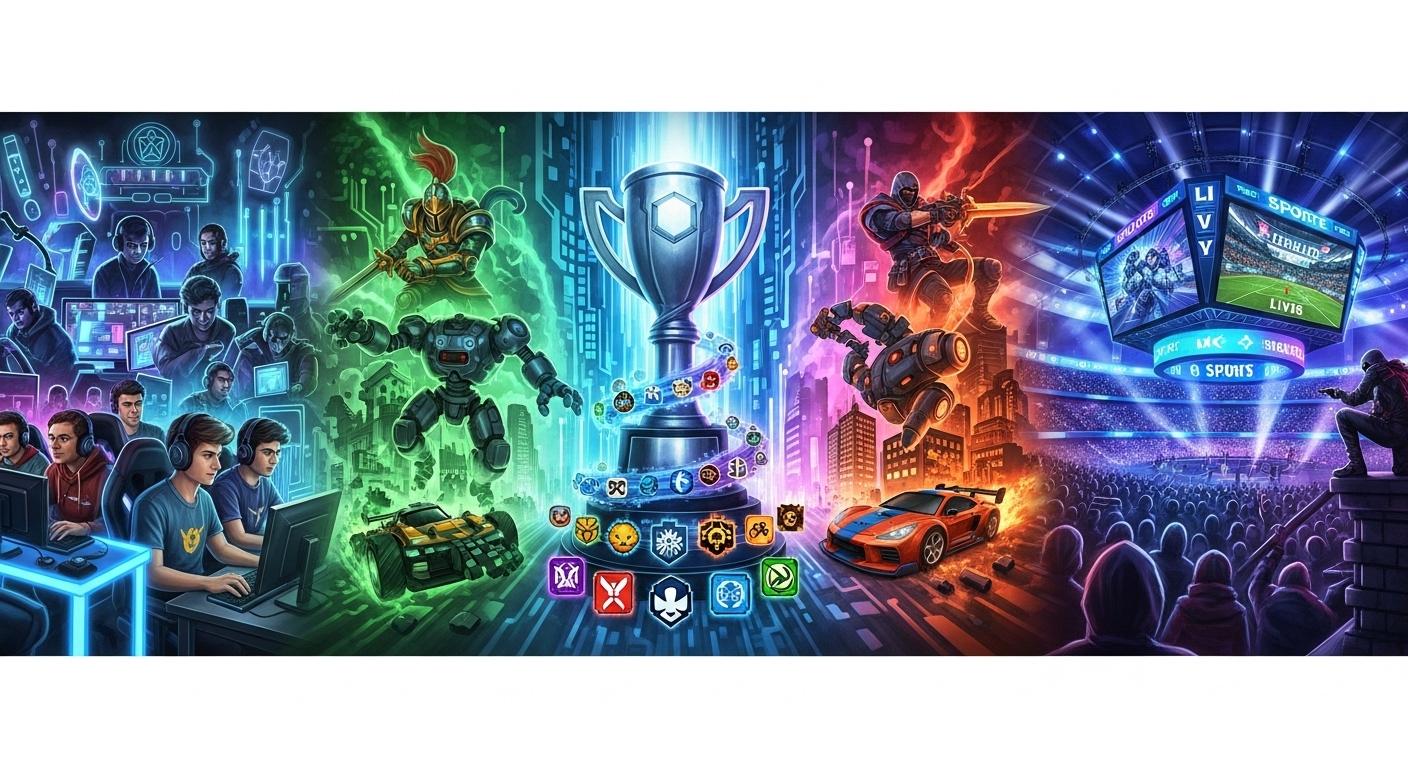
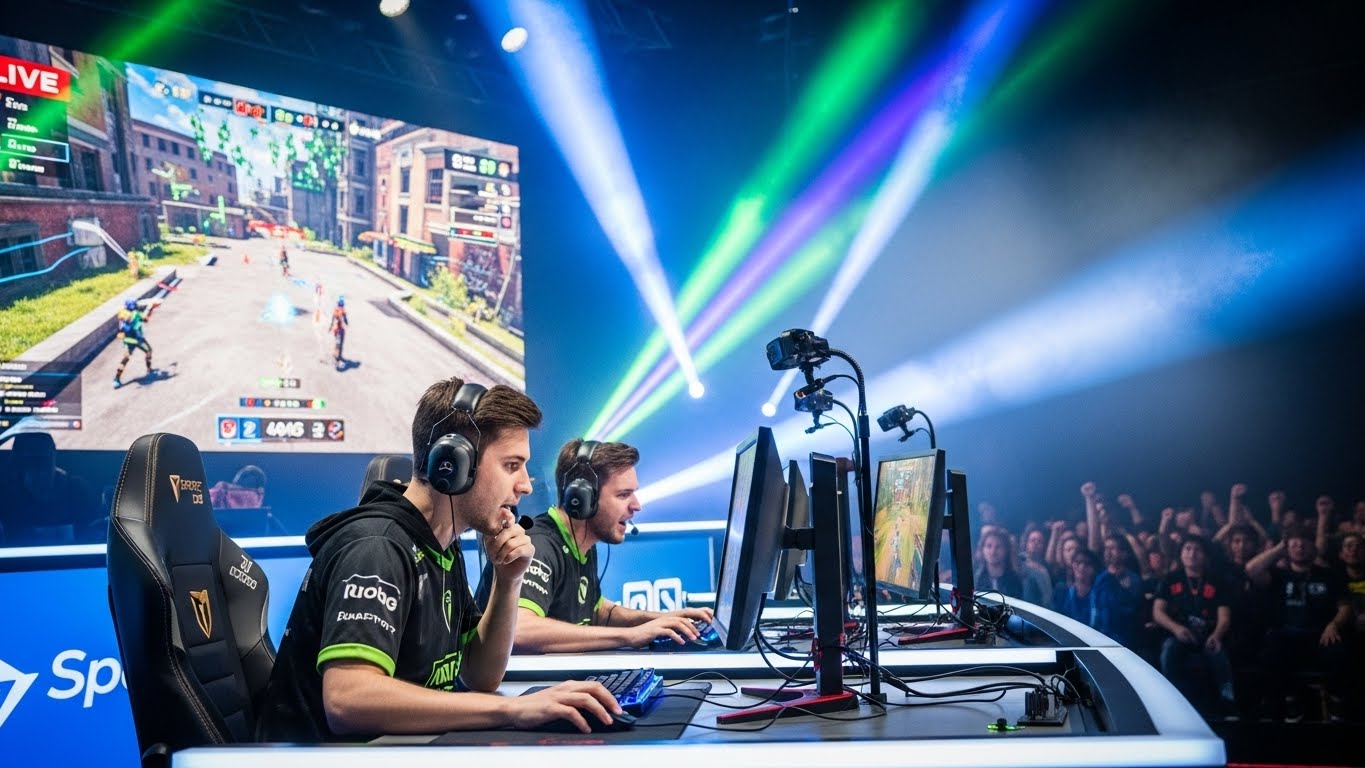
Esports has come a long way from its early days of competitive gaming. Once viewed as a niche hobby for a small group of enthusiasts, esports has now become a global entertainment powerhouse. With millions of fans, players, and sponsors involved, esports has transformed into a billion-dollar industry. This blog post will explore the rise of esports, its growing influence, and how it is reshaping the world of entertainment, culture, and competition.
1. The Birth and Evolution of Esports
The journey of esports began in the late 20th century when competitive video games started to emerge. During the 1990s, games like Street Fighter and Quake saw early tournaments, but it was the development of multiplayer games like StarCraft and Warcraft in the early 2000s that truly set the stage for the esports boom. With the rise of the internet and online gaming platforms, players could now compete against others from across the world in real-time.
In the mid-2000s, platforms such as Twitch provided a platform for gamers to stream their gameplay and connect with fans. This newfound accessibility helped esports reach new heights. Today, tournaments such as The International for Dota 2 or the League of Legends World Championship draw massive audiences, both in person and through live streams.
2. The Key Factors Behind Esports’ Explosive Growth
Esports’ success is not just about its appeal to gamers. Several factors have contributed to its growth into a global phenomenon:
1. Streaming and Accessibility
One of the primary drivers of esports’ growth has been the accessibility provided by streaming platforms. Websites like Twitch, YouTube Gaming, and Facebook Gaming allow fans to watch tournaments and matches live. Viewers can interact with players and commentators in real-time, creating a more immersive experience. This level of accessibility has turned esports into a spectator sport, much like traditional sports.
2. Sponsorship and Investment
As esports gained popularity, it attracted substantial investment from major brands and corporations. Companies like Intel, Coca-Cola, and even Adidas began sponsoring teams and tournaments. The influx of corporate sponsorships has given esports the financial support to grow further, enabling larger prize pools, more elaborate events, and better training environments for players.
3. The Rise of Gaming Culture
Gaming is no longer seen as an activity for a niche group. It has become part of mainstream culture, particularly among younger generations. Social media platforms, YouTube, and streaming services have made gaming a cultural staple, with influencers and pro gamers becoming household names. This widespread acceptance has allowed esports to expand well beyond the gaming community and into the broader entertainment industry.
4. Global Reach
Esports knows no geographical boundaries. It has captured audiences across the globe, from the U.S. to South Korea, China, and Europe. Major tournaments are broadcasted in multiple languages, attracting a diverse, international fan base. The global nature of esports has allowed it to become a truly international event, comparable to the Olympics or the FIFA World Cup in terms of reach.
3. The Structure of Esports: Teams, Leagues, and Competitions
Esports operates in a similar fashion to traditional sports, with organized teams, leagues, and tournaments that determine the best players and teams in various games.
1. Professional Esports Teams
Just like any other sport, esports is driven by professional teams. These teams consist of players who specialize in specific games. They often train together, develop strategies, and compete in various tournaments and leagues. The competitive nature of the games demands not only individual skill but also excellent team coordination and strategy. Major teams like Cloud9, T1, and FaZe Clan have earned a reputation and established themselves as powerhouses in the esports community.
2. Esports Leagues and Competitions
Esports is structured around both league-based play and one-off tournaments. Many games, such as Overwatch and Call of Duty, have their own dedicated leagues, where teams compete in regular seasons. These leagues help stabilize the scene and give fans a more consistent viewing experience. On the other hand, tournament-based games like Dota 2 and Fortnite have massive annual events where players compete for large prize pools. The International, with its multi-million-dollar prize pool, is one of the most significant esports tournaments globally.
3. Prize Pools and Sponsorships
Prize pools in esports can be staggering. The Fortnite World Cup, for instance, had a prize pool of $30 million in 2019. As esports tournaments become more commercially viable, prize pools continue to grow, making professional gaming a lucrative career option for top players. Additionally, sponsorships from major brands help supplement the prize money, ensuring that esports teams and players are financially supported.
4. Different Types of Esports Games
Esports covers a wide range of game genres, each with its own competitive scene and unique appeal. Let’s take a closer look at some of the most popular types of esports games.
1. Multiplayer Online Battle Arenas (MOBAs)
MOBAs, such as League of Legends and Dota 2, are among the most popular and competitive games in esports. These games pit two teams of five players against each other, with each player controlling a unique hero or champion. The goal is to work together to destroy the enemy team’s base. MOBAs are known for their strategic depth, teamwork, and coordination, requiring hours of practice to master.
2. First-Person Shooters (FPS)
First-person shooters are another major category in esports, with titles like Counter-Strike: Global Offensive, Call of Duty, and Overwatch leading the charge. These games focus on fast-paced action, precision aiming, and team-based objectives. FPS games are often played in highly competitive formats, with players constantly refining their mechanics and strategies to stay at the top.
3. Real-Time Strategy (RTS)
RTS games like StarCraft II are all about strategic planning, resource management, and quick decision-making. Players control armies and manage resources in real-time, seeking to outmaneuver and defeat their opponents. While RTS games may not have the same mainstream popularity as MOBAs or FPS games, they still have a dedicated competitive scene with international tournaments.
4. Battle Royale Games
Battle Royale games like Fortnite, Apex Legends, and PUBG have exploded in popularity in recent years. These games drop players into a large map and the goal is to be the last person standing. With their dynamic gameplay and large-scale matches, Battle Royale games offer a different kind of competition that’s quickly gained traction in the esports scene.
5. Fighting Games
Fighting games like Street Fighter, Tekken, and Super Smash Bros. have been around for decades and continue to have a dedicated esports following. These games feature one-on-one combat, where players must master complex moves and combos to defeat their opponents. The precision and skill required to excel in fighting games make them a staple in esports competitions.
5. Career Opportunities in Esports
The rise of esports has opened up a wide range of career opportunities, from playing professionally to working behind the scenes in management, content creation, and broadcasting.
1. Professional Players
Professional esports players are the stars of the industry, competing in tournaments and earning salaries from teams, sponsors, and prize pools. These players often dedicate years of their lives to perfecting their craft, with intense practice schedules and a high level of competition.
2. Coaches and Analysts
Just as in traditional sports, esports teams employ coaches and analysts to help them improve their gameplay. Coaches develop strategies, while analysts break down matches to offer insights into the strengths and weaknesses of both players and teams. This behind-the-scenes role is crucial to a team’s success.
3. Broadcasters and Commentators
Commentators and broadcasters bring esports to life, providing live commentary during matches and offering analysis to viewers. These roles require a deep understanding of the game being played and the ability to engage with a live audience. The demand for skilled commentators has skyrocketed alongside the popularity of esports.
4. Content Creators and Streamers
Content creation and streaming have become some of the most lucrative careers in esports. Popular streamers on platforms like Twitch and YouTube can make significant income from donations, sponsorships, and ad revenue. Streamers often create content around specific games or esports events, building large followings and contributing to the esports ecosystem.
6. The Future of Esports
The future of esports looks incredibly promising. With technological advancements, such as virtual reality (VR) and augmented reality (AR), esports could become even more immersive, offering fans and players new ways to experience games. Additionally, as the global fan base continues to grow, esports will likely expand further into new regions, with more international leagues and tournaments. The line between traditional sports and esports may also blur as the two continue to intersect, with hybrid events and cross-promotional opportunities becoming more common.
Conclusion: Esports Is Here to Stay
Esports is no longer just a passing trend—it’s a revolution in the world of competitive entertainment. From its humble beginnings to becoming a multi-billion-dollar industry, esports has captured the attention of millions around the globe. As it continues to grow, esports is set to redefine what it means to be an athlete, a fan, and a part of the global entertainment ecosystem. Whether you’re a player, a fan, or someone looking to break into the industry, the world of esports offers endless opportunities and excitement.