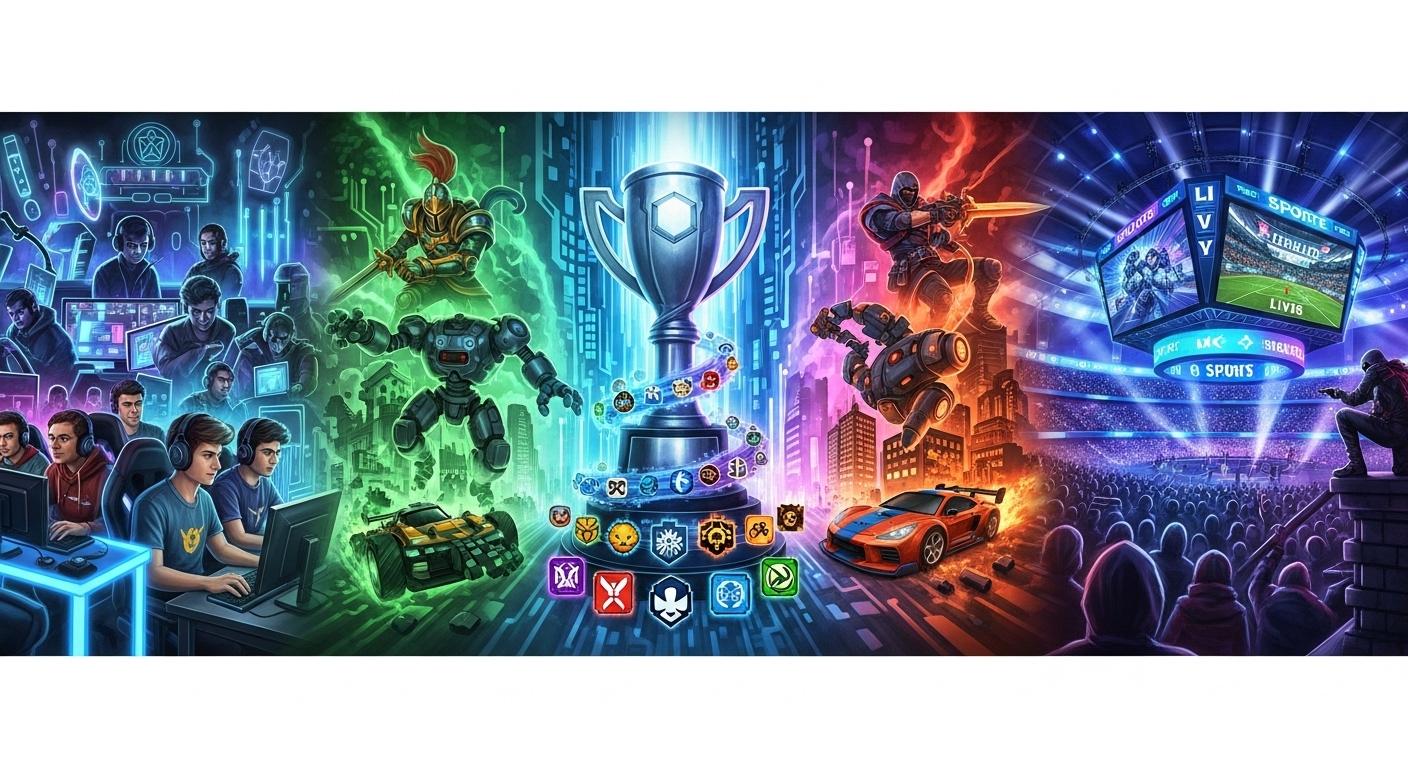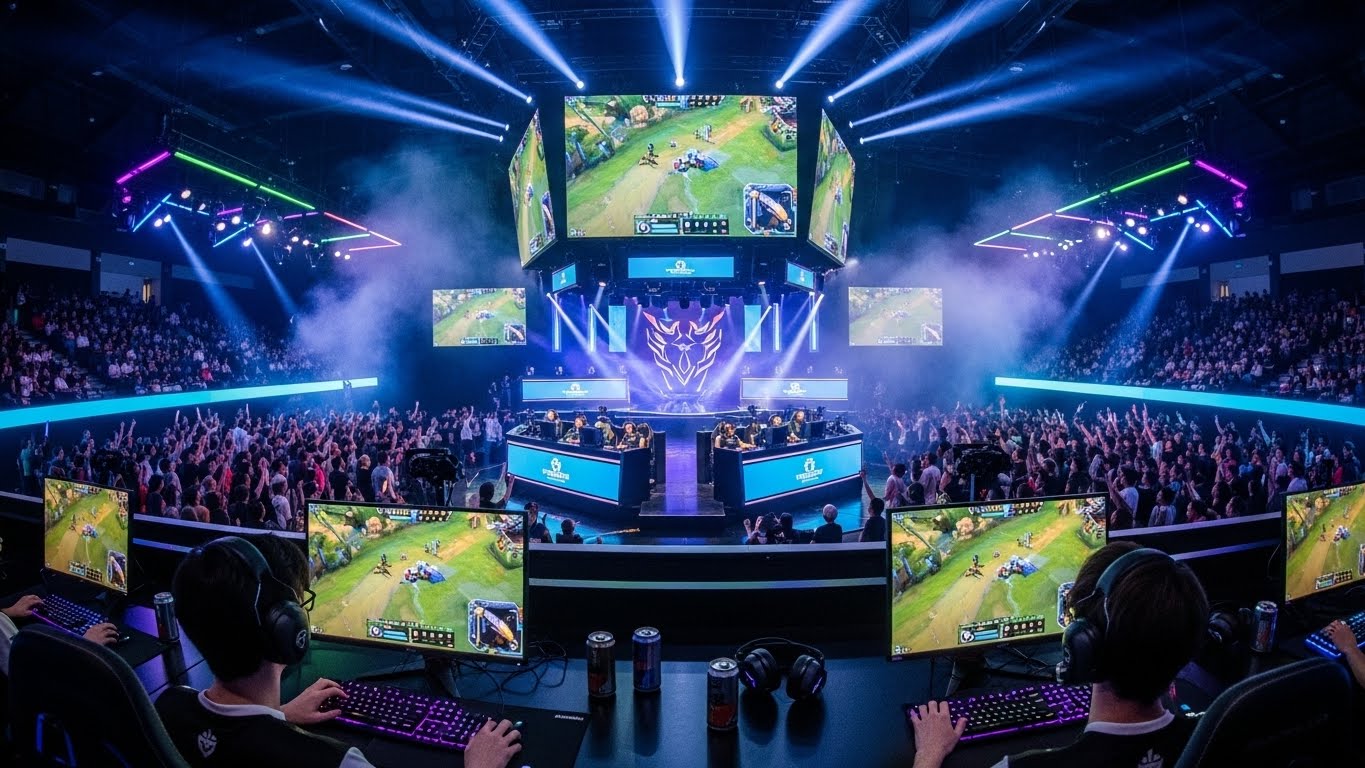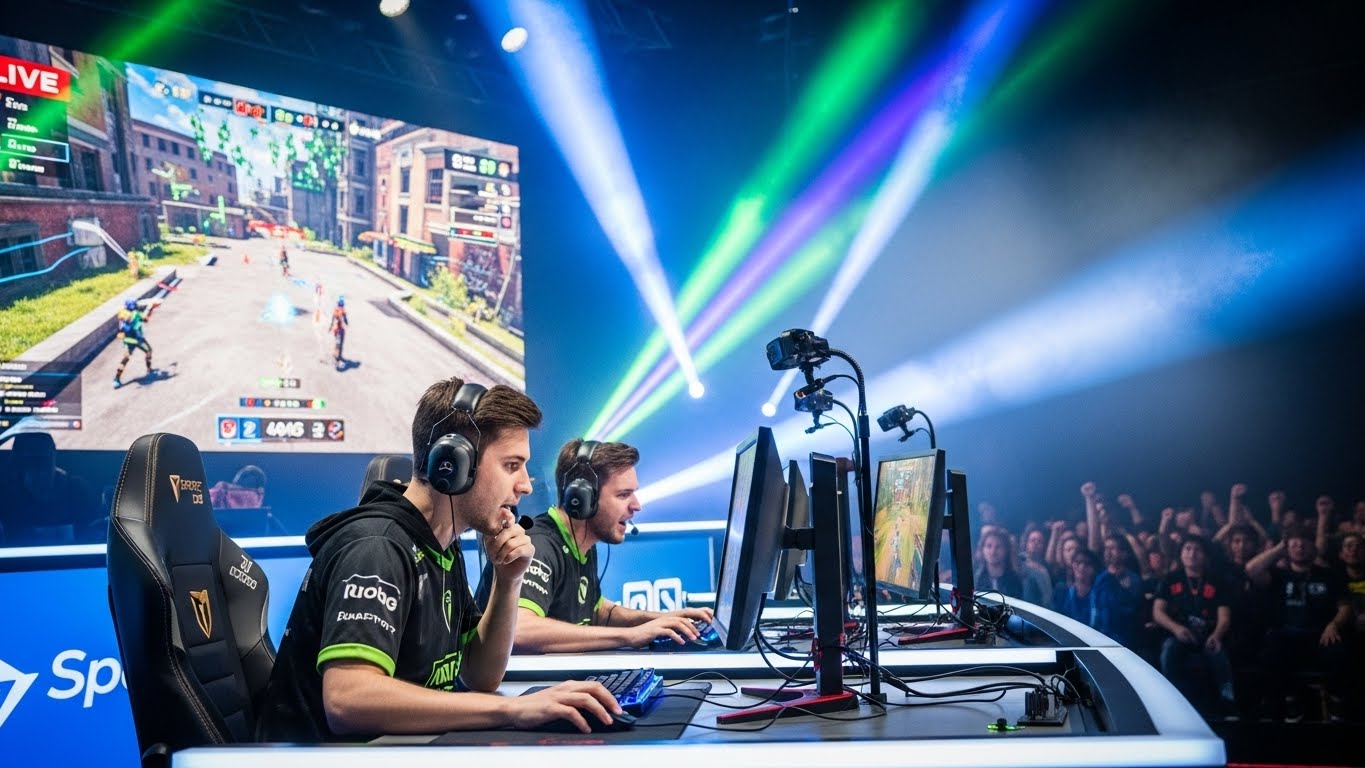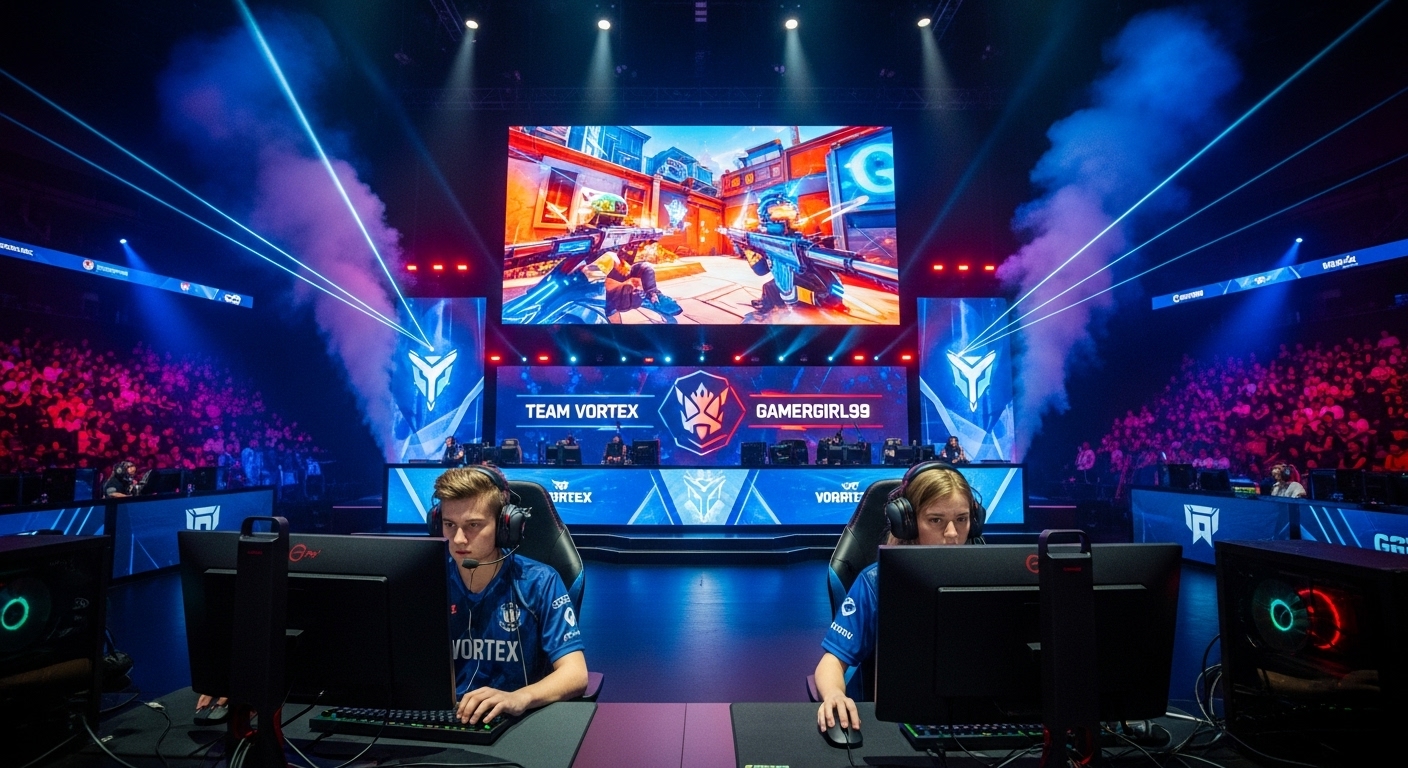
Esports has transformed the way people perceive competitive gaming. No longer a casual pastime, it has grown into a global industry where players, teams, and fans engage in high-stakes competition. Combining skill, strategy, and technology, esports has created a new form of entertainment that rivals traditional sports in popularity and impact.
The Evolution of Esports
The journey of esports began with small local tournaments and friendly gaming competitions. Over the years, technological advancements and widespread internet access enabled these contests to expand online, reaching global audiences. Today, major esports events fill arenas, attract millions of viewers worldwide, and generate substantial revenue, establishing esports as a serious and influential industry.
Skill, Strategy, and Dedication
Esports is far more than casual gaming—it requires intense practice, strategic thinking, and precise execution. Competitive titles such as first-person shooters, real-time strategy games, and multiplayer online battle arenas demand quick reflexes, teamwork, and mental stamina. Professional players often train for hours daily, mastering game mechanics, communication strategies, and tactical decision-making to gain a competitive edge.
Creating a Global Community
One of the most powerful aspects of esports is its ability to connect people across the globe. Online platforms, streaming services, and live tournaments bring together players, fans, and content creators from diverse cultures. This sense of community fosters collaboration, friendship, and shared enthusiasm for games, making esports not only a competitive pursuit but also a social experience.
Career Opportunities in Esports
The esports ecosystem goes beyond professional players. Coaches, analysts, commentators, content creators, event managers, and developers all contribute to the industry’s growth. Educational programs and training courses in esports management and game design are emerging, offering structured career paths and legitimizing esports as a professional field.
Technology and Innovation in Esports
Advanced technology drives the esports revolution. High-speed internet, powerful gaming hardware, and streaming platforms allow competitions to run smoothly on a global scale. Innovations like virtual reality, augmented reality, and artificial intelligence are beginning to enhance gameplay and audience engagement, providing more immersive and interactive experiences.
The Future of Esports
The future of esports is bright and full of potential. As investments, infrastructure, and audience reach continue to grow, esports will expand further into mainstream culture. Emerging technologies will make competitions more immersive, and opportunities for players and professionals will continue to diversify. Esports is not just changing gaming—it is redefining the concept of competition and entertainment in the digital era.
Esports is a testament to how gaming has evolved into a global cultural phenomenon. It combines skill, technology, and community, offering players and fans an experience that is both competitive and social. As the industry continues to grow, esports will shape the future of entertainment, providing new ways for people to connect, compete, and celebrate gaming worldwide.