Introduction: The New Face of Competitive Sports
The world of sports has evolved beyond physical arenas and traditional playing fields. In the modern era, a new kind of athlete has emerged—one who competes not on a pitch or court but in a digital battlefield. This new frontier is known as Esports, short for electronic sports, where professional gamers compete in organized tournaments and leagues for fame, pride, and substantial rewards.
What was once a niche pastime has transformed into a global industry valued in billions, capturing the attention of millions of fans across the globe. From massive stadium events to live online broadcasts watched by millions, Esports has become one of the most influential entertainment industries of the 21st century. Its journey from living room competitions to international recognition is nothing short of extraordinary.
The Early Days of Esports: A Humble Beginning
The origins of Esports can be traced back to the early 1970s, long before modern gaming consoles and high-speed internet. The first recognized gaming tournament took place at Stanford University in 1972, featuring a game called “Spacewar.” The prize was nothing more than a magazine subscription, but it symbolized the beginning of organized competitive gaming.
The 1980s saw the golden age of arcade gaming. Titles like Pac-Man, Donkey Kong, and Space Invaders dominated arcades worldwide, giving rise to the first generation of competitive gamers. Magazines began listing high scores, and competitions became more frequent, drawing large crowds and media attention.
By the 1990s, the arrival of home computers and early internet connections revolutionized the gaming landscape. Games such as Doom, Quake, and StarCraft allowed players to connect remotely, creating opportunities for international competition. These early tournaments laid the groundwork for modern Esports leagues and professional gaming careers.
The Birth of the Professional Esports Era
The turn of the millennium marked a new era for competitive gaming. With faster internet speeds and the introduction of online multiplayer modes, Esports began to organize on a larger scale. Professional leagues and tournaments emerged, featuring cash prizes and corporate sponsorships.
In the early 2000s, South Korea became the epicenter of this revolution. The country’s embrace of broadband internet and gaming culture helped create some of the first professional gaming leagues. Players in titles like StarCraft: Brood War became household names, with fan followings comparable to traditional athletes. Television networks began broadcasting live matches, transforming gaming into a spectator sport.
This global momentum spread quickly. Major tournaments for games like Counter-Strike, Warcraft III, and Dota gained international attention. The establishment of gaming organizations and dedicated Esports teams gave players a professional structure, complete with contracts, coaches, and sponsors.
The Games That Define Esports
One of the reasons Esports has grown so rapidly is its diversity. Unlike traditional sports that focus on one type of physical activity, Esports encompasses multiple genres of video games, each with its own fanbase, rules, and competitive scene.
Multiplayer Online Battle Arena (MOBA) Games
Titles such as League of Legends and Dota 2 have defined the MOBA genre. These games emphasize teamwork, strategic thinking, and split-second decision-making. They are also responsible for some of the biggest Esports tournaments in the world, attracting millions of viewers and record-breaking prize pools.
First-Person Shooters (FPS)
The FPS genre is among the most popular in competitive gaming. Games like Counter-Strike: Global Offensive, Valorant, and Call of Duty focus on reflexes, coordination, and tactical precision. FPS tournaments often feature intense rivalries and moments of sheer skill that captivate audiences.
Battle Royale Games
With the rise of Fortnite and PUBG, the battle royale format took the world by storm. These games pit large numbers of players against each other in massive survival-based showdowns. The unpredictability and excitement of these matches make them ideal for streaming and competition.
Sports Simulation Games
For fans of traditional sports, games like FIFA and NBA 2K bring the excitement of real-world athletics into the digital arena. These games attract both casual players and professionals who compete in officially licensed leagues and tournaments.
Fighting Games
Titles such as Street Fighter, Tekken, and Super Smash Bros. have long-standing legacies in Esports. They feature one-on-one duels where timing, precision, and character mastery determine victory. Fighting game communities often emphasize skill, personality, and grassroots competition.
The Esports Ecosystem: Players, Teams, and Organizations
Esports is supported by a massive ecosystem that mirrors traditional sports in structure. At its heart are the professional players—individuals who dedicate years to mastering their craft. These players often join teams that operate under well-established organizations.
Teams such as Team Liquid, Cloud9, and Fnatic are household names in the Esports world. They recruit top players, provide training facilities, and secure sponsorships from major brands. Coaches, analysts, and managers work behind the scenes to prepare strategies and ensure peak performance.
The business side of Esports is equally sophisticated. Tournament organizers coordinate global events, while sponsors and advertisers fuel the industry’s financial growth. Game developers also play a key role by supporting competitive play and maintaining game balance. This intricate web of participants ensures that Esports remains a sustainable and evolving industry.
The Role of Streaming and Media in Esports Growth
The explosive growth of Esports owes much to the rise of live streaming. Before streaming platforms, fans had limited access to tournaments or player highlights. Today, anyone can watch professional matches, player streams, and commentary from anywhere in the world.
Streaming platforms turned Esports into a mainstream spectacle. Millions of fans tune in daily to watch their favorite teams and personalities. Streamers, who combine entertainment with gaming skill, have become cultural icons. Their content builds community, engages fans, and drives interest in competitive gaming.
In addition to live broadcasts, Esports benefits from content creation across social media platforms. Highlights, analysis videos, and interviews keep fans engaged long after tournaments end. This constant flow of digital content has made Esports one of the most consumed forms of entertainment globally.
The Spectator Experience: More Than Just Gaming
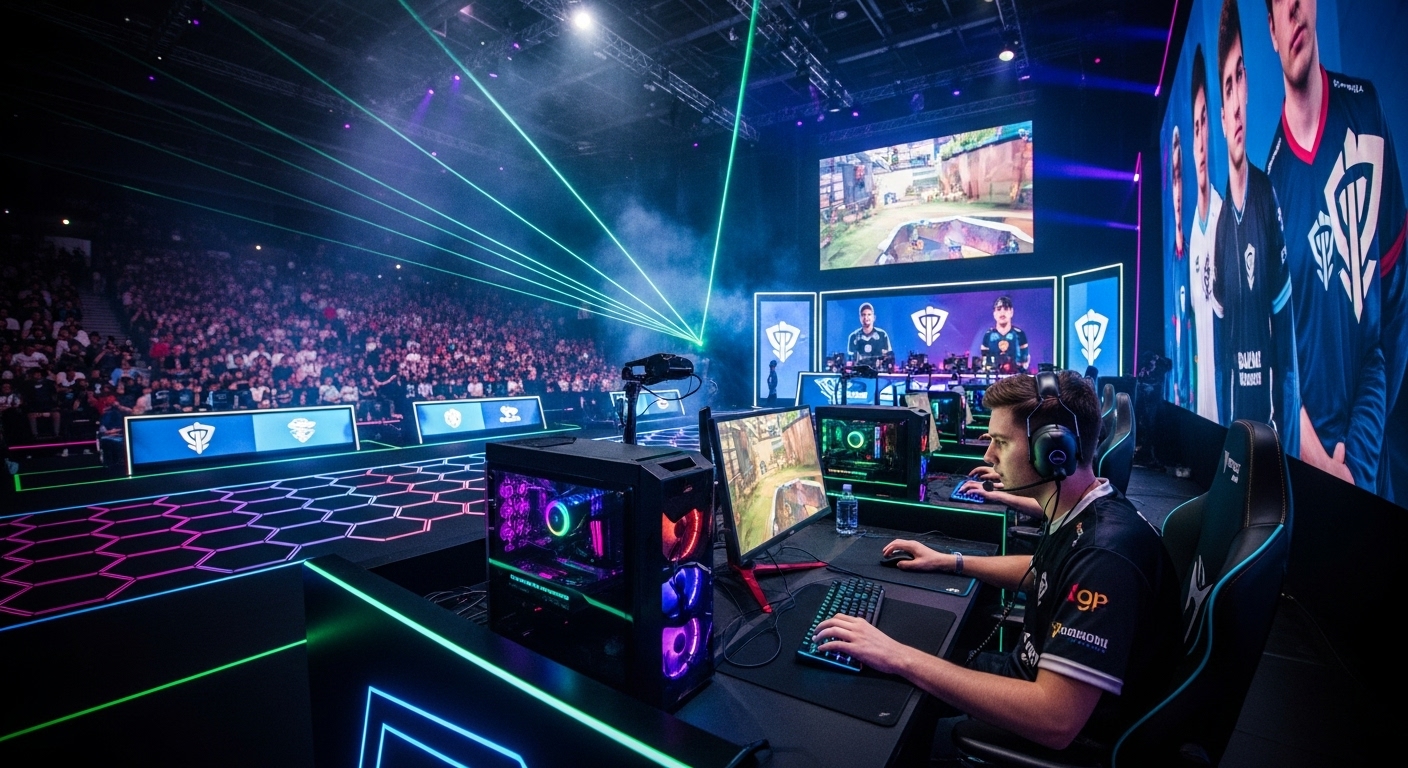
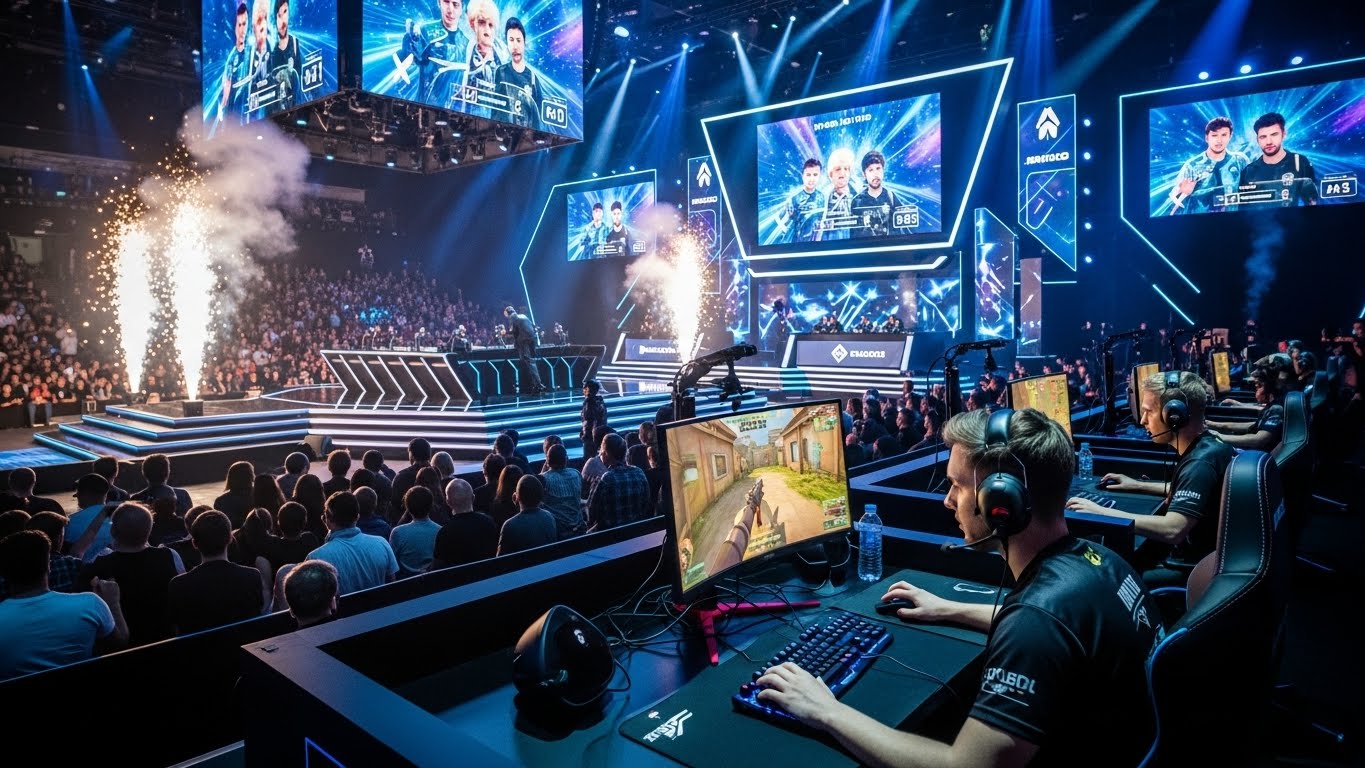
Watching Esports is an experience unlike any other. The combination of strategy, reaction speed, and teamwork creates a level of excitement that rivals traditional sports. Live events often take place in large arenas filled with fans waving team banners, chanting, and cheering for their favorite players.
Commentators, known as casters, bring energy and insight to the matches. Their play-by-play narration and analysis help viewers understand complex strategies and turning points in the game. High-quality production, complete with music, lights, and replays, makes tournaments feel like major sporting events.
In addition, Esports fosters a strong sense of community. Fans interact online through forums, chat rooms, and social media, creating a culture of shared enthusiasm and rivalry. This engagement extends beyond matches, as fans follow player stories, team rivalries, and behind-the-scenes content.
The Economic Impact of Esports
Esports is not just a cultural movement; it is a booming industry with significant economic influence. The global Esports market generates billions in revenue annually through sponsorships, advertising, media rights, merchandise, and live events.
Top-tier tournaments offer multi-million-dollar prize pools, attracting sponsorship from major corporations. Non-endemic brands, such as automotive, food, and fashion companies, have begun investing heavily in Esports marketing. For them, Esports represents access to a younger, tech-savvy audience.
Esports also drives job creation. Beyond players and coaches, there are opportunities for event organizers, commentators, designers, marketers, and content creators. As the industry continues to grow, so too will the professional opportunities surrounding it.
Esports in Education and Youth Development
The recognition of Esports as a legitimate form of competition has extended into education. Many schools and universities now offer Esports scholarships, treating gaming as seriously as other extracurricular sports. Students can study game design, digital marketing, and event management, aligning their passion with academic achievement.
These programs emphasize teamwork, problem-solving, and communication skills—qualities that are valuable in both gaming and real-world careers. For many young players, Esports represents not just entertainment but a potential career pathway.
Moreover, Esports clubs in schools encourage inclusivity, offering a space where students of all backgrounds can connect over shared interests. This social aspect has made Esports a positive influence on youth development and digital literacy.
Challenges and Controversies in the Esports Industry
While Esports has achieved incredible success, it faces several challenges that must be addressed for long-term stability. One major issue is player health. Professional gamers spend long hours practicing, leading to physical strain and mental fatigue. Organizations are now incorporating health programs to promote balanced lifestyles.
Another concern is the lack of standardized regulations. Different tournaments and organizations often operate under varying rules, creating inconsistencies. Issues such as cheating, match-fixing, and player exploitation have occasionally tarnished the industry’s reputation.
Additionally, the inclusion of women and underrepresented groups remains a work in progress. While progress has been made, greater efforts are needed to ensure that Esports remains an inclusive and welcoming space for all.
Lastly, as with any rapidly expanding industry, financial sustainability is a concern. Overreliance on sponsorships and fluctuating audience interest could impact future growth if not carefully managed.
Esports and Technological Innovation
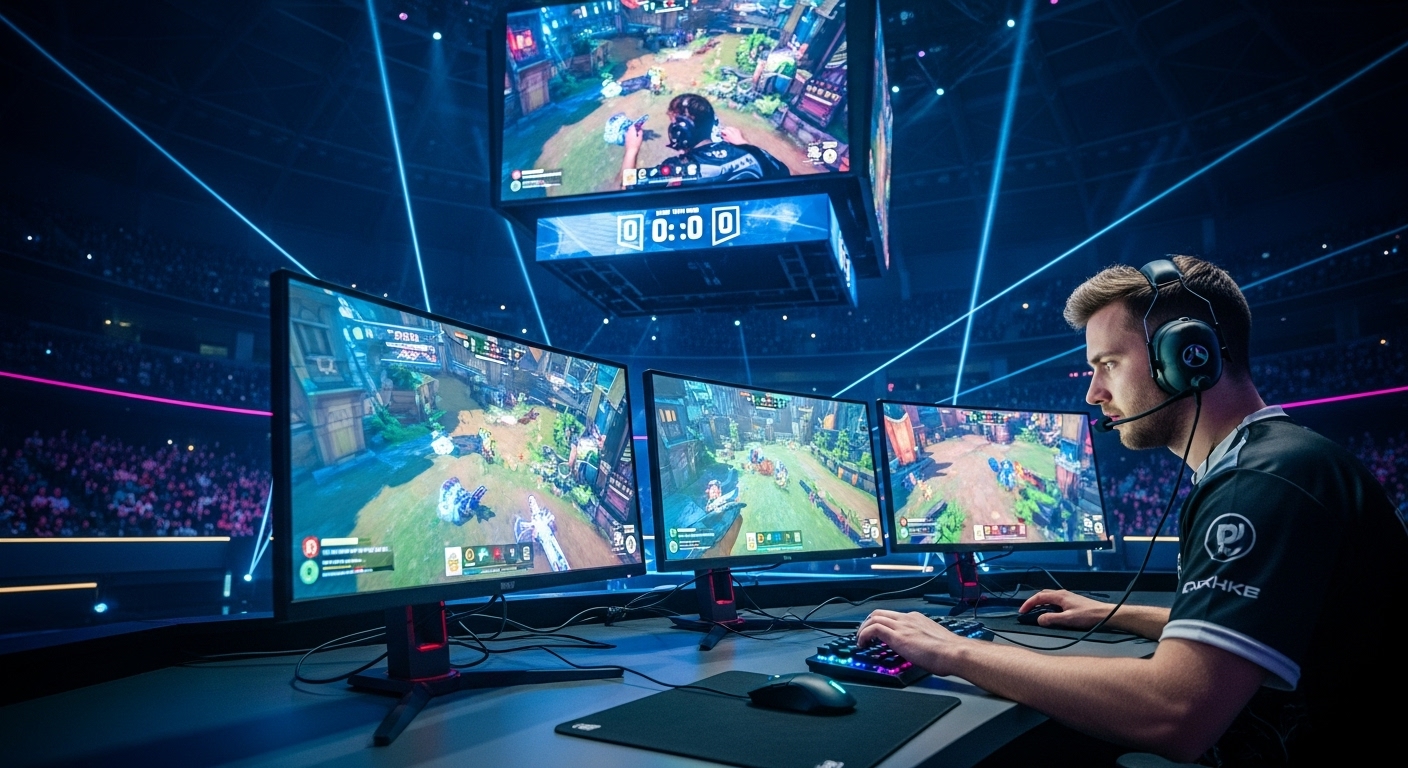
Technology is at the core of Esports, shaping everything from gameplay to broadcasting. Advances in hardware, graphics, and internet connectivity have elevated the competitive experience for both players and spectators. High-performance gaming equipment allows for precision and speed that were once unimaginable.
Cloud gaming, artificial intelligence, and virtual reality are now influencing the next phase of Esports. AI-driven analytics are used to study player performance, while VR and AR technologies are introducing immersive new ways to experience matches. These innovations promise to make Esports even more interactive and engaging in the future.
Moreover, 5G technology has the potential to revolutionize mobile Esports, enabling competitive play with minimal latency. This could open the door for new audiences, particularly in regions where mobile gaming dominates.
The Cultural and Social Impact of Esports
Beyond competition, Esports has become a cultural movement that bridges gaps between generations, nations, and communities. It has proven that sportsmanship and teamwork can thrive in digital spaces just as much as on physical fields.
Esports events bring together people from all over the world, united by a shared passion for gaming. These communities often transcend language barriers and cultural differences, highlighting the universal appeal of play and competition.
The influence of Esports is also visible in mainstream entertainment. Esports athletes appear on television, in films, and in advertisements. Game-inspired music, fashion, and art continue to shape modern youth culture. What was once a subculture has now become a dominant form of global entertainment.
The Future of Esports: A Vision Beyond Gaming
The future of Esports is full of promise. As technology continues to evolve, so too will the ways we experience competitive gaming. Virtual reality tournaments, AI-assisted coaching, and even metaverse-based Esports events may soon become reality.
Governments and international sports organizations are beginning to recognize Esports formally, with discussions about its inclusion in global events like the Olympics. This growing recognition further validates its importance as a legitimate sport.
Esports is also expected to play a greater role in social development, promoting digital literacy and creating job opportunities for younger generations. Its ability to unite people across borders positions it as one of the most influential industries of the modern era.
Conclusion: The Power of Play in a Digital World
Esports is more than just competition—it is a testament to human creativity, ambition, and connection. It represents how technology can transform entertainment into a meaningful experience that unites millions worldwide.
From its humble beginnings in university labs to sold-out stadiums and global broadcasts, Esports has redefined what it means to be an athlete and a fan. It combines the thrill of traditional sports with the innovation of digital culture, standing as a symbol of modern progress.
As Esports continues to evolve, its impact will only grow, shaping not just how we play, but how we connect, learn, and dream in the digital age. It is not just the future of gaming—it is the future of competition itself.