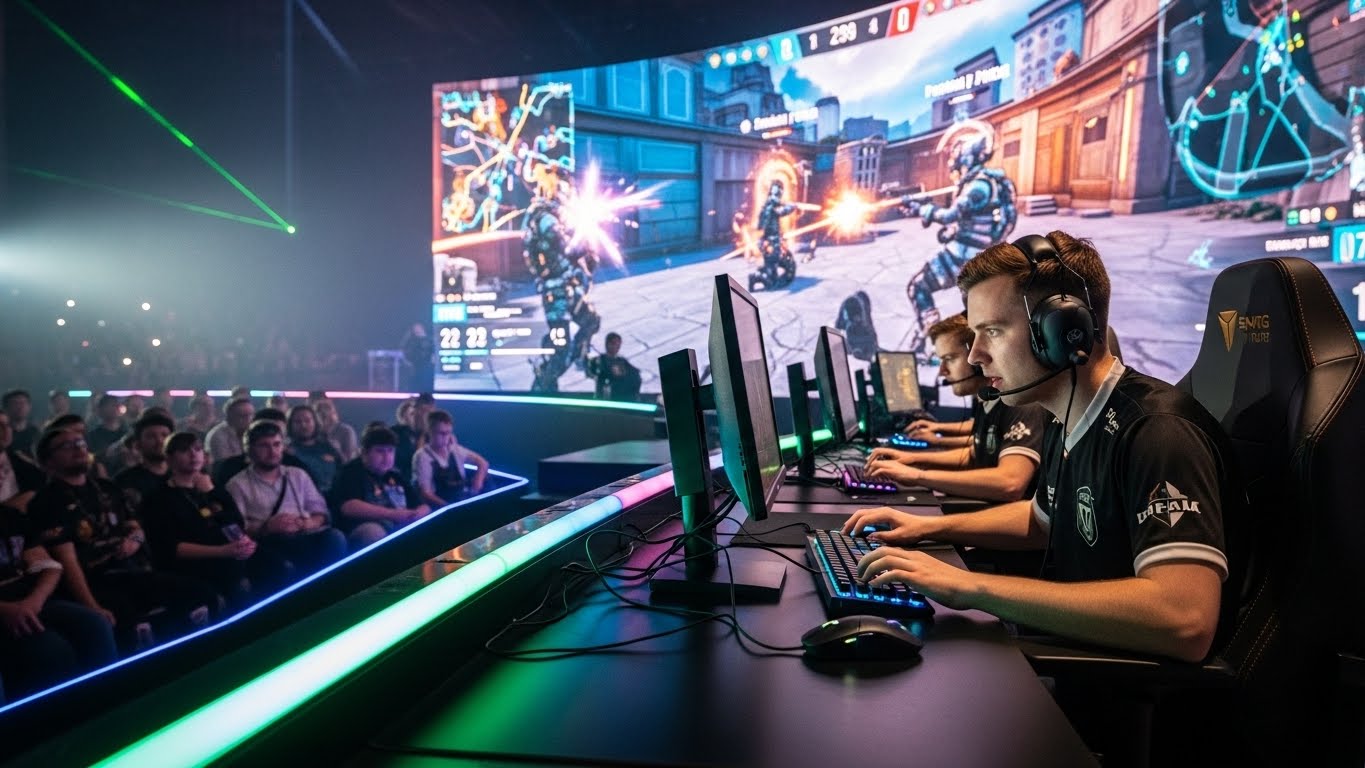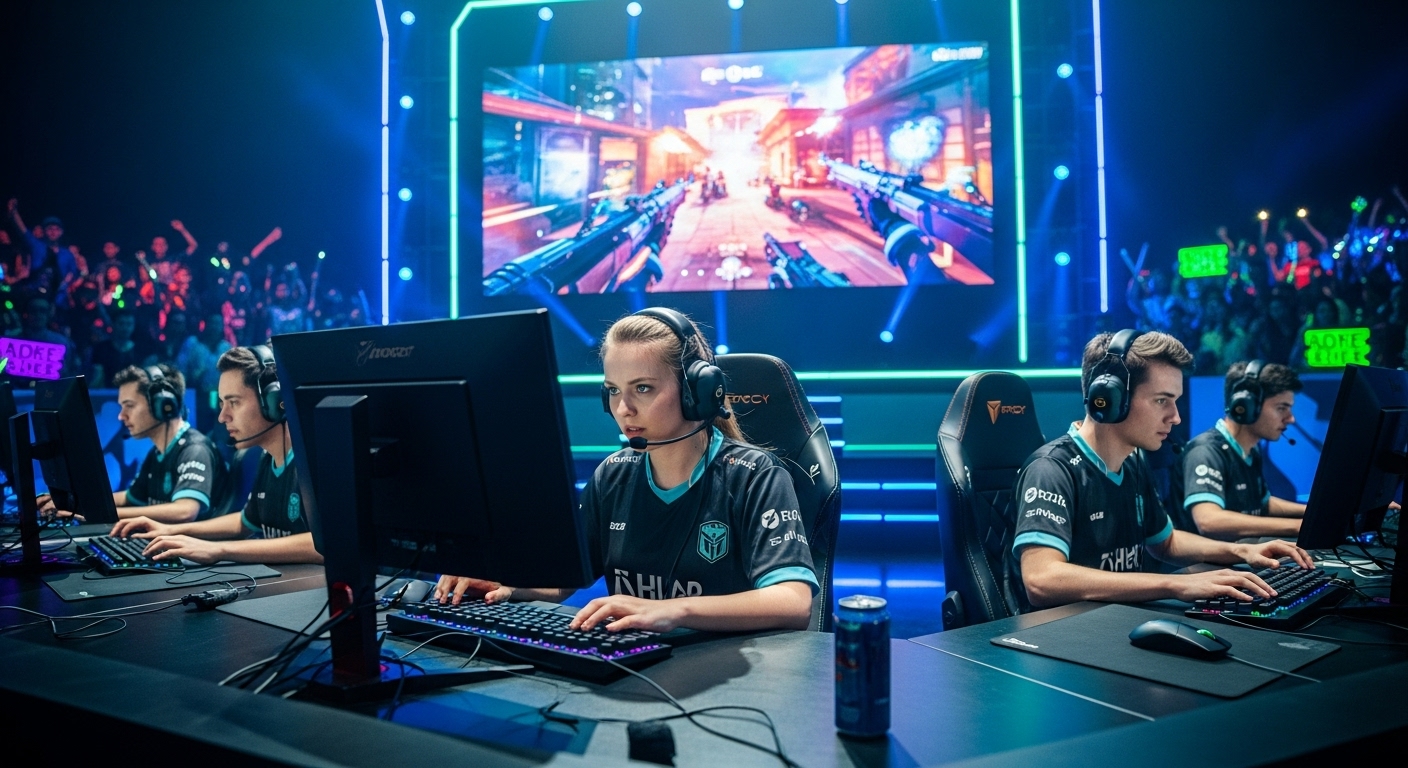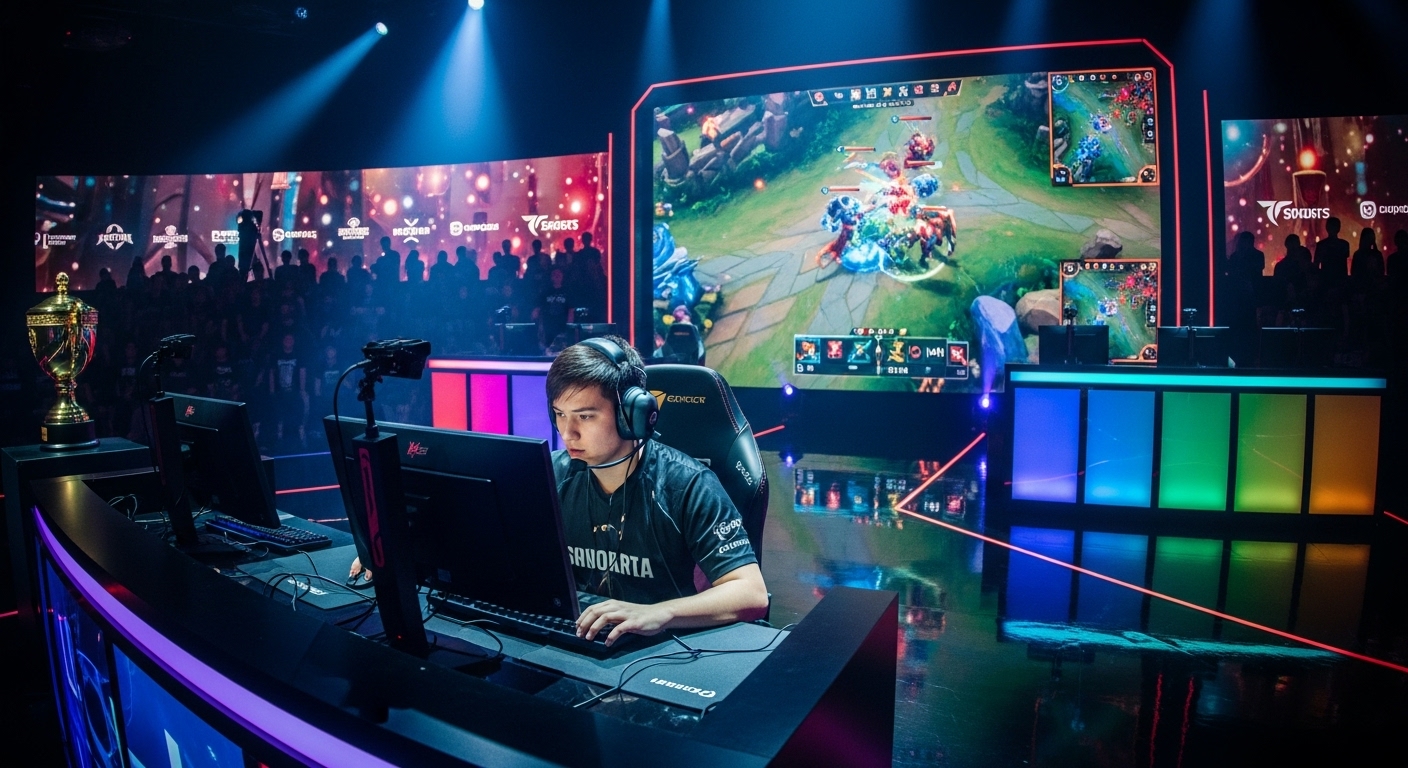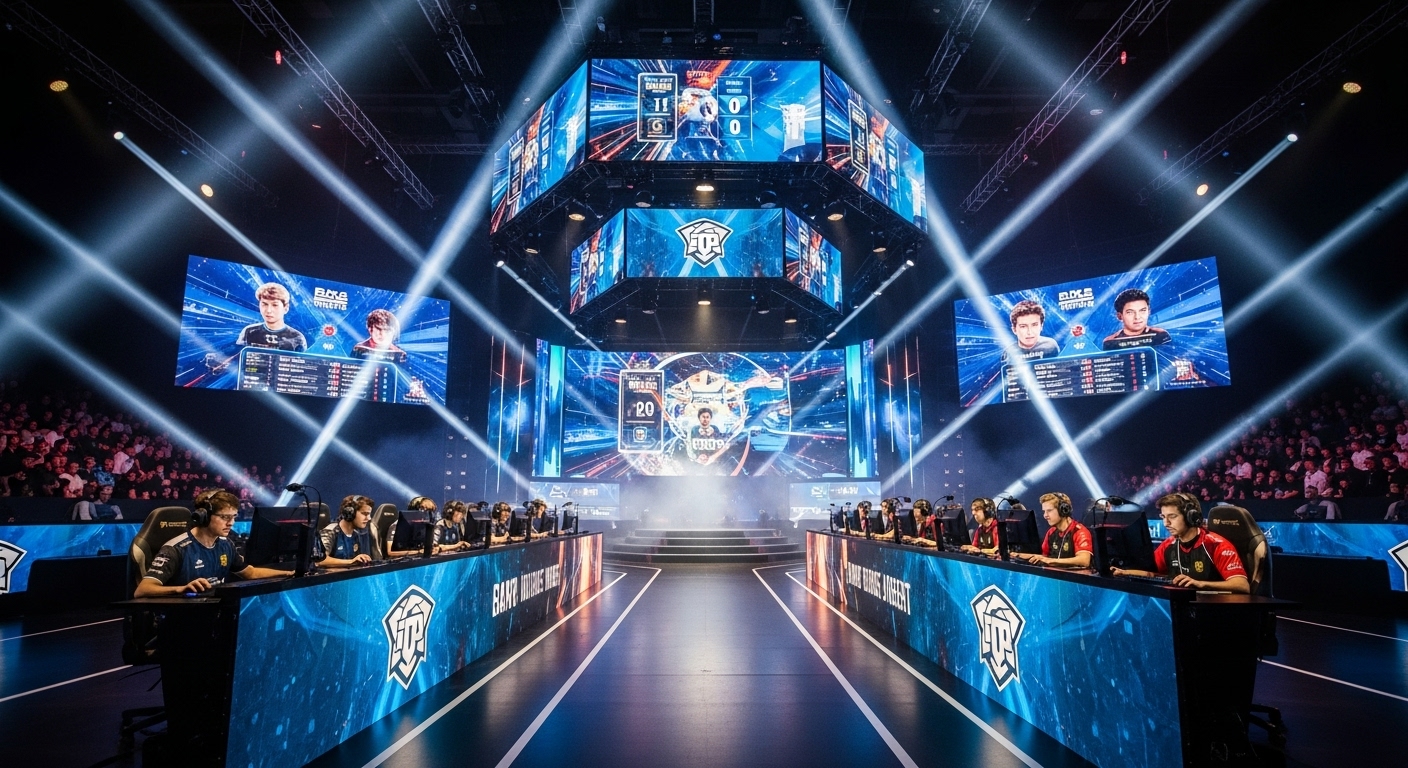
Esports is not just a passing trend nor a simple pastime for gamers who stay up all night dodging homework or responsibilities. It has evolved into a global phenomenon with bright neon lights, roaring digital stadiums, and armies of fans cheering through screens. From virtual battlegrounds to polished broadcast stages, Esports has taken the world by storm, transcending traditional definitions of sports and entertainment.
In this digital age, skillful players wield keyboards like swords and game controllers like the steering wheels of their destiny. They compete for championships, trophies, glory, admiration, and sometimes millions of dollars. As the world increasingly embraces pixelated competition, Esports has carved its own path among traditional giants like football and basketball. This blog explores the rise, culture, challenges, and future of the Esports industry, celebrating its thrilling transformation into a global powerhouse.
The Birth of a New Competitive Era
Before the enormous LED screens and million-dollar tournaments, Esports enjoyed a humbler beginning. Gamers in the 1980s and 1990s huddled around arcade machines or home consoles to show off their gaming proficiency in titles like Space Invaders, Pac-Man, and Street Fighter. Those battles were the seeds of something bigger. Each high score achieved on a glowing screen whispered the prophecy of major leagues waiting ahead.
The true Esports boom kicked off with the arrival of high-speed internet. Suddenly, a neighborhood champion could face rivals from across the world without ever stepping outside. Online multiplayer competition birthed a new breed of champions, not restricted by physical location or athletic physique. It was an arena where strategy, reflexes, and dedication reigned supreme.
By the 2000s, competitive gaming began to take shape with professional teams, sponsors, and international tournaments. Once dismissed as a niche hobby, Esports slowly gained credibility, fueled by passionate fans and the unstoppable curiosity of modern technology.
A Cultural Shift in the Definition of Sports
Many argue whether Esports should be considered a real sport. Critics often claim that players merely sit and press buttons while traditional athletes sprint, sweat, and slam dunk their way to victory. Yet, this view underestimates the mental and physical rigor of high-level gaming.
Professional Esports athletes train daily, maintaining strict schedules that rival the discipline of Olympians. Their reflexes must react within milliseconds. Their minds process complex strategies faster than the blink of an eye. Precision, teamwork, communication, and stamina make the difference between a champion and a spectator.
What truly crowns Esports as a legitimate sport is the community surrounding it. Fans wear jerseys of their favorite teams. Parents cheer for their children’s digital accomplishments. Stadiums fill with thousands of spectators who scream when their favorite player lands a game-winning blow. The emotional and competitive energy mirrors any physical sport. Esports has rightfully earned its place alongside the greats.
Major Titles That Shaped the Esports World
Esports is a universe with many constellations, and each major game is a star that guides millions of players. Different genres have birthed fierce competition:
Real-Time Strategy Dominance
Games like StarCraft revolutionized Esports by proving that mental speed could shine brighter than physical agility. Players execute hundreds of actions per minute while forming complex tactics. In countries like South Korea, StarCraft pros became national celebrities.
Multiplayer Online Battle Arenas Conquer the Scene
Titles like League of Legends and Dota 2 fueled the MOBA craze. These games blend teamwork, character mastery, and split-second decision making, attracting some of the biggest prize pools in history. Fans form lifelong alliances with their chosen heroes and teams, turning these games into cultural landmarks.
First-Person Shooter Legends
FPS games such as Counter-Strike, Rainbow Six Siege, and Valorant embrace fast reflexes and sharpshooting precision. Every round triggers adrenaline, and the smallest mistakes can cost everything. These games transformed tactical coordination into an explosive spectator sport.
Sports Games Enter the Arena
Even traditional sports like football found a place in digital battlegrounds through titles like FIFA and NBA 2K. These games give fans the chance to live out stadium dreams from the comfort of their couch or through esports competitions with roaring audiences.
Battle Royale Breakthrough
Games like Fortnite and PUBG introduced chaotic excitement where only one can remain standing. These digital survival competitions bring unpredictability and cinematic tension that keeps audiences glued to the screen.
Each category has shaped the face of Esports differently, enriching the ecosystem with diverse thrills and strategies.
The Business of Esports
Behind every glamorous trophy lies a sophisticated industry machine. Esports is funded by sponsorships, broadcasting rights, ticket sales, in-game cosmetics, merchandising, and league investments. Brands that once cared little for flashy RGB keyboards now scramble to attach themselves to the rising tide of Esports success.
Gaming houses serve as training centers where players live and practice under coaching and analytics oversight. Managers negotiate contracts, nutritionists design diets, and psychologists maintain mental balance. Teams evolve into corporations with fanbases spanning continents.
Streaming platforms elevate competition into entertainment. Commentators known as casters narrate matches with fiery enthusiasm, transforming each moment into theater. Esports analysts dissect gameplay with the precision of scholars studying ancient war strategies.
Money has flowed into Esports with such force that stadiums are being built exclusively for hosting competitions. Scholarships for Esports athletes are rising in universities. New jobs are emerging from this booming ecosystem, including game strategists, event organizers, esport journalists, and content creators.
The Player Life: Glory and Pressure
Becoming an Esports professional sounds like a dream for many gamers, but reality paints a far more demanding picture. It begins with countless hours of practice. Some players train up to twelve hours a day, maintaining rapid responses and deep understanding of game mechanics.
Like any athlete, they face injuries such as wrist strain, back pain, and mental burnout. The spotlight can be harsh, with fans and critics constantly judging their performance. Their careers may be short, as young reflexes often dominate this industry.
Still, the rewards are astonishing. Famous players gain loyal fan clubs, lucrative sponsorships, and opportunities to shape gaming history. Their every move is celebrated. They become icons for the digital generation.
Fans the Powerhouse of Esports Energy
The heart of Esports is its fan community. They are not just spectators but the roaring fuel behind every victory. Online platforms allow fans to connect instantly, share predictions, celebrate memes, and argue passionately about strategies and players.
Live Esports events transform fans into a thunderstorm. Lights flash. Music pounds. Fireworks burst to welcome competitors onto the stage. The excitement feels electric enough to power a whole city.
Cosplay enthusiasts dress like beloved game characters, creating a fusion between digital and physical artistry. Fans also contribute to the growth of local gaming scenes, organizing viewing parties and small tournaments that plant seeds of future champions.
Education and Esports a Growing Partnership
The embrace of Esports by schools and universities has sparked an exciting evolution. Esports programs cultivate teamwork, problem-solving, multitasking, and digital literacy. Students improve communication skills while engaging in competitive play.
Scholarships are awarded to promising players, leveling the playing field for talented individuals who might not excel in traditional sports. Academic institutions increasingly recognize Esports as both an educational tool and a career pipeline, connecting students to a flourishing industry.
Challenges Clouding the Digital Skies
Even the brightest landscape must face some shadows. Esports is not immune to controversies and concerns. Key challenges include:
Player burnout due to harsh schedules
Cheating scandals and unfair exploits in competition
Toxicity within gaming communities
Lack of long-term career security
Regulation difficulties across international borders
To ensure a sustainable future, the industry must protect its players, promote fair play, support mental health, and cultivate respectful communities.
Inclusivity in Esports Opening New Doors
For many years, the Esports world largely spotlighted male competitors. However, the tides are changing. Women, non-binary players, and underrepresented communities are rising into visibility. New leagues and teams create safer and more inspiring spaces, challenging stereotypes head on.
Inclusivity strengthens Esports by unlocking diverse perspectives and talents. When every gamer feels welcome, the entire world expands. The industry is gradually recognizing this and promoting programs, mentorship opportunities, and female-led tournaments to amplify representation.
Technology The Rocket Fuel of Esports
Esports evolves hand in hand with technology. As hardware accelerates and software innovations arise, the boundaries of competitive gaming stretch wider.
Virtual reality and augmented reality bring new opportunities for immersive tournaments where players feel physically part of the environment. Artificial intelligence assists in training by analyzing gameplay patterns. Better internet speed and cloud computing improve accessibility, allowing more players than ever to join the global battlefield.
The future promises interactive arenas where audiences might influence game environments in real time. Esports is just getting started on the possibilities hidden in tomorrow’s inventions.
The Future of Esports Bright as Neon
Looking ahead, Esports seems destined to grow even more colossal. Traditional sports leagues increasingly partner with Esports organizations. New genres of competition will emerge, creating entirely new fan cultures. As viewing habits shift toward digital entertainment, Esports is positioned perfectly to thrive.
Imagine high school athletes dreaming of becoming the next legendary League of Legends mid-laner. Picture families cheering in home theaters for their children’s big Fortnite match. Envision esports becoming part of global sporting events and breaking old stereotypes forever.
Esports is more than just games. It has become a cultural revolution, a technological marvel, and a testament to how human competition evolves in sync with imagination.
Conclusion A New Age of Champions
From the humble beginnings of friendly arcade battles to the dazzling world championships of today, Esports has journeyed through a remarkable transformation. It now stands as a titan in the entertainment world, inspiring millions daily.
Players push the boundaries of skill. Fans amplify the excitement with roaring energy. Developers create fantastical worlds where competition thrives. Each piece contributes to a vibrant and unstoppable force that reshapes our concept of sports and community.
Esports is a celebration of passion, innovation, and unity in a world increasingly connected through digital adventures. It has claimed its throne among the grand spectacles of humanity and promises to shine even brighter in the future.
The controllers are charged, the keyboard keys are ready to click in harmony, and the victory chants echo in countless languages. This world of Esports belongs to everyone bold enough to join the game. The arena awaits and the next great champion could be you.