Introduction
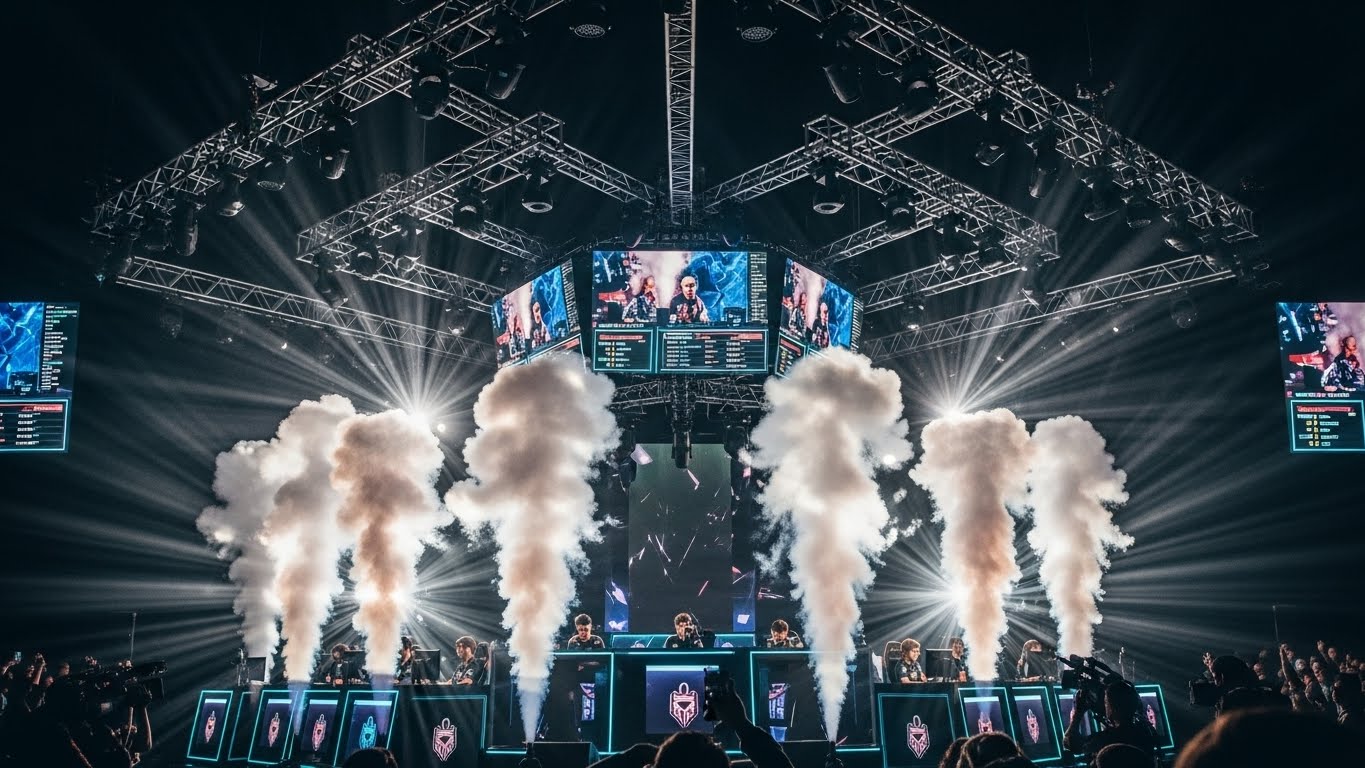
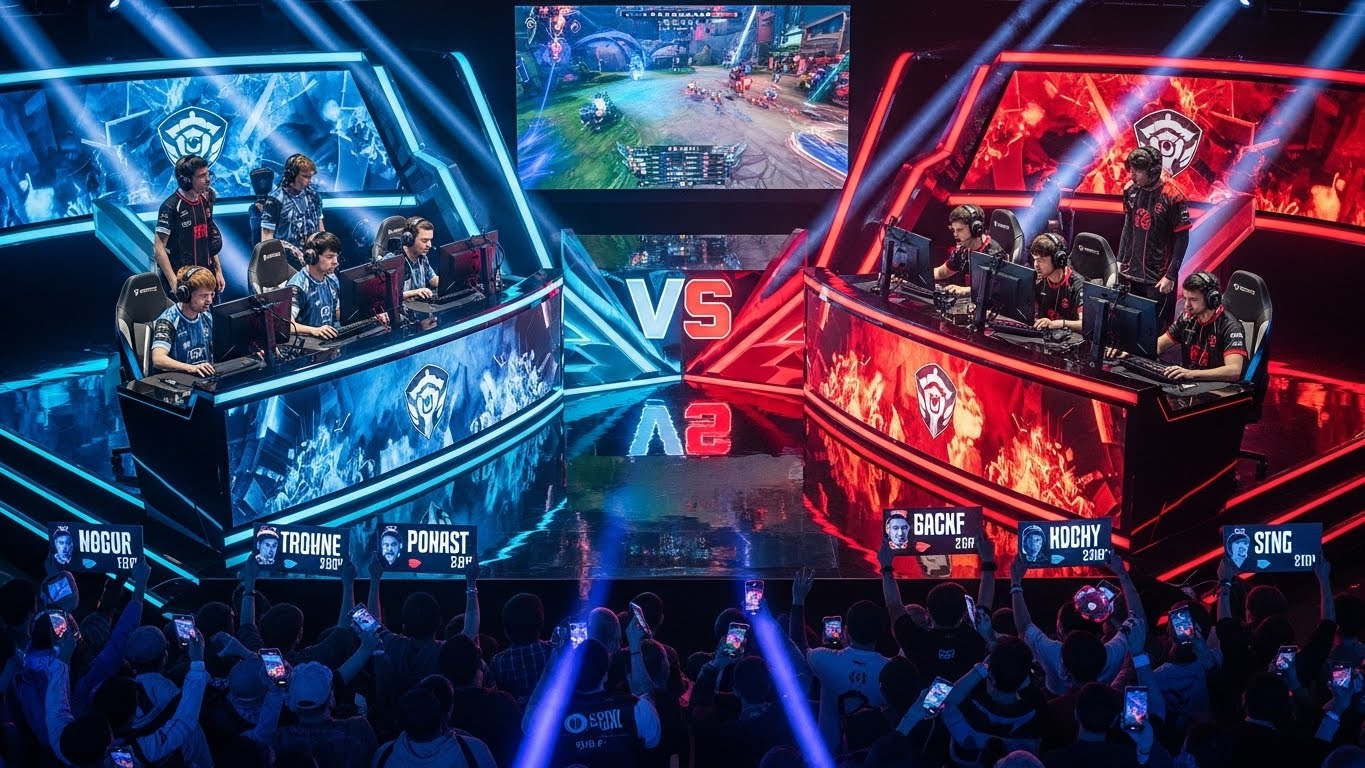
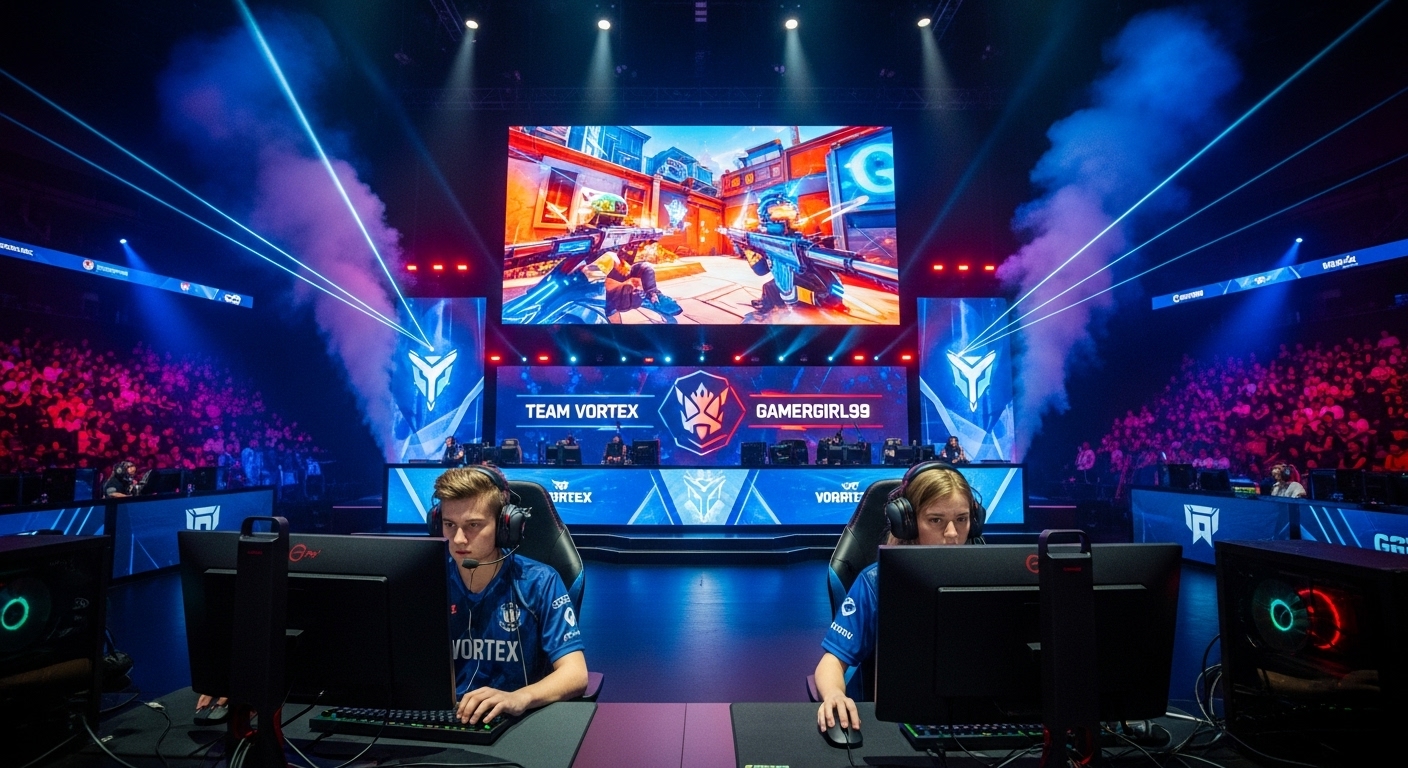
Over the last two decades, the concept of sports has undergone a significant transformation. Beyond traditional fields and courts, competition has found a vibrant home in the digital world. Esports, or competitive video gaming, has emerged as a global phenomenon that captivates millions of players and viewers alike. From humble beginnings as small local contests to multi-million dollar tournaments filling arenas, esports has fundamentally changed how we perceive competition, entertainment, and community.
This blog post explores the origins of esports, its rapid rise in popularity, the ecosystem that supports it, the cultural and economic impact, challenges it faces, and where this vibrant industry might be headed. Through this exploration, we will uncover why esports matters, not just as a pastime, but as a significant cultural force shaping the future.
The Origins of Esports: From Arcades to Online Arenas
The roots of esports can be traced back to the 1970s and 1980s, when video games first started gaining popularity. Early gaming competitions were modest affairs, often held in arcades where players competed for high scores on machines like Pac-Man and Space Invaders. These contests were more about personal achievement than formal competition.
However, the first significant esports tournament is often credited to the 1980 Space Invaders Championship, which attracted thousands of participants and set the stage for competitive gaming. This era marked the beginning of organized competition, but esports remained niche and fragmented.
The 1990s introduced a pivotal change with the rise of PC gaming and the internet. Titles like Doom, Quake, and StarCraft gave birth to local area network tournaments and online matches. Players could now compete against others from distant locations, creating a burgeoning community of competitive gamers.
The Internet Revolution and the Rise of Streaming
The 2000s witnessed a rapid expansion of esports, fueled by advancements in internet infrastructure and the emergence of streaming platforms. Broadband internet allowed seamless live streaming of tournaments, which turned esports into a spectator sport. Fans no longer needed to attend events in person; they could watch their favorite players and teams compete live from anywhere in the world.
This era also saw the birth of major esports titles specifically designed for competition and viewership. Games like League of Legends, Dota 2, and Counter-Strike: Global Offensive became household names. Their developers invested heavily in esports ecosystems, supporting leagues, prize pools, and tournament infrastructure.
Streaming platforms enabled professional players to build personal brands and connect with fans. Influencers and streamers became integral to the culture, blurring the line between competitor and entertainer.
The Esports Ecosystem: Players, Teams, Tournaments, and Fans
At the heart of esports lies a complex ecosystem consisting of multiple stakeholders. Understanding this system is key to appreciating how esports operates on a global scale.
Professional Players
Esports athletes are some of the most skilled and dedicated gamers worldwide. Like traditional sports players, they undergo rigorous training to refine their reflexes, strategies, and teamwork. Training schedules often include hours of gameplay, physical fitness routines, mental conditioning, and reviewing match footage to learn from mistakes.
Players often specialize in a specific game or genre, mastering mechanics and in-game decision-making. Unlike traditional sports, esports careers tend to start early due to the cognitive and reflexive demands, with many pros retiring in their mid-twenties.
Teams and Organizations
Teams function similarly to sports franchises. They recruit talent, provide training facilities, support staff such as coaches and analysts, and manage brand and sponsorship deals. Successful organizations diversify their presence across multiple games to maximize reach and reduce dependency on any single title.
Organizations also emphasize fan engagement through content creation, social media, and merchandise. Building a loyal fanbase is crucial for long-term sustainability.
Tournaments and Leagues
Competitive events are the lifeblood of esports. Formats range from small community tournaments to massive international events hosted in stadiums. These tournaments often feature group stages, playoffs, and grand finals with substantial prize money.
Many esports titles operate franchised leagues with city-based teams and seasonal competitions, providing stability and ongoing engagement. Others maintain open tournament formats where any qualifying team can compete.
Fans and Spectators
Esports has cultivated a passionate global audience. Fans watch matches live, interact with players and commentators on social media, and participate in vibrant online communities. The interactive nature of streaming platforms enhances engagement through chat features, polls, and live reactions.
Fans also contribute to the ecosystem by purchasing merchandise, attending live events, and supporting crowdfunding campaigns for prize pools.
Economic Impact: The Business of Esports
The rapid growth of esports has created a thriving industry generating billions of dollars annually. The financial ecosystem is diverse, fueled by multiple revenue streams.
Sponsorships and Advertising
One of the largest sources of revenue comes from sponsorship deals. Companies ranging from technology brands to consumer goods sponsor teams, tournaments, and leagues. Advertisements are embedded in broadcasts, player jerseys, and event venues.
The involvement of non-endemic sponsors—brands unrelated to gaming—signals esports’ increasing mainstream appeal and commercial viability.
Media Rights and Broadcasting
Tournament organizers monetize through media rights, selling broadcasting privileges to streaming platforms or networks. The professional quality of production, with commentators, analysts, and real-time statistics, elevates the viewing experience and attracts advertisers.
Ticket Sales and Merchandise
Major esports events held in arenas generate revenue through ticket sales. Fans flock to watch live competitions, creating an electrifying atmosphere. Merchandise sales, including apparel and collectibles, supplement income for teams and events.
In-Game Purchases
Many games integrate esports events with in-game content, such as special skins or items tied to tournaments. A portion of these sales often contributes to prize pools or funding esports initiatives.
Investment and Franchise Models
Esports organizations have attracted investments from venture capitalists, celebrities, and traditional sports franchises. Franchised leagues require teams to buy slots, akin to owning sports franchises, providing upfront capital and stability.
Cultural Significance and Societal Impact
Esports has transformed not only how we compete but also how we connect and express identity.
A Global Community
Esports transcends borders and languages, uniting players and fans worldwide. Online platforms foster a sense of community, enabling people from diverse backgrounds to share passion and camaraderie.
At the same time, regional cultures influence gameplay styles and fandom. For example, South Korea is renowned for its disciplined, highly competitive esports scene, while Western audiences often emphasize entertainment and personality-driven content.
Changing Perceptions of Gaming
Once dismissed as mere entertainment or a juvenile pastime, gaming is now increasingly recognized as a serious pursuit demanding skill, strategy, and dedication. Esports’ visibility has helped reduce stigma, opening doors to educational scholarships, professional careers, and even government recognition.
Inclusion and Diversity
While esports faces challenges regarding diversity and inclusivity, progress is being made. Female players, LGBTQ+ participants, and gamers from underrepresented regions are gaining visibility. Initiatives promoting safe and respectful environments aim to combat toxicity and harassment prevalent in online spaces.
Career Opportunities Beyond Playing
The growth of esports has created jobs beyond the players. Careers in coaching, broadcasting, event management, marketing, game development, and analytics offer varied paths within the industry. Educational institutions are beginning to offer esports-related programs, further legitimizing the field.
Challenges Facing the Esports Industry
Despite its success, esports confronts several obstacles that must be addressed for sustainable growth.
Player Health and Burnout
The intense demands placed on players can lead to physical and mental health issues. Repetitive strain injuries, sleep deprivation, stress, and burnout are common concerns. Balancing practice with rest and mental health support is essential but not always prioritized.
Game Lifecycles and Market Volatility
Esports depend heavily on the popularity of individual games. When a game falls out of favor or its developer ceases esports support, teams and players face disruption. Diversification and adaptability are necessary strategies to mitigate this risk.
Regulation and Governance
Unlike traditional sports, esports lacks a centralized governing body. This absence complicates standardizing rules, enforcing anti-cheating measures, managing player contracts, and handling disputes. Industry stakeholders are exploring ways to create fair and transparent systems.
Monetization Ethics
Balancing revenue generation with player and fan interests can be tricky. Concerns about gambling elements, pay-to-win mechanics, or exploitative monetization tactics need ongoing scrutiny to maintain trust.
Infrastructure and Accessibility
In some regions, limited internet access, hardware costs, and lack of organized competitions hinder esports growth. Addressing these barriers is critical for global inclusivity.
The Future of Esports: Trends and Innovations
The esports landscape is dynamic, shaped by technological advances and cultural shifts.
Mobile Esports Expansion
With the proliferation of smartphones and improved mobile internet, mobile esports is booming, particularly in Asia and developing regions. Titles optimized for mobile devices attract millions of players and viewers, representing a major growth area.
Immersive Technologies
Virtual reality and augmented reality hold potential to revolutionize esports by creating immersive competition and spectating experiences. Though in early stages, these technologies could redefine engagement.
Artificial Intelligence and Data Analytics
Teams increasingly use AI-driven tools to analyze gameplay, develop strategies, and scout talent. AI-powered broadcast features also enhance viewer experience with real-time stats and predictions.
Cross-Platform and Cross-Game Play
Interoperability between platforms (PC, console, mobile) and multi-game franchises could create more diverse competitions and larger audiences.
Sustainability and Governance
Expect increased efforts to establish standardized regulations, player protections, and ethical guidelines to ensure the industry’s long-term health.
Conclusion
Esports stands at the intersection of technology, culture, and competition, embodying a new era of entertainment and social connection. Its journey from arcade contests to stadium-filling tournaments illustrates the power of digital innovation to transform human activity.
While challenges remain, the dedication of players, teams, developers, and fans promises a bright future. As esports continues to evolve, it will not only redefine sports but also influence broader cultural and technological landscapes.
Whether you are a casual gamer, a passionate fan, or an industry insider, the world of esports offers an exciting glimpse into how competition and community thrive in the digital age. The digital arena is vast, vibrant, and just beginning to reveal its full potential.