Introduction: More Than Just a Game
Sports have been a part of human civilization since the dawn of time. From the ancient Olympic Games in Greece to modern global events like the FIFA World Cup and the Olympics, sports transcend borders, languages, and cultures. They are not merely about competition; they are a reflection of who we are — our ambitions, our struggles, and our relentless pursuit of excellence.
In every corner of the world, whether it’s children playing barefoot in a dusty field or professionals performing under bright stadium lights, sports bring people together. They are a universal language that speaks to the heart, reminding us that passion, discipline, and teamwork can conquer any challenge.
The Ancient Origins of Sporting Spirit
The earliest records of sports date back thousands of years. Ancient civilizations saw physical contests not only as entertainment but as a means of survival and training. In ancient Greece, sports were intertwined with religion, philosophy, and education. The Olympics, first held in 776 BC, were a celebration of human physical achievement and a way to honor the gods.
Similarly, in ancient Egypt, wrestling, swimming, and javelin throwing were common practices, while the Mayans played a ball game known as “Pitz,” combining physical prowess with ritual significance. These traditions demonstrate that sports have always been a mirror of society — a stage where human potential is tested and celebrated.
The Rise of Modern Sports Culture
Fast forward to the 19th and 20th centuries, sports began to evolve into a structured global phenomenon. The industrial revolution gave birth to organized leagues, standardized rules, and professional athletes. Sports like football, cricket, basketball, and tennis became household names. Stadiums replaced open fields, and fans began to identify passionately with teams and players.
This transformation was not merely about entertainment; it was about identity. Nations began to see sports as a symbol of pride. Victories became moments of national unity, while defeats became opportunities to rebuild and grow stronger. The media revolution of the 20th century — radio, television, and now digital streaming — brought sports into every home, turning players into icons and matches into global events.
The Human Element Behind Every Game
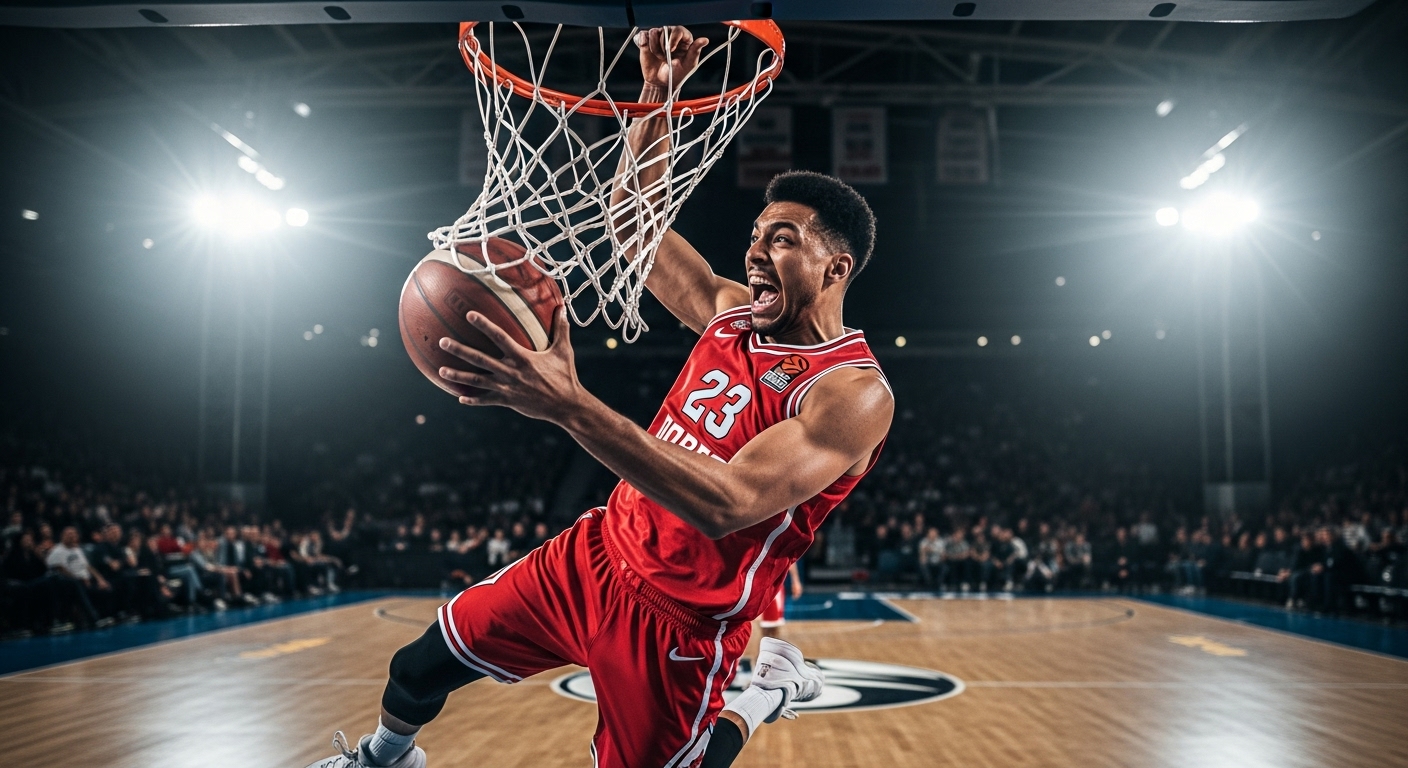
At the heart of every sport lies the human story. It is not the medals or the trophies that make sports immortal — it is the emotions they evoke. The tears of a losing athlete, the roar of the crowd after a last-minute goal, and the silent focus before a decisive serve — these moments remind us of our shared humanity.
Every athlete, from amateur to professional, carries a story of sacrifice. Hours of training, physical exhaustion, injuries, and the constant battle between self-doubt and determination shape their journey. Sports reveal the strength of the human will and the beauty of resilience. They teach us that success is not guaranteed but earned through relentless effort.
The Role of Sports in Shaping Character
Sports are not just about physical ability; they are schools of life. From teamwork to discipline, they cultivate qualities that extend far beyond the playing field. A young player learns how to face defeat with grace, respect an opponent, and work within a team toward a common goal. These values build character, creating individuals who understand that true victory lies in persistence and integrity.
Athletes often serve as role models for society. Their commitment inspires others to overcome personal challenges, set goals, and believe in their potential. Whether it’s a marathon runner pushing past exhaustion or a boxer rising after a knockout, sports teach us that the limits we perceive are often illusions.
Sports and Society: A Reflection of Progress
The evolution of sports mirrors the evolution of society. As the world has become more diverse and inclusive, sports have followed. Today, women’s sports are gaining the recognition they deserve, breaking barriers and rewriting history. Athletes like Serena Williams, Megan Rapinoe, and Simone Biles are not just champions on the field — they are voices for equality and empowerment.
Moreover, sports have become a platform for social change. From anti-racism campaigns to mental health awareness, athletes are using their influence to spark important conversations. When a player kneels for justice or speaks openly about anxiety, it reminds the world that sports are not isolated from reality. They are powerful instruments for awareness and reform.
The Economic and Global Impact of Sports
Sports are not just emotional spectacles; they are economic engines. The global sports industry is worth billions, encompassing broadcasting, sponsorships, merchandise, tourism, and infrastructure. Major events like the Olympics or World Cup generate jobs, boost local economies, and foster international cooperation.
Cities compete to host such events not only for profit but for prestige. Infrastructure development, improved transportation, and international exposure bring lasting benefits. However, these mega-events also raise questions about sustainability, fairness, and the balance between business and ethics in sports.
At the grassroots level, sports stimulate community economies — from local clubs and trainers to sportswear and fitness industries. They promote a healthy lifestyle, reduce healthcare costs, and encourage social engagement.
Technology and the Future of Sports
The 21st century has revolutionized sports through technology. Advanced analytics, wearable devices, virtual reality training, and AI-powered coaching have changed the way athletes prepare and perform. Fans, too, experience sports in new ways — through instant replays, live data, and interactive apps that bring them closer to the action.
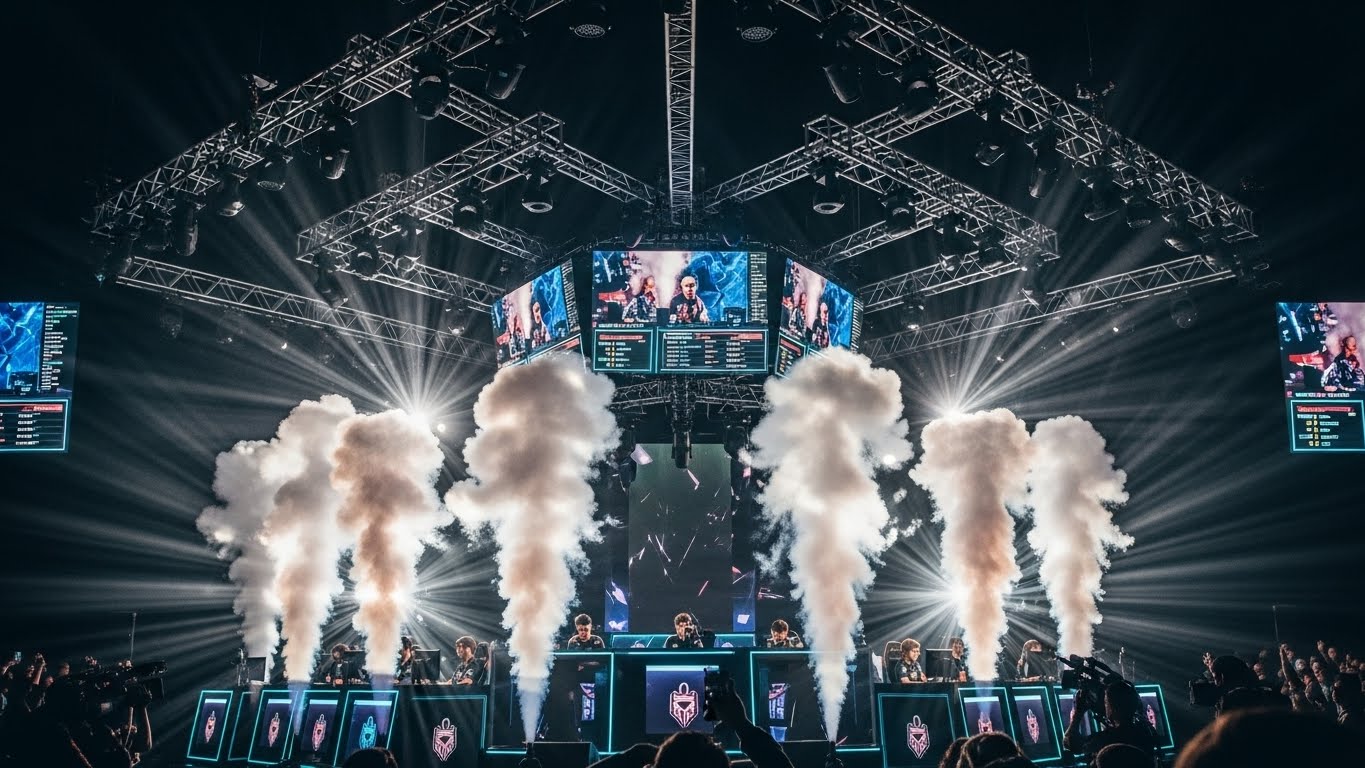
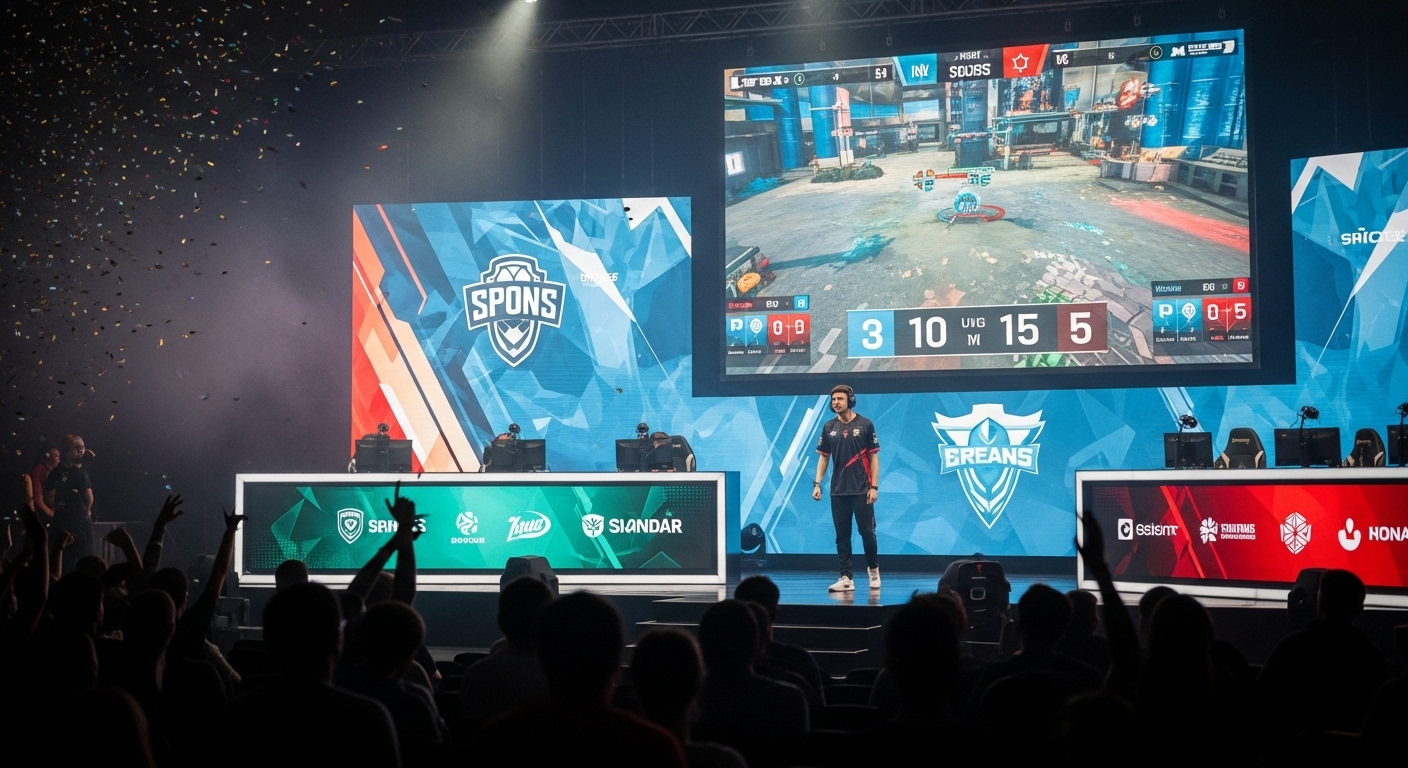
E-sports, or competitive video gaming, has emerged as a modern phenomenon, attracting millions of viewers worldwide. Some argue it challenges traditional notions of athleticism, but there’s no denying its cultural and commercial impact. Technology is not replacing traditional sports; it is expanding the definition of competition and performance.
The future of sports may see virtual arenas, AI referees, and immersive fan experiences — but the core spirit will remain the same: human passion and competition.
The Healing Power of Sports
Sports also hold immense power to heal — both physically and emotionally. They are tools of rehabilitation, recovery, and resilience. For veterans, people with disabilities, and those overcoming trauma, sports provide purpose and confidence. Programs like the Paralympic Games have shown that limitations are not barriers but challenges to redefine strength.
During times of crisis — wars, pandemics, or natural disasters — sports offer a sense of hope and normalcy. The simple act of playing, cheering, or watching a game can lift spirits and restore a sense of community. They remind us that joy can exist even in hardship.
The Dark Side: Pressure, Exploitation, and Corruption
However, not everything in the world of sports shines brightly. The same passion that unites fans can also lead to obsession, exploitation, and corruption. Athletes face immense pressure from media, sponsors, and fans, leading to burnout and mental health struggles. Doping scandals, match-fixing, and political manipulation have occasionally stained the purity of competition.
These issues highlight the need for balance — between ambition and ethics, profit and principle. True sportsmanship is not just about winning; it’s about fairness, respect, and integrity. The world must continue to protect athletes from exploitation and ensure that sports remain a celebration of human excellence, not a market of manipulation.
The Cultural Bond: Sports as a Global Language
Sports speak a language that transcends words. When players from different countries shake hands after a match, it symbolizes peace and unity. Cultural exchange through sports fosters understanding among nations. The World Cup, for instance, brings together people from vastly different backgrounds, creating friendships and shared memories that last a lifetime.
In schools and communities, sports help break barriers of race, religion, and class. A basketball court or a cricket pitch becomes a place where differences fade, and teamwork flourishes. In this sense, sports are not just games; they are instruments of diplomacy, education, and global harmony.
Youth and the Future of Sports
The next generation holds the future of sports in its hands. With growing access to facilities, education, and digital platforms, young athletes today have more opportunities than ever before. But they also face challenges — pressure to perform, limited access in underprivileged regions, and the constant comparison fostered by social media.
Schools and governments must nurture sports as a fundamental right, not a privilege. Investment in youth programs, community coaching, and inclusive spaces ensures that talent is not wasted due to lack of resources. Beyond producing champions, this investment builds healthier, more confident citizens.
Women in Sports: Breaking Boundaries
For centuries, women were excluded or marginalized in competitive sports. Today, that narrative is changing. From the dominance of female tennis players to the courage of women’s football teams demanding equal pay, a new era of empowerment has begun. Sports have become a battleground for gender equality, showing that determination and skill know no gender.
The rise of female athletes has also inspired millions of young girls to dream big. It challenges stereotypes and creates role models who embody courage, intelligence, and leadership. The journey is far from over, but every victory — big or small — brings society one step closer to equality.
Sports and Education: Building the Whole Individual
Education and sports go hand in hand. Physical activity enhances mental performance, discipline, and emotional balance. Schools that integrate sports into their curriculum produce students who are not only academically competent but also resilient and socially aware.
Team sports teach communication, cooperation, and conflict resolution. Individual sports, like running or swimming, build self-motivation and focus. Together, they prepare young minds for the complexities of adult life. The classroom may sharpen intellect, but the playground shapes character.
The Emotional Bond Between Fans and Sports
Fans are the heartbeat of sports. Their chants, flags, and unwavering support transform stadiums into living organisms. The connection between fans and their favorite teams often runs deeper than loyalty — it becomes part of identity, heritage, and family tradition.
The emotions of victory and defeat are shared collectively. When a team wins, the joy is communal; when it loses, the disappointment unites rather than divides. This shared experience is what makes sports magical — they turn individuals into communities and communities into families.
The Spiritual Side of Sports
At its deepest level, sports can also be spiritual. The focus, dedication, and mindfulness required mirror ancient practices of meditation and discipline. Athletes often describe entering a “flow state” — a moment where time slows, and mind and body unite perfectly. This transcendence connects sports to the essence of human consciousness.
In this way, sports remind us of balance — between body and soul, effort and surrender, competition and peace. The lessons learned in training and competition often translate into life philosophy.
Conclusion: The Eternal Flame of Sports
Sports are far more than physical contests; they are reflections of humanity’s best and worst qualities, triumphs and trials. They embody courage, unity, and perseverance — values that define us as a species. From the cheers of a local game to the roar of a global championship, sports continue to inspire, teach, and unite.
In a world often divided by politics, culture, and ideology, sports offer common ground. They show that despite our differences, we share the same heartbeat when the whistle blows, the same thrill when victory is near, and the same humility when defeat teaches us grace.
The timeless power of sports lies not in records or medals but in the human spirit it ignites. As long as we chase dreams, seek connection, and strive to better ourselves, sports will remain our most universal expression of hope, resilience, and joy.