Introduction: The Rise of a New Kind of Sport
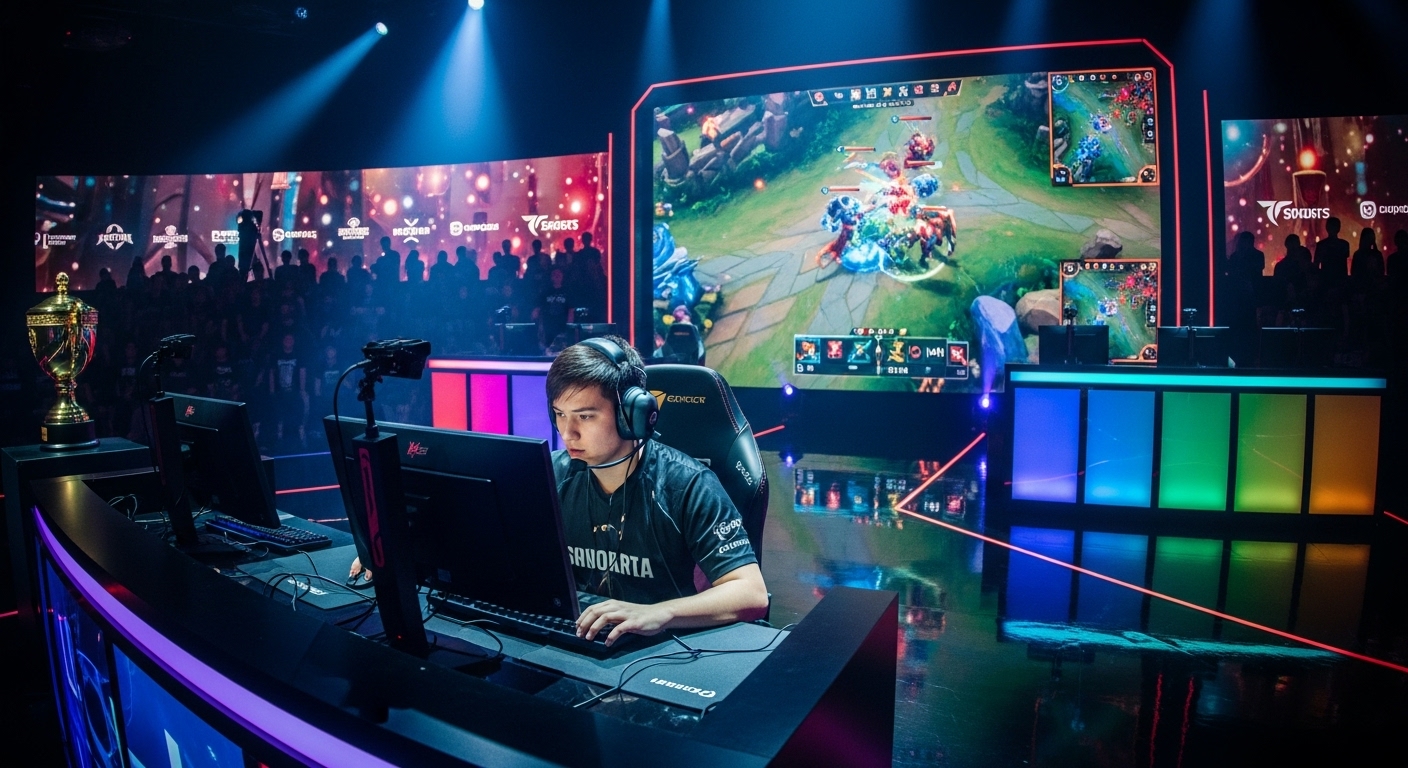
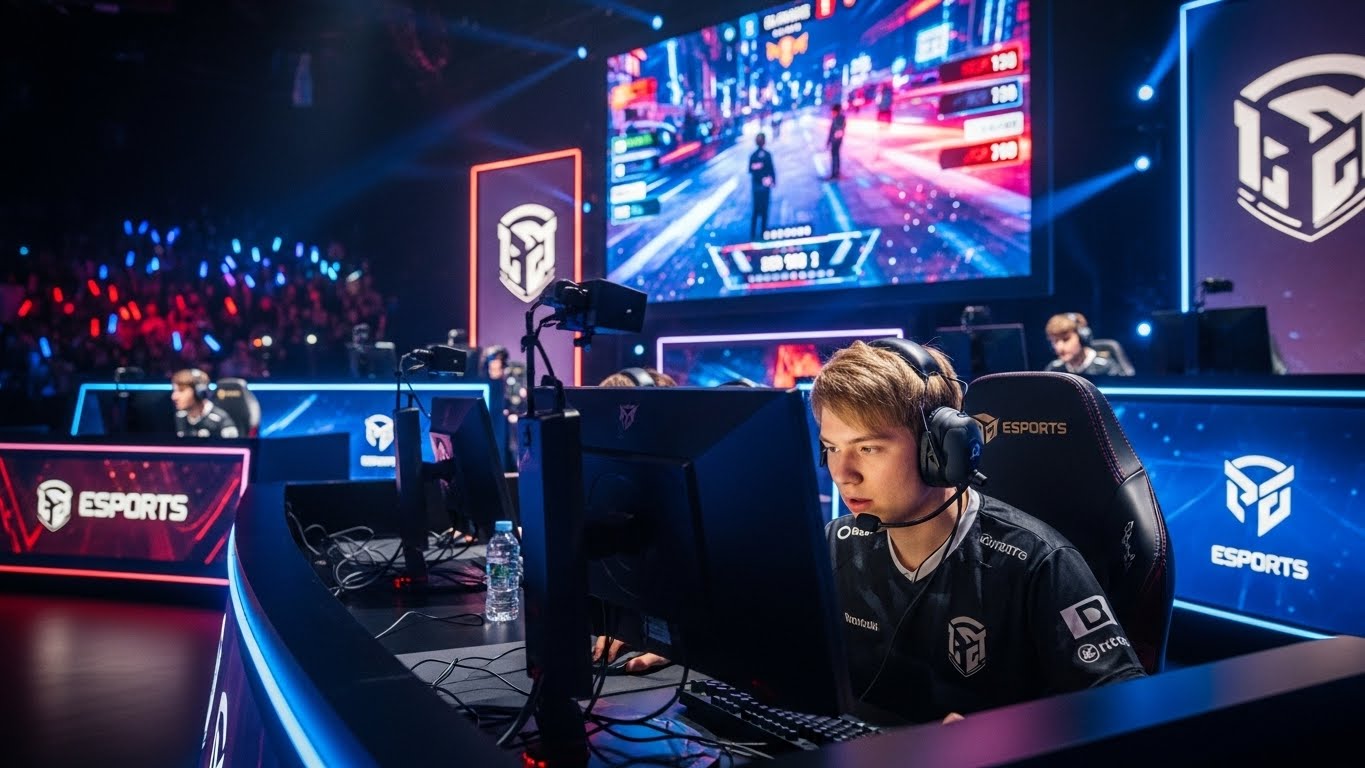
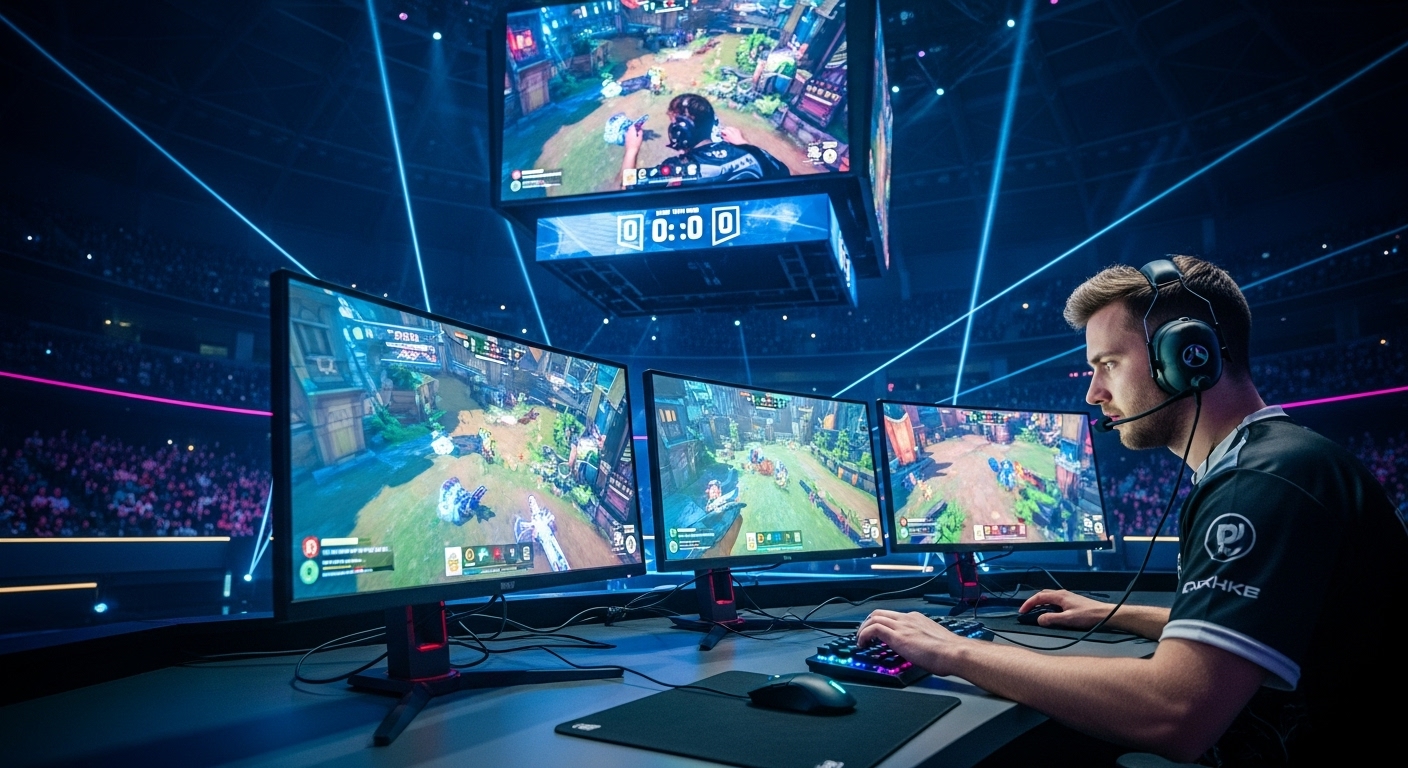
Esports, short for electronic sports, has evolved far beyond casual gaming. It has become a global phenomenon where players compete at the highest level, drawing millions of viewers and creating new career opportunities. What once was a hobby in basements and arcades has grown into professional leagues, major tournaments, and a thriving entertainment industry.
The Evolution of Esports
Competitive gaming began in the 1980s with arcade competitions and local tournaments. Over time, the rise of personal computers, gaming consoles, and internet connectivity fueled the growth of esports. Today, games like League of Legends, Dota 2, Fortnite, and Counter-Strike have become professional sports with structured leagues, sponsorships, and dedicated fan bases. Teams operate like traditional sports clubs, complete with coaches, analysts, and rigorous training schedules.
Global Popularity and Cultural Impact
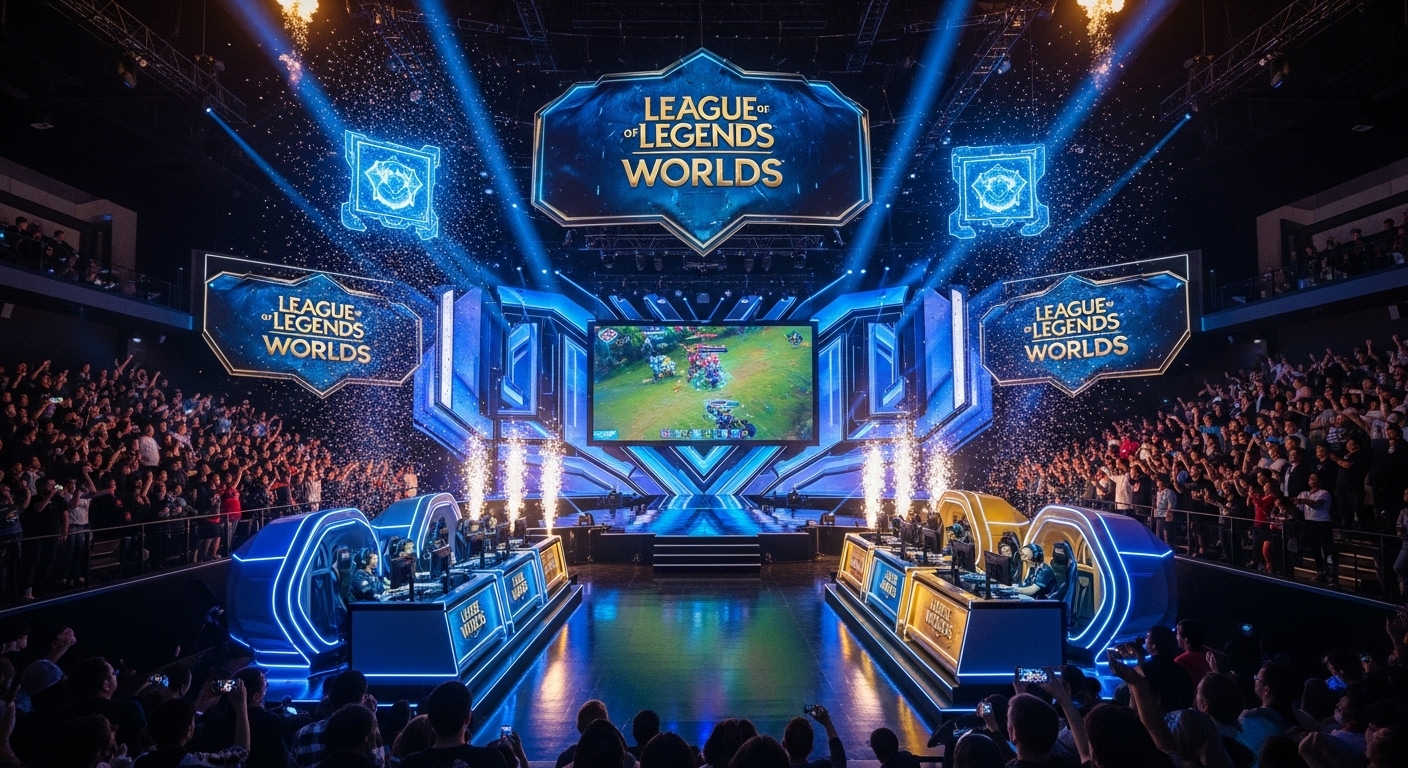
Esports has a worldwide audience, attracting fans from every corner of the globe. Major tournaments now fill arenas and draw millions of online viewers, rivaling traditional sporting events in scale and excitement. Streaming platforms allow fans to engage in real-time, creating interactive communities where strategies, highlights, and personalities are shared and celebrated. The culture surrounding esports is not only about gaming but also about social connection, creativity, and entertainment.
Economic Significance
The esports industry is booming financially. Revenue streams include tournament winnings, sponsorships, merchandise, advertising, and content creation. Top players earn significant salaries, while brands see esports as a prime opportunity to reach younger audiences. Beyond players, the ecosystem provides career opportunities in event management, content creation, marketing, coaching, and broadcasting, making esports a multifaceted industry with long-term potential.
Challenges in Esports
Despite its rapid growth, esports faces challenges. Critics question whether gaming should be classified as a sport. Players often encounter issues like mental stress, burnout, and physical strain due to long practice hours. Furthermore, maintaining fair play and competitive integrity is crucial as tournaments and online platforms continue to expand. Addressing these challenges is essential for sustaining the health and growth of the industry.
The Future of Competitive Gaming
The future of esports looks promising and innovative. Emerging technologies like virtual reality and artificial intelligence are transforming gameplay and viewer experiences. Educational institutions are beginning to recognize esports programs, offering scholarships and training pathways for aspiring players. As more countries and organizations invest in esports, it is likely to become an even more integrated part of mainstream entertainment and sports culture.
Conclusion: More Than Just a Game
Esports represents skill, strategy, and dedication in the digital era. It has evolved into a global cultural phenomenon that entertains, inspires, and creates opportunities. Far from being just a pastime, esports is reshaping how we view competition, teamwork, and the future of sports in the 21st century.