Introduction
Esports, or electronic sports, represents one of the most fascinating cultural and technological revolutions of the twenty-first century. What was once dismissed as a niche pastime for gamers has evolved into a multi-billion-dollar global industry. It has redefined entertainment, competition, and even the meaning of athleticism itself. Today, esports stands shoulder to shoulder with traditional sports, attracting millions of spectators, lucrative sponsorships, and professional players who have become celebrities in their own right. The journey of esports is not only about games; it is a story of innovation, community, and the human desire for mastery.
The Origins of Competitive Gaming
The concept of competitive gaming predates the term “esports” by several decades. In the early 1970s, computer scientists and hobbyists organized informal contests in university labs, pitting players against one another in simple games like Spacewar. One of the first recorded gaming competitions took place at Stanford University in 1972, where students competed for a year’s subscription to Rolling Stone magazine. Though small and experimental, that event planted the seed for what would eventually become a global movement.
As the 1980s arrived, the arcade era began, and competitive gaming started to gain traction among the public. Arcades became social hubs where players tried to outscore one another in titles like Pac-Man, Donkey Kong, and Space Invaders. Leaderboards displayed the top players, fueling local rivalries and personal ambition. This decade also saw the birth of televised gaming competitions, such as the Nintendo World Championships, which brought players from across the country together to test their skills. Even at that early stage, gaming proved its power to unite people under a shared passion for digital competition.
The Rise of Online Play
The 1990s were transformative for gaming because they marked the rise of the internet and the birth of networked multiplayer experiences. With the spread of home computers and local area networks, gamers could finally compete with opponents beyond their immediate surroundings. Titles like Doom, Quake, and StarCraft laid the foundation for what would become the esports scene. Quake tournaments, in particular, became legendary, as players traveled across countries to prove their dominance in fast-paced, skill-intensive matches.
South Korea emerged as a pioneer in organized esports during this period. The country invested heavily in broadband infrastructure, and gaming cafés, known as PC bangs, became cultural landmarks. StarCraft: Brood War became the centerpiece of South Korean esports, and professional leagues began to form, complete with teams, sponsorships, and televised matches. For the first time, gaming was seen not merely as entertainment but as a legitimate competitive pursuit that could offer a career path for talented individuals. The rest of the world watched as South Korea demonstrated what esports could become when given institutional support.
The Explosion of the 2000s
The early 2000s marked a new era of growth and globalization for esports. Games like Counter-Strike, Warcraft III, and Dota captured the attention of millions of players worldwide. Online platforms such as Battle.net and emerging streaming technologies allowed players to connect and spectate in ways never before possible. Competitive gaming leagues, including the Cyberathlete Professional League (CPL) and Major League Gaming (MLG), began to organize structured tournaments with substantial prize pools.
For many, this decade was when esports truly became professionalized. Teams gained sponsorship deals, players signed contracts, and dedicated training facilities began to appear. Esports began to resemble traditional sports in its organization and its demand for discipline, strategy, and teamwork. The skills required to excel went far beyond reflexes; successful teams studied game mechanics, psychology, and communication. Coaches and analysts became integral members of the esports ecosystem, ensuring that teams could perform at the highest level.
Streaming and the Democratization of Esports
The introduction of streaming platforms in the late 2000s changed everything. Services such as Twitch gave players, teams, and fans a new medium through which they could share their love for games. Suddenly, anyone with an internet connection could broadcast their gameplay, watch live tournaments, and interact directly with the esports community. This accessibility shattered the barriers that had once separated professional players from their audiences.
Streaming democratized esports, allowing grassroots communities to flourish. Independent organizers could host online tournaments, and new stars could emerge from virtually anywhere in the world. It also provided a sustainable business model for players and content creators, as they could monetize their streams through subscriptions, donations, and sponsorships. The culture of esports became deeply intertwined with the culture of streaming, leading to the rise of personalities who blurred the line between athlete and entertainer.
The Cultural Impact of Esports
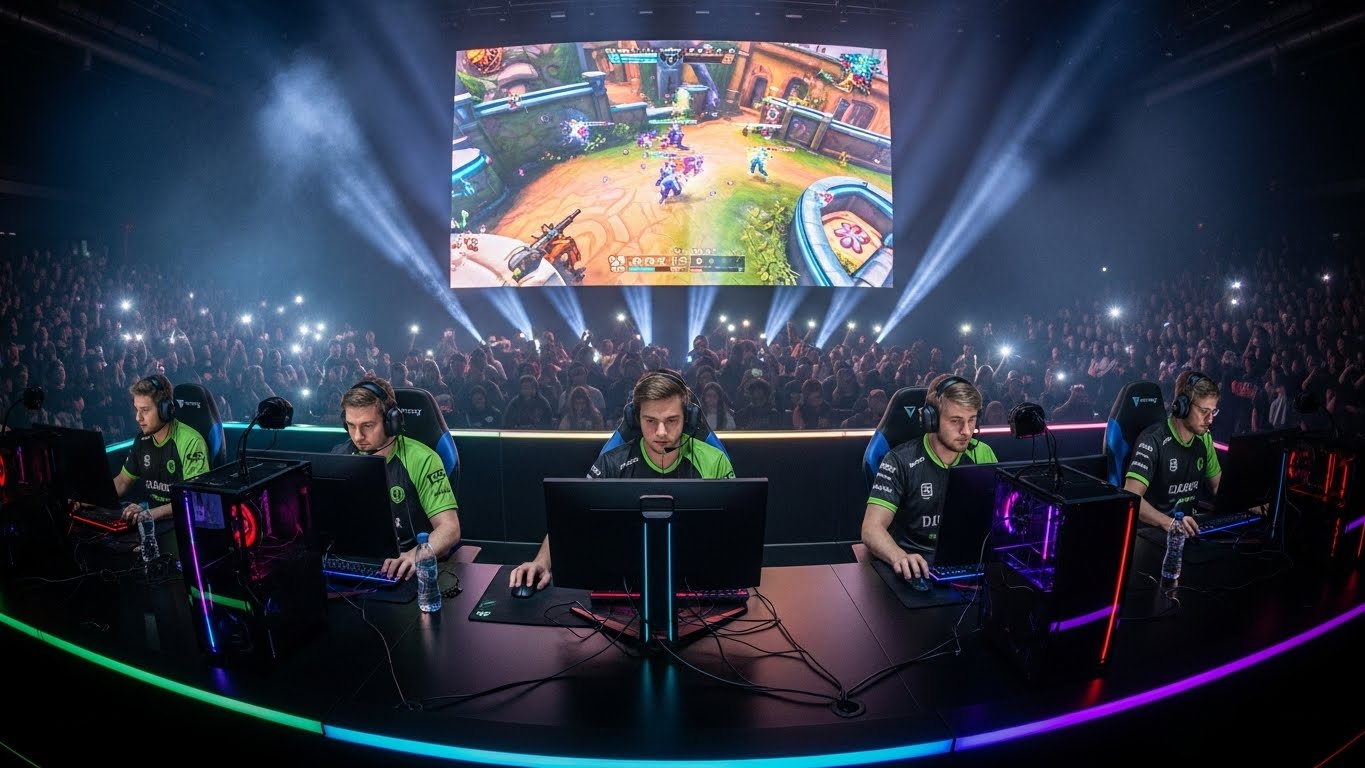
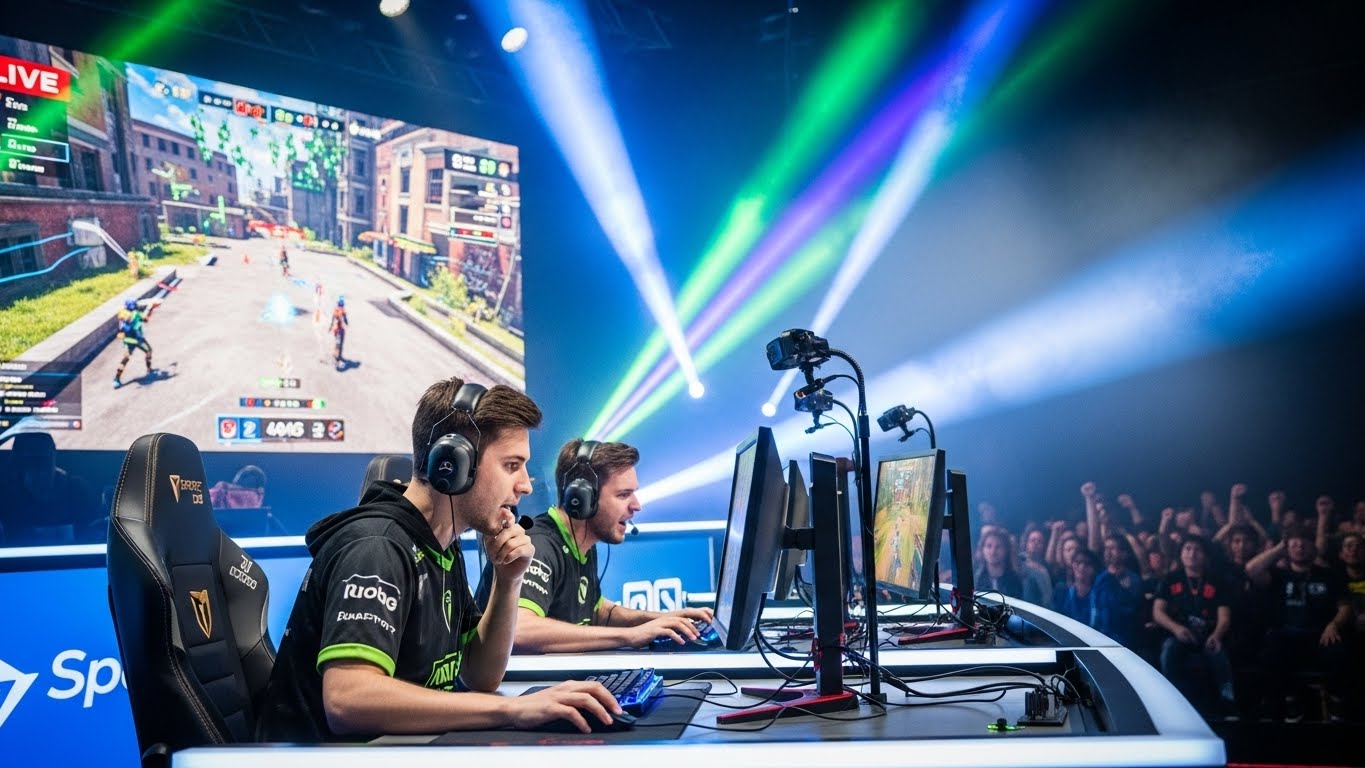
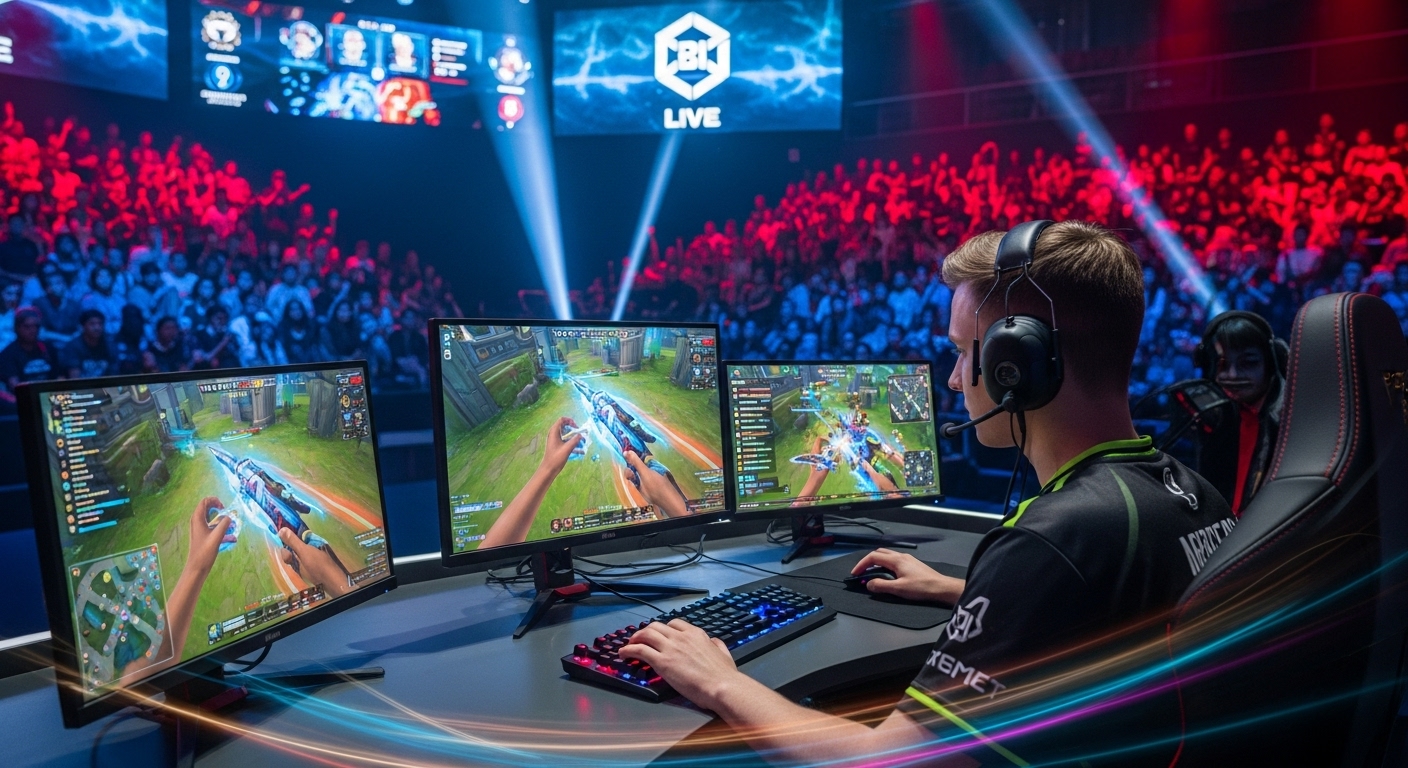
Esports is not just a competition; it is a cultural movement that reflects the values and aspirations of a digital generation. It has created its own ecosystem of slang, fashion, and lifestyle. The aesthetics of gaming—headsets, RGB lighting, gaming chairs—have become symbols of modern identity. Esports athletes have become role models, inspiring millions of fans not only to play but to pursue excellence in whatever they do.
Furthermore, esports has challenged the traditional notions of what it means to be an athlete. Critics once argued that sitting in front of a screen could never compare to physical sports, but that perception has evolved. Today, esports players are recognized for their intense mental focus, reflexes, and strategic thinking. Many undergo rigorous physical training, dietary plans, and psychological conditioning to maintain peak performance. Just as traditional athletes train their bodies, esports athletes train their minds and coordination to an extraordinary degree.
The Role of Technology in Esports Evolution
Technology is the backbone of esports, driving every aspect of its development. From faster processors and graphics cards to more responsive peripherals and higher refresh-rate monitors, technological advancement has continually enhanced the quality of play and viewing experiences. Virtual reality and augmented reality are on the horizon, promising even more immersive forms of competition.
Moreover, the development of online infrastructures and matchmaking systems has made global play seamless. Artificial intelligence is also beginning to influence esports, with AI tools used to analyze player performance, strategize gameplay, and even create training simulations. The integration of technology ensures that esports remains a dynamic and ever-evolving field, always pushing the boundaries of what digital competition can achieve.
The Business of Esports
Behind the excitement and spectacle, esports is also a massive business enterprise. The industry now includes teams, tournament organizers, sponsors, advertisers, game developers, and media rights holders. Global tournaments such as The International for Dota 2 or the League of Legends World Championship offer multi-million-dollar prize pools, while sponsors from major industries invest heavily in branding and advertising opportunities. Esports arenas have been built in major cities, hosting live events that draw tens of thousands of spectators.
Merchandise, streaming revenue, and franchising models have made esports financially sustainable. Some teams operate like traditional sports franchises, complete with training academies, fan clubs, and dedicated management teams. Game developers, too, recognize the marketing power of esports. Titles like Fortnite, Valorant, and Apex Legends are designed with competitive play in mind, ensuring ongoing player engagement and community growth. The symbiotic relationship between developers and the esports scene ensures that both thrive in tandem.
The Globalization of Esports
One of the most striking aspects of esports is its universal appeal. Unlike traditional sports, which often have regional or cultural barriers, esports transcends geography. Players from any corner of the world can compete on equal footing, united by a shared digital language. This global inclusivity has allowed esports to grow in markets across Asia, Europe, North America, and beyond. Countries like China have embraced esports at a governmental level, integrating it into national development strategies and even recognizing it as an official profession.
International tournaments have further fostered cultural exchange, as players from diverse backgrounds compete and collaborate. Esports events are not merely contests of skill but celebrations of creativity and community. They showcase the potential of digital spaces to bridge differences and create shared experiences in an increasingly divided world.
The Educational and Social Dimensions of Esports
Esports has also begun to enter the world of education. Schools and universities now offer esports scholarships, recognizing the discipline, teamwork, and leadership that competitive gaming cultivates. Academic programs have emerged to study esports management, psychology, and marketing. This integration into education demonstrates the growing legitimacy of esports as both a career path and a subject of intellectual inquiry.
Socially, esports provides a sense of belonging for many who may not find it in traditional sports or communities. Online teams and fan groups form strong bonds that transcend physical distance. For younger generations, esports offers a platform to develop communication skills, problem-solving abilities, and confidence. While there are concerns about screen time and gaming addiction, when approached responsibly, esports can foster creativity, collaboration, and personal growth.
Challenges and Controversies
Despite its many successes, the esports industry is not without its challenges. Player burnout, mental health struggles, and the lack of standardized regulations remain pressing issues. The fast-paced nature of the industry often leads to intense pressure on players, some of whom retire at an early age due to stress or physical strain. Match-fixing, cheating, and doping scandals have also tarnished the image of certain events, highlighting the need for stronger oversight and integrity measures.
Gender inequality is another significant concern. While there are many talented female players and commentators, women in esports often face harassment and discrimination. However, initiatives promoting inclusivity and diversity are beginning to reshape the landscape. Organizations and advocacy groups are working to create safer, more welcoming spaces for all participants, emphasizing respect and equality as core values of the esports community.
The Future of Esports
The future of esports looks incredibly promising. With the continued convergence of technology, entertainment, and sports, esports is poised to expand even further. Virtual reality competitions could offer unprecedented immersion, while mobile esports are already bringing competitive gaming to new audiences across developing regions. The possibility of esports being included in major international sporting events, such as the Olympics, reflects its growing recognition on the world stage.
In the coming years, we can expect to see more integration between esports and mainstream media, as well as collaborations with fashion, music, and film industries. The boundary between physical and digital entertainment will continue to blur, and esports will play a central role in shaping that hybrid future. For the younger generation, esports is not just a pastime—it is a career, a culture, and a way of life.
Conclusion
Esports represents the convergence of play, technology, and competition in a way that defines the modern era. It began as a humble experiment in local arcades and university labs but has evolved into a cultural and economic force that spans the globe. It unites players, fans, and creators in a shared experience of skill, passion, and community. Like any sport, it celebrates human excellence—but it also reflects the digital age’s creativity, diversity, and connectivity.
The story of esports is far from over. Every tournament, every new champion, and every innovation adds another chapter to its evolution. As technology advances and society continues to embrace digital culture, esports will remain at the forefront of entertainment and expression. What began as a game has become a movement—and in that transformation lies the enduring power of human imagination.