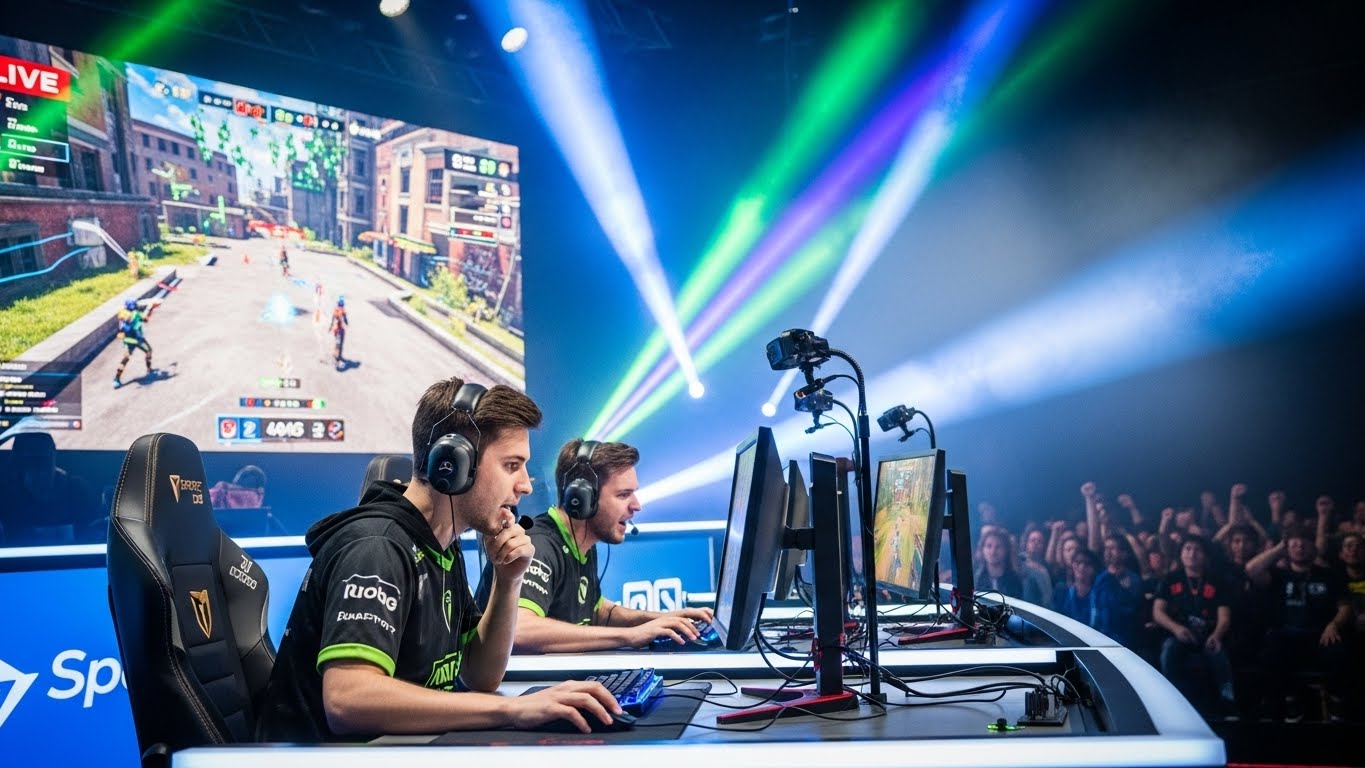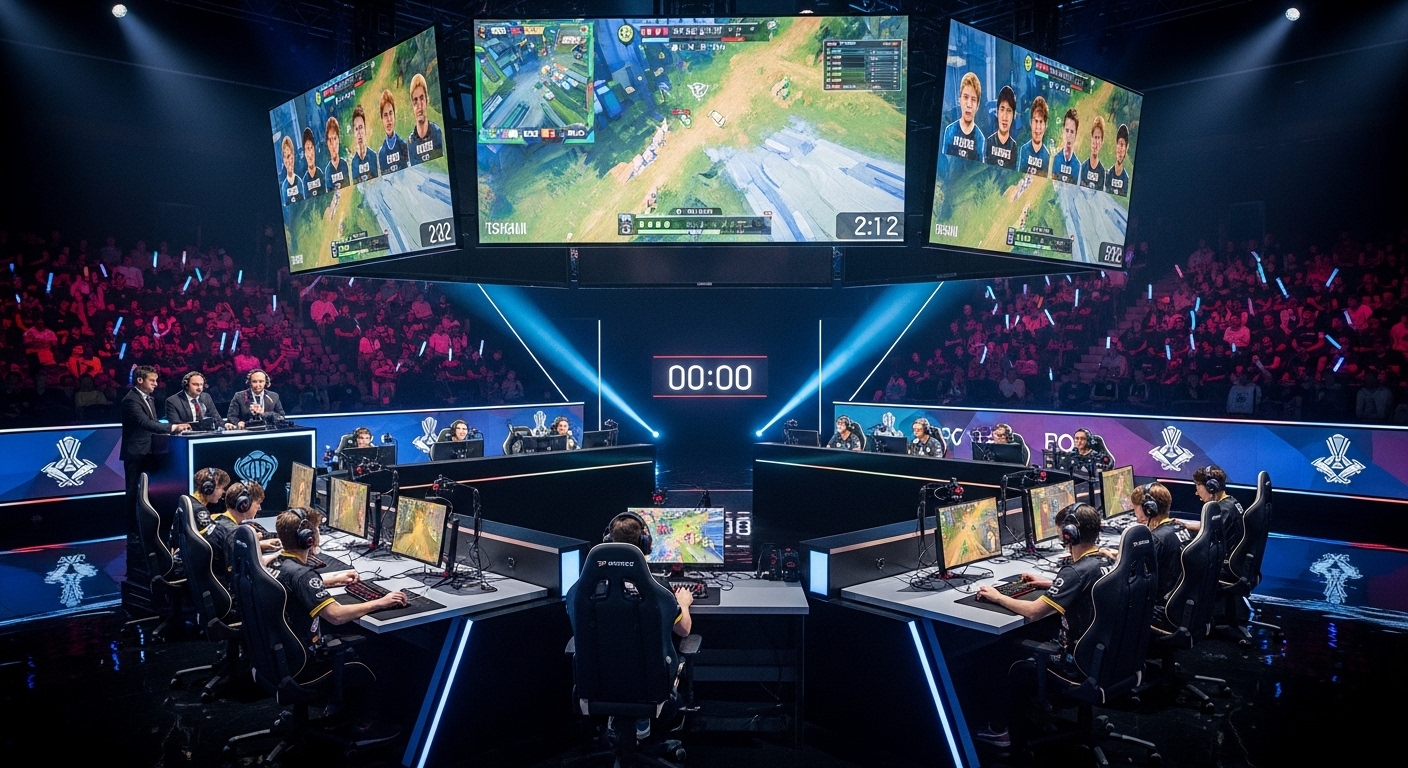
Esports, short for electronic sports, has become a dominant force in the global entertainment industry. It refers to competitive gaming, where individuals or teams compete in video games for prizes, glory, and recognition. Over the past few decades, esports has grown from humble beginnings to a global phenomenon, with millions of players, fans, and viewers worldwide. In this blog post, we will explore the evolution of esports, its impact on gaming culture, its transition from casual hobby to professional sport, and what the future holds for this rapidly growing industry.
The Origins of Esports: From Casual Play to Competitive Gaming
The roots of esports can be traced back to the early days of video gaming. In the 1970s and 1980s, arcades were the centers of gaming culture. Competitive play in these spaces often involved local tournaments, where players competed to achieve the highest score on popular games like Pong, Space Invaders, and Pac-Man. However, these early competitions were relatively small in scale and lacked the structure that would come to define modern esports.
One of the first true competitive gaming events that resembled today’s esports tournaments occurred in 1980 with the Space Invaders Championship, hosted by Atari. The event attracted over 10,000 participants, setting the stage for larger and more organized competitions in the years to come. As technology improved and the gaming industry grew, more sophisticated multiplayer games began to emerge, giving birth to a new wave of competitive gaming.
The Rise of LAN Tournaments and Online Play
As the internet became more accessible in the late 1990s and early 2000s, esports began to evolve from localized competitions to global tournaments. One of the key developments that helped fuel this transition was the advent of LAN (Local Area Network) tournaments. LAN events allowed players to compete in the same physical location, connecting their computers or consoles to a network, which led to high-speed, real-time gameplay. These tournaments brought players together in a social setting, fostering community engagement and providing a platform for competitors to showcase their skills.
Games like StarCraft, Quake, and Counter-Strike were among the first to gain widespread popularity in LAN tournaments. The global appeal of these games was amplified by the rise of online play, which allowed players to compete against each other regardless of their geographical location. This shift opened up the possibility for larger-scale competitions and paved the way for the esports industry we see today.
The late 1990s and early 2000s also saw the rise of major gaming leagues, such as the Cyberathlete Professional League (CPL) and the World Cyber Games (WCG), which played a crucial role in the formalization of competitive gaming. These leagues provided players with opportunities to earn recognition and prizes for their skills, while simultaneously attracting sponsors and advertisers, laying the groundwork for esports as an industry.
The Professionalization of Esports: The Birth of Esports Organizations
As competitive gaming grew in popularity, it began to attract serious attention from sponsors, media companies, and investors. In the mid-2000s, esports organizations began to form, creating a more structured and professional environment for competitive players. These organizations helped foster the growth of esports by providing players with coaching, sponsorship deals, and platforms for competing in high-stakes tournaments.
One of the most influential organizations in the early days of professional esports was Team Liquid, which was founded in 2000 and initially focused on StarCraft and WarCraft tournaments. Team Liquid played a pivotal role in the development of esports by helping to shape the competitive scene and providing a platform for players to gain recognition. Over the years, many other esports organizations followed suit, creating teams for various games and securing sponsorships from major brands like Intel, Coca-Cola, and Samsung.
The rise of streaming platforms like Twitch in the early 2010s further accelerated the professionalization of esports. Twitch allowed players to broadcast their gameplay live, attracting massive audiences and making it possible for esports events to be streamed online to millions of viewers worldwide. This shift from traditional media to digital platforms marked a turning point for esports, making it more accessible to fans and enabling players to gain a larger following.
The Explosion of Esports Viewership: A Global Phenomenon
Esports has not only seen a surge in player participation, but it has also experienced exponential growth in viewership. Major tournaments, such as The International for Dota 2 and the League of Legends World Championship, now attract millions of viewers from around the globe. The increasing popularity of these events has led to the growth of esports as a spectator sport, with many fans watching tournaments from the comfort of their homes or attending live events in massive arenas.
The rise of esports viewership can be attributed to several factors, including the accessibility of streaming platforms, the global popularity of games like League of Legends, Fortnite, CS:GO, and Overwatch, and the increasing mainstream acceptance of gaming as a form of entertainment. These factors have helped establish esports as a legitimate form of competition, on par with traditional sports like basketball, football, and soccer.
Additionally, esports events are now being broadcast on major television networks, further solidifying the industry’s status as a mainstream entertainment option. For example, ESPN, which is traditionally known for covering traditional sports, has begun airing esports competitions, attracting a new audience and increasing the legitimacy of competitive gaming.
Esports as a Career: The Rise of Professional Players and Influencers
In the past, competitive gamers were often seen as hobbyists who played for fun or recognition rather than a career. However, as the esports industry has grown, so too has the potential for gamers to make a living from their skills. Today, many professional players are able to earn significant income from tournament winnings, sponsorship deals, streaming, and content creation.
The emergence of esports organizations has played a key role in professionalizing the careers of players. These organizations not only provide players with the resources and support they need to succeed but also offer them financial backing through sponsorships and team salaries. As a result, top-tier players can now make a substantial living from esports, with some players earning millions of dollars annually through tournament prizes and sponsorships.
Streaming platforms like Twitch and YouTube have also opened up new revenue streams for esports players. Many professional players now supplement their income by streaming their gameplay live, interacting with fans, and creating content for their audiences. This shift has allowed players to build personal brands, amass large followings, and become influencers within the gaming community. The popularity of esports influencers has further fueled the growth of esports as a cultural phenomenon.
The Business Side of Esports: Sponsorships, Merchandise, and Media Deals
Esports has become a multi-billion-dollar industry, with major companies from a variety of sectors eager to get involved. Sponsorships from technology companies, beverage brands, and even traditional sports franchises have become a key revenue stream for esports organizations and players. Companies like Intel, Coca-Cola, Red Bull, and Nike have all invested heavily in esports, helping to fund tournaments, events, and teams.
In addition to sponsorships, esports organizations also generate revenue through merchandise sales. Branded apparel, team jerseys, and gaming peripherals have become a lucrative market for esports organizations, with fans eager to support their favorite teams and players. This has led to the creation of online stores and merchandise partnerships, further solidifying the financial stability of esports organizations.
Esports has also attracted significant media attention, with major broadcasting companies like ESPN, Turner Sports, and Disney making deals to air esports content. This has allowed the industry to expand beyond digital streaming platforms and into traditional television and cable networks. Media deals have helped to bring esports to a wider audience and have increased the legitimacy of competitive gaming as a form of entertainment.
The Future of Esports: Innovation and Expansion
As esports continues to grow, the future of the industry looks incredibly promising. One of the key trends that is likely to shape the future of esports is the integration of emerging technologies such as virtual reality (VR) and augmented reality (AR). These technologies have the potential to revolutionize how esports events are played and experienced, creating new opportunities for innovation and engagement.
Furthermore, the expansion of esports into new regions and markets is expected to fuel further growth. In regions like Asia, Latin America, and Africa, esports is experiencing rapid adoption, with new tournaments, teams, and players emerging all the time. As esports continues to break down cultural and geographical barriers, it is poised to become a truly global phenomenon, with fans and players from all corners of the world.
The continued development of esports as a career and lifestyle is another factor that will shape the industry’s future. As more players and content creators enter the scene, the esports ecosystem will continue to evolve, with new revenue streams, partnerships, and opportunities for personal and professional growth.
Conclusion: Esports as a Cultural and Economic Force
Esports has come a long way since its humble beginnings in arcades and LAN tournaments. Today, it stands as a global cultural and economic force, with millions of players, fans, and viewers participating in the competitive gaming scene. From professional leagues and tournaments to streaming platforms and sponsorship deals, esports has transformed into a thriving industry that continues to push the boundaries of what is possible in gaming.
As we look to the future, it is clear that esports will continue to evolve and expand, offering new opportunities for players, fans, and businesses alike. With emerging technologies, expanding global markets, and an ever-growing fanbase, the world of esports is poised to reach even greater heights in the years to come. Whether you’re a casual gamer, a professional player, or a passionate fan, one thing is certain: esports is here to stay.