Introduction
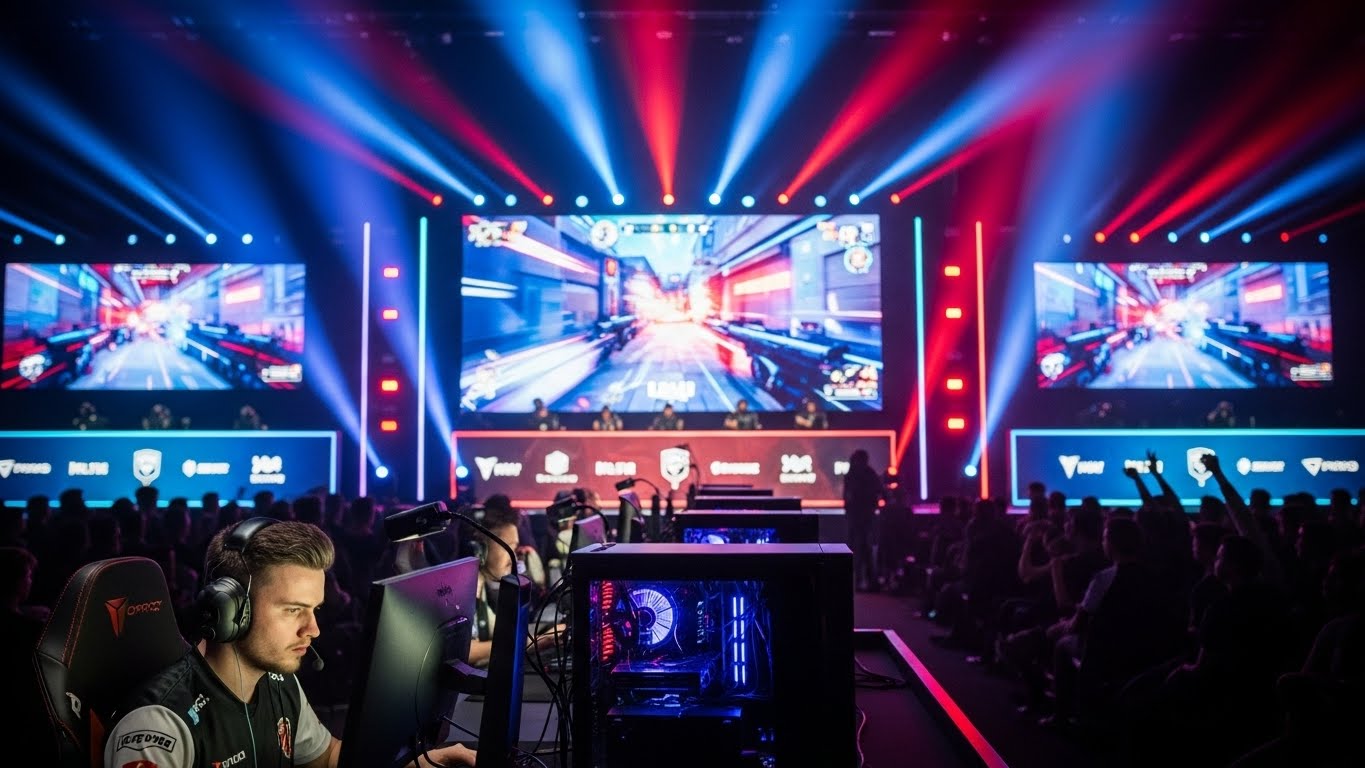
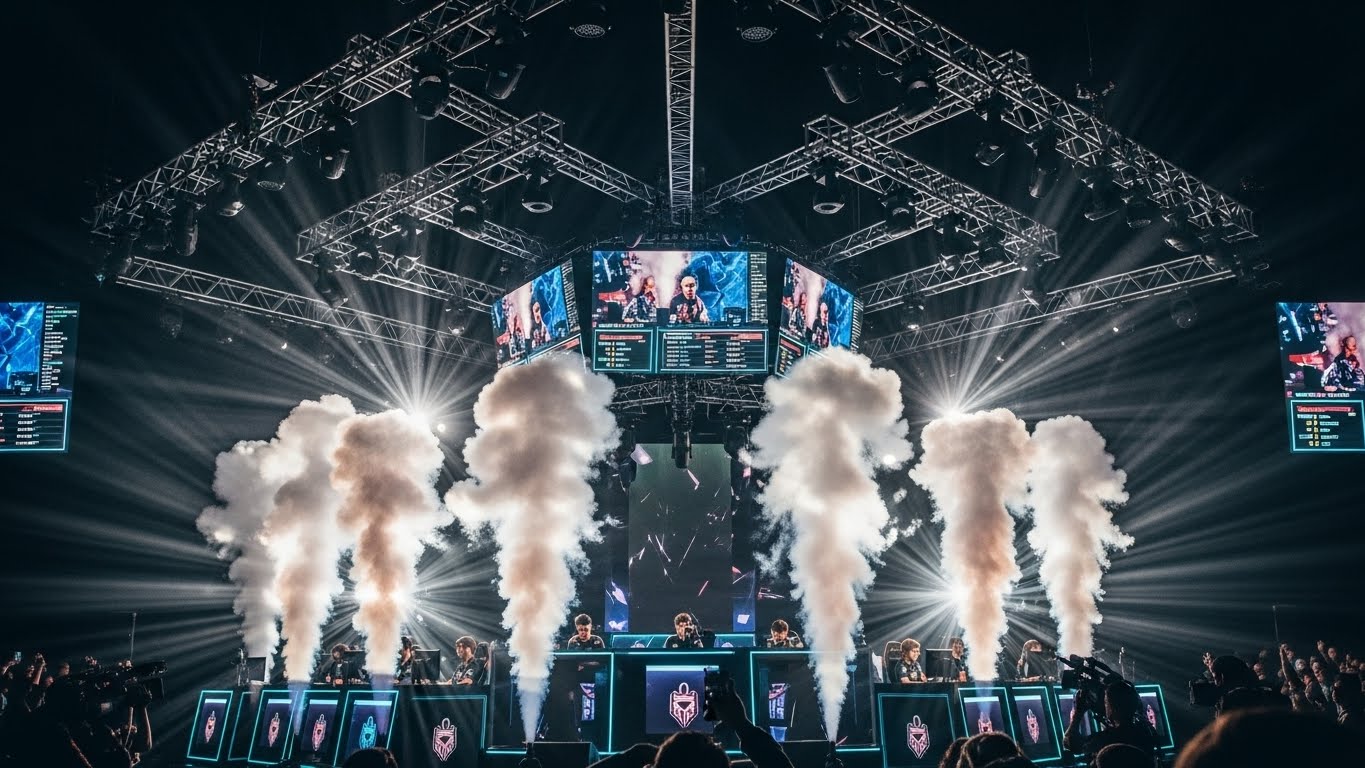
In the last two decades, few industries have experienced growth as explosive as esports. What once started as a niche activity confined to small gatherings of gamers has now evolved into a global spectacle drawing millions of viewers, multi-million-dollar sponsorships, and celebrity-level recognition for its players. Esports, short for electronic sports, represents competitive gaming at a professional level where players or teams compete in video games for fame, glory, and prize money. This transformation from casual play to organized competition marks one of the most fascinating cultural shifts of the modern digital age.
The Early Days of Esports
The origins of esports can be traced back to the early 1970s and 1980s when arcade games and early computer games were gaining popularity. The first known gaming competition took place at Stanford University in 1972, where students competed in the game “Spacewar.” Though modest by today’s standards, it set the stage for competitive gaming.
As the 1980s rolled in, titles like “Pac-Man” and “Donkey Kong” became household names. Arcades became hubs of friendly rivalry, with players striving to post the highest scores. Gaming magazines even began listing world records, creating a culture of competition among players around the world. Yet, at this point, the concept of esports as an organized industry had not yet been realized. It was still considered a pastime rather than a career.
The 1990s brought a technological revolution. The rise of the internet and local area network (LAN) gaming created the foundation for modern esports. Games like “Doom,” “Quake,” and “StarCraft” introduced multiplayer features that allowed players to compete with or against others online. The introduction of these competitive elements marked a shift from solitary gaming to community-driven competition.
The Birth of Organized Competitive Gaming
The late 1990s and early 2000s were defining years for esports. As broadband internet became more accessible, competitive gaming began to attract organized tournaments and audiences. Titles like “Counter-Strike,” “Warcraft III,” and “StarCraft: Brood War” became staples of early esports scenes, particularly in South Korea, where professional gaming culture took root.
South Korea’s influence on esports cannot be overstated. The country embraced gaming as both entertainment and competition. Televised matches, sponsorships, and player contracts became common. StarCraft, in particular, turned gamers like Lim “BoxeR” Yo-hwan into national icons. Gaming arenas were filled with cheering fans, and esports became an accepted career path.
At the same time, Western countries began hosting their own tournaments. The Cyberathlete Professional League (CPL) in the United States and the World Cyber Games (WCG) in South Korea attracted international participants and audiences. These events gave esports structure and legitimacy, creating the blueprint for the massive global tournaments that would come later.
The Evolution of Esports Titles
Esports is not confined to a single genre or style of game. It encompasses a wide variety of games that test different skills, from strategic thinking and teamwork to reflexes and mechanical precision.
Real-time strategy (RTS) games like “StarCraft” and “Warcraft III” dominated the early competitive scene. They emphasized multitasking, resource management, and tactical thinking. Meanwhile, first-person shooters (FPS) such as “Counter-Strike” and “Call of Duty” demanded lightning-fast reflexes and precise teamwork.
The early 2010s saw the rise of multiplayer online battle arena (MOBA) games, which redefined the esports landscape. Games like “League of Legends” and “Dota 2” combined strategy, skill, and coordination on an unprecedented scale. The global appeal of these games brought esports to mainstream audiences. Tournaments like The International for Dota 2 and the League of Legends World Championship began offering multi-million-dollar prize pools, surpassing even some traditional sports competitions.
Additionally, fighting games like “Street Fighter” and “Super Smash Bros.,” sports simulations such as “FIFA” and “NBA 2K,” and even mobile titles like “PUBG Mobile” and “Mobile Legends” have carved out their own esports ecosystems. The diversity of genres has ensured that esports appeals to a wide range of audiences and players.
The Growth of Streaming and Media Coverage
The explosion of esports owes much to the rise of online streaming platforms. Before platforms like Twitch and YouTube Gaming existed, esports struggled to reach mass audiences. Broadcasts were limited to niche channels or online streams with low production quality.
Twitch changed everything. Launched in 2011, the platform allowed fans to watch live tournaments, follow their favorite players, and engage with communities in real time. Suddenly, esports was accessible to anyone with an internet connection. Viewership skyrocketed, and major tournaments began attracting millions of concurrent viewers.
Streaming also gave rise to gaming influencers and content creators who helped bridge the gap between casual gaming and professional esports. Players could now build personal brands, earn sponsorships, and connect directly with fans. The accessibility of streaming democratized esports and allowed it to grow faster than any other form of entertainment.
The Economic Power of Esports
What was once viewed as a hobby is now a billion-dollar industry. Esports generates revenue from multiple sources: sponsorships, media rights, advertising, merchandise, and ticket sales. Large corporations from technology, automotive, and even traditional sports sectors have invested heavily in esports teams and events.
The growing popularity of esports has also led to the construction of dedicated arenas and venues designed specifically for gaming competitions. Cities like Los Angeles, Seoul, and Shanghai now host massive events that rival the excitement and scale of traditional sporting tournaments.
The financial rewards for players have grown dramatically. Top professional gamers earn six- or seven-figure salaries, with additional income from streaming, sponsorships, and endorsements. The success stories of players like Faker from League of Legends or s1mple from Counter-Strike: Global Offensive have inspired countless young gamers to pursue esports careers.
The Role of Teams and Organizations
Behind every great player is a well-structured organization. Esports teams function much like traditional sports franchises. They recruit talent, manage training schedules, secure sponsorships, and handle public relations. Teams such as Team Liquid, Fnatic, Cloud9, and T1 have become global brands with millions of fans.
These organizations are not just competitive units; they also operate as entertainment companies. Many run content studios, produce documentaries, and engage with fans through social media and live events. The professionalism and management structures within these organizations have brought stability and credibility to the esports industry.
Esports as a Career Path
For many young people, esports represents a dream career. However, being a professional gamer is not as simple as playing video games all day. It requires discipline, practice, teamwork, and mental resilience. Players often train for long hours, studying game mechanics, developing strategies, and maintaining peak physical and mental health.
Beyond professional players, esports offers a wide range of career opportunities. Coaches, analysts, broadcasters, event organizers, marketers, and content creators all play crucial roles in the ecosystem. Educational institutions have even begun offering esports degrees and scholarships, preparing students for careers in this growing industry.
Esports and Traditional Sports
There was once a time when traditional sports figures dismissed esports as “not real sports.” However, that perspective has changed dramatically. Today, major sports franchises and athletes invest in esports teams. The NBA, FIFA, and Formula 1 have their own esports leagues. The parallels between esports and traditional sports are undeniable: both require skill, teamwork, strategy, and competition at the highest level.
Moreover, esports provides inclusivity in ways traditional sports sometimes cannot. Players are not limited by physical attributes such as height or strength, and anyone with a computer or console has the potential to compete on a global stage. This accessibility has helped esports grow into a truly global movement.
Esports and Education
Educational institutions have begun recognizing the value of esports in developing teamwork, leadership, and strategic thinking. High schools and universities around the world have launched esports programs, viewing them as valuable extracurricular and academic pursuits.
In addition to scholarships and competitions, esports is being used to teach broader subjects such as digital media, event management, and marketing. The combination of entertainment, technology, and education makes esports a powerful tool for the next generation of learners.
Challenges Facing the Esports Industry
Despite its success, esports faces significant challenges. One of the main concerns is player burnout. The intense pressure and long hours can lead to mental health issues. Unlike traditional sports, where athletes have established unions and support systems, esports players often navigate these pressures with limited protection.
Another issue is financial sustainability. While the top-tier tournaments and organizations thrive, smaller scenes struggle with funding and visibility. Ensuring fair wages, stable leagues, and opportunities for new players remains an ongoing concern.
Cheating, match-fixing, and integrity issues also pose threats to the credibility of esports. As the industry grows, so does the need for stronger regulations and oversight. Developing standardized rules and maintaining competitive fairness are essential for esports to maintain legitimacy.
The Cultural Impact of Esports
Esports has transcended entertainment and become a cultural force. It influences fashion, music, and even mainstream media. Gaming-inspired apparel lines, music collaborations, and esports documentaries highlight the blending of digital culture with popular trends.
Moreover, esports fosters global unity. Players and fans from different countries come together, breaking down barriers of language and geography. Online communities built around shared gaming passions create connections that extend far beyond the virtual arena.
The Future of Esports
The future of esports looks brighter than ever. With advancements in technology such as virtual reality, artificial intelligence, and 5G networks, the way people play and watch games is set to evolve. New platforms and innovative game designs will continue to expand the boundaries of competitive gaming.
Esports is also expected to play a major role in the future of entertainment. As younger generations consume less traditional media, esports offers an interactive and immersive experience that keeps audiences engaged. With continued investment, improved infrastructure, and growing mainstream acceptance, esports may soon rival or even surpass traditional sports in global popularity.
Conclusion
Esports represents more than just playing video games; it embodies the convergence of technology, culture, and competition. From the early days of arcade challenges to stadium-sized tournaments, esports has evolved into a dynamic and influential global industry. It provides opportunities for players, creators, and fans to connect, compete, and celebrate the spirit of gaming.
As it continues to grow, esports will not only shape the future of entertainment but also redefine what it means to be an athlete in the digital age. Its journey from humble beginnings to global dominance is a testament to the power of passion, innovation, and community. The story of esports is still being written, and its next chapter promises to be even more extraordinary than the last.