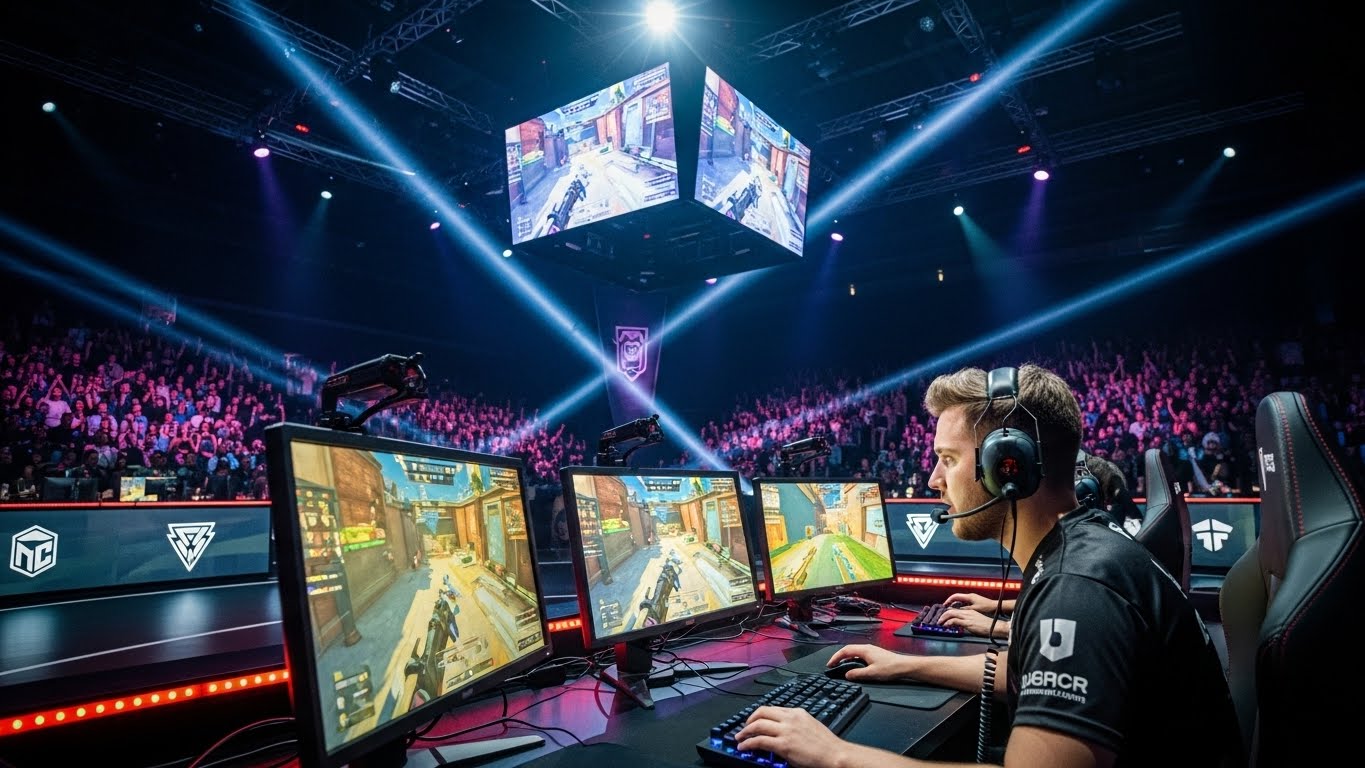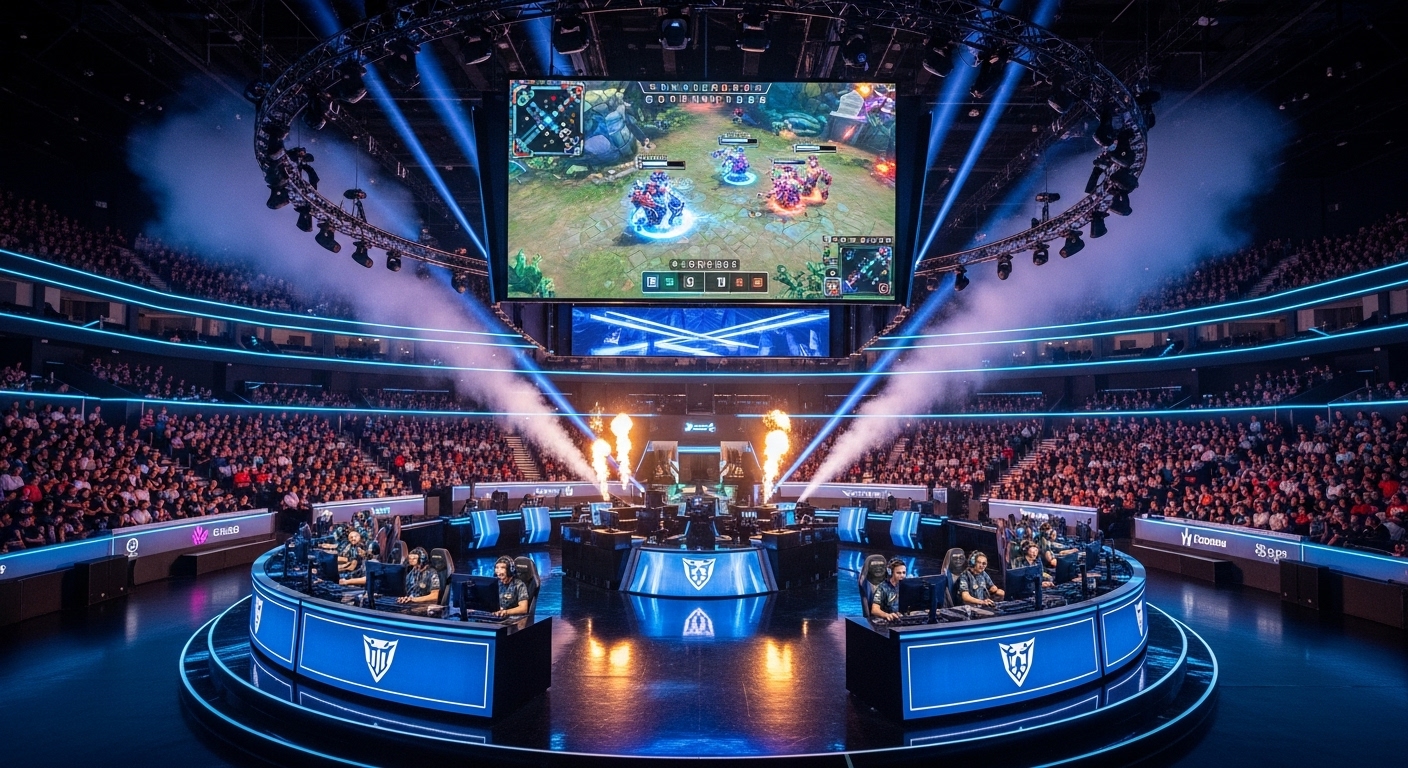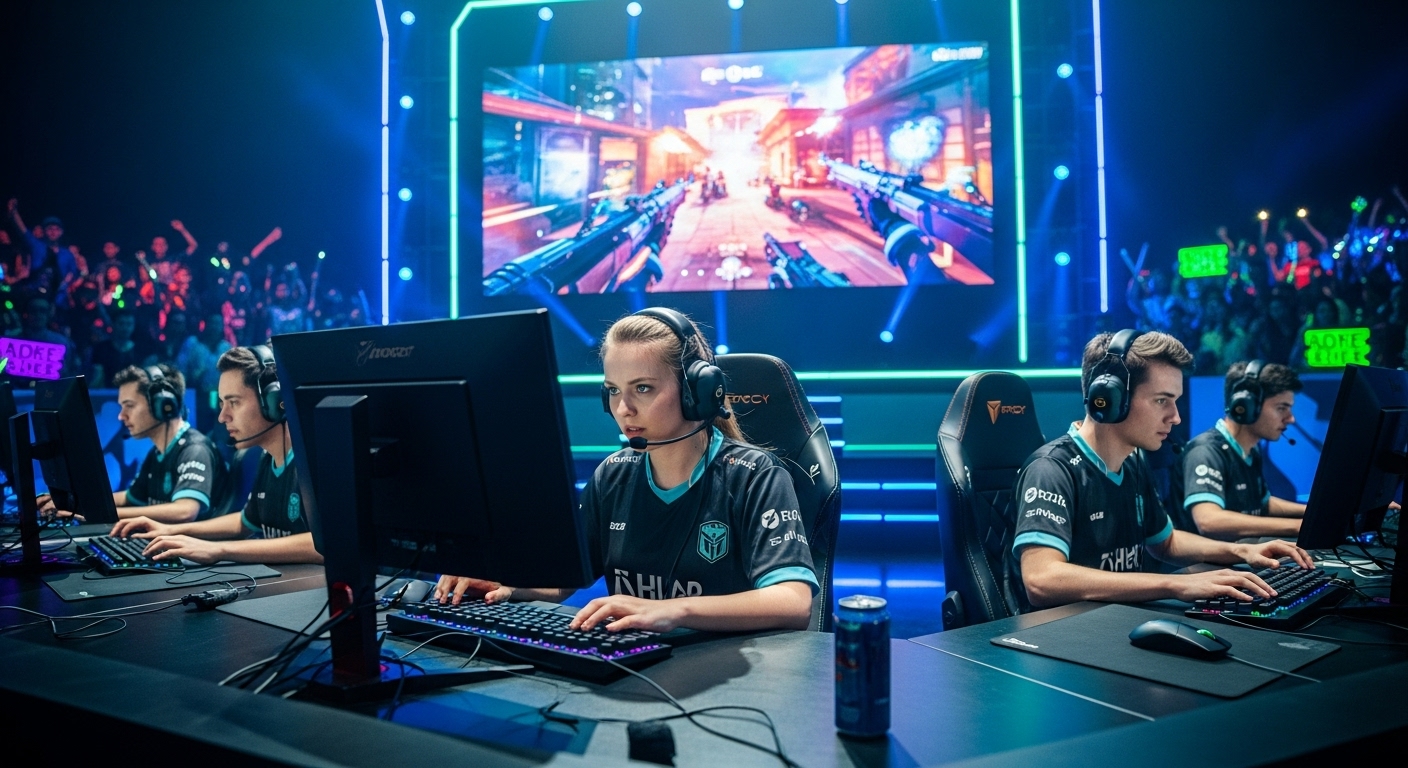
Esports has become a truly global phenomenon, connecting millions of players, teams, and fans from diverse cultures and languages. Unlike traditional sports, esports thrives in a digital environment where geographical boundaries are minimal, but language differences can pose challenges. Despite these challenges, international esports has found innovative ways to break language barriers, fostering communication, collaboration, and a shared passion for competitive gaming.
In this blog, we explore how international esports is overcoming language differences, the strategies players and organizations use to communicate effectively, and how this evolution strengthens the global esports community.
The Globalization of Esports
Esports has grown rapidly across continents, from North America and Europe to Asia, Latin America, and Africa. Games like League of Legends, Counter-Strike, Dota 2, and Valorant host international tournaments where teams from multiple countries compete on the same stage.
This globalization brings together players and fans who speak different languages, making communication a critical factor in both competitive success and audience engagement. The international esports scene demonstrates how passion for games can unite people despite linguistic differences.
Common Language Usage in Competitive Play
English has become the de facto lingua franca in international esports. Teams with players from different regions often adopt English for in-game communication and strategy discussion. This allows diverse rosters to coordinate efficiently, even when players are not fluent in each other’s native languages.
However, English is not always sufficient. Some regions rely on localized communication for optimal coordination, and translators or multilingual coaches are increasingly employed to bridge gaps. The use of a common language ensures that international tournaments run smoothly while allowing players to compete effectively.
The Role of Technology in Breaking Language Barriers
Technology plays a pivotal role in overcoming linguistic challenges in esports. Voice communication software, translation tools, and real-time subtitling help players, casters, and audiences understand each other.
Platforms like Discord, TeamSpeak, and in-game voice chat support multiple languages and provide real-time communication for teams. Translators and AI-assisted subtitling are used during live broadcasts to make content accessible to international viewers, allowing fans from different regions to follow matches and commentary in their preferred language.
Multilingual Casters and Streamers
Professional esports broadcasting has adapted to global audiences by employing multilingual casters and streamers. These commentators provide analysis and play-by-play commentary in multiple languages, ensuring that fans from diverse backgrounds can enjoy the excitement of tournaments.
Multilingual streaming also enables influencers and content creators to engage with broader audiences. By producing content in multiple languages or providing subtitles, streamers can connect with fans worldwide, creating a more inclusive and interactive esports community.
International Teams and Cultural Adaptation
Esports organizations increasingly field international rosters composed of players from different countries. This requires not only language adaptation but also cultural understanding. Teams invest in language training, team-building exercises, and coaching to foster effective communication.
Successful international teams demonstrate that overcoming language barriers is not just about translation—it is about developing shared strategies, understanding teammates’ playstyles, and building trust. Cross-cultural collaboration enhances team performance and enriches the esports ecosystem with diverse perspectives.
Social Media and Global Community Engagement
Social media platforms have become essential for bridging language gaps in esports. Organizations, players, and leagues post updates, highlights, and announcements in multiple languages, allowing fans worldwide to stay connected.
Community engagement tools, such as multilingual forums, fan translations, and interactive polls, also help bring global audiences together. This inclusive approach fosters a sense of belonging, making esports a truly international community where fans can share experiences despite speaking different languages.
Localization of Games and Tournaments
Game developers and tournament organizers have embraced localization as a key strategy to break language barriers. In-game text, tutorials, and user interfaces are translated into multiple languages, ensuring that players can compete on equal footing.
Major tournaments provide multilingual coverage, including subtitles for broadcasts, localized websites, and commentary in various languages. This not only expands the audience but also makes esports more accessible, allowing fans from all regions to participate fully in the competitive experience.
Overcoming Challenges in Real-Time Communication
Despite technological advancements, real-time communication remains a challenge in international esports. Rapid decision-making, split-second coordination, and high-pressure environments can exacerbate language difficulties.
Teams often develop concise communication protocols using standardized terms, abbreviations, or non-verbal cues to streamline in-game coordination. Visual aids, such as maps and ping systems, also reduce the reliance on spoken language, enabling effective teamwork even among players with limited shared vocabulary.
Esports as a Model for Cross-Cultural Collaboration
International esports demonstrates how collaboration can transcend language barriers. Teams, organizations, and communities continuously innovate to improve communication, fostering inclusivity and mutual understanding.
The global esports ecosystem encourages learning, adaptation, and cultural exchange. Players gain exposure to diverse playstyles, strategies, and perspectives, enriching their skill sets and broadening their worldviews. Fans benefit by connecting with communities outside their linguistic and cultural spheres, creating a more unified global gaming culture.
The Future of Language Inclusivity in Esports
As esports continues to expand, language inclusivity will remain a central focus. Advancements in AI translation, real-time subtitling, and multilingual communication tools promise to make language less of a barrier for players and audiences.
Organizations may increasingly invest in language training, multilingual coaching staff, and international community management to ensure seamless interaction. Esports is setting a precedent for other global industries, showing how technology, strategy, and cultural awareness can break down linguistic divides and promote collaboration on a massive scale.
Conclusion
International esports is thriving because it transcends language barriers. Through the adoption of common languages, multilingual broadcasting, translation technology, localization efforts, and innovative communication strategies, the esports industry has created a truly global platform for competition and entertainment.
Language differences no longer limit participation or engagement. Instead, esports demonstrates that shared passion, teamwork, and technology can unite people across continents. The rise of international esports shows that while language may vary, the excitement, strategy, and thrill of competitive gaming are universally understood.
By continuing to prioritize inclusivity, communication, and cultural awareness, esports will strengthen its global community, break down barriers, and inspire the next generation of players and fans worldwide.