Introduction
Esports, short for electronic sports, has evolved from a casual pastime into a global competitive industry that attracts millions of players and fans worldwide. The rise of esports has transformed the perception of gaming, turning it into a legitimate profession, a source of entertainment, and a cultural phenomenon. Unlike traditional sports, esports thrives in the digital realm, where players compete in video games ranging from strategy-based multiplayer battles to fast-paced shooters.
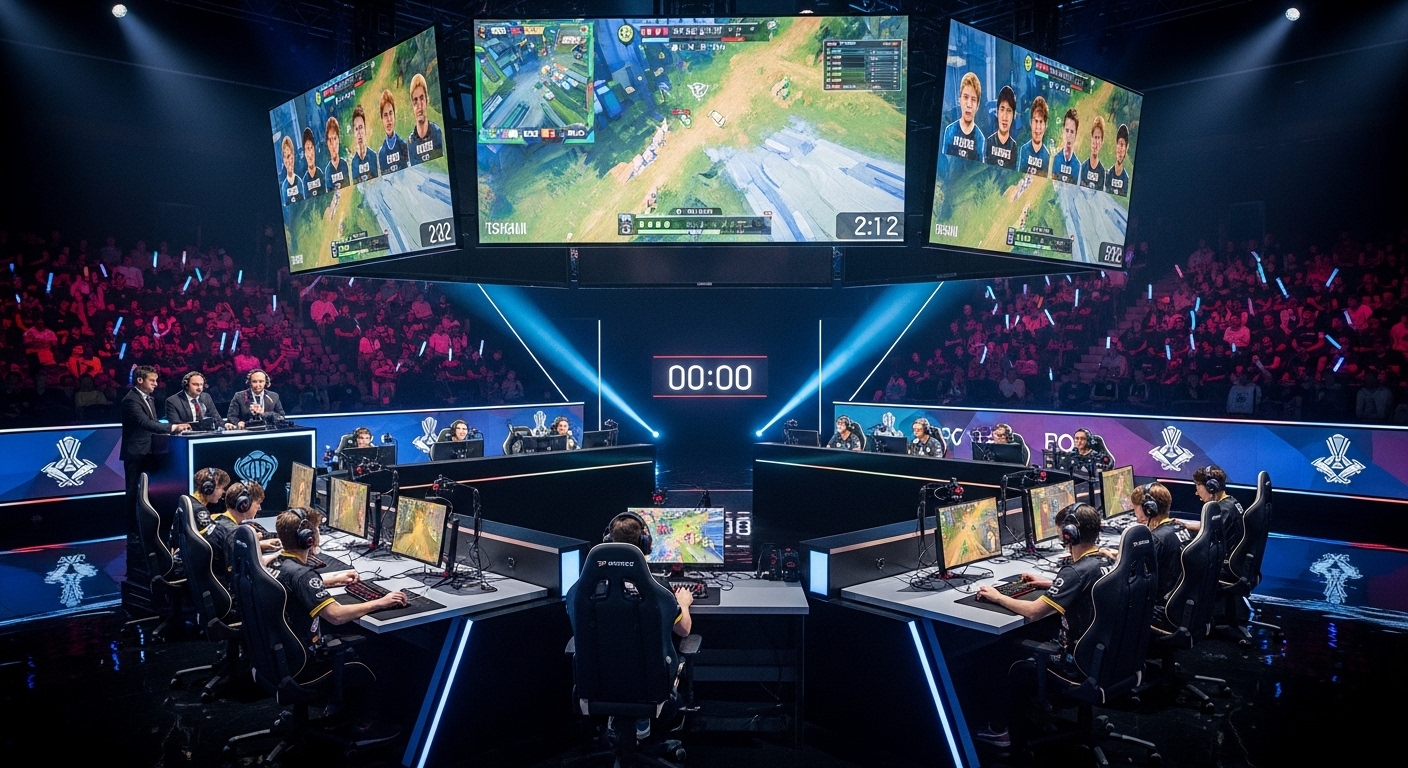
Today, esports encompasses professional teams, organized leagues, tournaments with multi-million-dollar prize pools, and an audience that rivals traditional sports events. The phenomenon demonstrates how technology, entertainment, and skill converge to create a unique cultural and economic ecosystem. This blog explores the evolution of esports, popular games, professional structures, fan engagement, economic impact, challenges, and the future of competitive gaming.
The Origins of Esports
The concept of competitive gaming is not new. It traces back to the late 1970s when arcade competitions began to gain popularity. One of the earliest known events was the 1980 Space Invaders Championship in the United States, attracting thousands of participants. These early competitions were small and informal, yet they demonstrated the appeal of organized gaming.
During the 1980s and 1990s, home consoles and personal computers expanded access to video games. Titles like Pac-Man, Super Mario Bros., and Street Fighter created competitive communities, while multiplayer games such as Quake, StarCraft, and Counter-Strike in the 1990s laid the foundation for professional esports. Players competed in local tournaments, online matches, and LAN parties, building the early culture of competitive gaming.
The late 1990s and early 2000s saw significant growth in esports due to widespread internet access. Online multiplayer competitions allowed players to compete across regions, while organized tournaments began offering prizes, creating incentives for serious competition. By the mid-2000s, streaming platforms and video-sharing sites enabled audiences to watch live gameplay, turning esports into both a participatory and spectator phenomenon.
Popular Esports Games
Esports thrives on the games themselves. Certain genres and titles have become central pillars of competitive gaming, each with unique mechanics, skills, and audiences.
Multiplayer Online Battle Arenas (MOBAs)
MOBAs, or Multiplayer Online Battle Arenas, are strategy-focused games where teams compete to destroy the opponent’s base. Games like League of Legends and Dota 2 dominate this genre. MOBAs require teamwork, quick decision-making, strategic thinking, and individual skill. Players select characters with unique abilities and work collectively to gain map control, defeat enemy champions, and achieve objectives.
Tournaments such as The International for Dota 2 and the League of Legends World Championship attract millions of viewers and feature prize pools in the tens of millions of dollars. MOBAs are not only a test of reflexes but also of tactical intelligence, making them a staple of competitive esports.
First-Person Shooters (FPS)
FPS games, including Counter-Strike: Global Offensive, Valorant, and Call of Duty, emphasize precision, speed, and teamwork. Players compete in fast-paced matches where aiming accuracy, map knowledge, communication, and strategy determine success.
FPS tournaments often involve elimination-style formats with multiple rounds. Competitive FPS esports demand both individual skill and coordinated team play, as a single misstep can change the outcome of a match. The genre remains one of the most watched and played within the esports community.
Battle Royale Games
Battle royale games such as Fortnite, PUBG, and Apex Legends feature large-scale matches where players compete to be the last person or team standing. These games combine combat, resource management, exploration, and strategy. Battle royale esports is exciting for spectators because of its unpredictability and dynamic gameplay.
The rise of battle royale tournaments has also encouraged unique fan engagement, including live events and interactive online experiences. The format appeals to a broad audience due to its accessible rules and the high stakes of survival-based competition.
Fighting Games
Fighting games like Street Fighter, Tekken, and Super Smash Bros. emphasize one-on-one skill and mastery of character mechanics. Competitive play requires reaction speed, timing, and an understanding of opponent behavior. Tournaments such as EVO (Evolution Championship Series) celebrate both technical skill and entertainment value, highlighting the showmanship aspect of esports.
Sports Simulations
Sports simulation games like FIFA, NBA 2K, and Madden NFL replicate real-world sports in a digital format. These games appeal to both traditional sports fans and esports enthusiasts. Players must understand the mechanics of the sport, execute precise strategies, and adapt to opponents’ tactics. Sports simulation tournaments bridge the gap between physical athleticism and digital skill, creating crossover appeal.
Professional Esports Structure
Esports has developed professional structures similar to traditional sports, including teams, leagues, tournaments, and support systems.
Esports Teams
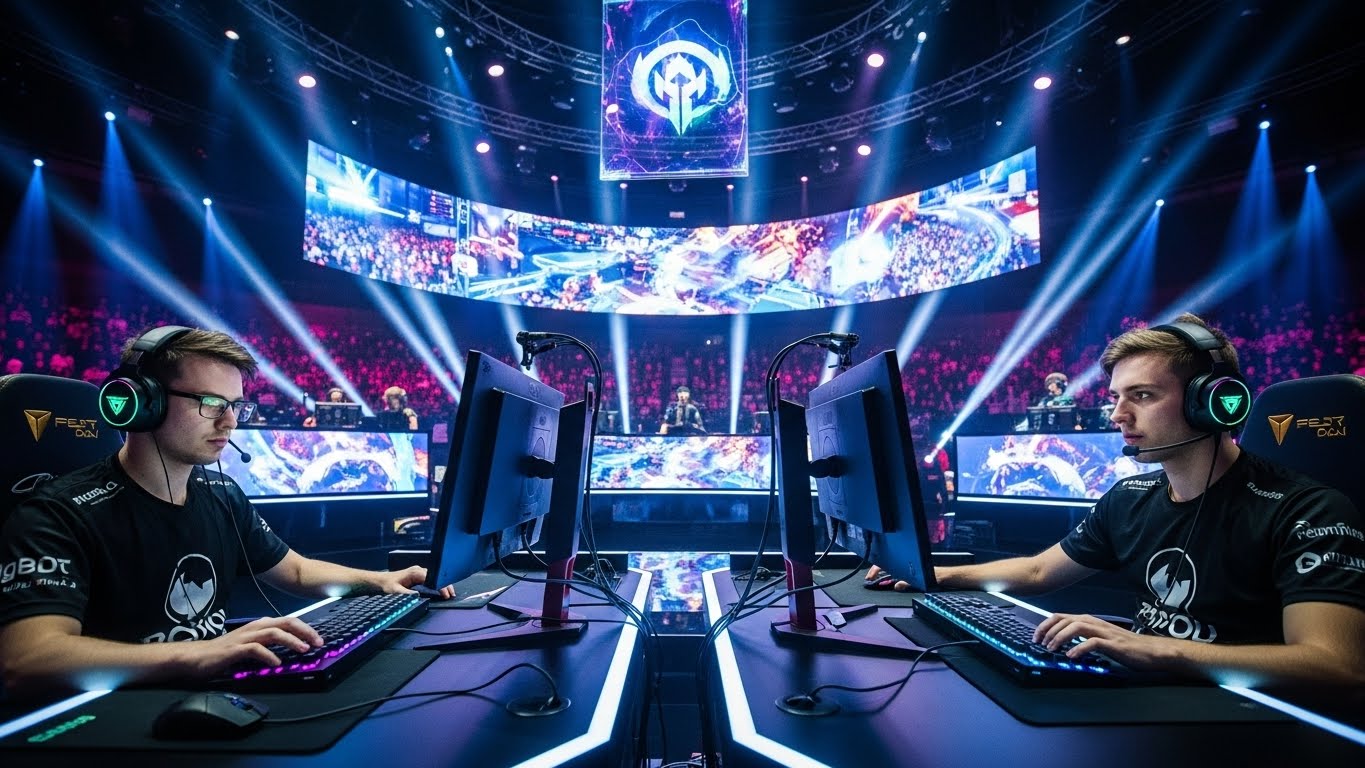
Professional esports teams recruit talented players and provide full-time support. Teams like T1, Cloud9, Fnatic, and G2 Esports operate like sports franchises, offering salaries, coaching, nutrition, and mental health support. Teams compete in regional leagues and international tournaments, building reputations and fan followings. Success depends on teamwork, strategy, and consistent performance, making professional management essential.
Leagues and Tournaments
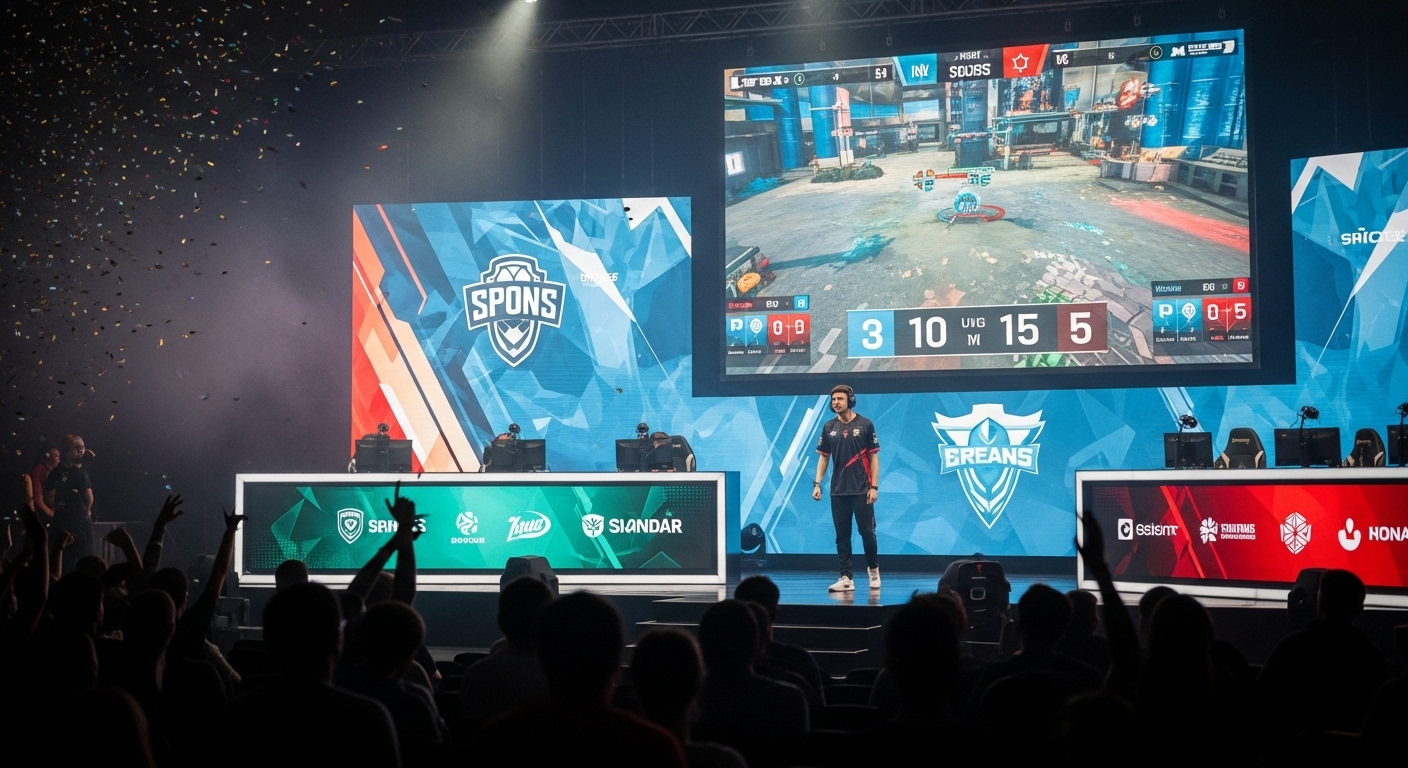
Esports leagues provide structured competition over extended periods. Examples include the League of Legends Championship Series (LCS), Overwatch League (OWL), and Call of Duty League (CDL). Tournaments, on the other hand, are standalone events that often offer higher prize pools and attract global audiences. Major events such as The International, Fortnite World Cup, and EVO Championship are pinnacle competitions that define esports culture.
Player Roles and Specialization
Players often specialize in roles depending on the game. In MOBAs, roles include carry, support, and jungler. In FPS games, players may specialize as entry fraggers, snipers, or tactical supports. Specialization allows teams to optimize strategy and performance while creating distinctive player identities within the community.
Coaching and Support Staff
Behind every professional team is a network of coaches, analysts, psychologists, and trainers. Coaches develop strategies, review gameplay, and help players improve. Analysts study opponents, track performance data, and optimize strategies. Psychologists address mental health and focus, while nutritionists maintain physical well-being. The support system ensures players are equipped for high-level competition, similar to traditional sports environments.
Training and Lifestyle of Professional Players
Esports requires rigorous training and discipline. Players often practice 6 to 12 hours daily, focusing on game mechanics, strategies, teamwork, and communication. Physical fitness and mental resilience are essential, as extended gameplay can lead to fatigue, strain, and burnout.
Sleep, diet, and exercise routines are increasingly prioritized in professional esports teams. Holistic approaches to player development help maintain performance over long competitive careers. The combination of skill, strategy, and personal discipline makes esports a highly demanding profession, comparable to conventional athletic careers.
Fan Culture and Esports Spectatorship
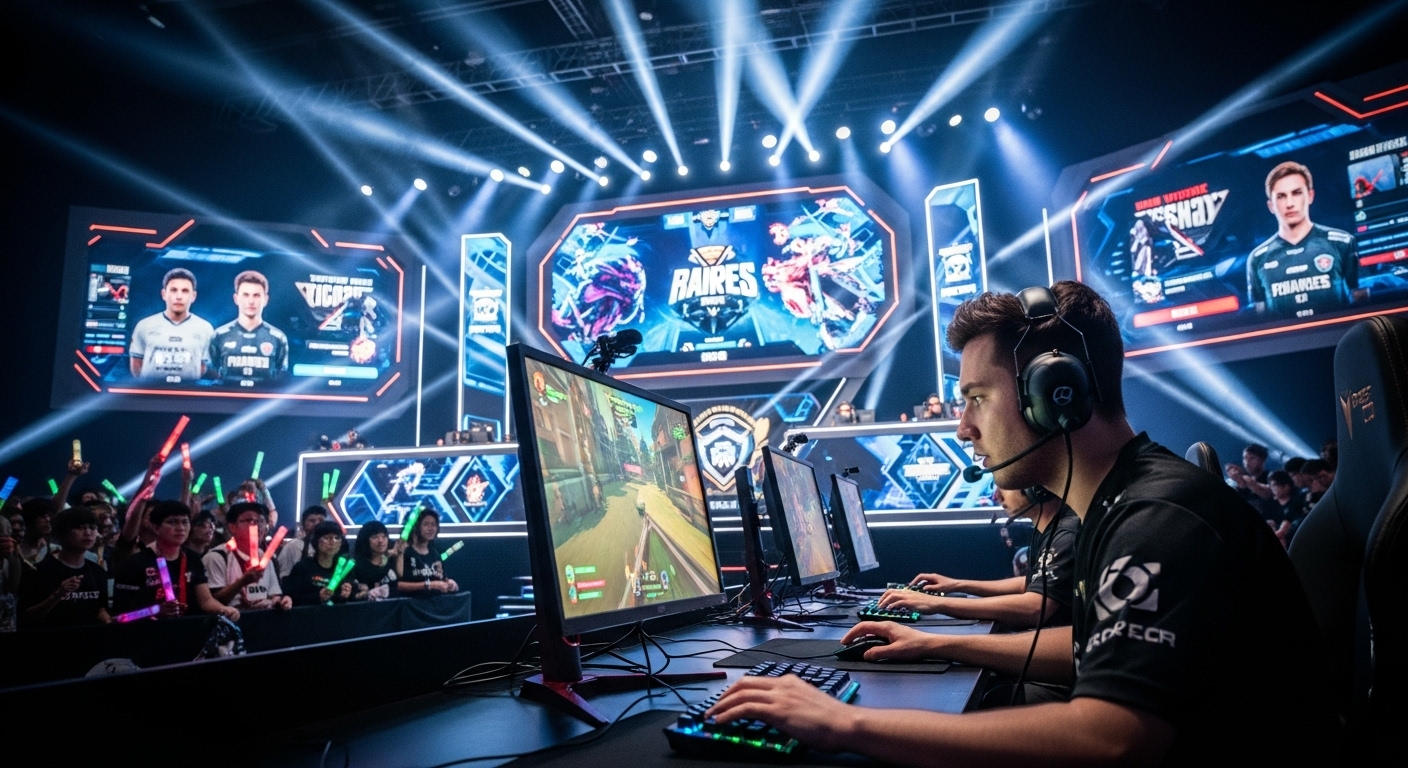
Esports has cultivated a unique fan culture that blends traditional sports fandom with digital community interaction. Fans engage through live streams, social media, online forums, and in-person events. Platforms like Twitch and YouTube Gaming provide real-time access to matches, commentary, and interactions with players.
Esports tournaments attract thousands of spectators in stadiums, while millions more watch online. Fans celebrate favorite teams, participate in cosplay, create fan art, and engage in discussions that strengthen communities. The participatory nature of esports fandom allows audiences to feel connected to players and teams, creating a sense of belonging and shared excitement.
The Business of Esports
Esports has developed into a multi-billion-dollar industry with diverse revenue streams.
Sponsorships and Partnerships
Sponsorships are a major source of revenue. Companies sponsor teams, players, and events to reach young, tech-savvy audiences. Brands in gaming peripherals, energy drinks, apparel, and technology invest heavily in esports marketing. Sponsorships provide financial stability for players and teams while promoting visibility and engagement for brands.
Media and Streaming
Streaming platforms are the backbone of esports media. Live broadcasts, highlight reels, and commentary attract millions of viewers worldwide. Monetization comes from advertisements, subscriptions, and media rights. The global accessibility of streaming has expanded audiences, enabling esports to rival traditional sports in terms of viewership.
Prize Money and Career Opportunities
High-level tournaments feature prize pools that can exceed millions of dollars. The International for Dota 2 and the League of Legends World Championship are notable examples. Players also earn salaries, sponsorship deals, streaming revenue, and additional income from coaching, commentary, and content creation. Career opportunities extend beyond playing, including management, event production, analysis, and broadcasting.
Challenges in Esports
Despite rapid growth, esports faces several challenges.
Health and Burnout
Long practice sessions and intense competition can lead to physical and mental strain, including eye strain, repetitive stress injuries, and burnout. Teams now incorporate wellness programs, but maintaining long-term health remains a key concern.
Regulation and Standardization
Esports lacks a universal governing body, resulting in inconsistent rules, contract disputes, and variations in tournament organization. Standardization of regulations and fair play practices is essential for sustainable growth.
Public Perception
Although esports is gaining recognition, some still question its legitimacy as a “real” sport. Efforts to include esports in international sporting events and educational programs are slowly changing public perception, but cultural acceptance varies across regions.
Economic Inequality
While top players earn millions, many professional players face unstable incomes and limited opportunities. Ensuring equitable financial structures for players at all levels is critical for the industry’s long-term sustainability.
Global Influence of Esports
Esports has a worldwide presence. South Korea and China lead in government-supported programs and professional leagues, integrating esports into education and culture. North America and Europe maintain competitive leagues with large audiences and sponsorship deals. Emerging markets in Latin America, Southeast Asia, and the Middle East continue to grow, contributing to a diverse and global esports community.
Esports also fosters cultural exchange. International tournaments bring together players and fans from various backgrounds, creating shared experiences and mutual understanding. Educational institutions now offer scholarships, academic programs, and research initiatives focused on esports, reflecting its legitimacy and growing influence.
The Future of Esports
The future of esports promises continued growth, technological innovation, and mainstream integration. Emerging technologies such as virtual reality, augmented reality, and cloud gaming will transform how players compete and audiences engage. AI-driven analytics will enhance performance and strategy, creating more dynamic and immersive experiences.
Esports is expected to integrate further with traditional sports, entertainment, and education. Collaborations between sports leagues, media companies, and technology providers will expand reach and revenue. As global audiences grow, esports will continue to innovate in fan engagement, content creation, and competitive structure.
Professionalization will focus on player health, sustainability, and career longevity. Local tournaments will nurture emerging talent, while global competitions reach larger audiences. Esports will continue to define the intersection of technology, entertainment, and competition.
Conclusion
Esports has transformed from informal arcade competitions into a global cultural, economic, and entertainment phenomenon. It combines skill, strategy, teamwork, and technology to create a competitive landscape that rivals traditional sports.
With professional teams, organized leagues, massive prize pools, and engaged audiences, esports has established itself as a legitimate and respected domain. Its growth reflects technological advancement, creative innovation, and global cultural trends.
Esports represents the future of gaming and entertainment, demonstrating how passion, dedication, and innovation can redefine competition. Its impact will continue to shape how people play, watch, and experience digital culture, making it one of the most significant developments in modern entertainment.