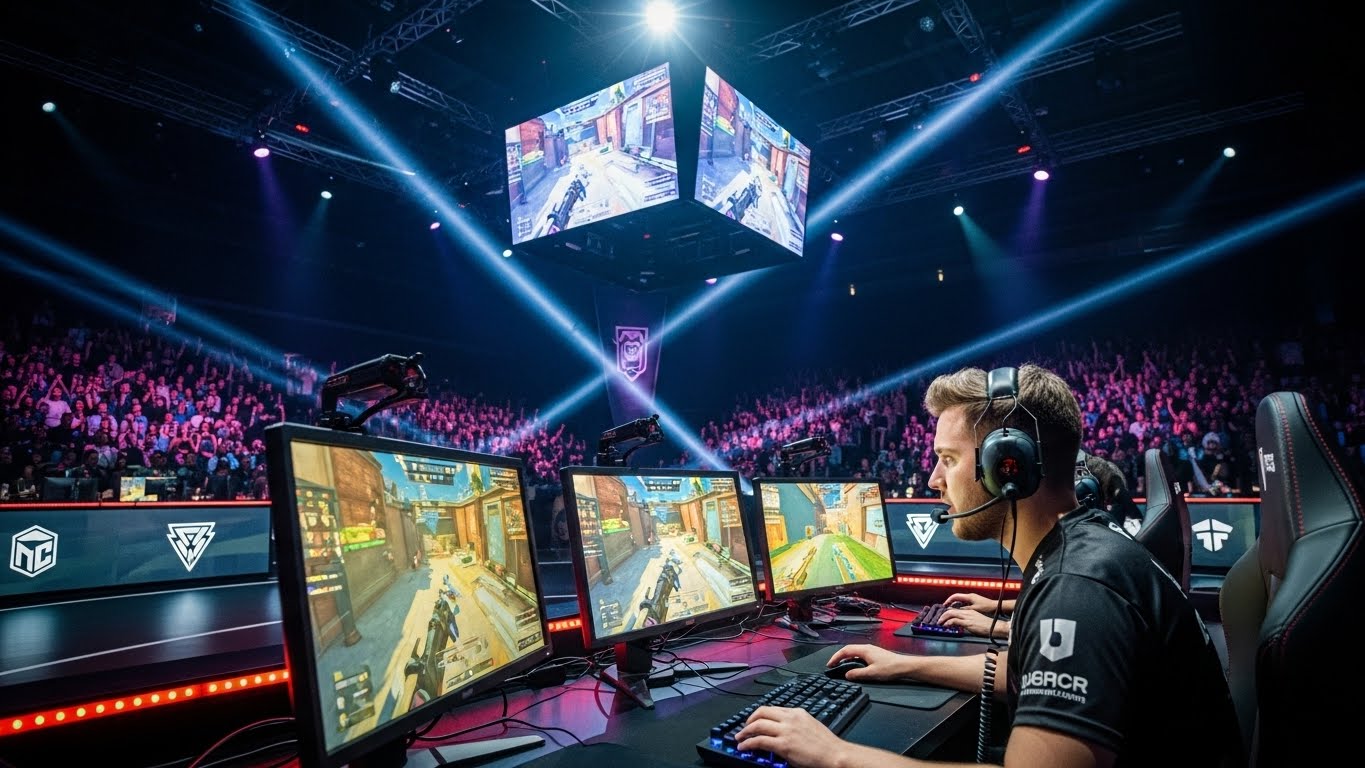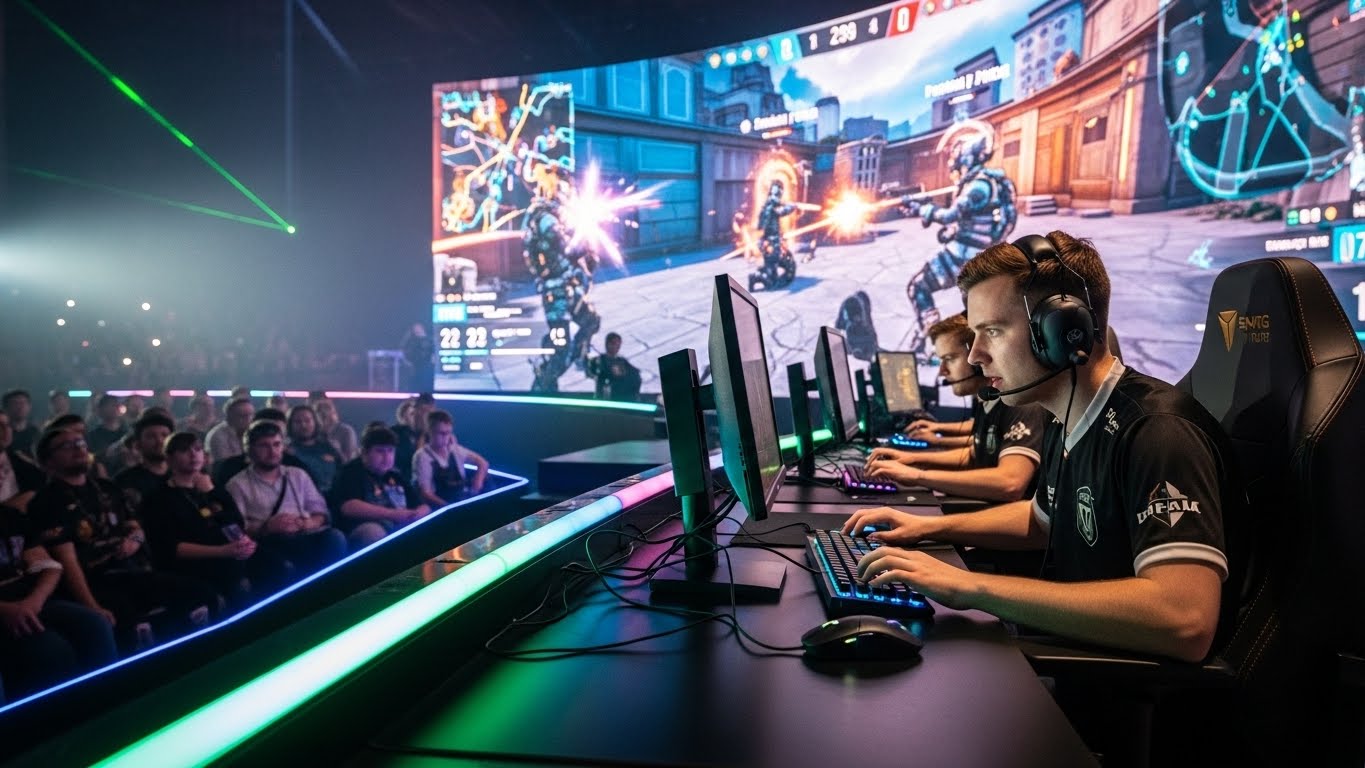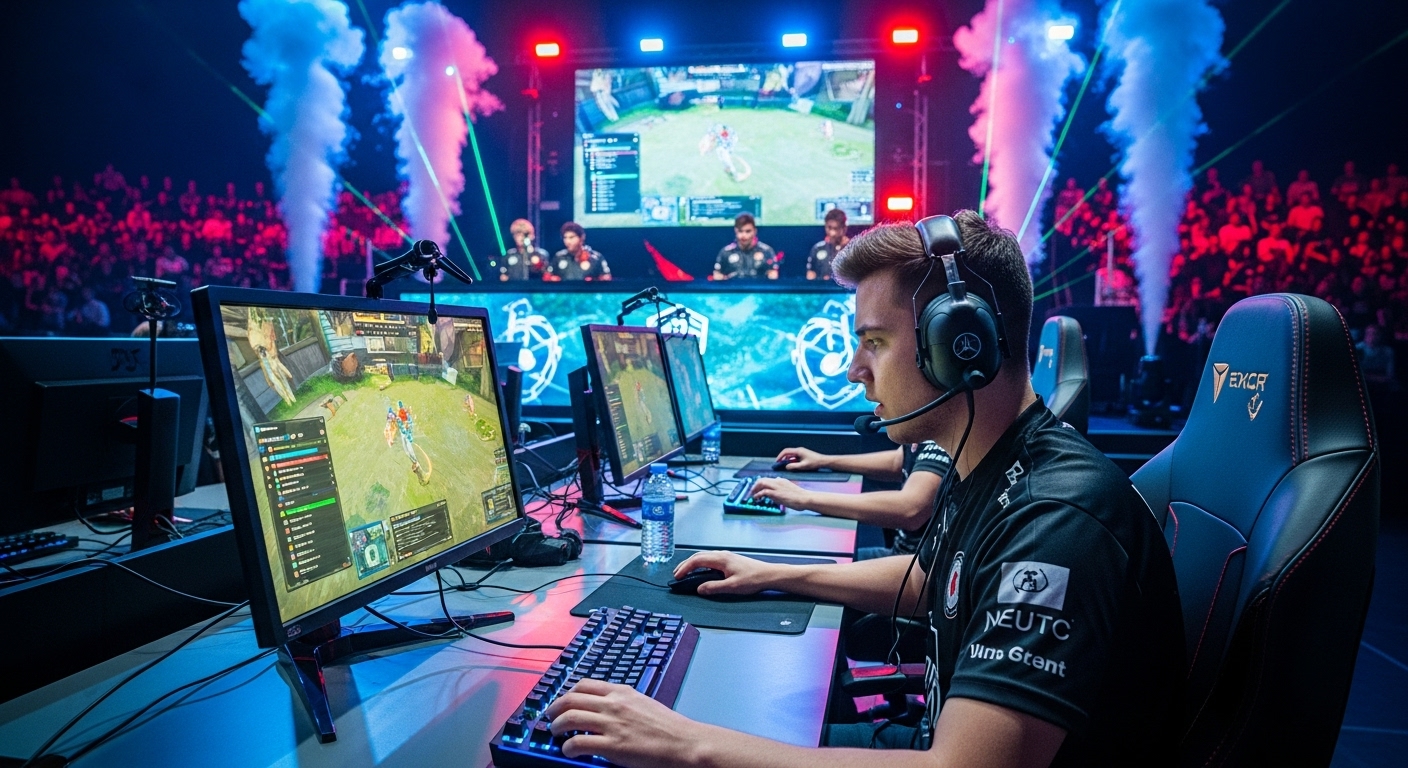
Esports has emerged as one of the most exciting and rapidly growing industries in the world of entertainment. What started as casual gaming among friends has transformed into a professional, global phenomenon that attracts millions of players, viewers, and sponsors. From small-scale tournaments in internet cafes to stadiums filled with thousands of fans watching live events, esports is redefining the concept of sports and competition.
The Birth of Competitive Gaming
Competitive gaming has been around almost as long as video games themselves. The first known video game competition took place in 1972 at Stanford University, where students competed in the game Spacewar. By the 1980s, arcade games such as Pac-Man and Donkey Kong introduced high-score competitions, attracting competitive players and local media attention.
The 1990s brought personal computers and home consoles, which allowed players to compete against friends and strangers across the globe. Games like Street Fighter, Warcraft, and Quake introduced online multiplayer modes that became the foundation for modern esports. These early competitions were informal, but they ignited the passion and culture that would eventually evolve into a professional esports industry.
The Emergence of Professional Esports
The 2000s marked the era when esports became professionalized. South Korea played a significant role in shaping professional esports, particularly with the game StarCraft. Televised leagues, corporate sponsorships, and dedicated training centers allowed players to pursue gaming as a legitimate career. Professional players became celebrities in their own right, inspiring a generation of gamers worldwide.
Simultaneously, the rise of streaming platforms like Twitch and YouTube Gaming allowed audiences to watch competitive matches in real-time. Fans could follow professional players, learn strategies, and immerse themselves in the competitive gaming culture. This global connectivity helped esports grow beyond local tournaments, transforming it into a worldwide phenomenon.
Popular Esports Game Genres
Esports encompasses a variety of game genres, each requiring unique skills and strategies. Multiplayer Online Battle Arena (MOBA) games, such as League of Legends and Dota 2, emphasize teamwork, strategy, and coordination. First-Person Shooter (FPS) games like Counter-Strike: Global Offensive and Valorant focus on precision, reaction time, and tactical awareness.
Other genres include Real-Time Strategy (RTS) games, fighting games like Street Fighter and Tekken, and sports simulation titles such as FIFA and NBA 2K. Each genre attracts its own community of players and fans, contributing to the diversity and depth of the esports industry.
The Spectacle of Esports Tournaments
Esports tournaments are central to the competitive gaming ecosystem. They provide players with a platform to demonstrate skill, earn recognition, and compete for prize money. Major events such as The International for Dota 2, the League of Legends World Championship, and the Fortnite World Cup draw millions of viewers and offer prize pools that often reach several million dollars.
Tournaments are broadcasted live with professional commentary, or casting, adding entertainment value for viewers. Fans can interact through chat, follow players’ strategies, and participate in online discussions. The combination of high-stakes competition and engaging storytelling has turned esports events into cultural phenomena, rivaling traditional sports in popularity.
Esports Teams and Organizations
Professional esports teams function much like traditional sports teams. They include players, coaches, analysts, managers, and support staff who work together to achieve competitive success. Organizations such as Team Liquid, Cloud9, Fnatic, and T1 manage multiple teams across different game titles, emphasizing player development, branding, and competitive excellence.
Sponsorships play a crucial role in sustaining teams, with partnerships from technology companies, apparel brands, and energy drinks providing financial support. The rise of professional organizations has elevated esports to a legitimate career path, giving talented players worldwide an opportunity to compete professionally and earn a living through gaming.
The Impact of Streaming and Content Creation
Streaming platforms have revolutionized the way esports reaches audiences. Twitch, YouTube Gaming, and Facebook Gaming allow players to broadcast gameplay live, enabling fans to watch matches, learn strategies, and engage with content creators. Streaming has created a participatory experience where audiences are not just spectators but active participants in the esports community.
Professional streamers have become celebrities, generating revenue through subscriptions, donations, and sponsorships. For esports teams, streaming serves as both marketing and entertainment, allowing fans to connect with players and follow teams across multiple platforms. The combination of competitive play and interactive streaming has expanded esports beyond tournaments into a full-fledged entertainment ecosystem.
Esports and Youth Culture
Esports has had a significant influence on youth culture. Young gamers often aspire to become professional players, content creators, or esports commentators, dedicating hours to practice and skill development. Competitive gaming encourages strategic thinking, teamwork, and mental agility, making it more than just a form of entertainment.
The esports community provides a sense of belonging, connecting players globally through shared interests. Gaming peripherals, apparel, and merchandise have become symbols of esports culture, influencing fashion and lifestyle trends. For many, esports is both a passion and a cultural identity.
Economic Impact of Esports
The esports industry has grown into a multi-billion-dollar market. Revenue streams include sponsorships, advertising, merchandise, media rights, and ticket sales. Brands recognize the value of esports in reaching engaged, tech-savvy audiences, making it an attractive platform for marketing and promotion.
Major tournaments drive economic activity through tourism, event management, broadcasting, and local business engagement. The industry also generates employment opportunities in coaching, content creation, event organization, and game development, establishing esports as a significant contributor to the global economy.
Esports in Education
Esports is now entering the educational sector, with schools and universities offering competitive gaming programs and scholarships. Collegiate esports teams provide structured training, professional coaching, and competitive opportunities, similar to traditional sports programs.
These programs teach students valuable skills such as leadership, communication, and strategic thinking. Integrating esports into education also helps change societal perceptions, showing that competitive gaming requires discipline, practice, and intelligence, and can lead to meaningful career paths.
Global Reach of Esports
Esports is a worldwide phenomenon, with competitive scenes thriving in South Korea, China, North America, Europe, and Southeast Asia. Online platforms enable fans to watch live tournaments, interact with communities, and follow international players.
International tournaments highlight the global nature of esports, bringing together diverse talents and fostering cross-cultural collaboration. Esports transcends traditional boundaries of language, geography, and culture, uniting fans and players through shared passion and digital competition.
Challenges in Esports
Despite its growth, esports faces significant challenges. Player burnout is common due to long practice sessions, travel schedules, and high-pressure environments. Maintaining both physical and mental health is essential for long-term success.
The industry also faces challenges in regulation and governance. Standardized rules across different games and regions are often lacking, leading to potential disputes. Issues such as cheating, harassment, and fair compensation need to be addressed to maintain integrity and ensure sustainable growth.
Technology and the Future of Esports
Technological advancements continue to shape the future of esports. Virtual reality and augmented reality could provide immersive gaming experiences, while artificial intelligence may assist with strategy development, performance analysis, and viewer engagement.
Esports is also increasingly integrating with mainstream sports and entertainment. Collaborations between gaming companies, broadcasters, and traditional sports organizations are expanding esports’ influence and visibility. As technology evolves, esports will become more interactive, immersive, and widely accessible.
Esports and Society
Esports is more than a form of gaming; it is a cultural and social force. It challenges traditional definitions of sports, emphasizing mental skill, strategy, and reflexes over physical ability. Esports fosters global communities, connects diverse audiences, and inspires innovation in technology and media.
It promotes inclusivity, offering opportunities for players from diverse backgrounds to compete at elite levels. Esports encourages creativity, teamwork, and critical thinking, highlighting its potential to impact society beyond the gaming world.
Conclusion: The Rise of Esports as a Global Phenomenon
Esports has grown from informal gaming competitions to a professional, global industry. Its influence spans culture, education, technology, and the economy. With professional teams, international tournaments, and millions of fans, esports has become a mainstream form of competition and entertainment.
The digital arena continues to expand, offering opportunities for players, fans, and businesses worldwide. Esports is not just a passing trend; it is a cultural movement that is shaping the future of competitive gaming, entertainment, and digital culture in the 21st century.