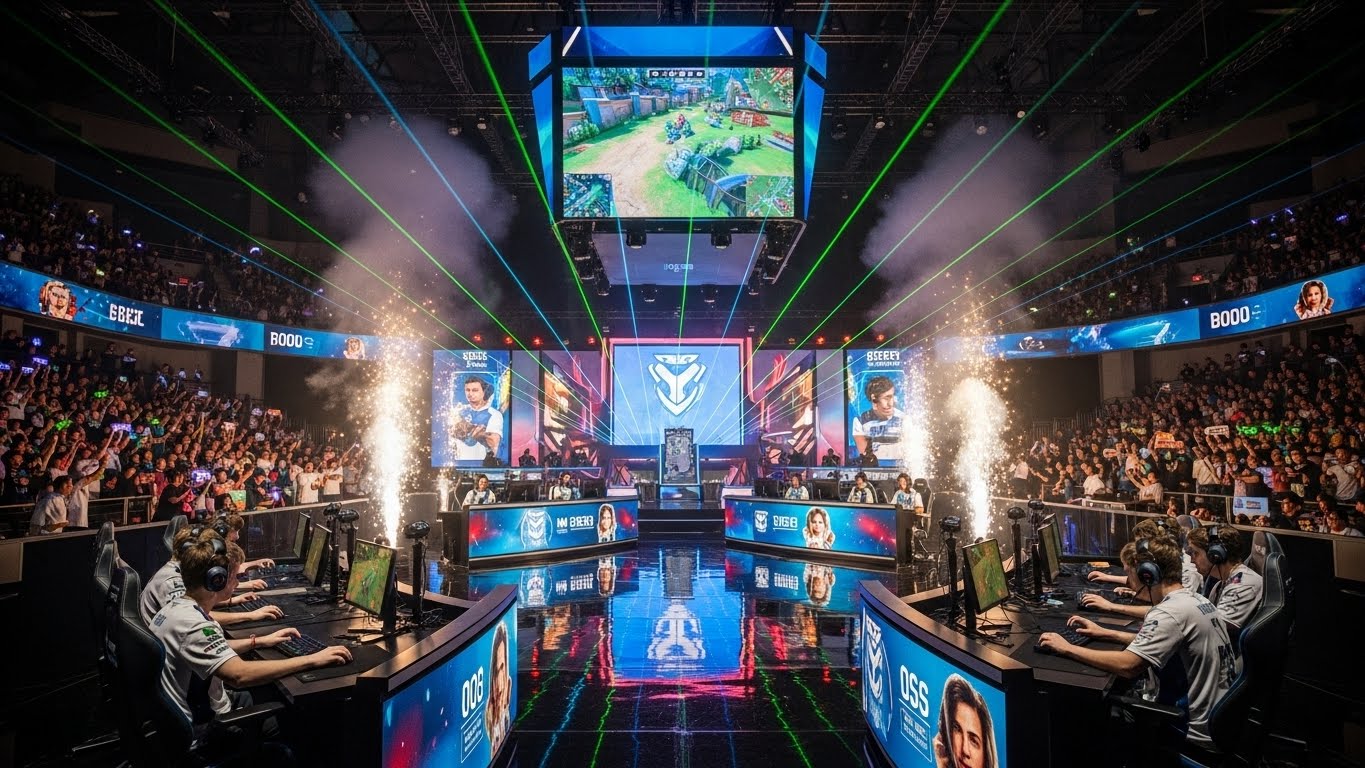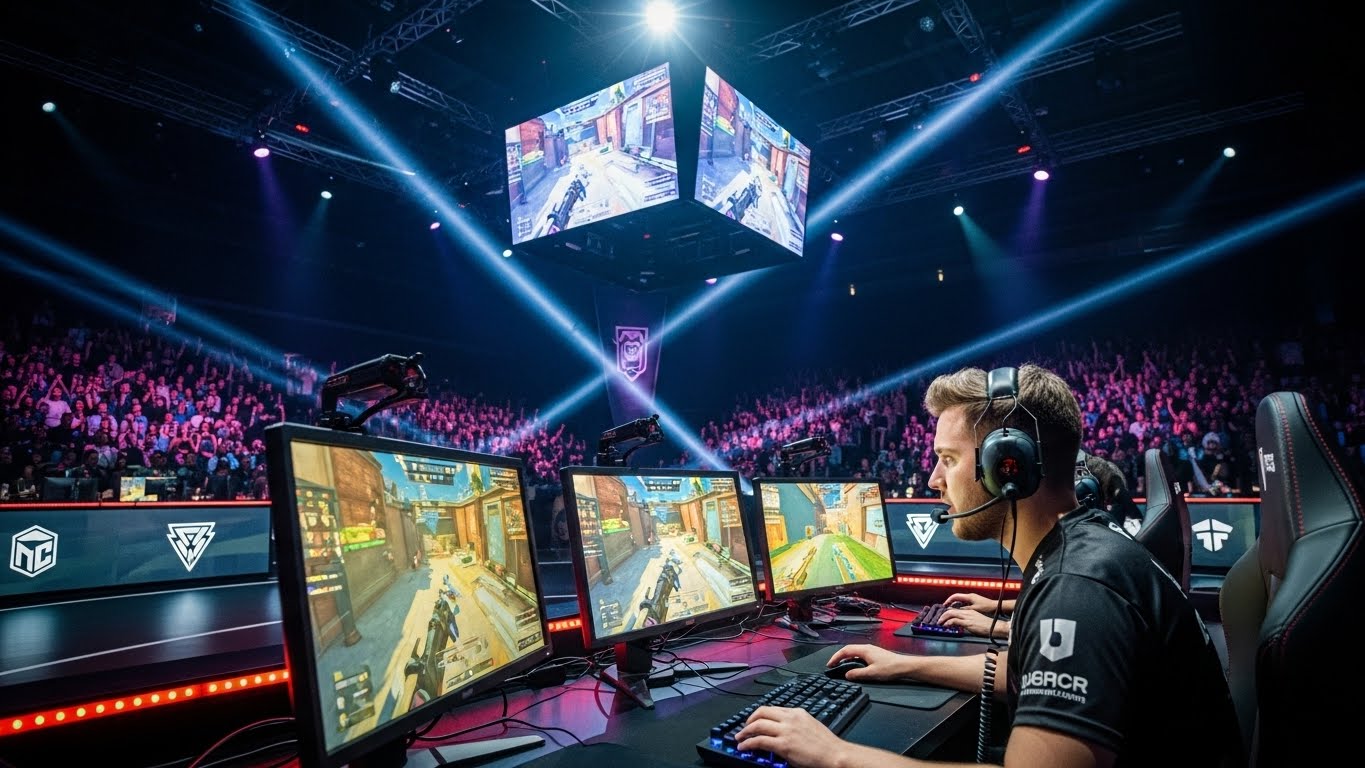
The world of esports may look glamorous from the outside — flashing lights, roaring crowds, million-dollar tournaments, and players living their dream careers. But behind the scenes, professional gamers face a demanding and often exhausting lifestyle that requires immense discipline, focus, and self-management.
Balancing life and competition in esports is one of the greatest challenges modern players face. Unlike traditional athletes, esports professionals must deal with the unique pressures of long practice hours, digital exposure, constant travel, and the need to stay mentally sharp in a fast-changing gaming environment.
In this in-depth blog, we’ll explore how esports stars find balance between their personal lives and competitive careers — focusing on their routines, struggles, and the growing importance of mental health and lifestyle management in professional gaming.
The Pressure Behind the Screen
To understand how esports players balance their lives, it’s important to first recognize the intense pressures they face.
Competitive gaming at the highest level is more than a job — it’s a lifestyle that demands total commitment. Professional players often practice between 8 to 12 hours a day, analyzing gameplay, training mechanics, and reviewing strategies.
The stakes are high: one mistake can cost a team thousands of dollars or a championship title. With millions of fans watching every move, the pressure to perform can be overwhelming.
But unlike traditional sports, esports doesn’t always have the same established support systems for physical and mental wellness. Many players have to learn the hard way how to balance intense competition with personal well-being.
Establishing Healthy Routines
Successful esports professionals understand that balance begins with structure. A well-managed daily routine allows them to train effectively while preserving energy and focus.
- Scheduled Practice Hours
Teams usually divide their day into structured training blocks — scrims, solo practice, team reviews, and breaks. Sticking to a consistent schedule prevents burnout and ensures players maintain steady progress. - Prioritizing Sleep
Sleep deprivation is a common issue in gaming culture. However, top esports players are now realizing that proper rest directly impacts reaction time, concentration, and mood. Many players follow strict sleep schedules to ensure they perform at their peak. - Physical Fitness
It might surprise some, but many professional gamers now incorporate gym workouts, yoga, or stretching into their daily routines. Exercise improves blood flow, posture, and mental alertness — all crucial for long gaming sessions. - Time Management Tools
With matches, travel, and media duties, players often use calendars and task trackers to manage their day efficiently. This discipline ensures they can handle both professional and personal commitments smoothly.
These habits might seem basic, but for esports stars, they form the foundation of balance and consistency.
Mental Health: The Core of Sustainability
In esports, mental health is as vital as mechanical skill. The emotional demands of competing under constant pressure can lead to anxiety, burnout, or even depression if not managed properly.
- Mindfulness and Meditation
Many professional teams have introduced mindfulness practices into their training. Meditation, breathing exercises, and visualization help players manage stress, maintain composure, and stay focused during high-pressure matches. - Working with Sports Psychologists
Just like in traditional sports, esports players now have access to performance psychologists. These specialists teach coping mechanisms, emotional regulation, and teamwork communication to help players perform consistently. - Managing Online Toxicity
Esports stars often face public criticism on social media. Handling online negativity can be mentally draining. Players are encouraged to limit exposure to toxic comments, focus on constructive feedback, and rely on support systems for encouragement. - Avoiding Burnout
Overtraining can quickly lead to mental fatigue. Professional organizations now recognize the importance of rest days, vacations, and off-season breaks to help players recharge and maintain long-term motivation.
By prioritizing mental health, esports athletes ensure their competitive edge remains sharp — not just for one season, but for their entire career.
Nutrition and Lifestyle: Fueling the Body and Mind
Many people underestimate the physical strain esports can place on the body. Long hours of screen time, poor posture, and erratic eating habits can lead to health issues if ignored.
- Balanced Diets
Esports stars are now working with nutritionists to develop meal plans that enhance focus and energy. Diets rich in lean proteins, complex carbohydrates, and hydration are replacing energy drinks and junk food. - Hydration and Brain Function
Dehydration directly impacts cognitive function. Players often keep water bottles at their desks and use hydration reminders during long scrims. - Reducing Caffeine Dependence
While energy drinks are common in gaming culture, professionals are learning to moderate intake to prevent crashes and anxiety. Many now prefer natural energy sources like fruit smoothies or green tea. - Maintaining Posture and Ergonomics
Ergonomic chairs, proper desk height, and frequent breaks prevent repetitive strain injuries. Physical therapists often guide teams in posture management and stretching routines.
Healthy living isn’t just about staying fit — it’s about sustaining peak mental and physical performance for long-term success.
Relationships and Social Balance
Balancing a personal life while maintaining a professional gaming career is another major challenge for esports players. With constant travel, team relocations, and demanding practice schedules, finding time for family, friends, and hobbies requires conscious effort.
- Maintaining Friendships Outside Esports
Many players make it a priority to stay in touch with non-gaming friends. This helps them stay grounded and reminds them of life beyond competition. - Family Support Systems
Families play a huge role in player stability. Emotional support from parents, partners, or siblings can help players manage stress and loneliness during international tournaments. - Digital Disconnection
With so much time spent online, players often schedule “unplugged” hours — time away from screens for reading, outdoor walks, or creative hobbies. - Community Engagement
Some players balance their professional and personal lives by streaming, interacting with fans, or participating in charity events. This keeps them connected to the community while offering a fulfilling outlet outside competition.
Maintaining relationships and social interactions ensures that players remain emotionally balanced and fulfilled beyond the gaming arena.
Team Dynamics and Support Systems
A player’s team environment significantly influences their ability to balance competition and life. Healthy team cultures foster emotional safety, communication, and mutual respect — all of which help players perform better.
- Supportive Coaching Staff
Modern esports organizations employ coaches, analysts, and wellness managers who prioritize player well-being alongside performance. They help players balance training loads and maintain motivation. - Open Communication
Teams that encourage open conversations about mental and emotional well-being tend to perform more consistently. Players feel comfortable sharing their struggles, leading to stronger bonds. - Rotational Training Systems
Some organizations rotate players or give short breaks between matches, preventing burnout and keeping morale high. - Team Retreats and Bonding Activities
Non-gaming activities such as team dinners, sports, or trips help players relax and build trust — a crucial factor in achieving peak performance during finals.
A balanced team environment ensures that no player feels isolated or overwhelmed, allowing them to focus on both competition and personal growth.
Adapting to Travel and International Schedules
Professional esports players often compete globally, traveling between continents for tournaments. Managing health, rest, and focus while constantly on the move can be challenging.
- Sleep and Time Zone Adjustment
Teams prepare for international tournaments by adjusting their sleep schedules gradually before departure to reduce jet lag. - Healthy Travel Habits
Players carry portable fitness equipment, maintain hydration, and eat balanced meals during travel to stay physically ready. - Downtime Utilization
Between matches and media duties, players use downtime for rest, personal hobbies, or mental relaxation. This balance helps prevent exhaustion during long tournament circuits.
The ability to adapt to changing environments is part of what separates good players from great ones.
The Role of Organizations in Promoting Balance
Leading esports organizations have recognized that player longevity and balance are key to maintaining competitive excellence. They now invest heavily in holistic support systems.
- Wellness Programs
Teams like Cloud9, G2, and Team Liquid have established wellness programs that include mental health counseling, fitness coaching, and nutritional planning. - Player Education
Many organizations educate players about managing fame, finances, and personal well-being to prepare them for life beyond their competitive careers. - Flexible Schedules
Coaches design scrim schedules that allow adequate rest and time for personal pursuits, reducing the risk of burnout. - Post-Career Planning
Some organizations help players transition into coaching, content creation, or management after retirement, reducing anxiety about life after competition.
These initiatives highlight the growing maturity of the esports ecosystem — one that values its athletes as people first, competitors second.
Finding Balance in Passion
At its core, esports is built on passion — the love for gaming, competition, and teamwork. However, passion alone isn’t sustainable without balance.
Players who thrive long-term understand that rest, social connection, and self-awareness are just as important as reflexes and strategies. Balance doesn’t mean practicing less; it means practicing smarter, caring for oneself, and maintaining joy in what they do.
Many stars, like Faker from League of Legends or s1mple from Counter-Strike, attribute their consistency and longevity to balance — knowing when to push hard and when to step back to recover.
Conclusion: The Art of Sustainable Success
Esports stars live at the intersection of passion and pressure. Balancing life and competition isn’t easy — it requires discipline, awareness, and support. But as the industry evolves, so do the methods players use to care for their minds and bodies.
Through structured routines, mental health focus, physical training, and emotional support, esports professionals are proving that balance is not a weakness — it’s a competitive advantage.
Ultimately, the best players aren’t those who grind endlessly without rest — they are the ones who understand that to perform at their best, they must first take care of themselves.
In the future, as esports continues to grow, balance will remain the secret ingredient behind every champion’s success — both in-game and in life.