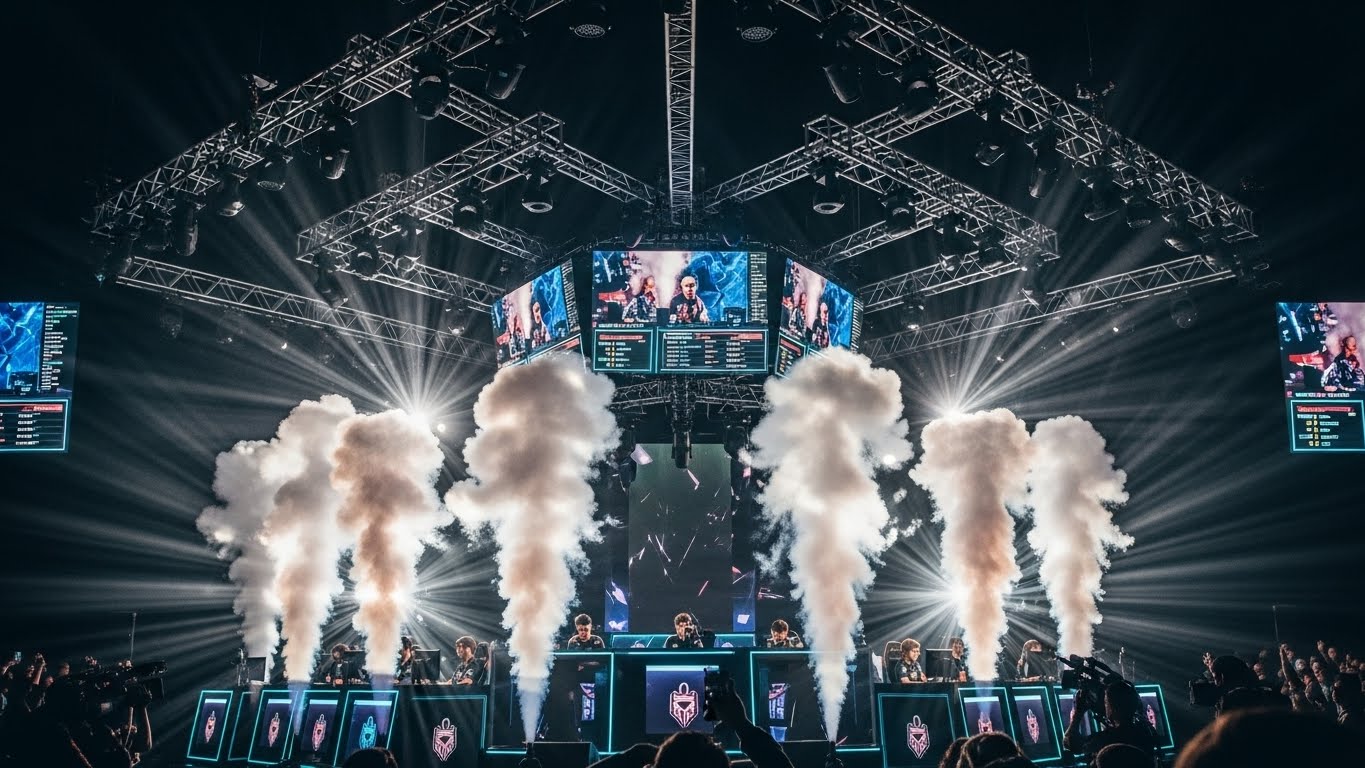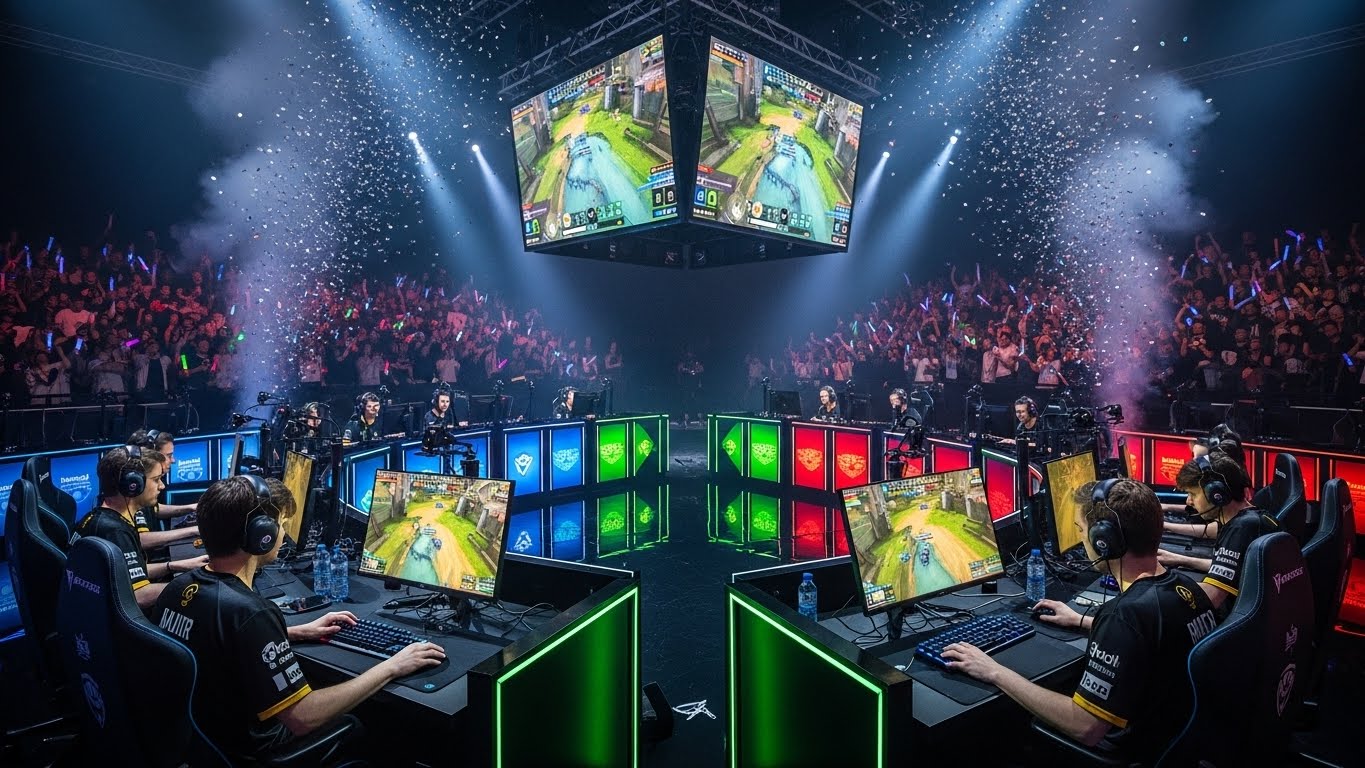
Esports has transformed the world of gaming into a global competitive phenomenon. What was once considered a casual hobby is now a professional arena where skill, strategy, and teamwork determine the champions. With millions of fans and high-stakes tournaments, esports has become a cultural and technological force shaping modern entertainment.
The Emergence of Esports
Esports, or electronic sports, began as local competitions in arcades and small online communities. Early titles like StarCraft, Counter-Strike, and Warcraft introduced competitive play and drew attention to gaming as more than just a pastime. The growth of the internet allowed players from around the world to compete online, setting the stage for today’s global esports ecosystem.
Over time, tournaments evolved into large-scale events with professional teams, live audiences, and massive prize pools. The accessibility of streaming platforms further expanded esports’ reach, connecting fans to live competitions and fostering an engaged, international community.
Popular Esports Genres
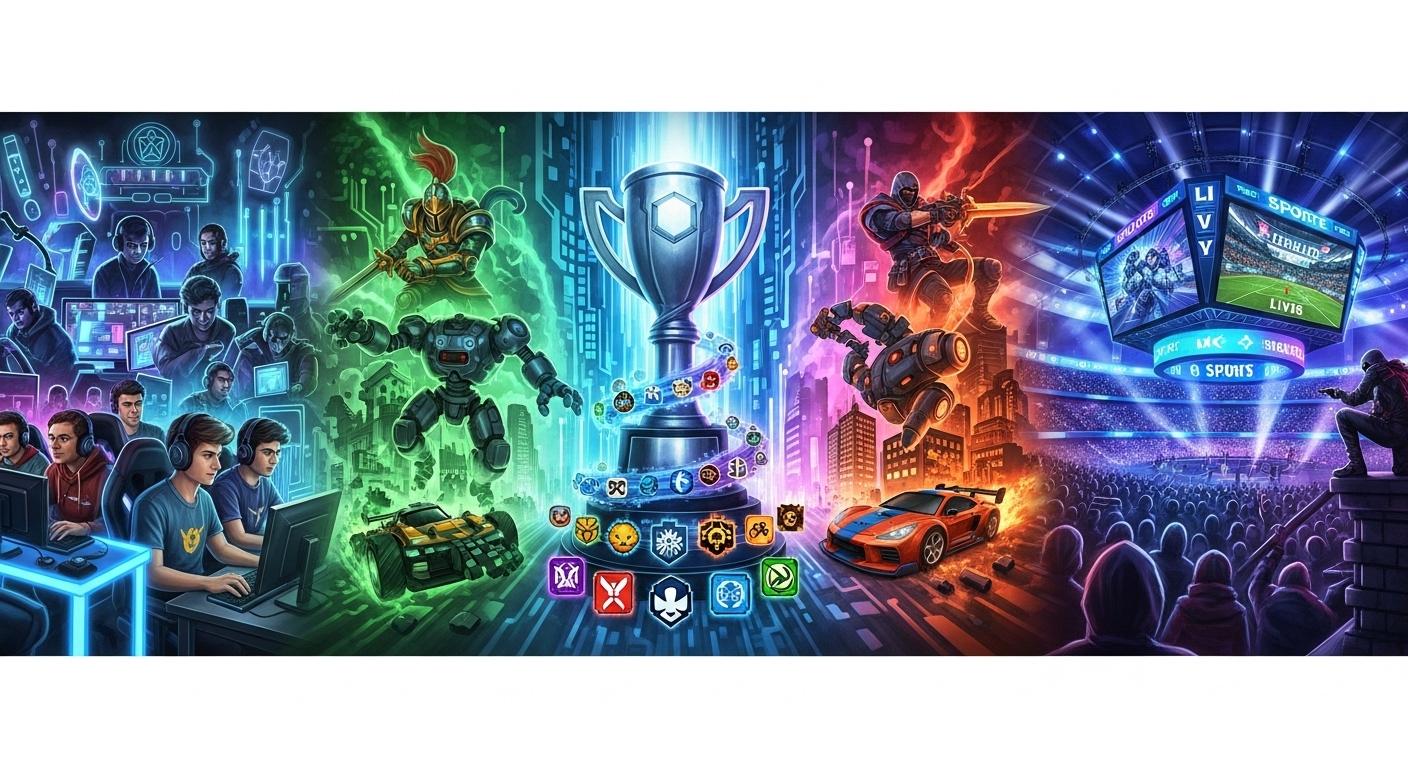
Esports is diverse, offering competitive opportunities across multiple game genres. Multiplayer Online Battle Arena (MOBA) games, such as League of Legends and Dota 2, emphasize teamwork, strategy, and decision-making. First-Person Shooters (FPS) like Counter-Strike and Call of Duty demand precision, quick reflexes, and tactical thinking.
Sports simulations like FIFA and NBA 2K bring traditional sports to the digital realm, while battle royale games like Fortnite and PUBG combine survival strategy with fast-paced action. This variety ensures that esports appeals to players and fans of all preferences.
The Cultural and Economic Impact of Esports
Esports is more than just competition—it has become a cultural phenomenon. It fosters community, teamwork, and strategic thinking. Professional players achieve recognition and influence, inspiring a new generation of gamers to pursue their passions seriously.
Economically, esports has grown into a billion-dollar industry. Sponsorships, advertising, merchandise, and tournament prize pools generate substantial revenue. The industry also creates employment opportunities in areas such as coaching, event management, broadcasting, and content creation.
Challenges Facing the Esports Industry
Despite its rapid growth, esports faces several challenges. Mental health and burnout are common among professional players due to intense schedules and high pressure. Fair play, anti-cheating measures, and maintaining integrity in competitions are ongoing concerns.
Accessibility also remains an issue. High-quality equipment and fast, reliable internet are essential for competitive play, leaving some aspiring players at a disadvantage. Ensuring inclusivity is key to the long-term growth and sustainability of esports.
The Future of Esports
The future of esports is filled with potential. Virtual reality and augmented reality could create more immersive experiences for players and spectators. Educational institutions are beginning to recognize esports, offering scholarships and programs for aspiring professionals.
Global tournaments will continue to grow in scale, and mainstream media will increasingly integrate esports into broader entertainment coverage. As technology advances, esports will not only remain a form of entertainment but also a significant cultural and economic force worldwide.
Conclusion
Esports has redefined gaming, turning it into a professional and cultural arena that captivates millions. It combines skill, strategy, teamwork, and technology in ways traditional sports often cannot. With continued innovation, inclusivity, and community engagement, esports is poised to remain a powerful force shaping the future of competition and entertainment.