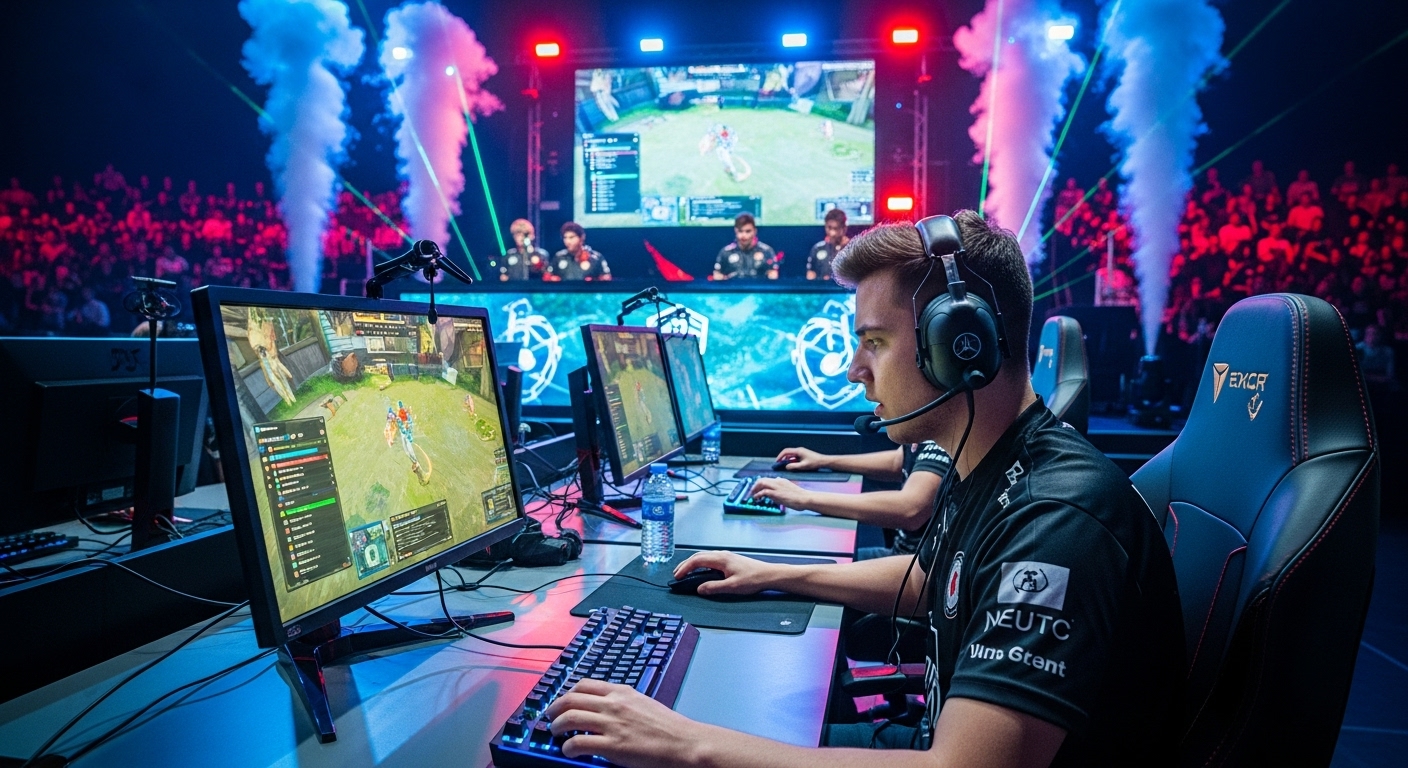
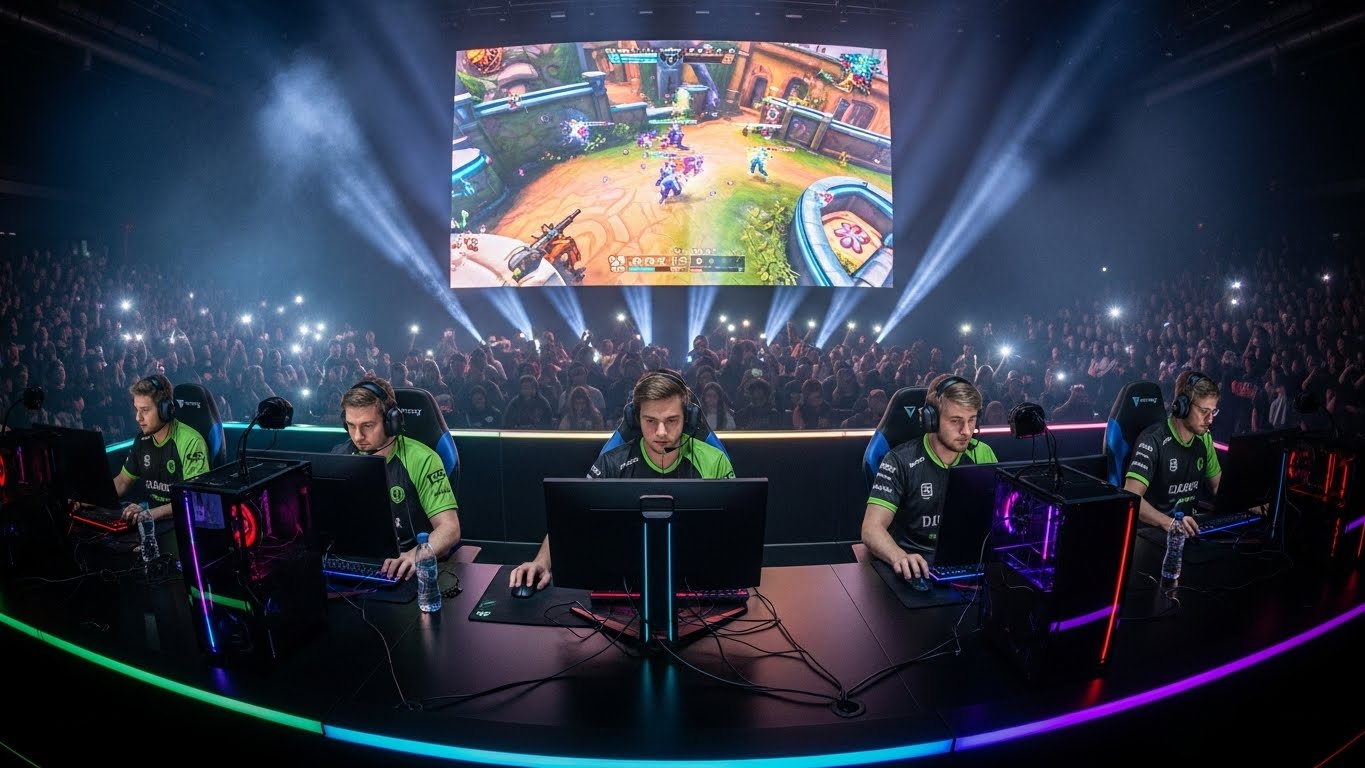
Esports has exploded from basement LAN parties and niche arcade nights to packed stadiums, multimillion-dollar prize pools, and viewership that rivals — and sometimes overtakes — traditional sports broadcasts. But not all events are the same. Some tournaments are massive because they offer eye-watering prize pools, others because of global viewership, and some because their legacy shaped the industry. This post walks you through the biggest esports tournaments in the world today, why they matter, and what makes each of them stand out.
How we define “biggest”
“Biggest” can mean several things in esports, and it’s important to be explicit:
- Prize pool — some tournaments are famous for jaw-dropping money (e.g., The International).
- Viewership — peak concurrent viewers and global reach matter (League of Legends Worlds regularly draws tens of millions across the event).
- Competitive prestige & developer backing — official “Majors” or developer-run world championships often carry weight, regardless of prize pool.
- Longevity and cultural impact — tournaments that spawn traditions, stories, or iconic moments (EVO, IEM Katowice).
I’ll cover the top tournaments across those axes — what they are, their typical scale, why they matter, and the essentials fans and newcomers should know.
1) The International (Dota 2) — the money magnet
If we’re talking prize pools, very few events come close to The International (TI). Valve’s Dota 2 world championship has, for years, topped lists for largest esports prize pools thanks to crowdfunding through in-game purchases (Battle Passes, Compendiums) that add to the base amount the developer seeds. Recent editions continue to post multi-million dollar totals that dwarf many other events, and TI is as much a cultural festival for the Dota 2 community as it is a tournament. Dota 2 Prize Pool Tracker
Why it matters:
- Record prize pools. TI has set multiple records for total money on the line.
- Community participation. The crowdfunding model makes the community an active investor in the event.
- Iconic moments. Legendary finals and “Aegis of Champions” lore fuel fan passion.
If you want to understand how esports can finance itself outside of sponsorship alone, TI is a case study.
2) League of Legends World Championship (Worlds) — viewership juggernaut
Riot Games’ League of Legends World Championship, commonly known as Worlds, is the annual pinnacle of competitive League. It combines massive global viewership, extensive broadcast production, and a tour-style format that visits different cities for stages of the tournament. Worlds’ prize pool is modest compared with TI, but its influence is enormous thanks to Riot’s production value, musical and cultural crossovers (opening ceremonies, theme songs), and a huge, dedicated player base worldwide. Recent Worlds tournaments have been staged in major arenas, with prize pools in the low millions and viewership numbers that rank among the highest in esports. Liquipedia
Why it matters:
- Global reach. Tens of millions tune in across platforms during key matches.
- Production spectacle. Riot invests heavily in show elements — music, stagecraft, and storytelling.
- Franchise & pathway. Worlds is the peak for pro players and a major brand-building moment for organizations.
Worlds is the event that turned esports spectacles into mainstream entertainment that non-players sometimes stumble upon and stay for.
3) CS:GO / CS2 Majors — the competitive gold standard
Counter-Strike’s Majors (now for Counter-Strike 2 as well) are Valve’s premier tournaments. Majors may not always have the single largest prize pools (those are often developer/crowdfunded exceptions), but they carry enormous prestige: winning a Major cements a team in Counter-Strike history. Majors typically have consistent, developer-backed prize pools (often around $1,000,000–$1,250,000 in recent years) and attract the top global teams and a passionate fanbase. Recent Majors have been hosted by major organizers like PGL and others in stadium settings. Liquipedia+1
Why it matters:
- Prestige matters more than raw cash for many players. Major wins are career-defining.
- Consistent high production & meta drama. The Counter-Strike scene is fast, tense, and historic.
- Stadium finals. Big live crowds and iconic trophy moments are commonplace.
If you care about classic esports rivalries and long histories of club dominance, Counter-Strike Majors are a must-follow.
4) VALORANT Champions — Riot’s shooter world cup
Riot’s foray into tactical shooters with VALORANT introduced a world championship structure culminating in VALORANT Champions — the game’s top event of the year. Backed by Riot, Champions has sizable prize money (multi-million in recent editions) and a global league/qualifier structure that feeds teams into the tournament. As Riot continues to push production and regional ecosystems, Champions has quickly risen to be one of the big annual events for competitive shooters. Liquipedia
Why it matters:
- Developer support. Riot’s resources provide stability and production polish.
- Global competitive structure. Regional leagues feed into international play, raising stakes.
- Growing viewership. Champions draws big numbers, especially in core shooter markets.
VALORANT Champions is the go-to for fans who want a modern, developer-led international title.
5) Fortnite World Cup — the one that shocked the world (2019)
Epic Games’ Fortnite World Cup — especially the 2019 edition — made headlines when it took place in New York City with a massive $30 million prize pool across various competitions. The Cup made esports headlines outside the usual circles because Fortnite is a cultural phenomenon beyond competitive play: streaming, creator economy, and massive casual player bases all converged at the World Cup. While Epic did not continue the event in the same format annually, that 2019 edition remains one of the most talked-about single esports prize pools and a clear moment when mainstream media noticed esports at scale. Wikipedia+1
Why it matters:
- Mainstream crossover. Fortnite’s popularity made the tournament a cultural headline.
- Massive, headline prize pool. $30 million across events made global news.
- Creator & youth appeal. The event highlighted how creator culture and competitive play can intermingle.
Even as formats change, Fortnite’s World Cup put the spotlight on how battle royale titles can translate into major competitive draws.
6) EVO Championship Series — the fighting game summit
EVO (Evolution Championship Series) is the largest and longest-running fighting game tournament, and it’s where fighting game legends are made. Unlike the developer-driven model of Riot or Valve, EVO is community-rooted, history-rich, and spans many different fighting games (Street Fighter, Tekken, Mortal Kombat, Guilty Gear, and more). EVO’s importance lies in legacy and culture; its moments (classic clutch parries, upsets, and “Evo moments”) live forever in fighting game lore. EVO’s structure celebrates grassroots entrants and pro levels together, creating unique narratives. Wikipedia+1
Why it matters:
- Cultural legacy. EVO has defined the fighting game community’s storylines for decades.
- Wide game diversity. It’s a festival of multiple fighting titles, not just one ecosystem.
- Community spirit. EVO showcases community passion and grassroots competitors rising to fame.
If you want raw, moment-based excitement and a peek into gaming culture’s heart, EVO delivers.
7) IEM Katowice and Intel Extreme Masters — esports’ evergreen series
Intel Extreme Masters (IEM), especially the Katowice stop, has long been one of the highest-profile esports festivals in Europe. With Counter-Strike and other titles featured in premium production, IEM Katowice became a must-attend event for fans in Europe and beyond. Over time, IEM evolved into a series hosting several marquee events worldwide, often with prize pools in the millions and strong live attendance. IEM’s brand endurance and consistent staging make it a top global esports property. Esports Charts+1
Why it matters:
- Festival atmosphere. IEM blends expo elements, fans, and high-level competition.
- Regional prestige. For many teams, winning Katowice is a career highlight.
- Consistent production and reach. IEM events are reliable showcases for top teams.
8) Overwatch/OWL and other developer-run league finals
Franchise leagues like the Overwatch League (OWL) and Call of Duty League (CDL) bring a city-franchise model to esports. Their season finals or world finals are “big” in the sense of production, franchising dollars, and story arcs across months. Prize pools vary, but these leagues aim at consistent seasonal engagement — tickets, broadcast rights, and city-based fandom — rather than single huge jackpots. The OWL world finals and CDL championship nights are comparable to playoff finals in traditional sports for their communities. Wikipedia
Why it matters:
- Franchise stability. Teams operate like traditional sports clubs with city identities.
- Season arcs. Long seasons create narrative investment.
- Local fan bases. Live finals fill arenas, building local esports culture.
9) Rocket League, PUBG, and other sport-adjacent championships
Titles like Rocket League and PUBG (and others such as Apex Legends or Rainbow Six Siege) have their own flagship events — Rocket League Championship Series (RLCS) or PUBG Global Championship — that are massive within their genres. These events typically blend developer support, sponsor funds, and league systems to produce global finals with sizable prize pools and loyal fan followings. Each ecosystem’s top event reflects its player base and broadcast strategies.
Why they matter:
- Genre variety. Different game styles bring different crowds — high-skill vehicular soccer, tactical battle royale, etc.
- Cross-platform reach. Many of these titles have wide platform penetration, boosting accessibility.
- Competitive ecosystems. Pro circuits feed into global finals, making these events the culmination of a season.
10) How prize pools, viewership, and prestige interact
A few quick patterns you’ll notice across these tournaments:
- Prize pool ≠ prestige. Big money helps, but legacy and developer support often determine prestige. The International is prized for its money and lore; CS Majors are prized for history even if prize pools are smaller. Dota 2 Prize Pool Tracker+1
- Developer backing matters. Riot, Valve, Epic, and other publishers can invest in production and cross-media exposure. This builds mainstream reach even if prize pools differ. Liquipedia+1
- One-off vs. recurring spectacles. One-time spectacles (e.g., Fortnite’s 2019 World Cup) can burst onto the scene with huge money and media buzz; recurring events build prestige and long-term audiences. Wikipedia
11) The fan experience — what makes a tournament feel “big” live
Seeing esports on your screen is different from being in the arena. Here’s what transforms a tournament into an unforgettable live experience:
- Scale of production. Massive stages, LED sets, and synced music give the show a stadium feel (Worlds, TI, EVO finals). Liquipedia+1
- Festival elements. Fan meetups, merch, content creators, and side tournaments (IEM, EVO) create an event beyond competition. Esports Charts+1
- Community rituals. Chants, cosplay, and iconic moments (parries, clutch plays) become part of the lore. EVO and TI are filled with these moments. Wikipedia+1
12) The economics: sponsors, media rights, and prize funding
Big events are expensive: production, venue, broadcast, and team logistics add up. Funding usually comes from a mix of:
- Developer support (Riot, Valve seed money and/or crowdfunding). Dota 2 Prize Pool Tracker+1
- Sponsorship & advertising (hardware brands, energy drinks, telecoms, apparel).
- Media rights & platform partnerships (Twitch, YouTube, regional broadcasters).
- Ticket sales & merchandise.
Crowdfunding (as seen at TI) is a unique model that directly ties fans to prize pools, while franchised leagues rely more on sponsorships and media deals.
13) Notable trends shaping these events
- Regional expansion & localization. Many tournaments rotate host cities to grow regional markets (Worlds travels; IEM tours). Liquipedia+1
- Cross-media storytelling. Opening ceremonies, music collaborations, and documentary content deepen fan engagement (Riot leads here). Liquipedia
- Sustainability & monetization experimentation. From Battle Pass models to long-term franchise fees, organizers keep testing business models to balance spectacle with sustainable growth. Dota 2 Prize Pool Tracker+1
14) Quick guide: how to watch and what to expect for each major tournament
- The International (Dota 2): Expect massive prize pools, intense storylines, and a multi-day arena final. Follow Valve’s Dota 2 channels and major esports broadcasters. Dota 2 Prize Pool Tracker
- Worlds (League of Legends): High production openings, multi-city stages, and accessible English casts — great for new viewers. Liquipedia
- CS:GO/CS2 Majors: Tense matchups, historic rivalries, and passionate live crowds — tune into organizers like PGL/BLAST and official streams. Liquipedia+1
- VALORANT Champions: Modern shooter meta, developer support, and polished broadcast; Riot’s VCT channels host qualifiers and finals. Liquipedia
- Fortnite World Cup (notably 2019): If Epic revives similar events, expect huge prize pools and mainstream attention — keep an eye on Epic’s official announcements. Wikipedia+1
- EVO: For raw fighting game action and historic moments — watch multiple games and enjoy the community vibe. Wikipedia+1
- IEM & other festival events: Great for festival atmosphere and seeing many top teams across events. Esports Charts
15) The human side: players, pressure, and the hero narratives
What turns a tournament into an unforgettable story are the people: underdogs, veteran legends, and breakout teenagers. The biggest tournaments amplify pressure: millions watching, sponsor expectations, and career stakes. That tension creates the most memorable moments — a perfect clutch, a surprising upset, or a team finally lifting the trophy after years of trying. Those narratives are the heart of esports’ emotional appeal.
16) What to look for next — rising contenders and formats
- Hybrid formats. Expect more mixed online/offline qualifiers feeding big live finals.
- New titles & new world championships. As publishers launch new competitive titles, new flagship tournaments will emerge (as VALORANT did). Liquipedia
- Sustainable prize models. Hybrid funding (sponsor + fan contribution) could balance spectacle with fiscal responsibility. Dota 2 Prize Pool Tracker
17) Final thoughts — what “biggest” really means
“Biggest esports tournaments” is not a single, fixed list — it’s a living category shaped by money, viewership, culture, and time. The International leads when it comes to eye-popping prize pools; Worlds leads in global spectacle and storytelling; Majors and IEM bring longtime prestige and consistent competitive excellence; EVO holds fighting game lore; and one-offs like Fortnite’s 2019 World Cup show how a title can briefly dominate the cultural conversation.
If you’re new to watching esports, pick one event in a genre you enjoy and dive in: the production values, commentary, and community will make the experience memorable. If you already follow esports, you know that each tournament brings its own flavor — from the ceremony of Worlds to the raw energy of EVO and the money drama of TI.