Introduction: The Phenomenon of Esports
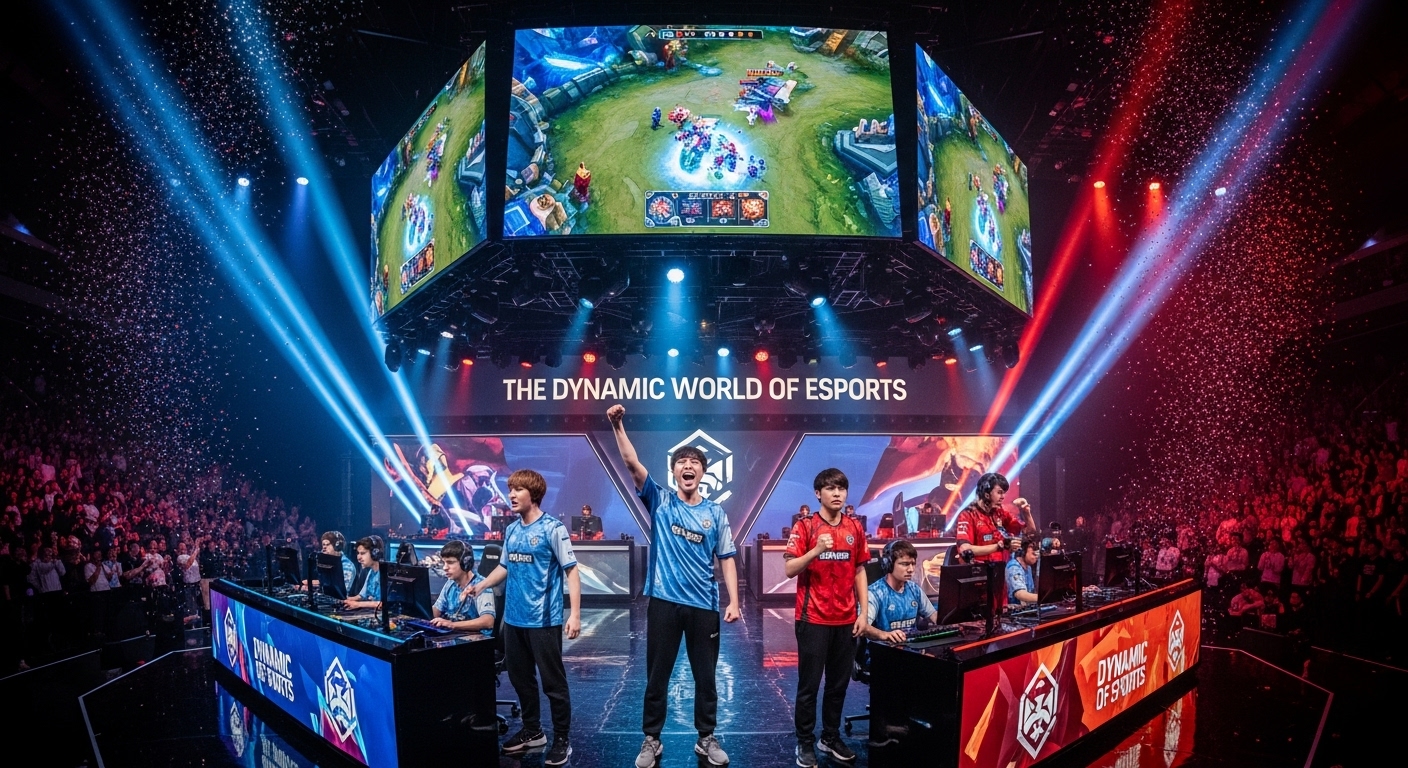
In the last decade, the world of competitive gaming has evolved from a niche hobby to a global phenomenon. Esports, short for electronic sports, now commands the attention of millions worldwide. What started as casual gaming among friends in arcades and living rooms has transformed into a multi-billion-dollar industry, with professional players, teams, and tournaments gaining recognition on the same scale as traditional sports. In this blog post, we will explore how esports have risen to prominence, the factors contributing to their growth, and their lasting impact on the entertainment and gaming industries.
Understanding Esports: More Than Just Playing Games
At its core, esports refers to organized, multiplayer video game competitions, particularly between professional players, individually or as teams. These competitions are typically held for popular titles such as League of Legends, Dota 2, Counter-Strike: Global Offensive, Fortnite, Overwatch, and Call of Duty, among many others. Unlike casual gaming, esports players engage in intense, structured competition that involves strategy, teamwork, and skill.
However, the appeal of esports goes beyond the players themselves. Esports are supported by a vast ecosystem, including coaches, analysts, managers, broadcasters, and even sponsors. This growing community has helped to elevate esports from being “just another game” to a highly sophisticated and professional industry.
The Growth of Esports: A Global Trend
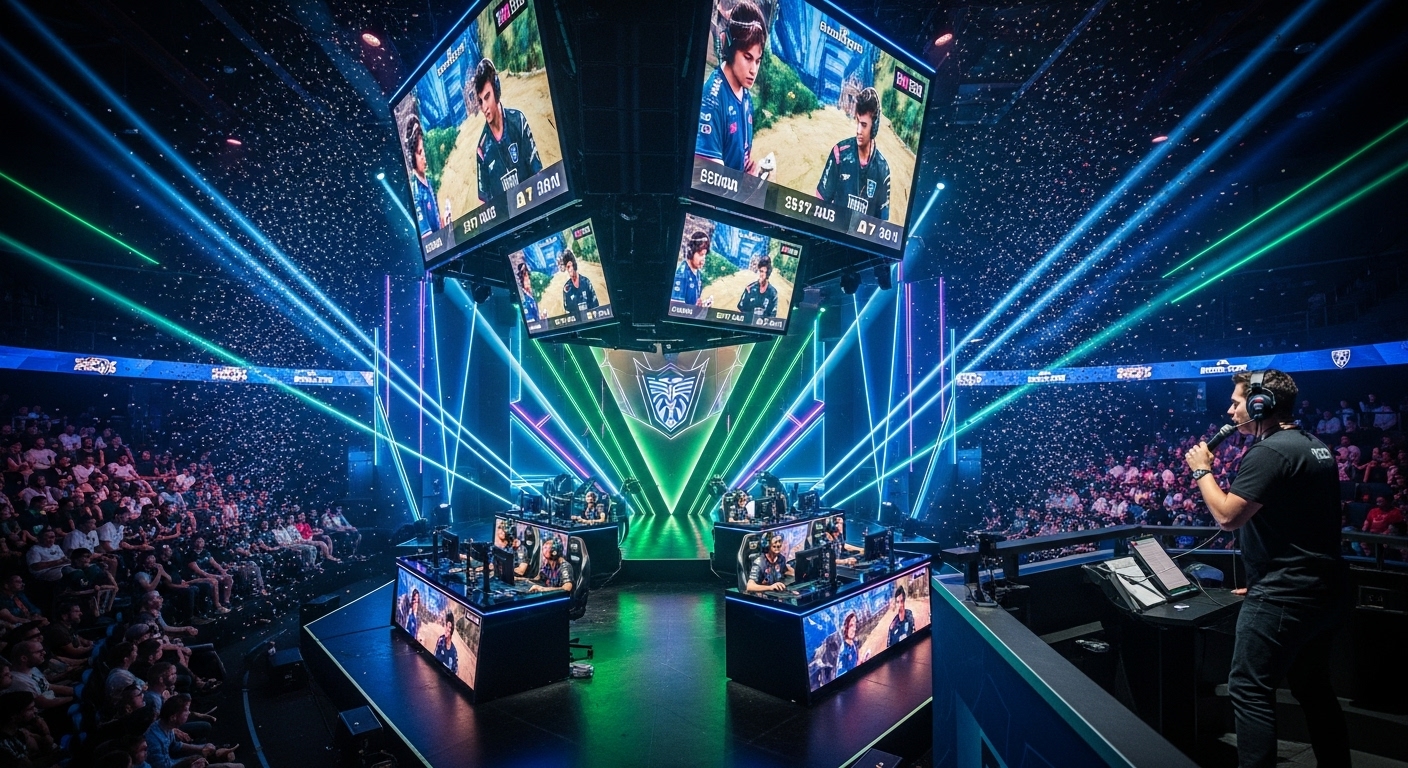
One of the most notable aspects of esports is its global reach. Esports tournaments are now streamed and broadcasted to millions of viewers across various platforms like Twitch, YouTube, and Facebook Gaming. In fact, esports viewership has surpassed that of traditional sports in certain regions. For example, the League of Legends World Championship attracts more viewers than the Super Bowl in some years, especially among younger demographics.
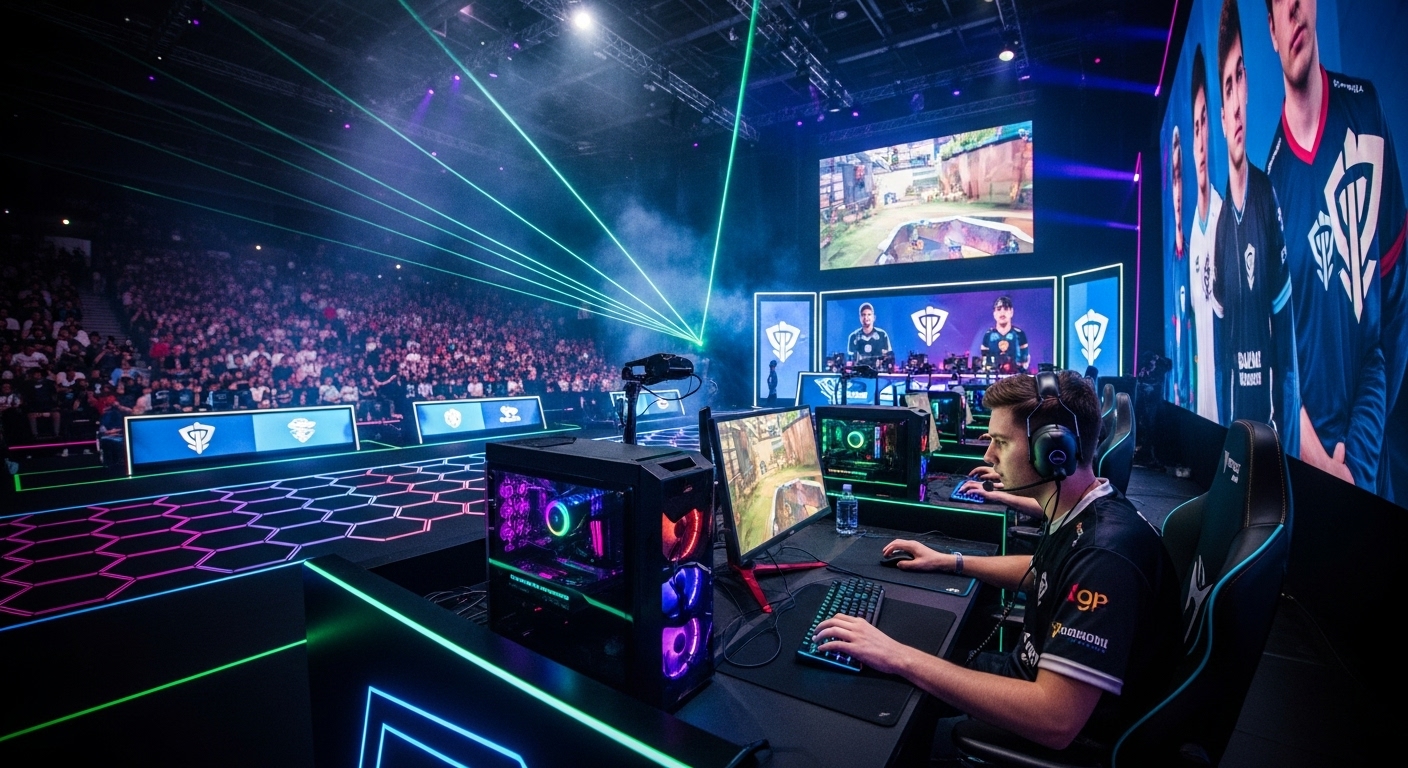
This global appeal is fueled by the widespread accessibility of gaming devices. Unlike traditional sports, which often require specialized equipment or facilities, all you need to compete in esports is a gaming computer or console, an internet connection, and the game itself. The low barrier to entry has allowed esports to grow in popularity, particularly in regions such as Asia, Europe, and North America.
The Professionalization of Esports: From Casual to Career
One of the key factors driving the rise of esports is the increasing professionalization of the industry. In the early days, competitive gaming was largely informal. Gamers competed for bragging rights, and any financial rewards were often small-scale. Today, esports tournaments boast prize pools that can reach tens of millions of dollars. The International, a premier Dota 2 tournament, has become famous for its record-breaking prize pools, with the 2018 edition offering over $25 million in prizes.
Esports has also become a viable career path for many talented gamers. Professional players are not just earning money through tournaments, but also from sponsorships, streaming, merchandise sales, and coaching. Teams and organizations, such as Cloud9, TSM, and G2 Esports, have established themselves as brands, signing lucrative sponsorship deals with global companies such as Coca-Cola, Intel, and Red Bull.
The professionalization of esports has also led to the rise of esports academies and universities offering degrees in esports management, coaching, and production. These programs provide the next generation of players, coaches, analysts, and broadcasters with the tools and knowledge needed to succeed in the competitive gaming industry.
The Role of Technology in Esports
Technological advancements have played a critical role in the rise of esports. The evolution of gaming hardware, including powerful computers, consoles, and peripherals, has improved the gaming experience for both players and viewers. The increasing speed and stability of internet connections have also made online play smoother, allowing players to compete against opponents from around the world in real-time.
Streaming platforms like Twitch and YouTube Gaming have also revolutionized the way esports are consumed. High-definition streaming, live chats, and interactive features have made it easier for fans to engage with their favorite teams and players. These platforms have created new opportunities for monetization, where content creators can earn revenue through subscriptions, donations, and ad revenue.
Virtual and augmented reality technologies are also beginning to make their way into the esports world. Although still in its infancy, these technologies have the potential to create entirely new forms of competition and fan interaction. Imagine experiencing a live esports match through virtual reality, where fans can virtually “sit” in the front row and watch the action unfold from any angle.
Esports and Traditional Sports: A Symbiotic Relationship
Esports and traditional sports have often been seen as two distinct entities, but the relationship between the two has evolved over time. Many professional sports leagues, such as the NBA and NFL, have begun investing in esports teams and leagues. This cross-pollination between esports and traditional sports is a sign of the growing legitimacy of esports in mainstream culture.
In addition, many esports players come from traditional sports backgrounds, bringing their competitive mindset and discipline to the virtual world. The similarity between the mental fortitude required for esports and traditional sports is undeniable. Both require intense focus, strategic thinking, and the ability to perform under pressure.
Esports also offer traditional sports teams and organizations a unique opportunity to expand their reach to a younger audience. Many traditional sports fans are also avid esports enthusiasts, and esports events can serve as a bridge between these two worlds, expanding the fan base for both.
The Future of Esports: What Lies Ahead
As esports continue to grow, the future looks incredibly promising. The industry is expected to generate billions of dollars in revenue, with projections for continued growth in the coming years. New technologies, such as 5G and artificial intelligence, are likely to play a key role in the next phase of esports’ evolution, offering even more immersive and engaging experiences for players and fans alike.
Esports will likely continue to gain mainstream acceptance, with traditional media outlets and broadcasters increasing their coverage of esports events. More sports arenas will be repurposed for esports tournaments, and we may even see esports integrated into the Olympic Games in the future. The possibilities for growth are endless, as the intersection of gaming, technology, and entertainment creates new opportunities and avenues for fans and players to connect.
The Social Impact of Esports: Bringing People Together
Beyond the financial and professional aspects, esports has a profound social impact. The global nature of esports means that people from diverse backgrounds and cultures can come together and share a common passion. Whether through online multiplayer games or watching a live stream of an esports event, players and fans form communities that transcend geographical boundaries.
Esports has also become a platform for social interaction, where individuals can connect with others who share similar interests. Social media platforms, forums, and streaming services allow fans to interact with their favorite players and fellow enthusiasts, creating a sense of belonging and camaraderie.
Additionally, esports have become a form of empowerment for many individuals who might have otherwise felt marginalized. Esports provides an avenue for people, especially younger generations, to express themselves and compete on a global stage. The rise of female players and teams in esports has also helped break down gender barriers, proving that competitive gaming is open to all.
Conclusion: Esports – The Future of Entertainment
Esports is no longer just a trend or a hobby; it is a full-fledged industry that is changing the landscape of entertainment. From its humble beginnings to its status as a global powerhouse, esports has captured the imagination of millions and continues to shape the way we think about competition, sportsmanship, and gaming.
As technology continues to advance and esports continues to grow, the future looks bright for players, fans, and organizations alike. Esports will continue to push the boundaries of what is possible in gaming and entertainment, creating new opportunities, experiences, and communities along the way. Whether you’re a seasoned player, an avid fan, or just someone curious about the world of esports, there’s no denying that the digital revolution is well underway, and esports is leading the charge.