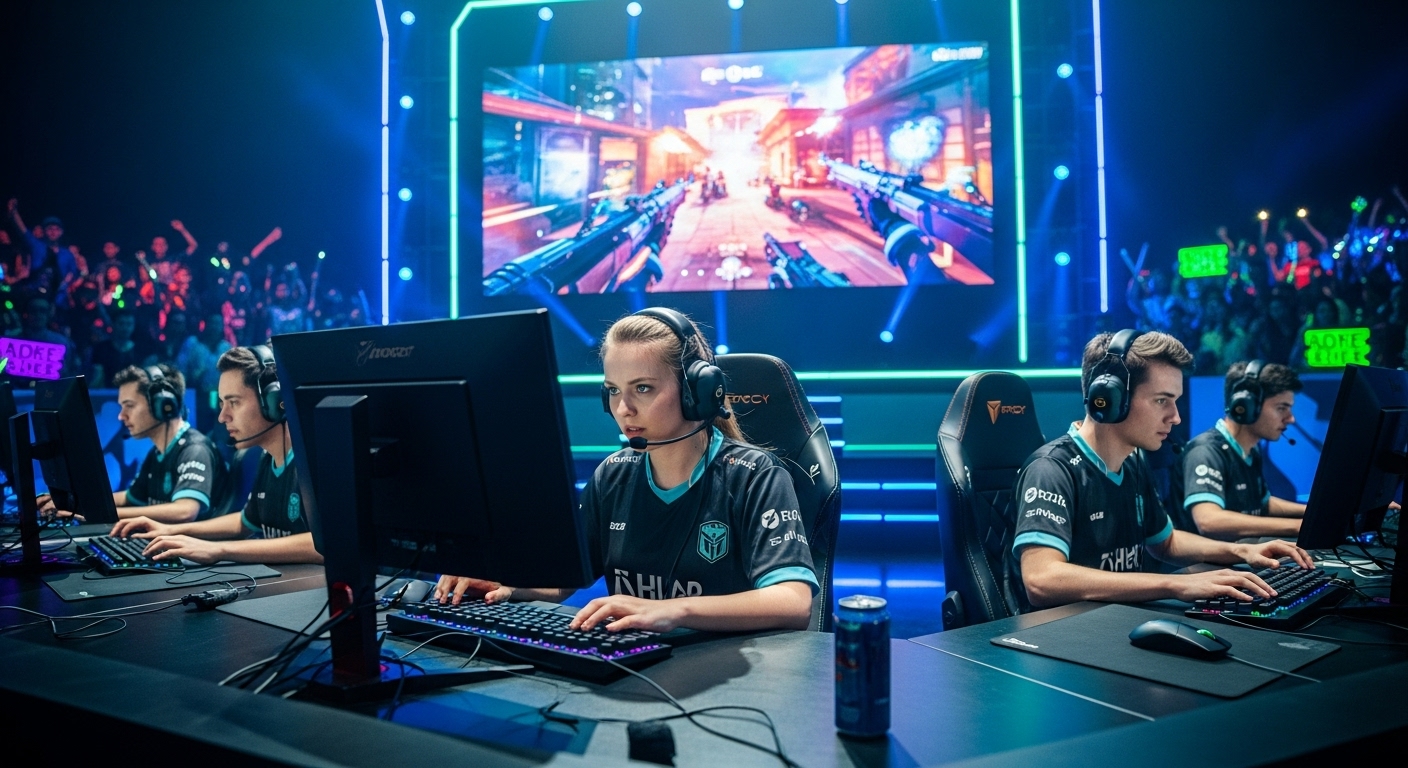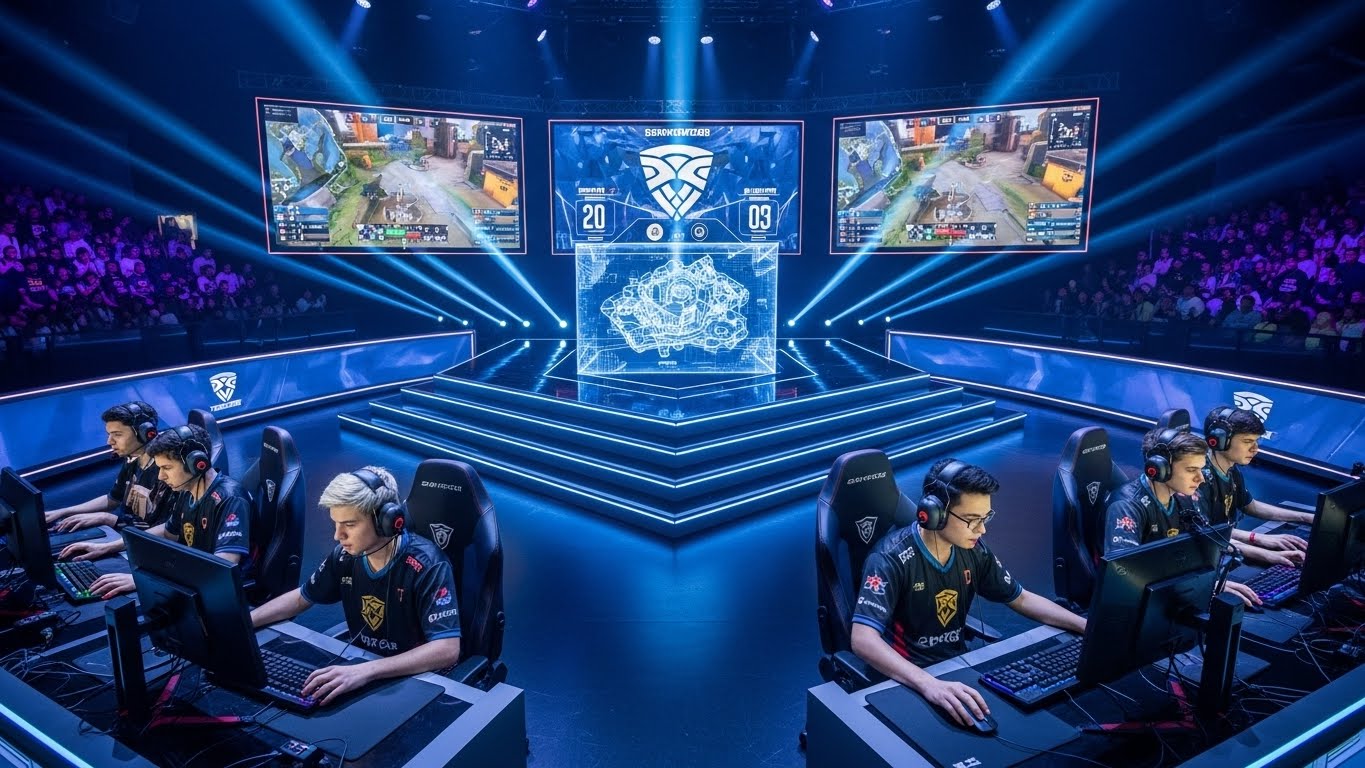
Esports, once a niche activity limited to a small group of enthusiasts, has exploded into a global phenomenon that’s reshaping the future of competitive entertainment. What was once a pastime enjoyed by a select few has evolved into a multi-billion-dollar industry, attracting millions of viewers, investors, and participants from around the world. As esports continues to grow and expand, it is not just changing how we experience gaming; it is revolutionizing the way we think about competition, media, and even careers. This blog will explore the rise of esports, its impact on society, and its future potential as a dominant force in the world of entertainment.
The Origins of Esports: A Humble Beginning
While the term “esports” might be relatively new, the concept of competitive gaming has been around since the early days of video games. In the late 1970s and early 1980s, arcade machines like Space Invaders and Pong became popular, sparking friendly competition among players. However, it wasn’t until the 1990s that the idea of organized tournaments began to take shape. Early multiplayer games like Quake and StarCraft allowed players to connect over local area networks (LANs) and compete in online matches.
The first major esports tournament, the Red Annihilation tournament held in 1997 for Quake, is often considered the starting point of competitive gaming as we know it today. These early tournaments were typically small, grassroots events that attracted dedicated players. However, the seeds for something much larger had been planted, and by the early 2000s, esports began gaining momentum, fueled by the increasing availability of the internet and the growing popularity of games like Warcraft III and Counter-Strike.
By the mid-2000s, professional gaming organizations and leagues were starting to emerge, and the first real “esports stars” began to surface. Titles like StarCraft and League of Legends began attracting larger audiences, and esports tournaments started to gain significant sponsorships and media coverage. From this point forward, the esports industry would experience rapid growth, becoming a global, multi-faceted enterprise.
Esports Today: A Thriving Global Industry
The growth of esports over the last decade has been nothing short of extraordinary. Today, esports is a billion-dollar industry, with revenues from sponsorships, advertising, merchandise sales, and streaming platforms contributing to its success. Major esports tournaments can now fill stadiums, and viewership numbers rival traditional sports events. For example, the League of Legends World Championship, held annually, attracts millions of viewers from around the globe. In 2019, the final match alone attracted over 100 million viewers, making it one of the most-watched esports events in history.
Esports has also become a mainstream form of entertainment. The advent of live-streaming platforms like Twitch has revolutionized the way audiences engage with gaming. Through these platforms, players can not only watch live tournaments but also interact with their favorite gamers, creating a community-based atmosphere around gaming. Popular streamers like Ninja and Shroud have transcended gaming, becoming household names and even branching out into traditional media. These influencers are an integral part of esports’ success, drawing millions of fans to watch them play, learn, and engage with the gaming community.
The professionalization of esports has been another key factor in its rise. Top-tier esports organizations now operate just like traditional sports teams, with player rosters, coaching staffs, sponsorship deals, and salaries that rival those of traditional athletes. Esports players are now treated as professionals, with contracts, health insurance, and even training facilities to help them compete at the highest level. In fact, some esports stars are now earning six-figure salaries and are treated like celebrities in their respective gaming communities.
The Global Appeal of Esports
One of the most remarkable aspects of esports is its global nature. Unlike traditional sports, which are often constrained by geography or cultural preferences, esports transcends borders. Players and fans from all over the world can participate in or watch tournaments regardless of where they live. This international reach is one of the reasons esports has grown so quickly and has become such a powerful cultural force.
The global appeal of esports is also seen in its diverse player base. While traditional sports are often dominated by athletes from a specific country or region, esports features players from all corners of the globe. Countries like South Korea, China, the United States, and European nations have all become hotbeds for esports talent, and major tournaments regularly feature teams from these regions competing at the highest level. This international diversity fosters a sense of community and camaraderie among fans and players, as everyone shares a passion for gaming and competition, regardless of their background.
Moreover, esports’ accessibility is a key factor in its worldwide popularity. Unlike traditional sports, which often require specialized equipment and facilities, esports can be played from the comfort of one’s own home with just a computer or console and an internet connection. This low barrier to entry has allowed people from all walks of life, including those in remote or underserved regions, to participate in or follow esports. The rise of mobile gaming has only accelerated this trend, allowing even more people to enjoy esports on the go.
Esports and its Economic Impact
Esports is not only an entertainment powerhouse, but it is also an economic force. In recent years, esports has generated billions of dollars in revenue through sponsorships, media rights, advertising, and merchandise. Major brands such as Intel, Coca-Cola, Red Bull, and Nike have all invested in esports, recognizing the opportunity to tap into a younger, tech-savvy audience. Sponsorships and advertising make up a significant portion of esports revenue, and as the industry continues to grow, the potential for further financial growth remains immense.
The esports industry also creates jobs in a variety of fields. In addition to professional players, the industry requires coaches, analysts, event organizers, broadcasters, marketing professionals, and content creators. Many universities now offer degrees and certifications in esports management, and high schools are beginning to establish esports programs, giving students the chance to explore careers in the rapidly expanding industry.
In addition to direct revenue generation, esports has helped boost related industries. For example, the rise of streaming platforms like Twitch and YouTube Gaming has had a positive impact on the broader tech and entertainment industries, driving the growth of online streaming, video production, and live event broadcasting. Similarly, gaming peripherals such as gaming laptops, controllers, and headsets have seen a surge in demand, further contributing to the economy.
Esports in Education: A New Frontier for Learning
Esports’ integration into education has been one of the most exciting developments in recent years. Many schools and universities now offer esports programs, recognizing the value of gaming as both a competitive activity and an educational tool. Esports can help students develop skills such as teamwork, communication, leadership, and critical thinking—all of which are essential for success in the modern world.
In fact, some universities are offering scholarships for esports athletes, much like traditional sports. Esports scholarships provide students with an opportunity to pursue higher education while competing professionally in video games. This has opened up new career paths for young people and has legitimized esports as a serious activity with tangible career potential. Additionally, students who are interested in the business side of gaming can pursue degrees in areas such as esports management, broadcasting, and game design, preparing them for roles within the growing esports ecosystem.
Moreover, esports can be used as a tool to engage students in the classroom. Games like Minecraft, League of Legends, and Overwatch are increasingly being used in educational settings to teach everything from history and science to teamwork and problem-solving. The immersive and interactive nature of these games helps students learn in a fun and engaging way, making education more dynamic and relevant to the digital age.
The Future of Esports: What Lies Ahead?
As esports continues to grow, the future looks incredibly bright. With advances in technology, particularly virtual reality (VR) and augmented reality (AR), esports is poised to become even more immersive and interactive. Imagine being able to watch a live esports match from the perspective of a player, experiencing the action firsthand as if you were right there in the arena. VR and AR technologies will bring a whole new level of engagement for both players and fans, transforming the way we watch and experience esports.
In addition, the rise of mobile gaming will continue to expand the reach of esports, making it more accessible than ever before. Mobile games like PUBG Mobile and Clash Royale are already dominating the esports scene in certain regions, and as smartphones continue to improve, mobile esports will only become more prevalent.
Esports is also likely to continue its integration with other forms of entertainment. As major esports tournaments become bigger spectacles, we can expect more collaborations with music artists, film productions, and even celebrities, creating a fusion of gaming and mainstream culture. The lines between traditional sports, music, and digital entertainment will continue to blur, creating new opportunities for cross-industry collaboration and audience engagement.
Conclusion: A New Era for Entertainment
Esports has firmly established itself as a force to be reckoned with in the world of entertainment. It has grown from a niche activity into a multi-billion-dollar industry, with a global audience and a diverse range of participants. Its rise has not only changed how we view gaming but has also opened up new career opportunities, educational pathways, and economic possibilities.
As technology continues to advance and the industry evolves, esports will only continue to grow. It is no longer just a hobby or a pastime; it is a legitimate form of competition, entertainment, and culture. For gamers, fans, and entrepreneurs alike, the future of esports is filled with promise, innovation, and endless possibilities. This digital revolution is here to stay, and its impact will continue to be felt for generations to come.