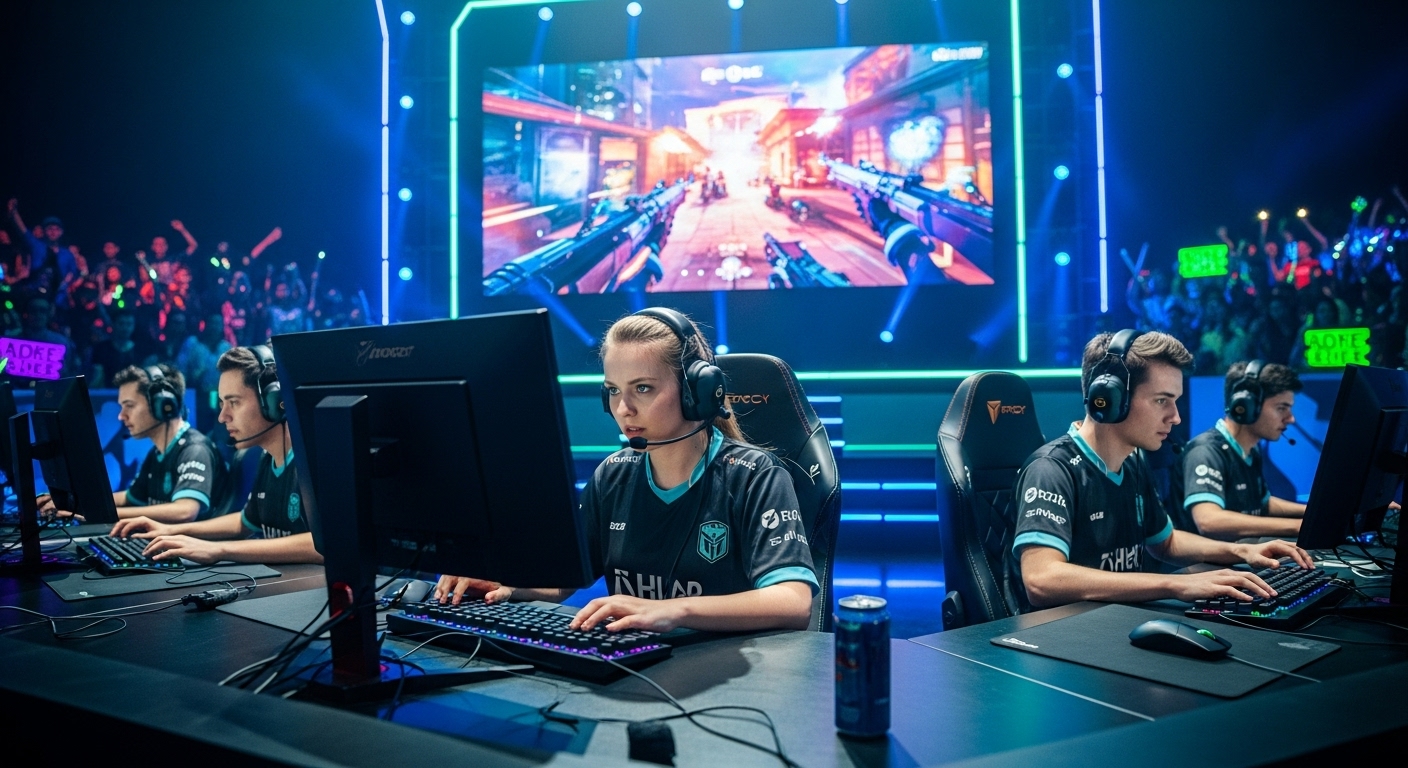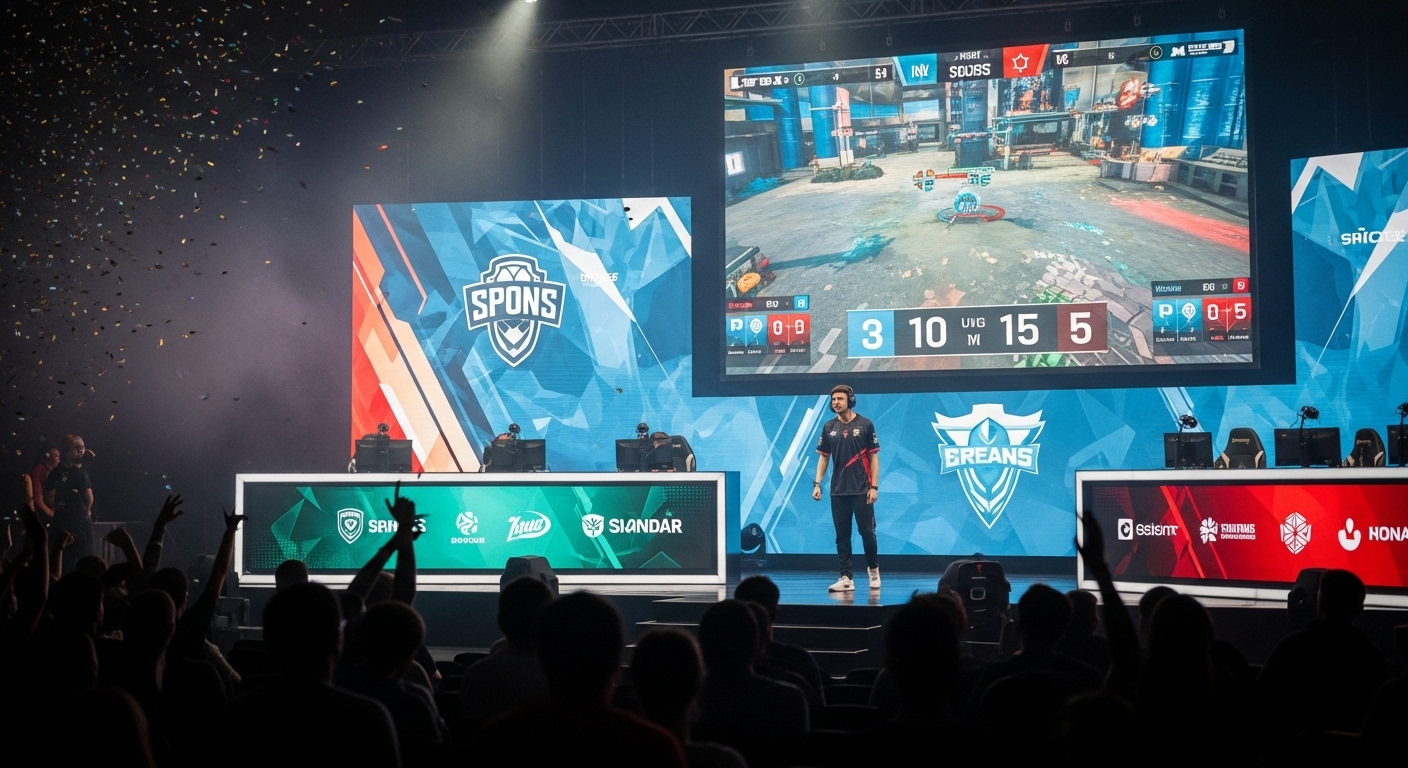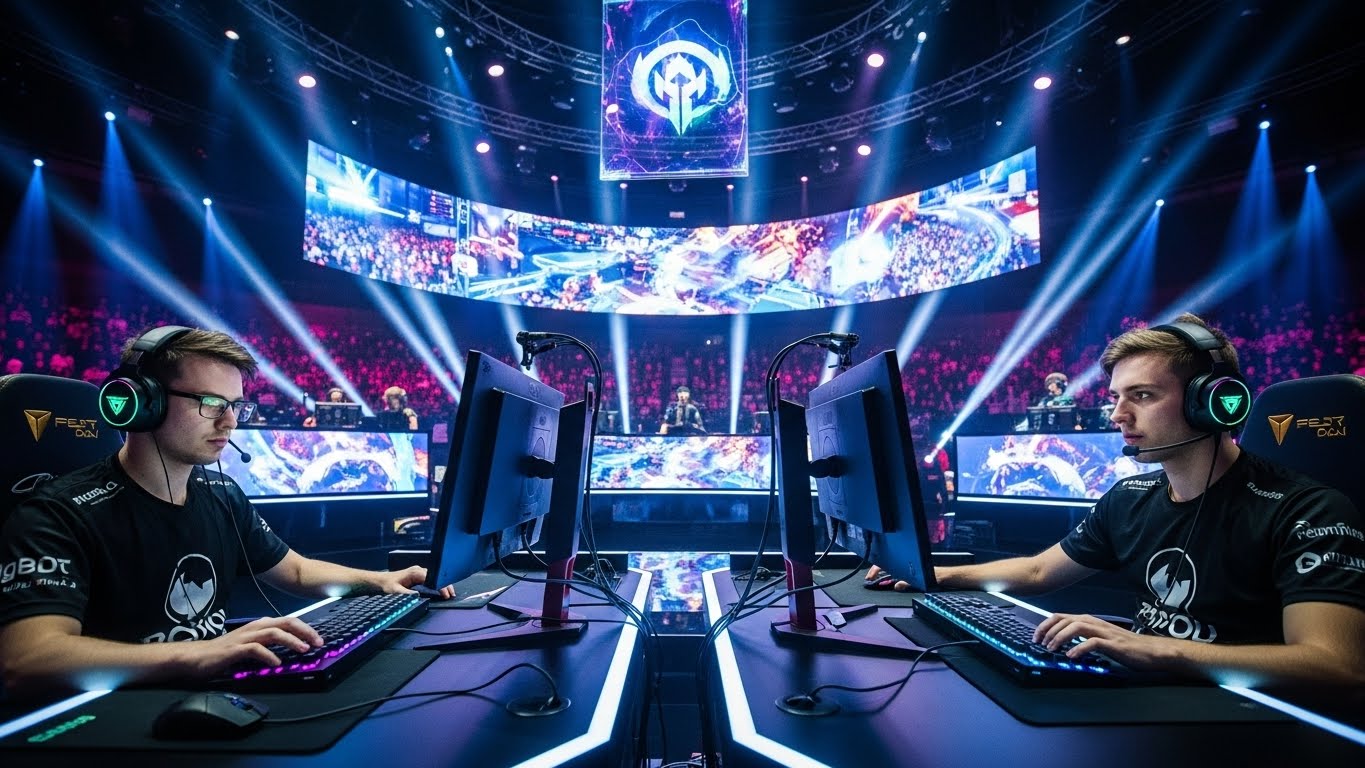
Esports has evolved into one of the most influential entertainment industries of the modern era. What once began as casual competition among gamers has transformed into a global spectacle with professional players, massive audiences, and cultural significance. Esports today stands at the intersection of technology, competition, and community, redefining how people perceive sports and digital interaction. This blog explores the journey of esports, its structure, cultural impact, challenges, and the future it holds.
Understanding the Essence of Esports
Esports, short for electronic sports, refers to organized competitive video gaming where players or teams face each other in skill-based contests. Unlike traditional gaming, esports demands discipline, strategy, teamwork, and relentless practice. Players compete in structured environments governed by tournament rules, rankings, and professional standards.
Games featured in esports span multiple genres including strategy, shooters, sports simulations, and fighting games. Each title requires unique skills, mental agility, and mastery of mechanics. Professional esports players train for hours daily, analyzing gameplay, refining tactics, and improving coordination with teammates. This dedication places esports firmly in the realm of competitive sports rather than casual recreation.
The Evolution from Hobby to Global Industry
The rise of esports did not happen overnight. Early competitive gaming communities formed around local events and small tournaments. With the growth of internet connectivity and digital platforms, competitions became more accessible, allowing players from different regions to compete and audiences to watch live.
As viewership increased, sponsors and investors recognized esports’ potential. Prize pools grew, production quality improved, and professional organizations emerged. Today, esports events fill stadiums, attract international audiences, and generate significant revenue through sponsorships, advertising, merchandise, and media rights. The industry’s growth mirrors that of traditional sports leagues, solidifying esports as a mainstream form of entertainment.
The Structure of Competitive Esports
Esports operates through a layered competitive structure. At the grassroots level, amateur players participate in online matches and local tournaments. Talented individuals progress to semi-professional leagues, where they gain exposure and experience. The highest tier consists of professional leagues and international championships featuring elite teams and players.
Professional esports teams function much like traditional sports franchises. They employ coaches, analysts, managers, and support staff to enhance performance. Players often live and train together, focusing on teamwork, strategy development, and physical and mental conditioning. Contracts, salaries, and transfer systems further emphasize esports’ professional nature.
Esports and the Power of Technology
Technology is the backbone of esports. High-performance gaming equipment, fast internet infrastructure, and advanced software tools enable seamless competition and global broadcasts. Streaming technology allows fans to watch matches live, interact with commentators, and engage with communities in real time.
Data analytics plays a growing role in esports. Teams analyze player performance, opponent behavior, and in-game statistics to refine strategies. Artificial intelligence and machine learning are increasingly used to study gameplay patterns, giving teams a competitive edge. These technological innovations ensure esports continues to evolve alongside advancements in digital tools.
The Cultural Impact of Esports
Esports has reshaped modern culture, especially among younger generations. It has created global communities united by shared interests rather than geographic boundaries. Fans connect through online discussions, live events, and social interaction, forming a sense of belonging and identity.
The influence of esports extends beyond gaming. Fashion, music, and entertainment industries collaborate with esports organizations, reflecting its cultural relevance. Professional players are viewed as role models and influencers, inspiring fans through skill, discipline, and perseverance. Esports has also challenged traditional stereotypes, demonstrating that competitive excellence can exist in digital environments.
The Mental and Physical Demands on Players
Contrary to misconceptions, esports requires significant mental and physical endurance. Players must maintain concentration for extended periods, make rapid decisions, and adapt to constantly changing game situations. Reaction time, hand-eye coordination, and strategic thinking are critical to success.
Mental health is a major focus within professional esports. Competitive pressure, public scrutiny, and performance expectations can lead to stress and burnout. Many organizations now prioritize player well-being by incorporating mental coaching, balanced schedules, and physical fitness routines. Stretching, exercise, and ergonomic training help prevent injuries and enhance longevity in a player’s career.
Esports as a Career Path
Esports has opened doors to diverse career opportunities beyond playing professionally. Coaches, analysts, broadcasters, content creators, event organizers, marketers, and game developers all contribute to the ecosystem. This diversity allows individuals with different skill sets to find meaningful roles within the industry.
Educational institutions have begun recognizing esports as a legitimate field of study. Universities offer programs focused on esports management, production, and game design. Scholarships and collegiate competitions provide structured pathways for students to pursue esports while continuing their education. This integration strengthens esports’ credibility and sustainability.
Economic Influence of the Esports Industry
The esports industry generates economic value on multiple levels. Major tournaments stimulate local economies by attracting tourism, hospitality services, and event-related employment. Sponsorship deals and advertising partnerships connect brands with highly engaged audiences.
Merchandise sales, digital content, and media production contribute additional revenue streams. Independent creators also benefit, building careers through streaming, commentary, and educational content. The economic ecosystem surrounding esports continues to expand, attracting long-term investment and global recognition.
Challenges Facing the Esports World
Despite its success, esports faces significant challenges. One major issue is the lack of standardized governance. Different games and leagues operate under varying rules, contracts, and regulations, creating inconsistencies across the industry.
Player welfare remains another concern. Young players often enter the professional scene early, sometimes without adequate support or guidance. Ensuring fair contracts, financial literacy, and career planning is essential to protect talent. Additionally, inclusivity and diversity remain ongoing challenges, as the industry works to create welcoming spaces for underrepresented groups.
The Role of Fans and Community
Fans are the heart of esports. Their passion drives viewership, engagement, and growth. Unlike traditional sports, esports fans often have direct interaction with players through live chats, online communities, and digital events. This closeness strengthens loyalty and emotional investment.
Community-driven initiatives such as amateur tournaments, fan art, and discussion forums enrich the esports ecosystem. Developers and organizations increasingly involve fans in decision-making, recognizing their role in shaping the industry’s future.
The Future Direction of Esports
The future of esports is filled with possibility. Advancements in immersive technologies are expected to enhance viewing experiences, making competitions more interactive and engaging. Global expansion will introduce esports to new regions and cultures, increasing diversity and participation.
Esports is also likely to deepen its connection with traditional sports and mainstream entertainment. Collaborative events, shared venues, and cross-industry partnerships will further blur the lines between physical and digital competition. As infrastructure and governance improve, esports will continue to mature into a stable and respected global industry.
Conclusion
Esports has emerged as a defining force in modern entertainment, blending competition, technology, and community into a powerful global movement. It has transformed how people engage with games, redefining sportsmanship in the digital age. From professional players and passionate fans to educators and innovators, esports touches countless lives worldwide.
While challenges remain, the industry’s growth, adaptability, and cultural impact cannot be ignored. Esports is more than a trend; it is a reflection of how technology shapes human connection and competition. As it continues to evolve, esports will not only entertain but also inspire future generations to compete, collaborate, and create in ways never imagined before.