Introduction: The Rise of a Digital Arena
Esports, or competitive video gaming, has evolved from small local tournaments into a global phenomenon that rivals traditional sports in viewership, revenue, and cultural influence. What once was considered a casual pastime has transformed into a professional ecosystem involving elite athletes, massive audiences, global sponsors, and billion-dollar industries. Today, esports is not just about playing games; it is about storytelling, strategy, community, and opportunity. This blog explores how esports emerged, why it matters, and how it continues to reshape entertainment and professional competition.
Understanding What Esports Really Is
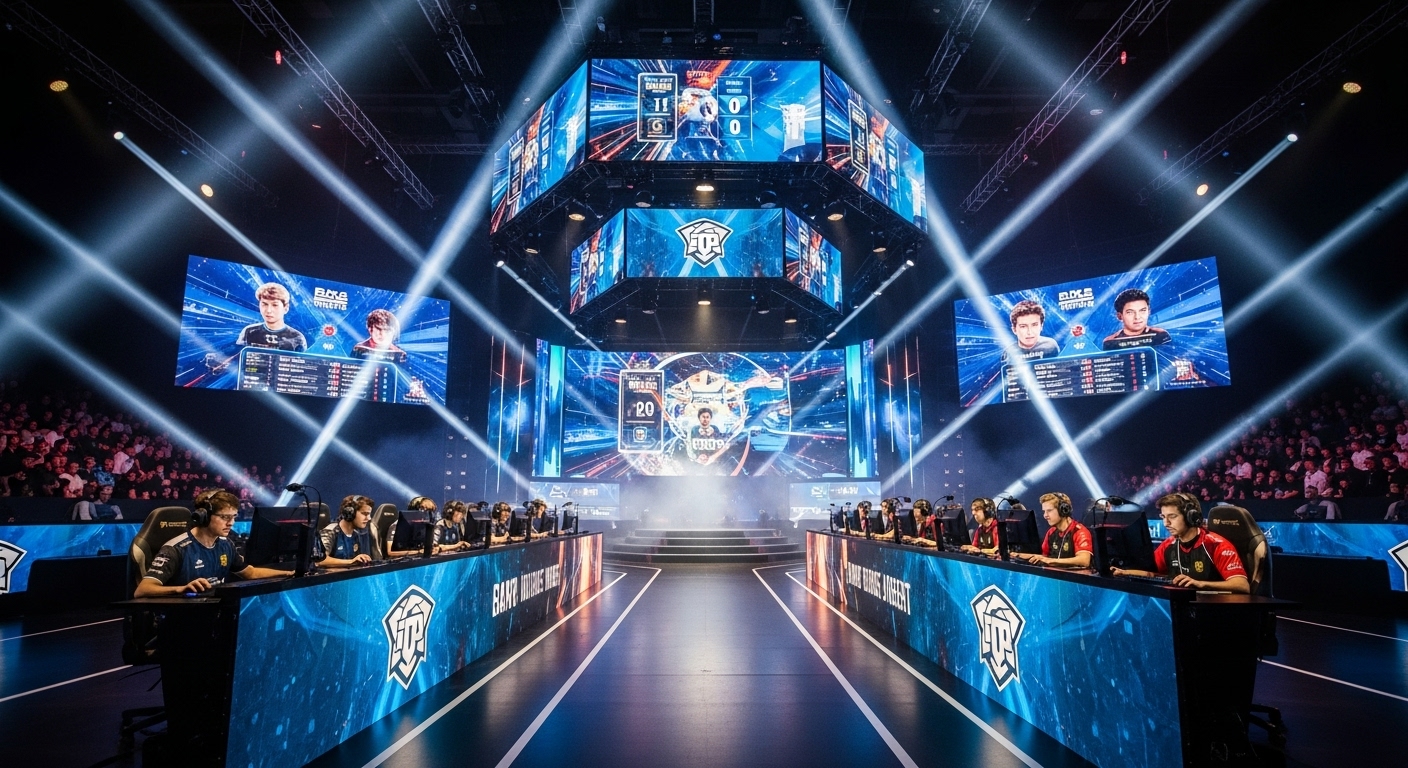
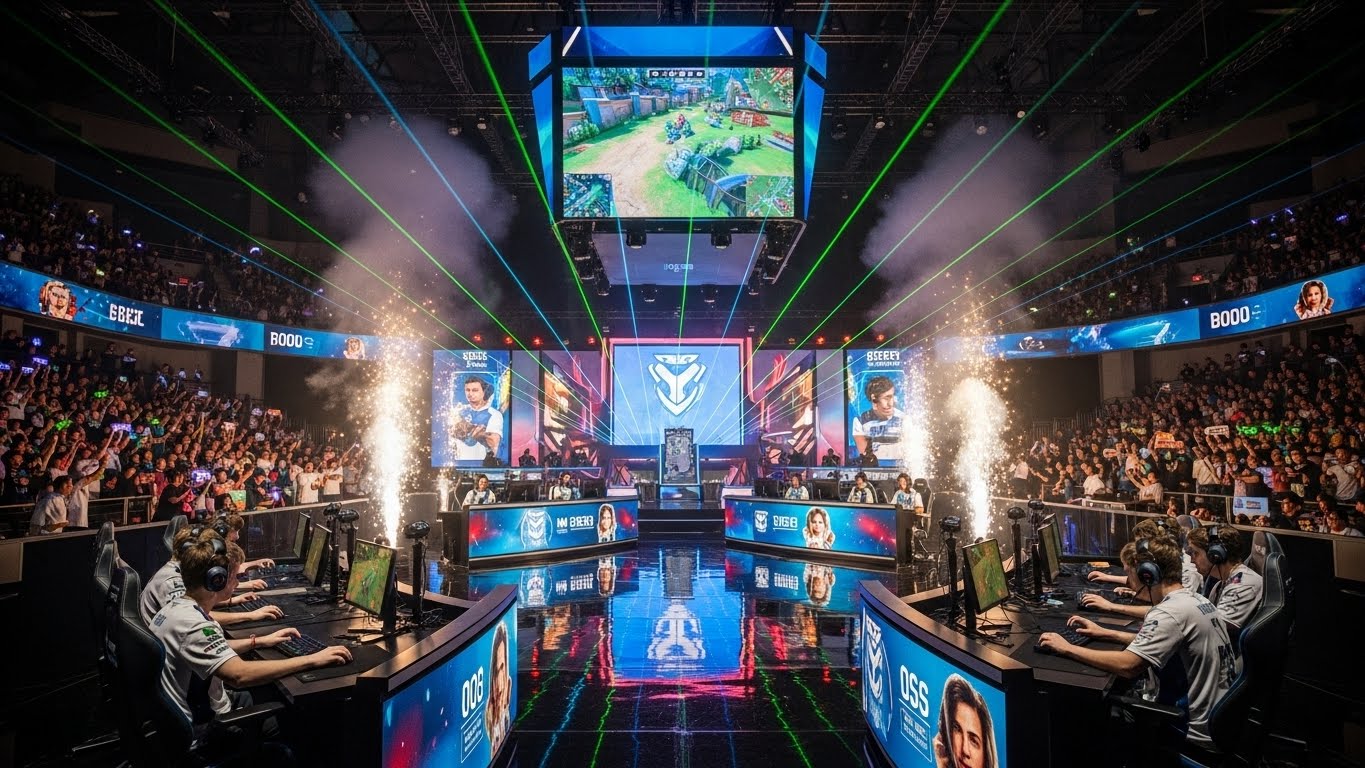
At its core, esports refers to organized, competitive gaming where individuals or teams compete in video games under structured rules and formats. These competitions range from local amateur events to international championships held in large arenas and streamed to millions of viewers worldwide. Popular esports titles span multiple genres, including multiplayer online battle arenas, first-person shooters, real-time strategy games, and sports simulations. Each genre demands a different skill set, but all require precision, teamwork, mental resilience, and dedication.
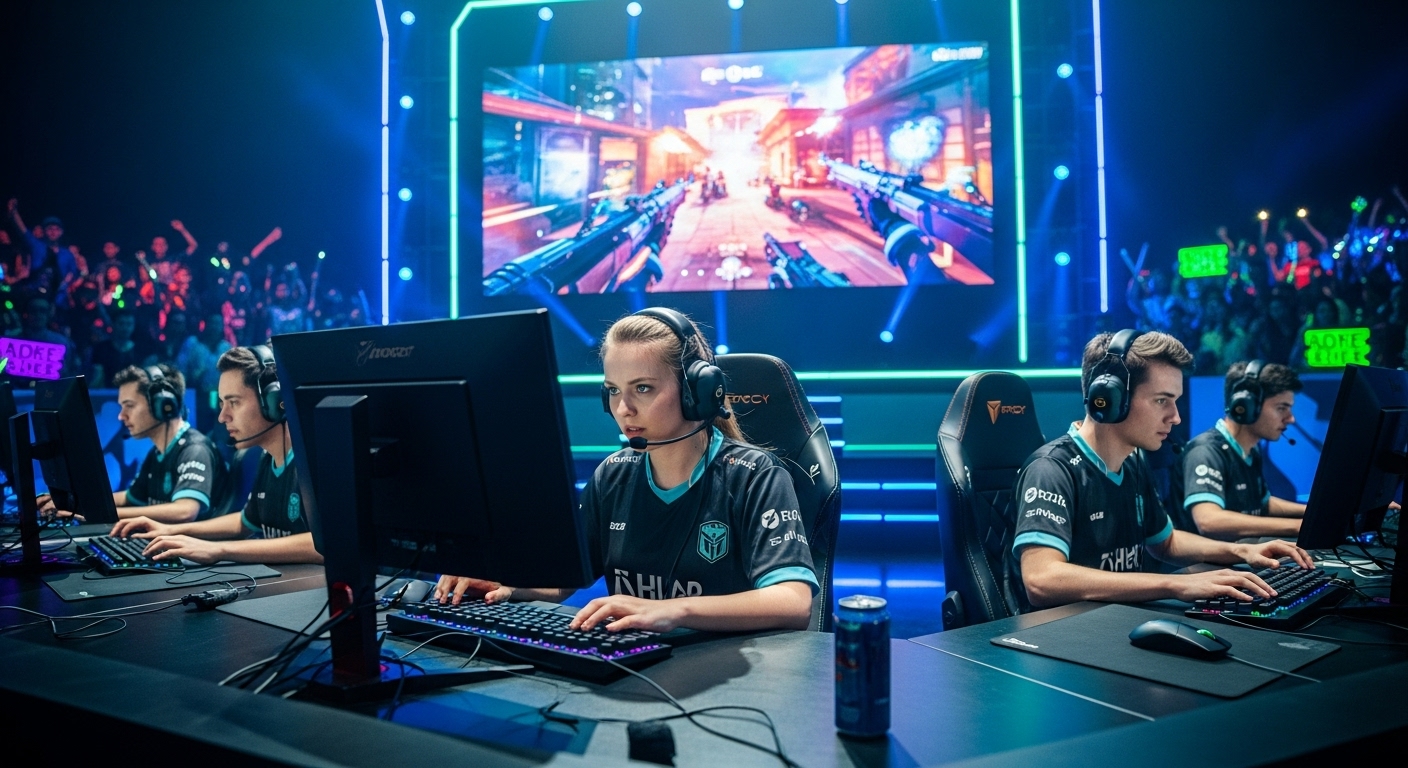
Unlike casual gaming, esports is deeply competitive. Professional players train for hours each day, analyze gameplay footage, work with coaches, and follow strict practice schedules. Matches are governed by leagues and tournament organizers, ensuring fairness and professionalism. This structure is one of the key reasons esports has gained legitimacy as a competitive discipline.
The Evolution from Hobby to Industry
The journey of esports from bedroom gaming sessions to sold-out stadiums is a story of technological advancement and cultural change. Early competitive gaming relied on local networks and small gatherings, often organized by passionate fans. As internet infrastructure improved, online multiplayer gaming became more accessible, allowing players from different regions to compete with one another.
Streaming platforms played a critical role in this evolution. They enabled fans to watch live matches, follow their favorite players, and engage with communities in real time. This accessibility turned esports into a spectator experience, not just a participant activity. Brands quickly recognized the marketing potential, leading to sponsorships, advertising deals, and large-scale investments. What started as a niche hobby gradually matured into a global entertainment industry.
Esports Athletes and the Myth of “Just Playing Games”
One of the most persistent misconceptions about esports is that professional players are simply playing games for fun. In reality, esports athletes operate under intense pressure and discipline similar to traditional sports professionals. Reaction time, hand-eye coordination, strategic thinking, and teamwork are critical skills that must be honed continuously.
Professional players often follow structured daily routines that include practice sessions, strategy meetings, physical exercise, and mental health training. Many teams employ analysts, nutritionists, and sports psychologists to support player performance. The competitive lifespan of an esports athlete can be short, making peak performance and adaptability even more crucial. This level of commitment highlights that esports is not a shortcut to success, but a demanding career path.
The Role of Teams, Leagues, and Organizations
Esports thrives on organization. Professional teams function like sports franchises, complete with management staff, branding, merchandise, and fan engagement strategies. These teams compete in leagues and tournaments that provide structure and consistency to the competitive scene. Franchised leagues have introduced long-term stability, ensuring predictable schedules, revenue sharing, and stronger partnerships.
Tournament organizers and governing bodies play a vital role in maintaining competitive integrity. They establish rules, manage events, and ensure fair play. This professional framework has helped esports gain recognition from mainstream media, educational institutions, and even governments in some regions.
A New Kind of Fan Culture
Esports fandom is distinct yet familiar. Fans support teams and players with the same passion seen in traditional sports, but digital platforms allow for more direct interaction. Viewers can communicate with players during live streams, participate in online discussions, and contribute to fan-driven content. This interactivity creates a sense of closeness and community that is unique to esports.
Global accessibility also means that esports fandom transcends geographical boundaries. A fan can support a team from another continent and still feel deeply connected. This international nature fosters cultural exchange and inclusivity, making esports one of the most globally unified forms of entertainment.
Economic Impact and Career Opportunities
The economic footprint of esports extends far beyond players and teams. It has created a wide range of career opportunities in areas such as event management, broadcasting, marketing, game development, coaching, data analysis, and content creation. Educational institutions have begun offering esports-related programs, recognizing the industry’s potential for long-term growth.
Sponsorships, advertising, merchandise, ticket sales, and media rights contribute to the industry’s revenue streams. Brands value esports for its ability to reach younger, digitally savvy audiences. This financial ecosystem supports not only the competitive scene but also grassroots initiatives and amateur leagues that nurture future talent.
Technology as the Backbone of Esports
Technology is the foundation upon which esports is built. High-performance hardware, fast internet connections, advanced software, and innovative broadcasting tools all contribute to the quality of competition and viewing experience. Game developers continuously update and balance their titles to keep competition fair and engaging.
Data analytics has become increasingly important, allowing teams to study performance metrics, opponent strategies, and in-game trends. Virtual and augmented reality technologies also hold potential for transforming how fans experience esports, offering immersive viewing options and interactive features that go beyond traditional broadcasts.
Challenges Facing the Esports Ecosystem
Despite its rapid growth, esports faces several challenges. Player burnout is a significant concern due to intense schedules and high expectations. Ensuring mental and physical well-being is becoming a priority for teams and organizations. Another challenge is maintaining competitive integrity, particularly in preventing cheating and match-fixing.
Financial sustainability is also an ongoing discussion. While top-tier events and teams attract significant investment, smaller organizations often struggle to remain profitable. Balancing growth with stability will be essential for the long-term health of the industry.
The Future of Esports
Looking ahead, esports shows no signs of slowing down. Increased mainstream acceptance, improved infrastructure, and continued innovation will likely drive further expansion. As technology evolves, so will the ways people play, watch, and engage with competitive gaming. Crossovers with traditional sports, entertainment, and education will continue to blur boundaries and create new opportunities.
Esports may also play a role in shaping future discussions around digital identity, teamwork in virtual spaces, and global collaboration. Its influence extends beyond entertainment, reflecting broader changes in how society interacts with technology and competition.
Conclusion: More Than a Game
Esports is far more than a trend or a pastime. It is a dynamic, multifaceted industry that combines competition, creativity, and community. By redefining what it means to be an athlete and a fan in the digital age, esports has carved out a unique place in global culture. As it continues to evolve, one thing remains clear: esports is not just about winning matches on a screen, but about building a new form of connection, ambition, and shared experience for generations to come.