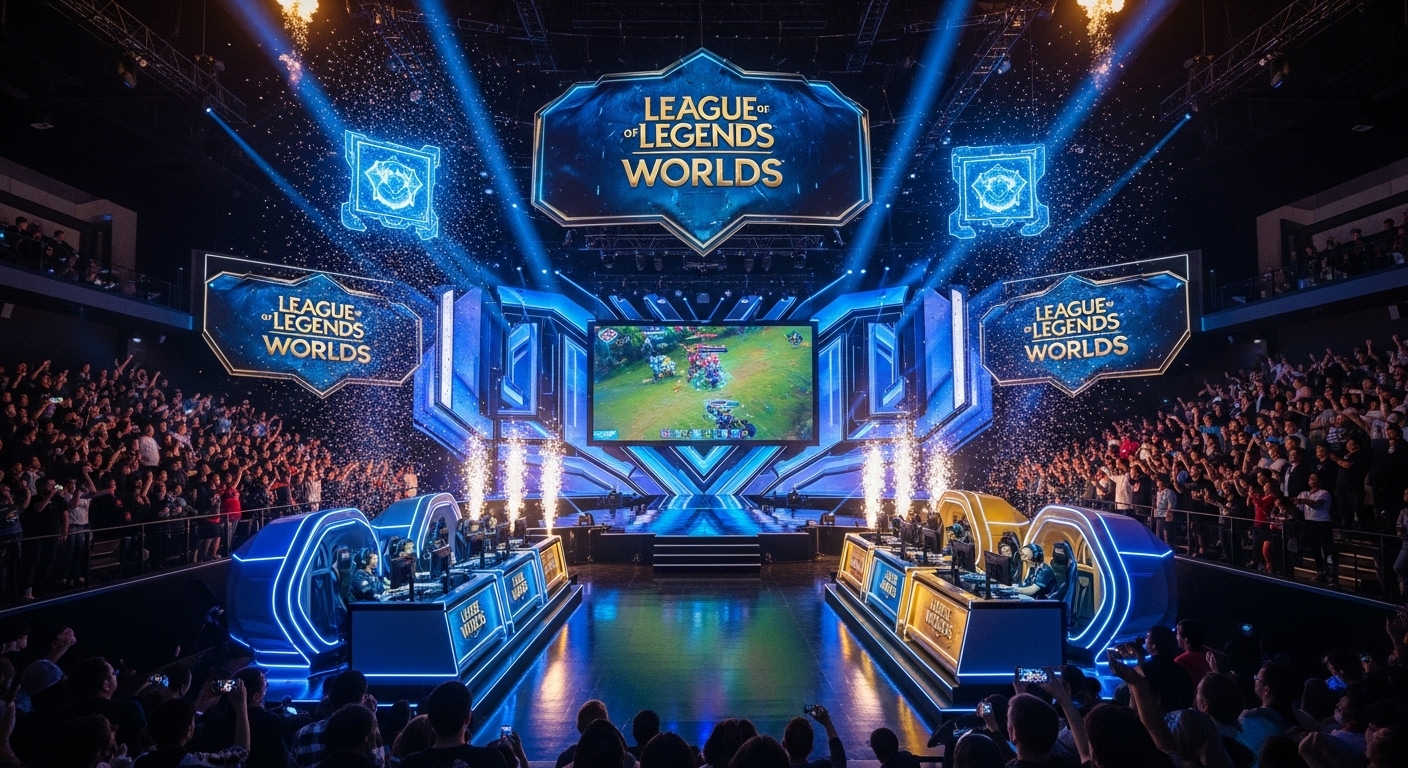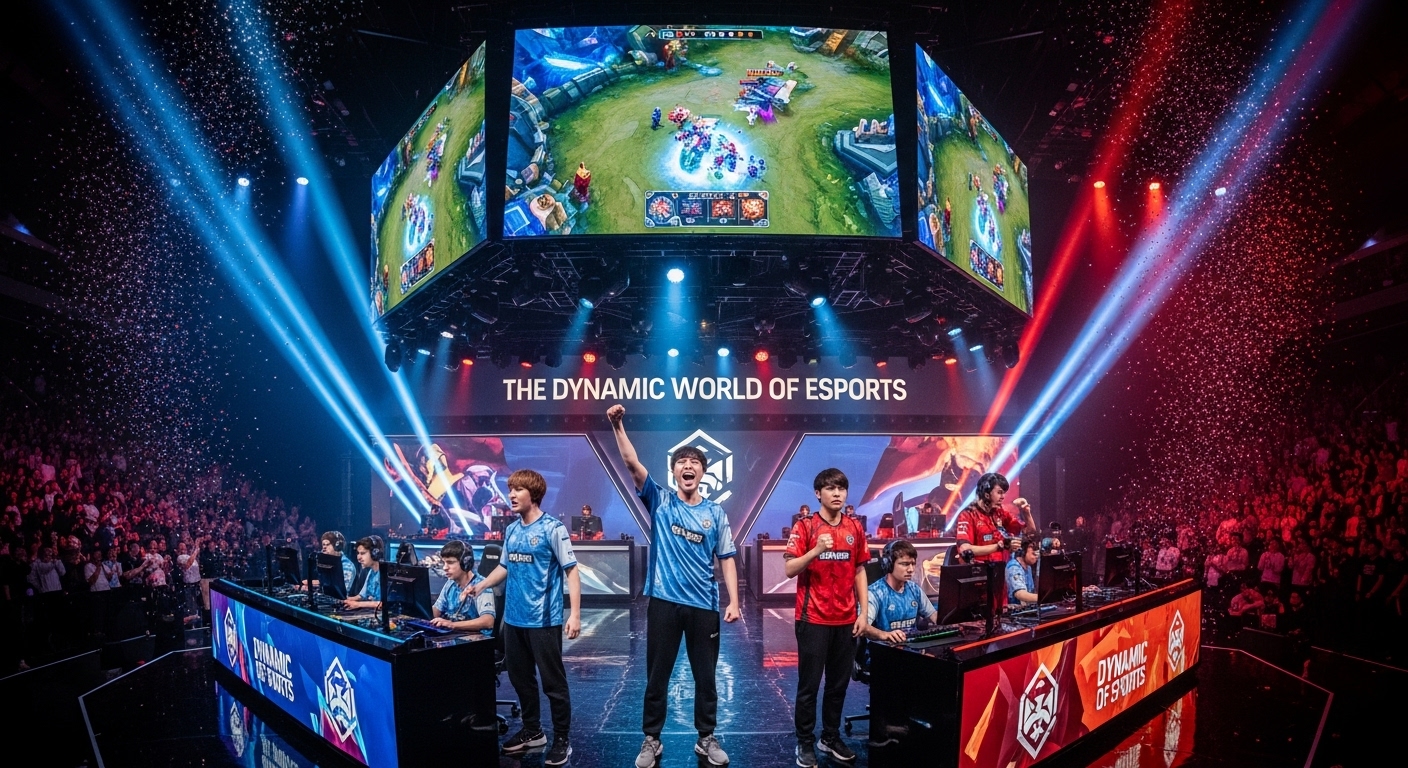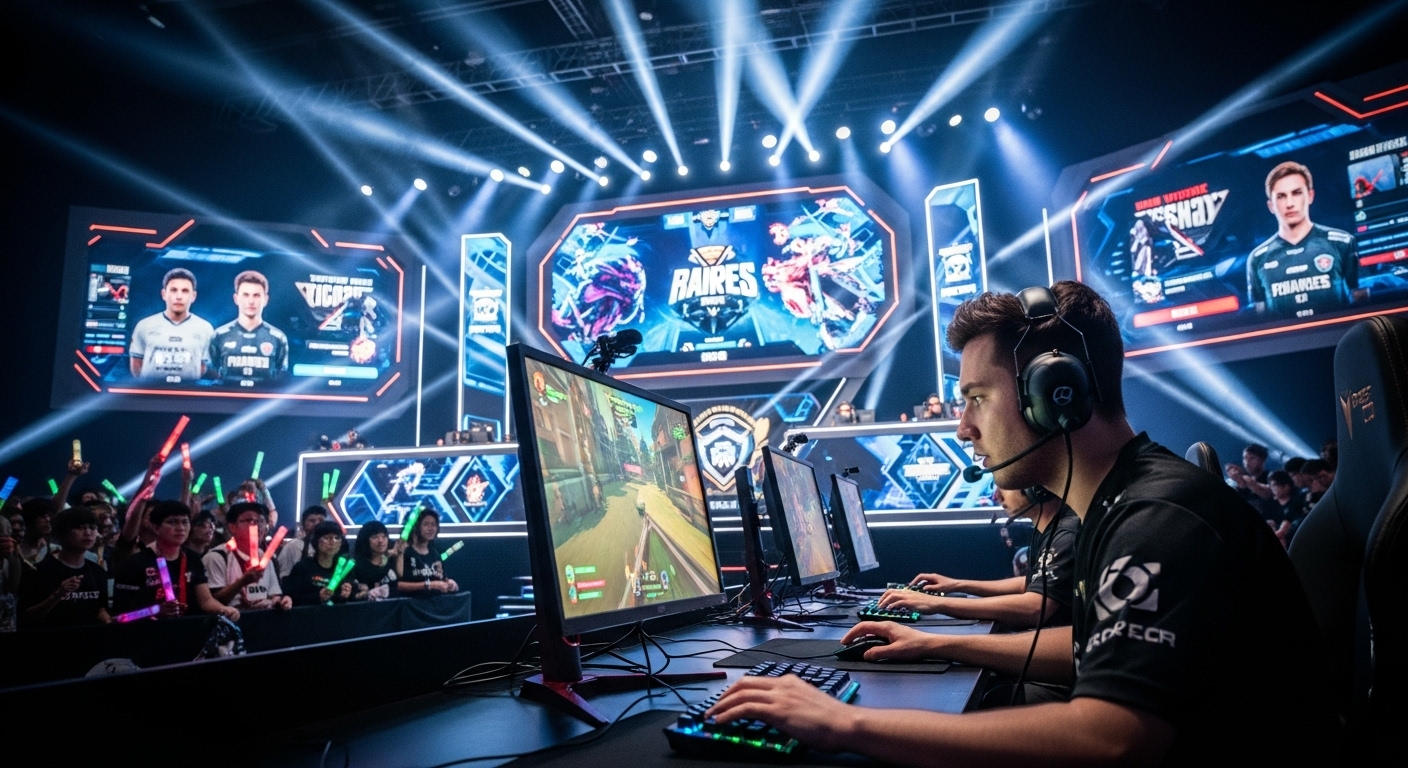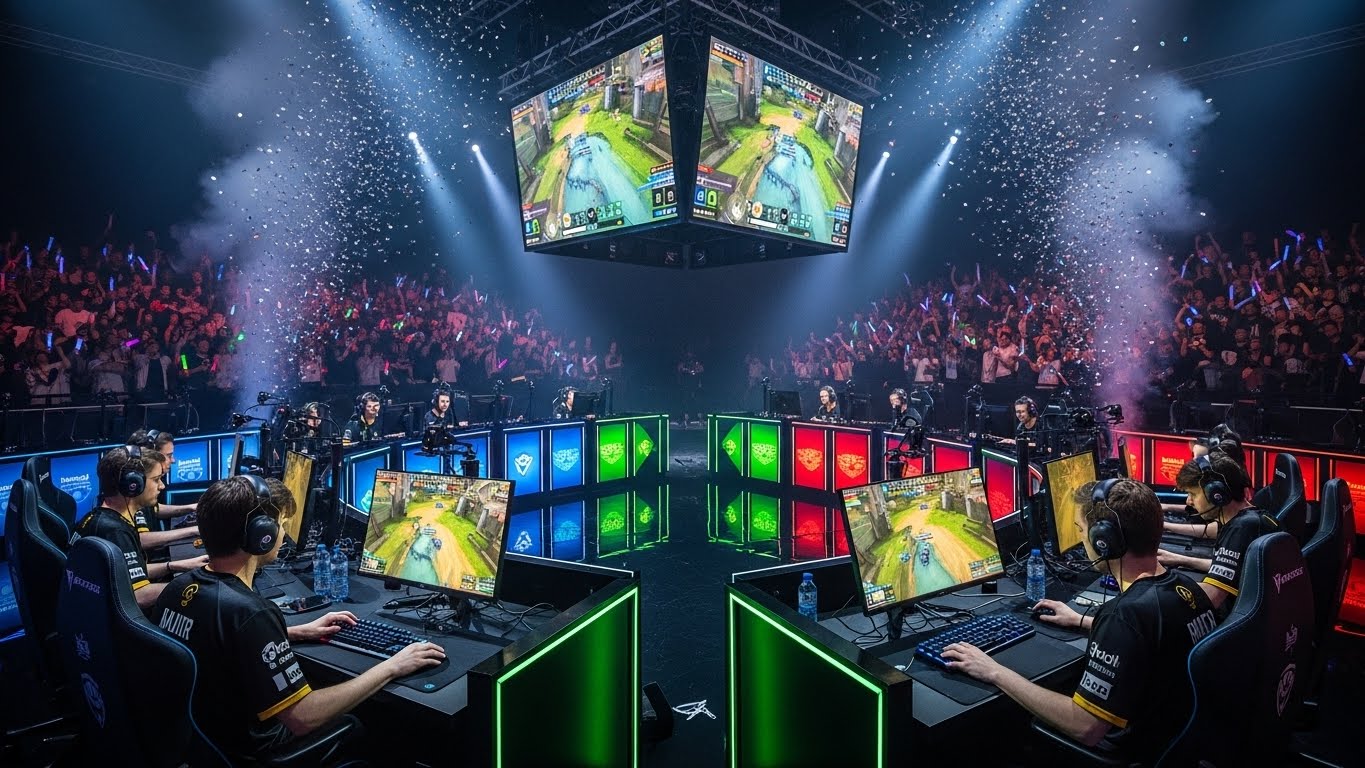
Esports, or competitive gaming, has become one of the most exciting and rapidly growing sectors in the entertainment industry. What started as a niche activity among hobbyists has transformed into a multi-billion-dollar global industry with millions of players, viewers, and fans. Esports tournaments, professional leagues, and streaming platforms have allowed gaming to evolve into a legitimate, professional, and culturally significant form of entertainment. The rise of esports has not only changed the way we think about gaming but has also made a major impact on global pop culture, economy, and technology. In this blog post, we’ll explore how esports grew from humble beginnings into a powerhouse, the key elements that have contributed to its success, and what the future holds for this digital sport.
The Humble Beginnings of Esports
Esports didn’t become what it is today overnight. It began with casual gaming, where individuals played against each other for fun. The earliest forms of competitive gaming date back to the 1970s, when simple arcade games such as Space Invaders and Pong were among the first to feature competitive elements. The Space Invaders Championship in 1980 is considered one of the first video game tournaments, attracting thousands of participants. However, these events were far from the organized competitions that we see today.
By the late 1980s and early 1990s, gaming technology had improved, and people began organizing more structured events. Games like Street Fighter II, Doom, and Warcraft gave rise to small local tournaments, often played in arcades or among friends in basement setups. Despite the excitement these games generated, esports was still in its infancy, lacking the structure and audience it would eventually attract.
The breakthrough moment for esports came in the late 1990s and early 2000s. Games like Quake and StarCraft introduced complex strategies, multiplayer modes, and more competitive environments, which laid the foundation for professional gaming. The rise of local area network (LAN) parties enabled players to compete on a larger scale. Esports was still a subculture at this point, but it was beginning to show signs of future growth.
The First Major Milestones
As the 2000s progressed, esports began to gain more attention, particularly in South Korea. By the early 2000s, StarCraft was a national obsession in South Korea, and the government recognized the potential of esports. South Korea invested heavily in infrastructure, creating dedicated esports arenas, forming professional teams, and even broadcasting games on television. The Korean e-Sports Association (KeSPA), formed in 2000, played a pivotal role in shaping the direction of esports as a professional sport.
In 2002, the World Cyber Games (WCG) held its first international tournament, offering a more organized, global competition that attracted top players from around the world. This event, and others like the Electronic Sports World Cup (ESWC), helped establish esports as a legitimate form of competition and entertainment. These tournaments gave gamers a platform to showcase their skills, while simultaneously attracting sponsorships and prize money.
However, it wasn’t just professional organizations that helped esports grow. The rise of the internet and online multiplayer gaming played a crucial role in the expansion of competitive gaming. Games like Warcraft III, Counter-Strike, and League of Legends benefited greatly from their online capabilities, enabling players to compete against others worldwide from the comfort of their own homes. This was a game-changer, as it removed the need for players to be in the same location, vastly expanding the audience and making esports a global phenomenon.
The Rise of Streaming and Content Creation
In the early 2010s, one of the most crucial developments in esports occurred with the rise of streaming platforms. The creation of Twitch in 2011 revolutionized how fans and players interacted. For the first time, viewers could watch live streams of their favorite players, teams, and tournaments, often with real-time interaction through live chat. This not only made esports more accessible but also allowed fans to connect directly with players and content creators, fueling community growth.
The success of Twitch and other streaming platforms demonstrated the demand for live, interactive content. Esports tournaments were no longer confined to traditional media or in-person events. They could now be streamed globally, reaching millions of viewers at the click of a button. This shift in content delivery also attracted huge amounts of money from advertisers, sponsors, and media companies, further solidifying esports’ place in the global entertainment ecosystem.
The popularity of esports streaming led to the rise of content creators and influencers who gained massive followings by broadcasting their gameplay, sharing tips, and hosting community events. Some of these influencers went on to become esports professionals, while others became major personalities in the gaming world, known for their entertainment value as much as their gameplay. The culture of esports began to shift from being purely about competition to being a blend of gaming skill, entertainment, and social interaction.
Esports as a Professional Industry
The most significant change in esports came when it transformed from a hobby into a fully professional industry. In the mid-2010s, major corporate sponsors began to take notice of esports’ massive fan base. Companies like Coca-Cola, Intel, and Red Bull, which had long sponsored traditional sports, began investing in esports events and teams. This influx of corporate sponsorship money was instrumental in the creation of large-scale tournaments, offering multi-million-dollar prize pools and transforming esports from a hobbyist activity into a legitimate career option for skilled players.
The creation of professional esports leagues was another key factor in the industry’s growth. Games like Overwatch and League of Legends launched franchised leagues that operated similarly to traditional sports leagues like the NBA or NFL. These leagues offered stability and financial security to players, coaches, and teams, creating an environment where esports could be viewed as a long-term career choice.
In addition to the established teams and tournaments, esports organizations began to invest in infrastructure such as training facilities, dedicated coaching staff, and strategic management to build winning teams. This professionalization helped elevate the skill level of players and ensured that esports would continue to thrive at the highest levels of competition.
The Cultural Impact of Esports
Esports has made a profound impact on global culture. It has redefined what it means to be an athlete, with esports players now viewed as highly skilled individuals who train rigorously to hone their craft, much like traditional athletes. The stigma that once surrounded gaming as a “lazy” or “unproductive” activity has dissipated, and esports has become widely accepted as a legitimate form of competition.
Furthermore, esports has provided a sense of community for millions of people. Online multiplayer games offer a space for players from all over the world to connect, share experiences, and compete against one another. This global community has created a new form of social interaction, where people of all ages and backgrounds can come together and bond over a shared love of gaming.
Esports has also influenced other forms of media and entertainment. Video game-themed movies, TV shows, and documentaries have become more popular as a result of esports’ mainstream rise. Additionally, traditional sports teams and athletes have increasingly engaged with esports, forming partnerships or even establishing their own teams and leagues. For example, the NBA has a partnership with NBA 2K, and several NFL teams have invested in esports franchises. This crossover between traditional sports and esports is another sign of the growing cultural relevance of competitive gaming.
The Future of Esports
Looking ahead, the future of esports is incredibly promising. As technology continues to evolve, esports will likely continue to grow in terms of both viewership and accessibility. One area that is expected to see significant growth is virtual reality (VR) and augmented reality (AR). With VR and AR technologies improving rapidly, we could soon see new forms of immersive, next-level esports experiences that offer fans and players a whole new way to interact with the game.
Additionally, esports is becoming more integrated into the educational system. Several universities and colleges around the world have introduced esports programs, offering scholarships and courses in areas such as game design, esports management, and broadcasting. This academic recognition is a clear indication that esports is becoming a legitimate career path, with young people pursuing education in gaming-related fields.
Esports is also likely to continue its convergence with traditional sports. The rise of hybrid leagues, where both traditional and esports teams compete in the same organization, suggests that the future of entertainment may see greater crossover between gaming and physical sports. It’s even possible that esports could become an Olympic sport one day, further solidifying its place in mainstream culture.
Conclusion
Esports has come a long way from its humble beginnings. What was once an underground hobby for gamers has grown into a multi-billion-dollar industry with global reach and cultural significance. The combination of technological advancements, professionalization, and the rise of streaming platforms has transformed esports into a dominant force in the entertainment world. With continued innovation, investment, and engagement from fans, esports will only grow stronger in the coming years, shaping the future of both gaming and competitive entertainment. Whether you’re a player, a fan, or a curious observer, it’s clear that esports is here to stay, and its impact will be felt for generations to come.