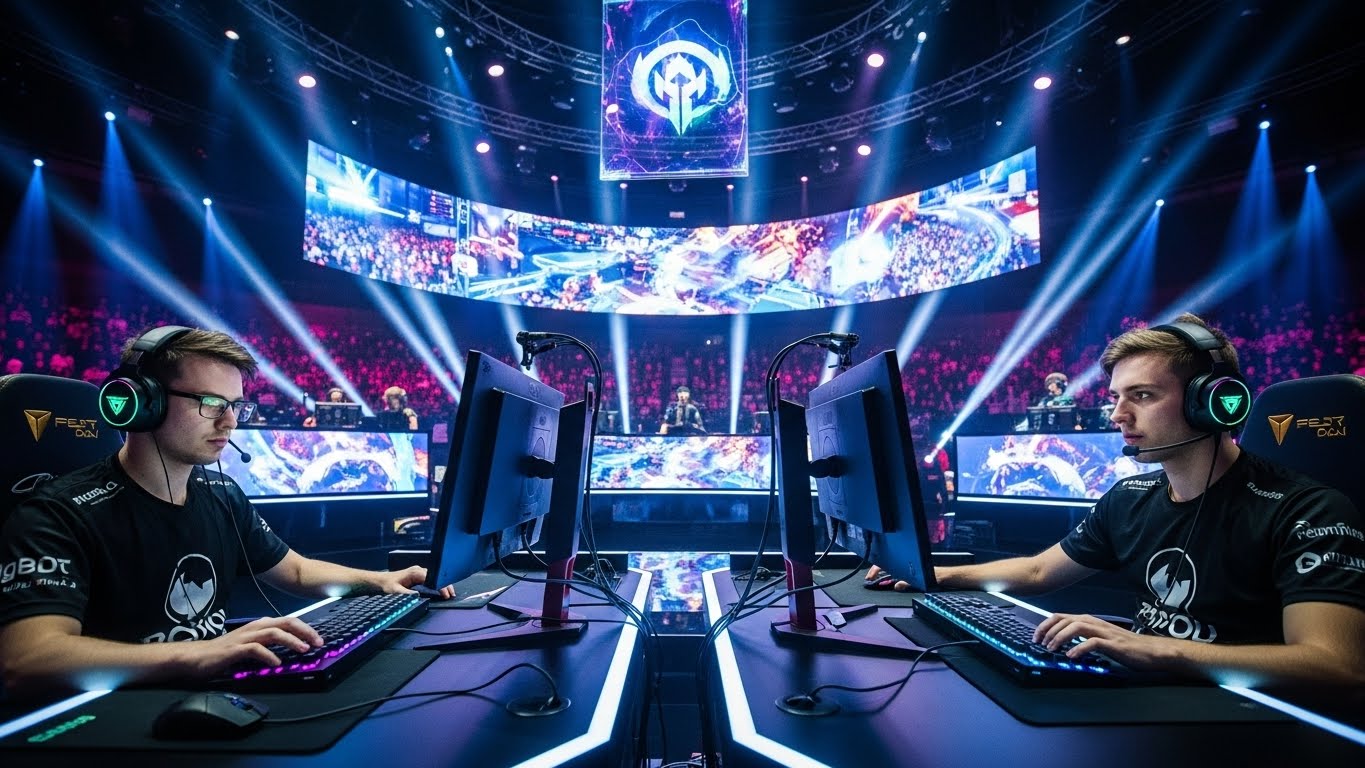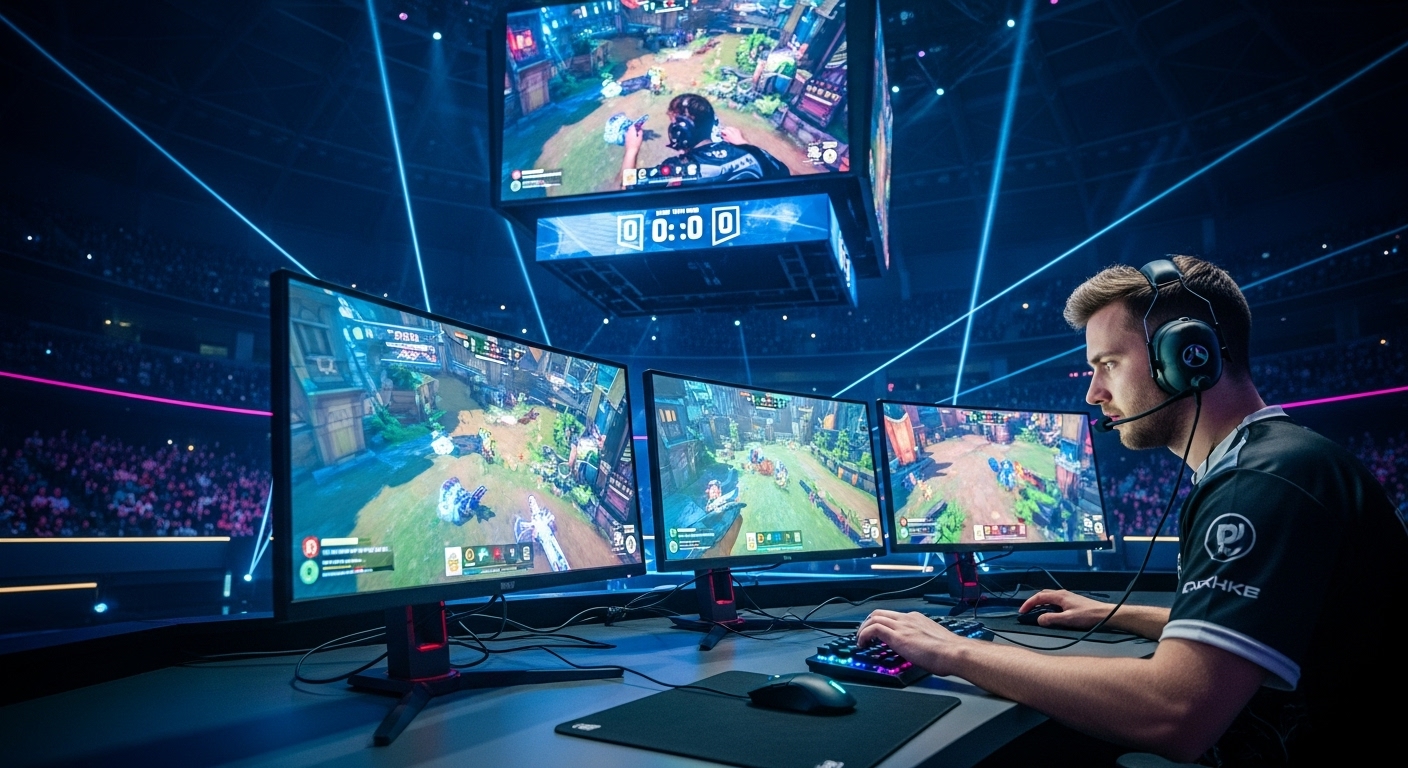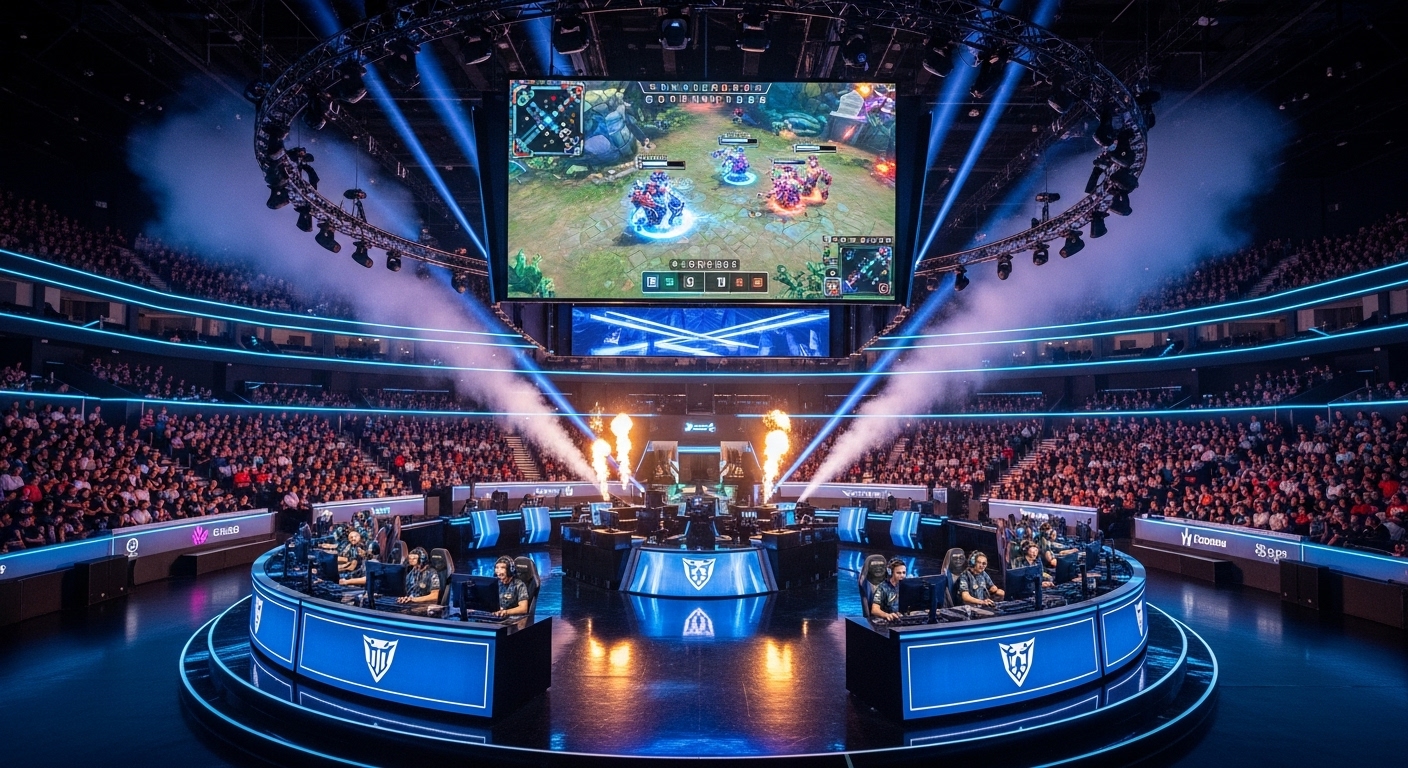
Esports, a term that once seemed foreign to many, has rapidly transformed into a global phenomenon. Once seen as a niche hobby for gamers, competitive video gaming is now one of the fastest-growing industries in the world. With millions of fans, lucrative sponsorships, international tournaments, and professional athletes earning six-figure salaries, esports has firmly secured its place as a cultural and economic powerhouse. This blog post will take a deep dive into the evolution of esports, its cultural impact, and its place in the entertainment ecosystem.
The Genesis of Esports
Esports, or electronic sports, traces its origins back to the earliest days of video gaming. In the 1970s, arcade games like Pong and Space Invaders gave rise to the idea of competition in a digital space. Players began vying for the highest scores, but these were typically informal, localized challenges, far from the organized tournaments that would follow in the decades to come.
The first true competitive gaming event that could be considered the precursor to modern esports occurred in 1972, with the Intergalactic Spacewar Olympics, held at Stanford University. While small, it set the stage for what would eventually become a massive industry. In the years that followed, the gaming community grew, and competitions began to take shape. However, the true turning point in the esports world came in the late 1990s.
The Birth of Competitive Gaming
In the late 1990s and early 2000s, gaming giants like Quake and StarCraft pushed the envelope of what competitive gaming could be. Quake, in particular, is widely regarded as one of the first esports titles, hosting the first major international tournament, QuakeCon, in 1996. This event was pivotal in transitioning esports from casual, local gatherings to serious, globally recognized competitions.
Meanwhile, StarCraft, released by Blizzard Entertainment in 1998, played an essential role in popularizing competitive gaming on a global scale. The game’s complexity, strategic depth, and fast-paced action made it a natural fit for esports. In South Korea, StarCraft was not just a game but a national obsession. By the early 2000s, dedicated television networks in South Korea, such as OnGameNet, began broadcasting esports tournaments, attracting millions of viewers. This laid the foundation for what we recognize today as modern esports.
The Rise of Online Multiplayer Games
The early 2000s also saw the rise of multiplayer games, where players could compete against each other in real-time, regardless of location. Titles like Warcraft III, Counter-Strike, and League of Legends helped further establish the notion of online competition. These games were designed with competition in mind, fostering communities where players could join teams, participate in leagues, and aim for glory.
As internet connectivity improved globally, esports began to transcend the borders of individual countries. Competitive gaming moved beyond local LAN parties and small online matches, becoming a global spectacle. World Cyber Games, founded in 2000, and ESL (Electronic Sports League), established in 2000, became some of the largest international organizations supporting professional esports tournaments. These events would set the stage for esports’ rise as a legitimate career path and form of entertainment.
Esports as a Career
What was once a pastime for hobbyists soon became a legitimate career. Professional gamers could now secure sponsorships, play for large organizations, and, most importantly, compete for substantial prize money. Games like Dota 2, League of Legends, and Counter-Strike: Global Offensive quickly became esports staples, with tournaments offering prize pools in the millions.
In 2019, The International (Dota 2’s flagship event) boasted a prize pool of over $34 million, a staggering amount that demonstrated how lucrative the esports industry had become. These prize pools, coupled with sponsorship deals from big-name brands like Intel, Coca-Cola, and Red Bull, began to make esports a viable career choice for young players worldwide.
Professional teams like Team Liquid, Cloud9, and Fnatic began to emerge as top-tier organizations, signing players to long-term contracts, providing coaches, analysts, and even psychologists to improve player performance. Esports athletes, much like traditional athletes, now train rigorously, often practicing for six to eight hours a day. They must develop both mental and physical endurance to perform at the highest levels.
The Growth of Esports Spectatorship
The explosive growth of esports cannot be discussed without acknowledging the impact of live streaming platforms, particularly Twitch. Launched in 2011, Twitch allowed gamers to stream their gameplay to an audience in real time, allowing viewers to watch top-level competitions and cheer on their favorite players and teams.
What started as a way for casual gamers to share their experiences has since become a multibillion-dollar industry, with popular streamers earning millions in sponsorships, donations, and subscriptions. Major tournaments, such as The League of Legends World Championship and CS:GO Majors, attract millions of live viewers, and the streams themselves often have more viewership than traditional sports events.
Esports has also embraced platforms like YouTube and Facebook Gaming, further expanding the reach of live broadcasts. Esports broadcasts now resemble those of traditional sports, complete with commentary, expert analysis, and fan engagement. In fact, esports’ popularity on these platforms has made streaming one of the fastest-growing industries in the entertainment world.
The Influence of Traditional Sports
Over time, esports has started to blur the lines between digital gaming and traditional sports. Major sports organizations and companies have begun to invest heavily in the esports market. For instance, teams like Paris Saint-Germain and Manchester City have launched their own esports divisions. The NBA has also made significant strides, founding the NBA 2K League, which allows professional players to compete in the NBA 2K video game franchise.
In fact, traditional sports are helping esports with their own infrastructure. Esports organizations are now using models similar to those found in professional sports leagues, with players signing contracts, being paid salaries, and being governed by a central league structure. Additionally, traditional sports sponsorships have become a staple for esports tournaments, bringing in brands that had previously been hesitant to invest in gaming.
This partnership between the esports and traditional sports industries has helped bring esports closer to the mainstream, validating its legitimacy and growing the fanbase.
Esports and Global Accessibility
One of the most compelling aspects of esports is its global accessibility. Unlike physical sports, which often require specialized facilities or equipment, esports can be played from almost anywhere. As long as players have access to the internet and a computer or gaming console, they can compete. This has led to esports being enjoyed in diverse regions around the world, from the United States to China, Europe, and South America.
In particular, South Korea is often considered the birthplace of esports culture. The country has fostered an ecosystem where professional players are treated like celebrities, and gaming is not just a hobby but a viable career path. Countries like China and the United States have also seen significant growth in esports, with major organizations and tournaments emerging in both regions.
The international nature of esports has helped create a truly global community, where fans from different backgrounds and cultures can unite to celebrate their shared love of gaming. This global connection is unique in the entertainment world, as it allows for cross-cultural exchange, and esports continues to gain in popularity in emerging markets across Asia, Latin America, and Africa.
The Future of Esports
As esports continues to grow, its future is incredibly promising. New technologies, such as virtual reality (VR) and augmented reality (AR), are expected to revolutionize the way esports tournaments are played and viewed. VR could offer fans an immersive experience, allowing them to feel like they are sitting courtside at a digital competition or even allowing players to physically engage in the game.
Additionally, the integration of esports into education is increasing. Many universities now offer scholarships for esports players, and academic programs focusing on esports management and game design are becoming more common. This institutionalization of esports will help further elevate the industry, solidifying it as a long-lasting part of the global entertainment landscape.
Conclusion
Esports has come a long way from its humble beginnings. What started as a small community of passionate gamers has evolved into a multi-billion-dollar industry, with professional players, teams, and sponsors all contributing to its growth. The impact of esports on culture, entertainment, and traditional sports cannot be overstated. Esports has created new career paths, revolutionized the way we think about competition, and provided a global platform for millions of fans to connect with the games they love.
As the industry continues to grow and evolve, there’s no telling where the digital arena will go next. What is certain is that esports is here to stay, and its influence will only continue to expand in the years to come. Whether you’re an aspiring professional gamer, a passionate fan, or simply someone intrigued by the spectacle, it’s clear that esports has secured its place at the forefront of modern entertainment.