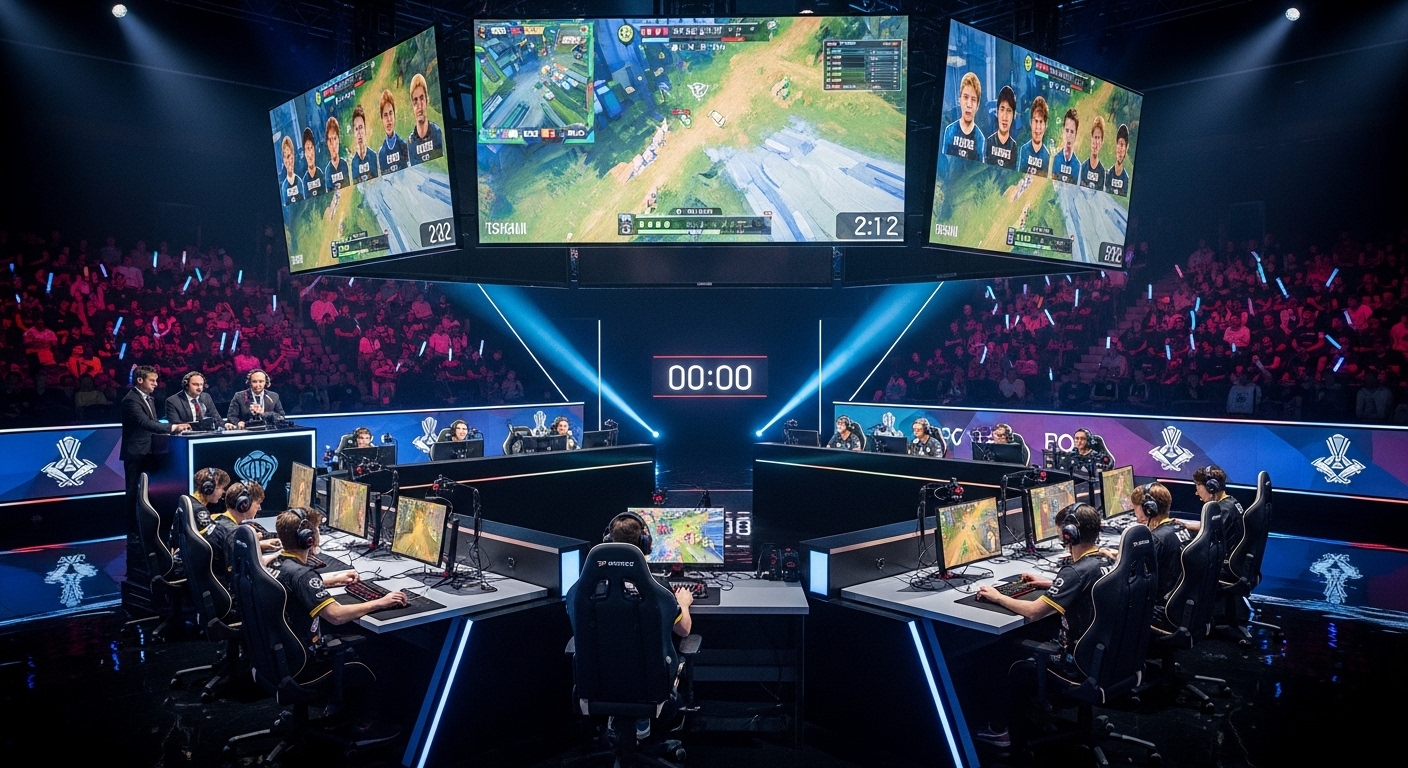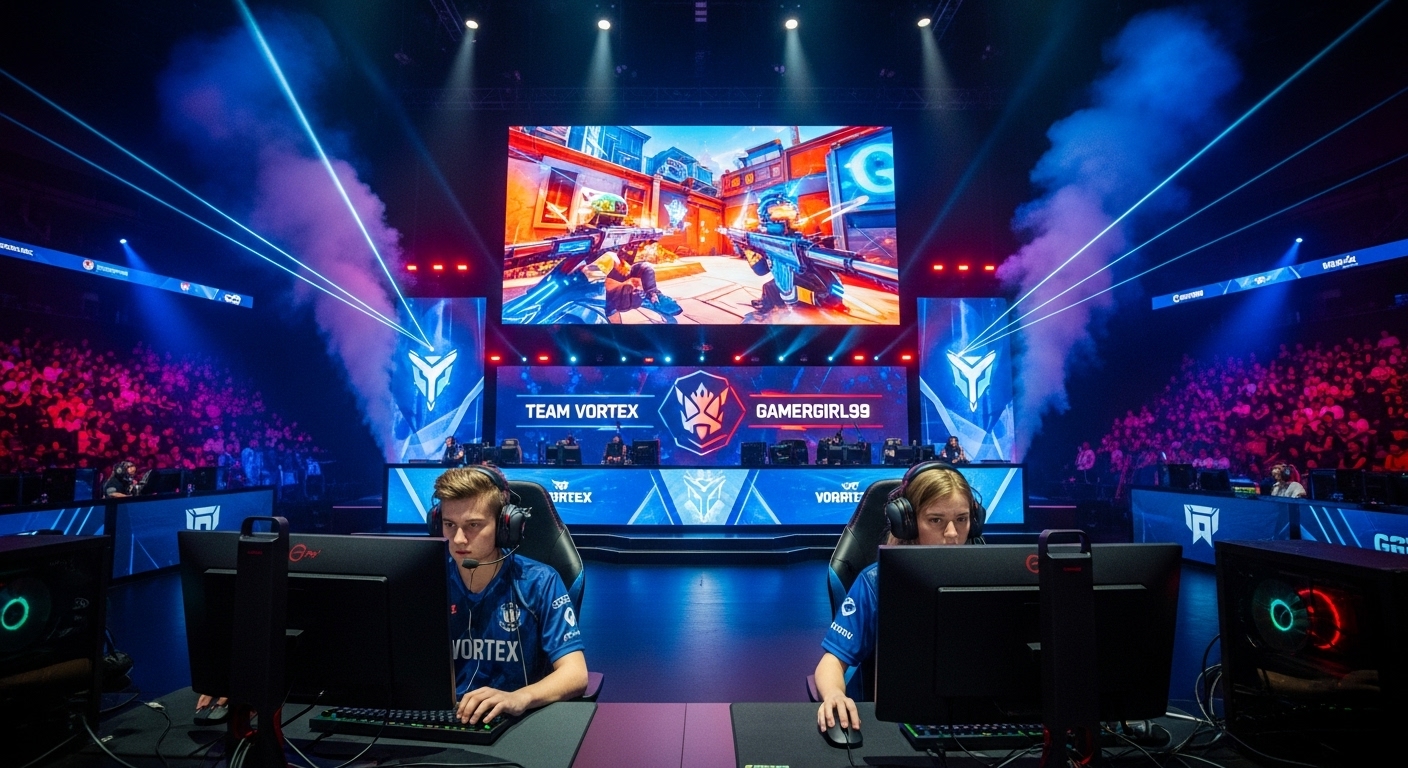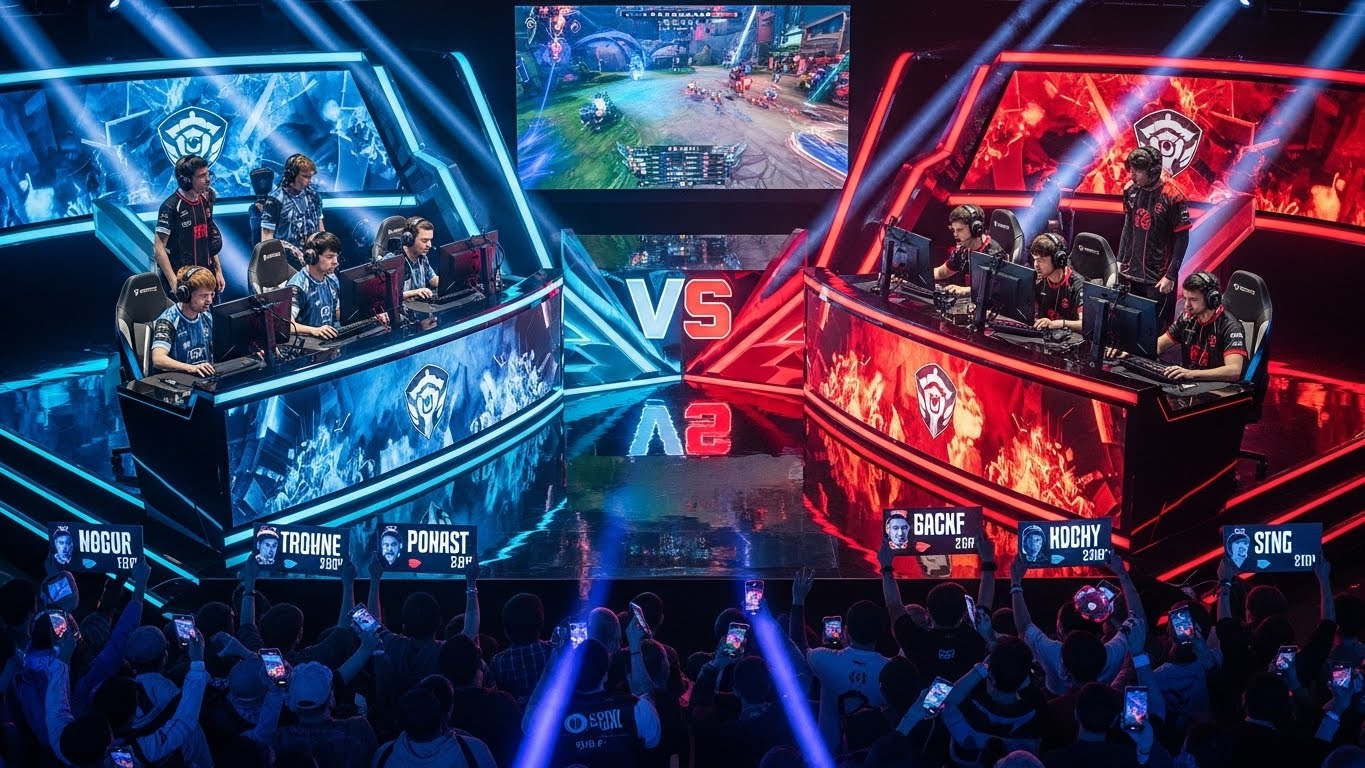
Esports, once considered a niche hobby for a small group of dedicated gamers, has grown into a global phenomenon that rivals traditional sports in popularity, viewership, and revenue. From local tournaments to international championships, competitive gaming has become a cultural, economic, and social powerhouse. It is no longer just about playing video games—it is about strategy, teamwork, personal development, and global influence. In this blog, we will explore how esports has evolved, its impact on players and society, and its role as a defining feature of modern digital culture.
The Emergence of Esports
Esports, short for electronic sports, refers to organized competitive gaming at a professional or semi-professional level. Its origins date back to the late 1970s and 1980s with simple arcade competitions and early computer games. Titles such as Street Fighter, StarCraft, and Counter-Strike laid the foundation for what would eventually become a massive international industry.
The growth of esports accelerated with the advent of high-speed internet, advanced gaming consoles, and streaming platforms. Today, millions of people watch live competitions on platforms that allow real-time interaction and engagement. Major tournaments now fill stadiums, attract sponsorships, and draw viewers from every corner of the world. This evolution has elevated esports from hobbyist activity to a legitimate profession and cultural force.
Physical and Mental Demands of Competitive Gaming
Many people assume esports is purely sedentary, but competitive gaming places significant physical and mental demands on players. Rapid reflexes, hand-eye coordination, and precision are essential for high-level gameplay. Professional gamers often follow rigorous training schedules, which include not only practice sessions but also exercises to strengthen posture, prevent repetitive strain injuries, and maintain overall physical health.
The mental demands are equally intense. Esports requires strategic thinking, quick decision-making, and the ability to stay focused for long periods. Players must manage stress, adapt to opponents’ strategies, and maintain concentration under high-pressure conditions. Mental toughness, resilience, and cognitive agility are all developed through competitive gaming, demonstrating that esports is a serious intellectual and physical discipline.
The Role of Teamwork and Communication
Team-based games like League of Legends, Dota 2, Overwatch, and Valorant rely heavily on effective communication and teamwork. Success in esports depends on coordination, trust, and understanding the strengths and weaknesses of each team member. Players must synchronize strategies, anticipate opponents’ moves, and adapt in real-time.
Teamwork in esports mirrors many aspects of professional environments. Leadership, conflict resolution, empathy, and collaboration are all essential skills that players develop. Even in individual games, interactions with coaches, analysts, and the broader community foster social intelligence and cooperation. Competitive gaming teaches lessons about collaboration that extend far beyond the digital arena.
Career Opportunities in Esports
Esports has created a wide range of career opportunities beyond professional gameplay. Players can earn substantial incomes through tournament winnings, sponsorships, streaming revenue, and content creation. Major events often feature multi-million-dollar prize pools, highlighting the lucrative nature of the industry.
In addition to players, esports careers include coaching, analysis, team management, broadcasting, marketing, and game development. Universities and institutions are now offering esports scholarships, programs, and research initiatives, reflecting the recognition of esports as a legitimate field of study and professional development. The industry has evolved into a full-fledged ecosystem, offering careers for a variety of skills and talents.
Technology Driving the Esports Industry
Technology is at the core of esports’ growth. Advanced gaming hardware, streaming platforms, virtual reality, and artificial intelligence are transforming the way games are played, analyzed, and viewed. Wearable devices monitor player performance, while AI-driven analytics help refine strategies and optimize training.
For fans, technology has enhanced the spectator experience. High-definition streaming, real-time statistics, and interactive viewing options make esports more engaging than ever. The integration of technology not only improves gameplay but also ensures that esports remains innovative, immersive, and globally accessible.
The Cultural Impact of Esports
Esports has grown into a powerful cultural phenomenon. Online communities connect players and fans from around the world, creating shared experiences and social bonds. Live tournaments, both online and offline, foster a sense of global participation and community pride.
Esports also challenges traditional concepts of sports and competition. It emphasizes inclusivity, allowing people of different ages, genders, and backgrounds to compete at all levels. The culture around esports extends beyond the game itself, influencing fashion, entertainment, social media trends, and even educational programs. Professional players have become influential figures, shaping gaming culture and inspiring future generations.
Mental Health Considerations in Esports
The intense demands of professional gaming make mental health a crucial concern. Long hours of practice, pressure to perform, and exposure to online criticism can affect well-being. The esports industry has increasingly recognized the importance of mental health, providing resources for counseling, stress management, and lifestyle balance.
Players who prioritize mental health often have longer and more successful careers. Techniques such as mindfulness, scheduled breaks, and physical exercise are integrated into training routines to maintain peak performance. The growing focus on mental health highlights the maturity of the esports industry and its commitment to sustainable practices.
Economic Influence of Esports
Esports has become a major economic driver. Revenue comes from tournament earnings, sponsorships, merchandise, broadcasting, and advertising. Professional teams operate similarly to traditional sports franchises, with management, marketing, and fan engagement strategies.
The global expansion of esports has attracted investment from brands seeking to reach digitally engaged audiences. This growth has also spurred innovation in media, technology, and entertainment sectors. As a result, esports has become an important contributor to the global economy, creating jobs and fostering technological development.
Esports and Education
Educational institutions are increasingly embracing esports. Schools and universities are integrating competitive gaming into curricula to teach teamwork, strategy, and digital literacy. Scholarships and esports programs provide students with opportunities to pursue higher education while developing professional gaming skills.
Esports education is more than skill-based learning; it promotes critical thinking, leadership, and adaptability. Students involved in esports gain practical experience in strategy, communication, and problem-solving, preparing them for diverse career paths. The educational aspect of esports emphasizes its potential for personal growth and professional readiness.
Challenges Facing the Esports Industry
Despite its growth, esports faces several challenges. Player burnout, online harassment, and unequal access to resources remain significant concerns. Ensuring fair play, ethical conduct, and player well-being are critical for long-term sustainability.
Additionally, as esports continues to expand, regulatory frameworks and industry standards will become increasingly important. Addressing these challenges is essential for fostering a safe, inclusive, and professional environment for players, teams, and fans worldwide.
The Future of Esports
The future of esports is full of promise. Emerging technologies like virtual reality, augmented reality, and AI-driven analytics are poised to transform competitive gaming even further. The line between digital and physical sports may continue to blur, offering more immersive and interactive experiences.
Professionalization and global recognition will likely continue, with esports being integrated into mainstream entertainment, education, and even international competitions. As the industry matures, esports will not only maintain its current growth trajectory but also redefine the concept of competition in a digitally connected world.
Conclusion: Esports as a Modern Revolution
Esports represents a unique intersection of technology, culture, and competition. It has redefined what it means to be an athlete, offering new career paths, social experiences, and entertainment opportunities. Beyond the games themselves, esports fosters teamwork, cognitive development, mental resilience, and cultural exchange.
As esports continues to evolve, it will remain a central part of the digital landscape, influencing how people connect, compete, and engage with technology. From aspiring players to global audiences, the impact of esports is undeniable, making it one of the defining movements of the modern era.