Introduction
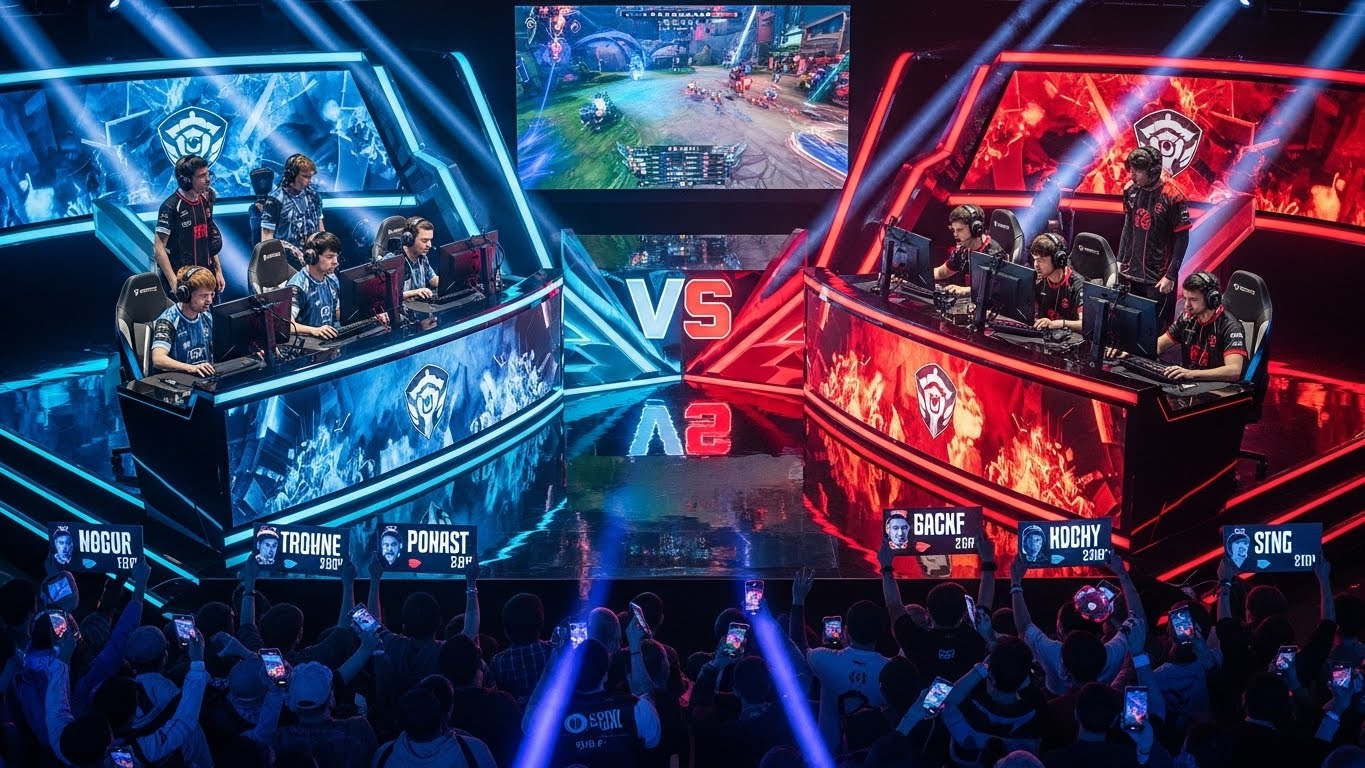
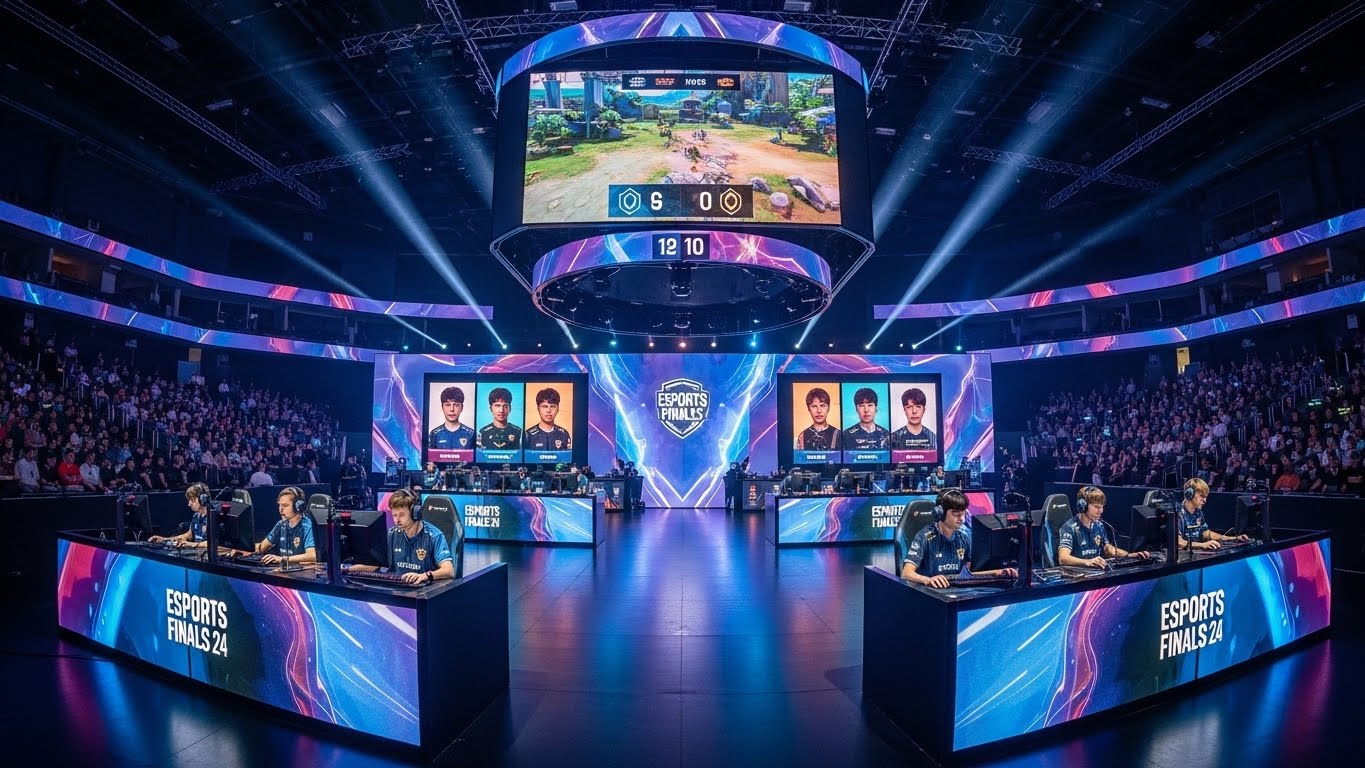
In recent years, esports has transitioned from a niche hobby into a global phenomenon. What was once seen as a pastime for teenagers has evolved into a professional, highly competitive industry attracting millions of viewers and generating billions in revenue. The growth of esports represents more than just technological advancement—it reflects a cultural shift in how people engage with games, entertainment, and community. This blog explores the journey of esports, the factors behind its explosive growth, and the implications it holds for the future of competitive entertainment.
The Origins of Competitive Gaming
The roots of esports can be traced back to the early days of video gaming in the 1970s and 1980s, when high-score competitions and local arcade tournaments gained popularity. Early competitions were small, informal, and often community-driven, but they laid the foundation for organized competitive gaming. As home consoles and personal computers became more common, multiplayer games created new possibilities for head-to-head competition.
The advent of the internet marked a turning point. Online multiplayer games allowed players from around the world to compete in real time, introducing a new level of skill and strategy to gaming. This connectivity turned casual gamers into serious competitors, setting the stage for esports as a global phenomenon.
The Professionalization of Esports
As interest in competitive gaming grew, the need for structure became apparent. Professional teams, leagues, and tournaments began to emerge, creating a framework similar to traditional sports. Players signed contracts, teams hired coaches, and sponsors invested in tournaments and players. Major game developers supported this growth by designing games with competitive play in mind, offering features like spectator modes and official rankings.
Professionalization brought legitimacy to esports. Tournaments became large-scale events with live audiences, elaborate production, and substantial prize pools. Players were no longer just hobbyists; they became athletes in their own right, training rigorously to compete at the highest level.
Community and Cultural Impact
A defining characteristic of esports is its vibrant and interconnected community. Unlike traditional sports, fans are highly engaged, not only watching competitions but also participating through streaming platforms, forums, and social media. Viewers interact with players in real time, share strategies, and create content that contributes to the culture surrounding the games.
This sense of community has global appeal. Fans follow teams and players from different countries, celebrate victories together, and engage in discussions about strategy and gameplay. Esports has cultivated a unique culture that blends entertainment, competition, and social interaction, making it more than just a form of gaming—it is a shared global experience.
Why Esports Captivates Audiences
Esports appeals to millions of viewers for several reasons. The games themselves are fast-paced, strategic, and visually engaging, providing entertainment that rivals traditional sports. Unlike traditional sports, esports can be played and streamed at any time, breaking geographical and logistical barriers.
Accessibility also plays a crucial role. Anyone with a gaming device can understand and participate, either as a player or a viewer. This inclusivity has helped esports attract a diverse audience across different age groups and cultures. The personal stories of professional players further enhance the appeal, creating emotional connections between fans and athletes.
The Economics of Esports
Esports has become a major business, driven by revenue from sponsorships, advertising, merchandise, media rights, and ticket sales. Major corporations invest heavily in the industry, recognizing its potential to reach younger audiences who are highly engaged with digital content.
Professional teams operate much like traditional sports organizations, with management, coaching staff, and scouting networks. Training facilities and gaming houses provide environments for players to practice and strategize, demonstrating the level of professionalism within the industry. Streaming platforms contribute significantly to the economy, allowing content creators to earn revenue from advertisements, subscriptions, and donations, creating a thriving ecosystem.
Technology and Innovation in Esports
Technological advancements have been instrumental in the growth of esports. High-speed internet enables smooth online gameplay, powerful hardware supports complex game mechanics, and streaming platforms allow millions to watch live competitions from anywhere in the world.
Emerging technologies such as virtual reality and augmented reality promise to revolutionize esports by creating immersive experiences that blur the line between physical and digital competition. Artificial intelligence also plays a role, providing advanced analytics, coaching tools, and personalized training programs for professional players.
Training and Professional Development
Esports players undergo intense training regimens similar to traditional athletes. Practice schedules often involve long hours of gameplay, studying opponents, reviewing strategies, and refining skills. Mental focus, quick reflexes, and strategic thinking are critical components of success.
Many teams employ support staff, including coaches, psychologists, and nutritionists, to ensure players maintain peak performance. Emphasis on mental health and work-life balance is increasing, highlighting the importance of sustainable careers in esports. The dedication required to reach professional levels underscores the legitimacy and competitiveness of the industry.
Esports in Education
Esports has also made its way into education, with universities and schools offering scholarships and official teams for students. Academic programs focus on game design, esports management, content creation, and digital media, providing students with career opportunities beyond playing professionally.
These programs teach students the business, technical, and creative aspects of esports, preparing them for roles such as event organizers, analysts, broadcasters, and marketers. The educational adoption of esports reflects its growing influence and the recognition of gaming as a serious career path.
The Global Reach of Esports
Esports has a global audience that spans continents and cultures. Major tournaments draw millions of viewers worldwide, with fans traveling internationally to watch live events. The industry has fostered cross-cultural interactions, connecting players and fans from diverse backgrounds.
Different regions have developed their own strengths in esports. For example, South Korea is renowned for its professional gaming culture, while Europe and North America host some of the largest international tournaments. The global nature of esports highlights its universality and ability to transcend borders.
Challenges and Opportunities
Despite its rapid growth, esports faces challenges, including maintaining player health, ensuring fair competition, and regulating the industry. The intensity of professional gaming can lead to burnout, stress, and physical strain, requiring organizations to prioritize player well-being.
There are also opportunities for growth. Expanding mobile gaming, integrating new technologies, and creating innovative tournament formats can attract broader audiences. Esports continues to evolve, offering endless possibilities for players, fans, and entrepreneurs.
The Future of Esports
The future of esports is filled with potential. Advancements in virtual reality, artificial intelligence, and interactive streaming will transform how competitions are experienced. Mobile gaming will make esports more accessible, reaching audiences in regions previously underrepresented.
Esports could eventually become part of mainstream international sporting events, reflecting its cultural and economic significance. The continuous growth of the industry suggests that competitive gaming is not just a trend but a lasting global phenomenon.
Conclusion
Esports has grown far beyond its humble beginnings to become a global cultural, technological, and economic force. Its rise demonstrates the power of digital communities, innovation, and passion. As the industry continues to expand, it will influence entertainment, education, and professional sports for years to come. Esports is not merely a game; it is a vibrant, dynamic, and evolving global movement, redefining the way people compete, connect, and experience entertainment in the modern world.