Introduction: The Rise of a Digital Arena
Esports has transformed from a niche pastime into a global phenomenon that rivals traditional sports in viewership, revenue, and cultural impact. What once began in internet cafés and small community tournaments has evolved into packed arenas, multimillion-dollar prize pools, and professional athletes followed by millions of fans worldwide. Esports is no longer just about playing games; it is about competition, storytelling, teamwork, and a new form of entertainment that speaks directly to the digital generation. This blog explores how esports grew, why it matters, and what the future holds for this rapidly expanding industry.
Understanding Esports: More Than Just Gaming
Esports, short for electronic sports, refers to organized competitive video gaming where individuals or teams compete in structured tournaments. Unlike casual gaming, esports demands discipline, strategy, training schedules, and professional coaching. Players often specialize in a single title, mastering game mechanics, tactics, and teamwork over years of practice.
What sets esports apart is its ecosystem. It includes players, teams, coaches, analysts, broadcasters, event organizers, sponsors, and fans. Each component plays a vital role in sustaining the competitive scene. Esports titles range across genres such as multiplayer online battle arenas, first-person shooters, real-time strategy games, and sports simulations, ensuring there is something for every type of competitor and viewer.
The Evolution of Esports Through the Years
The roots of esports can be traced back to early video game competitions in the late twentieth century, where players gathered to test their skills on arcade machines and home consoles. As internet access expanded, online multiplayer gaming made it possible for players from different regions to compete without being in the same physical location.
The real turning point came with the rise of live streaming platforms and high-speed internet. Suddenly, competitions were not limited to those who could attend in person. Millions could watch matches live, follow their favorite teams, and engage with players in real time. This accessibility fueled explosive growth and helped esports transition from a subculture into mainstream entertainment.
Esports as a Global Spectacle
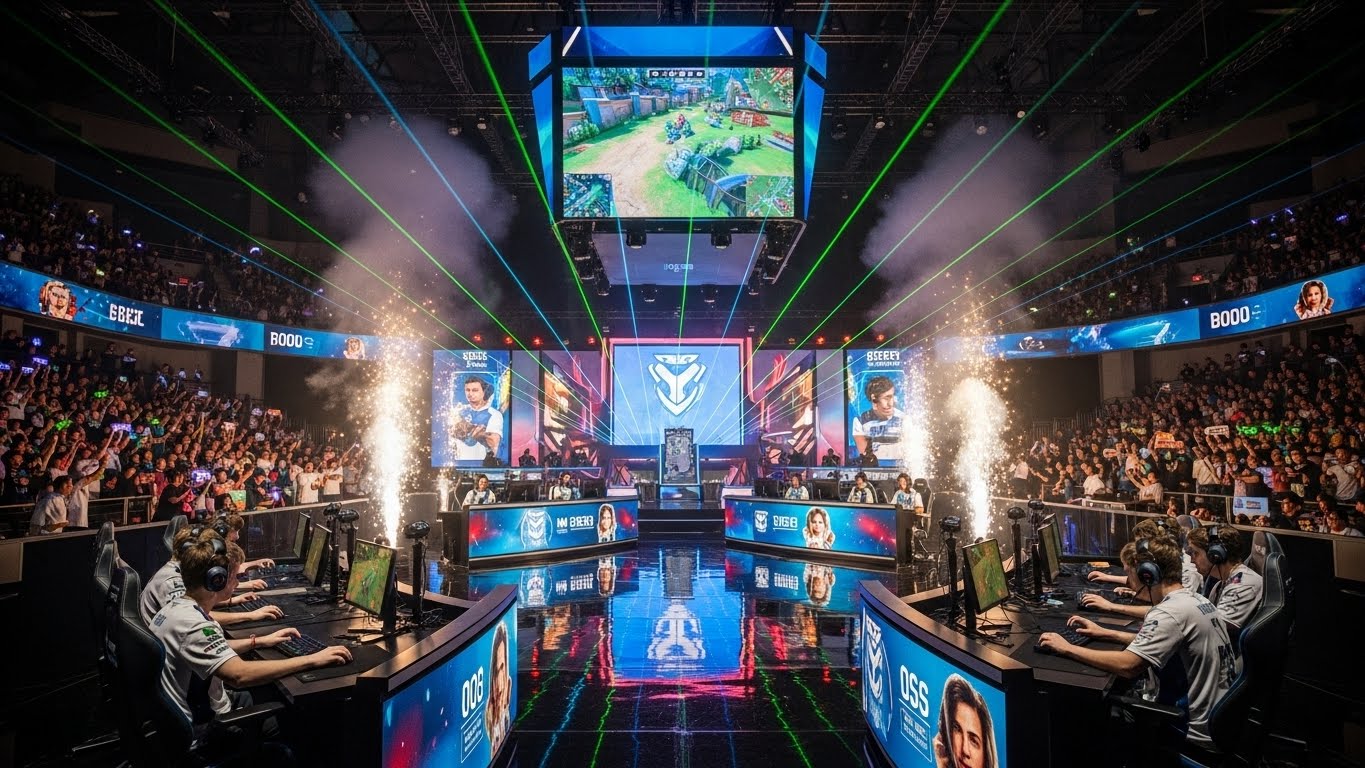
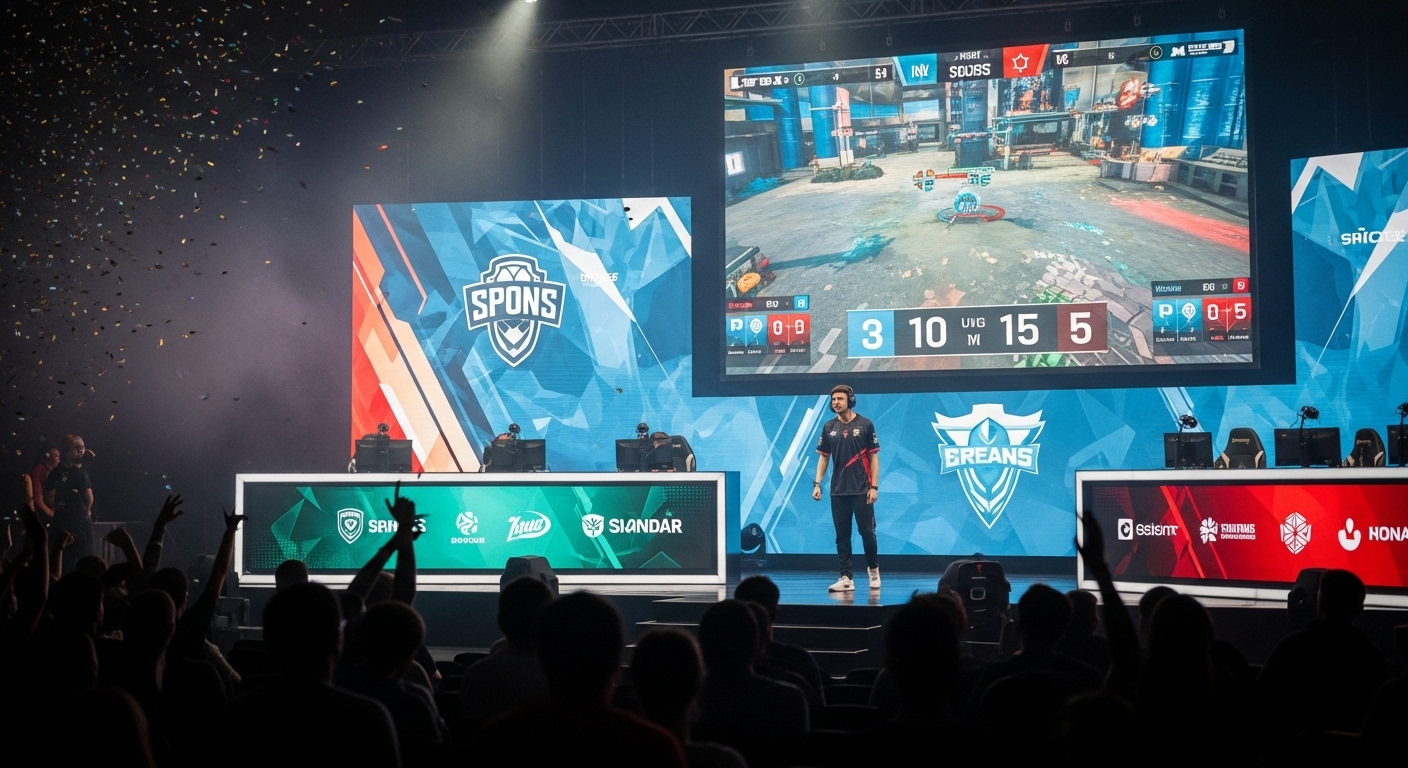
Today, esports is a truly global industry. Major tournaments attract international audiences, with fans tuning in from Asia, Europe, North America, and beyond. Stadiums fill with cheering spectators, and production values rival those of traditional sports broadcasts. High-definition visuals, expert commentary, and dramatic storytelling have turned matches into must-watch events.
Cultural diversity is one of esports’ greatest strengths. Players from different backgrounds bring unique playstyles and strategies, enriching the competitive landscape. This global nature fosters cross-cultural connections and allows fans to feel part of an international community united by a shared passion.
Professional Players: The New-Age Athletes
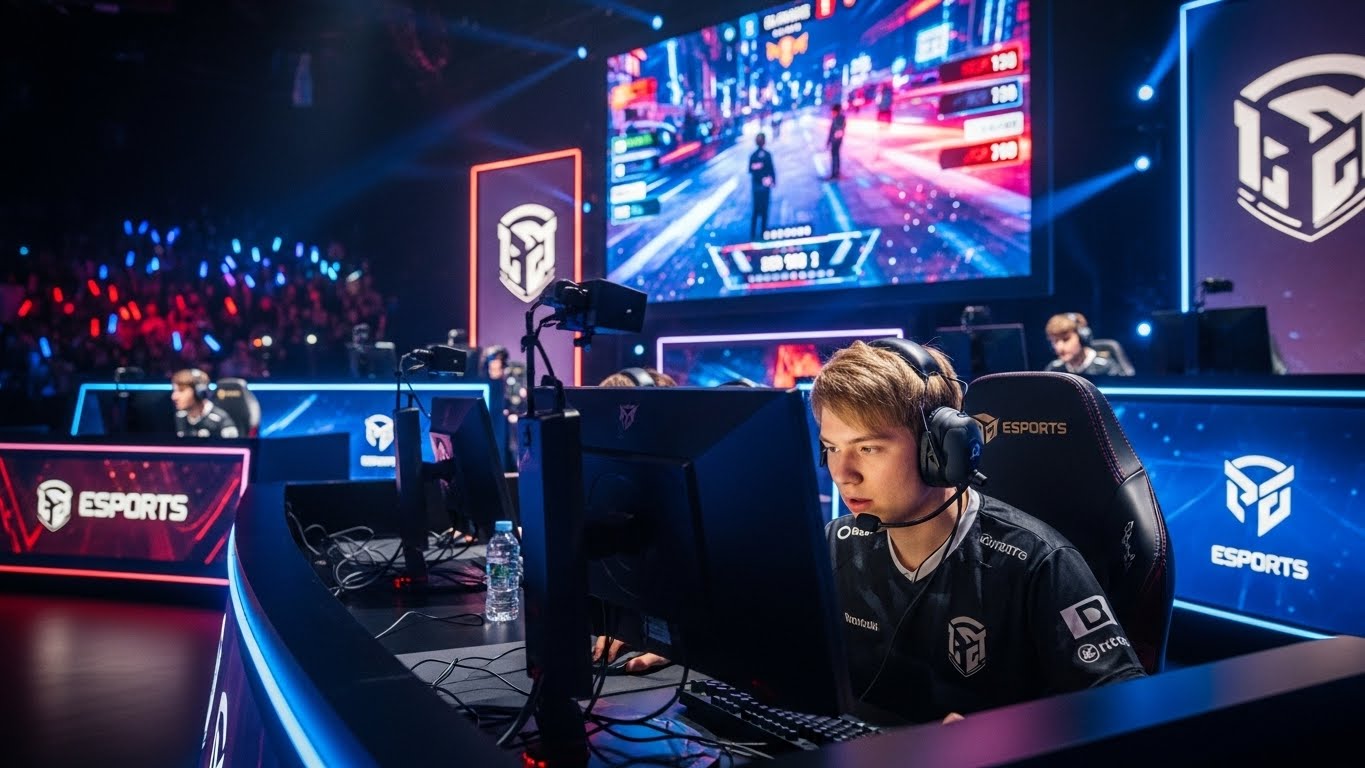
Esports professionals are often compared to traditional athletes, and for good reason. They follow strict training regimens that include hours of practice, strategic analysis, physical fitness routines, and mental conditioning. Reaction time, hand-eye coordination, and decision-making under pressure are critical skills that must be constantly refined.
The mental demands of esports are particularly intense. Players must process large amounts of information in seconds, adapt to changing situations, and maintain focus during long matches. Many teams employ sports psychologists to help players manage stress, build confidence, and improve teamwork. This emphasis on mental health highlights how seriously esports organizations treat performance and well-being.
The Business of Esports
Behind the excitement lies a powerful business engine. Esports generates revenue through sponsorships, advertising, merchandise, media rights, and ticket sales. Brands from technology, fashion, food, and automotive industries invest heavily in esports to reach younger, digitally savvy audiences.
Teams operate as professional organizations with managers, marketing departments, and support staff. Franchise models in certain leagues provide financial stability and long-term planning opportunities. As the industry matures, investments continue to increase, attracting entrepreneurs and investors who see esports as a sustainable and scalable market.
Esports and Community Building
One of the most compelling aspects of esports is its ability to build communities. Fans do not just watch games; they participate in discussions, create content, and form friendships around shared interests. Online forums, social platforms, and live chats allow fans to interact directly with players and commentators, breaking down traditional barriers between performers and audiences.
Grassroots tournaments and amateur leagues also play a crucial role. They provide aspiring players with opportunities to compete, improve, and gain recognition. This open pathway from casual play to professional competition is rare in traditional sports and contributes to esports’ inclusive appeal.
Education and Career Opportunities in Esports
Esports has created a wide range of career paths beyond professional playing. Opportunities exist in coaching, event management, broadcasting, game design, marketing, data analysis, and journalism. Educational institutions have begun offering esports programs and scholarships, recognizing the industry’s potential and legitimacy.
These programs teach not only gaming skills but also teamwork, leadership, communication, and technical expertise. For many students, esports serves as a gateway to careers in technology and media, blending passion with professional development.
Challenges Facing the Esports Industry
Despite its success, esports faces several challenges. Player burnout is a significant concern due to long training hours and intense competition schedules. Organizations are increasingly aware of this issue and are working to implement healthier practices, but balancing performance and well-being remains an ongoing struggle.
Another challenge is maintaining competitive integrity. Issues such as cheating, match-fixing, and performance-enhancing software can undermine trust. Strong governance, clear rules, and transparent enforcement are essential to preserving esports’ credibility.
Additionally, the rapid pace of change in gaming technology means that popular titles can rise and fall quickly. This volatility requires adaptability from teams, players, and investors, making long-term planning more complex.
Esports and Traditional Sports: A Growing Connection
The relationship between esports and traditional sports continues to grow stronger. Many professional sports organizations have launched their own esports teams, recognizing the opportunity to engage younger audiences. Athletes from traditional sports often express admiration for esports professionals, acknowledging the skill and dedication required to compete at the highest level.
This crossover has helped legitimize esports in the eyes of skeptics and opened doors for collaboration. Shared training methods, marketing strategies, and fan engagement techniques demonstrate that esports and traditional sports can learn from each other.
The Role of Technology in Shaping Esports
Technology is the backbone of esports. Advances in hardware, software, and connectivity directly influence how games are played and watched. Improved graphics and smoother performance enhance the viewing experience, while innovations such as virtual reality and augmented reality hint at exciting future possibilities.
Data analytics has also become a powerful tool. Teams analyze gameplay statistics to refine strategies and improve performance. Viewers benefit from detailed insights that deepen their understanding of matches, making esports more engaging and accessible to newcomers.
The Future of Esports
The future of esports looks promising and dynamic. As technology continues to evolve, so will the ways people play, watch, and interact with competitive gaming. Esports is likely to expand further into mainstream culture, with greater representation in media, education, and entertainment.
Sustainability will be a key focus. Ensuring fair competition, player well-being, and long-term financial stability will shape the industry’s next phase. With thoughtful growth and innovation, esports has the potential to become a defining form of competition for generations to come.
Conclusion: A New Era of Competition
Esports represents more than a trend; it is a cultural shift in how competition and entertainment are experienced. By blending technology, creativity, and human skill, esports has created a new arena where talent is celebrated and communities thrive. Its journey from small gatherings to global stages reflects the power of digital connection and shared passion.
As esports continues to grow, it challenges traditional ideas of sports and opens doors to new possibilities. Whether as a fan, a player, or a professional behind the scenes, engaging with esports means being part of a movement that is shaping the future of competition itself.