Introduction
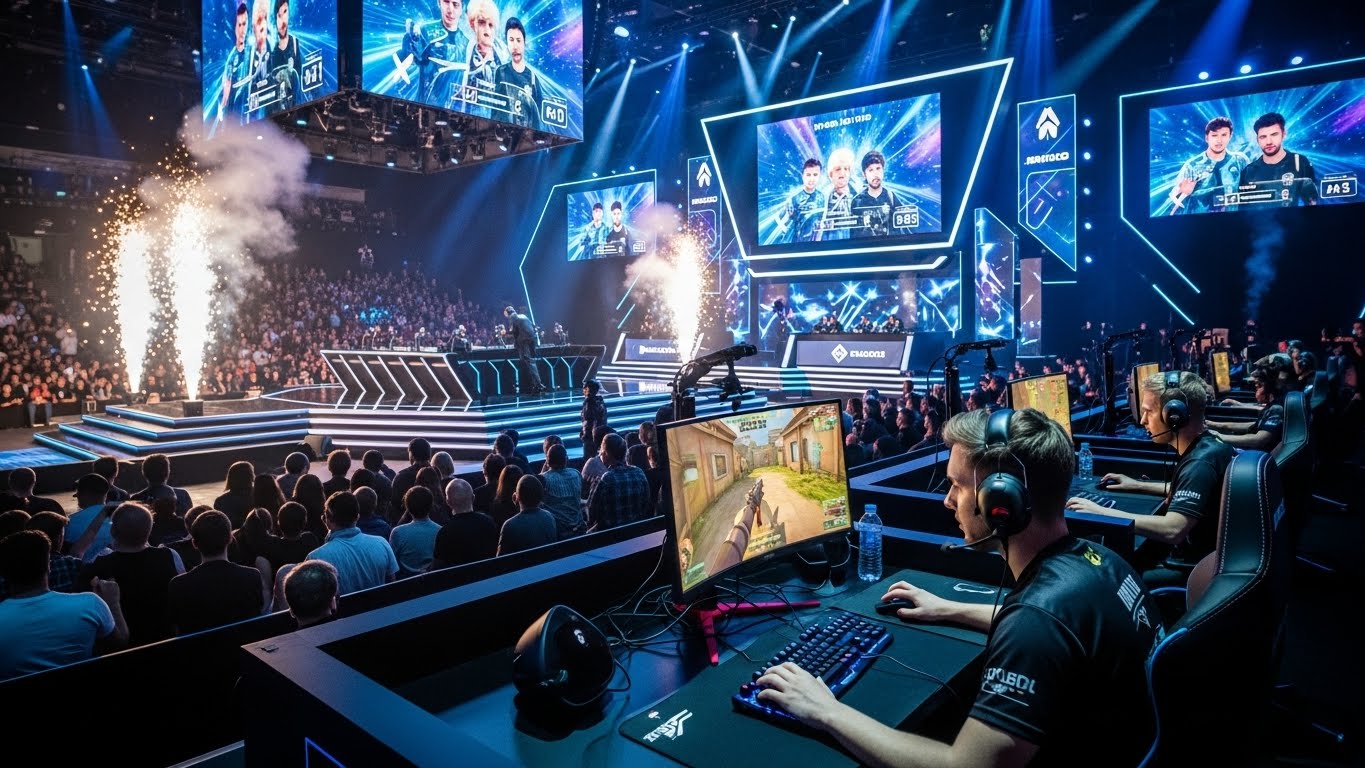
Esports has transformed from a niche pastime enjoyed by small groups of gaming enthusiasts into a global sensation capturing millions of viewers and generating professional opportunities. What was once considered simple entertainment has evolved into a competitive ecosystem similar to traditional sports, complete with tournaments, professional teams, sponsorships, and passionate fan bases. The growth of esports reflects changes in technology, culture, and how the world interacts with digital entertainment. This blog explores how esports rose to prominence, why it captivates so many people, and what the future may hold for this ever-expanding digital arena.
The Evolution of Competitive Gaming
The roots of esports can be traced back to the late twentieth century when arcade competitions and console gaming tournaments began to draw attention. What started as friendly challenges among local players soon turned into organized competitions with increasing stakes. The rise of the internet accelerated this evolution, allowing gamers worldwide to connect, compete, and share experiences without geographic limitations.
Early tournaments were small and mostly community organized, but they laid the foundation for what esports would become. With the progression of technology, games became more complex and competitive, setting the stage for structured leagues, professional teams, and massive audiences. The key turning point came when streaming platforms emerged, making it easy for competitive matches to be watched by millions in real time. This accessibility transformed esports from a hobby into a vast entertainment industry watched not only by gamers but by general audiences seeking thrilling competition.
Why Esports Captivates Global Audiences
Esports appeals to a wide range of people for many reasons. One of the strongest factors is accessibility. Anyone with a computer, console, or even a mobile device can experience competitive gaming, whether as a participant or a spectator. This inclusivity is different from many traditional sports, which often require specialized equipment or physical abilities.
Another reason for esports’ popularity is the dynamic nature of the games themselves. Titles in esports are updated frequently, introducing new strategies and gameplay possibilities. This constant evolution keeps fans engaged and creates an ever-changing competitive landscape that players must master. The combination of skill, strategy, and unpredictability makes esports exciting to watch and follow.
Moreover, esports has developed a culture that blends digital creativity with athletic competition. Fans connect with the personalities of players, follow their careers, and support teams with the same energy found in traditional sports fandom. Each tournament becomes a shared experience filled with drama, energy, and high stakes.
The Rise of Professional Players and Teams
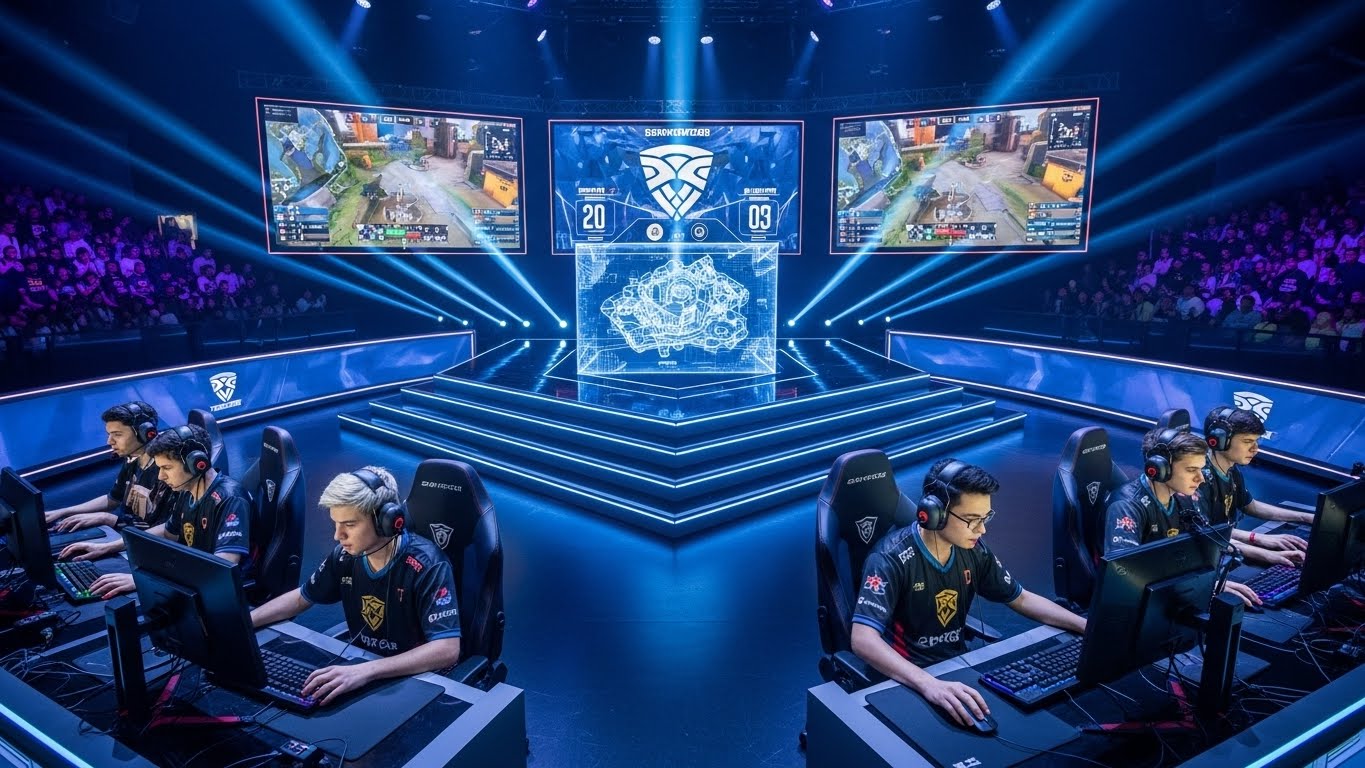
One of the most fascinating aspects of esports is the emergence of professional players who train rigorously to compete at elite levels. These players often dedicate years of practice to hone their reflexes, strategy, teamwork, and mental endurance. Many compete in structured organizations similar to traditional sports teams, complete with coaches, analysts, and support staff.
Professional teams participate in leagues featuring seasonal tournaments, playoffs, and championships. These competitions draw huge audiences and offer large prize pools, making esports a viable career path for talented individuals. For many young players, becoming a professional gamer is now seen as an achievable dream rather than an unlikely fantasy. Their dedication and skill inspire millions, proving that digital competition can demand as much discipline and training as physical sports.
The Major Games Dominating the Esports Arena
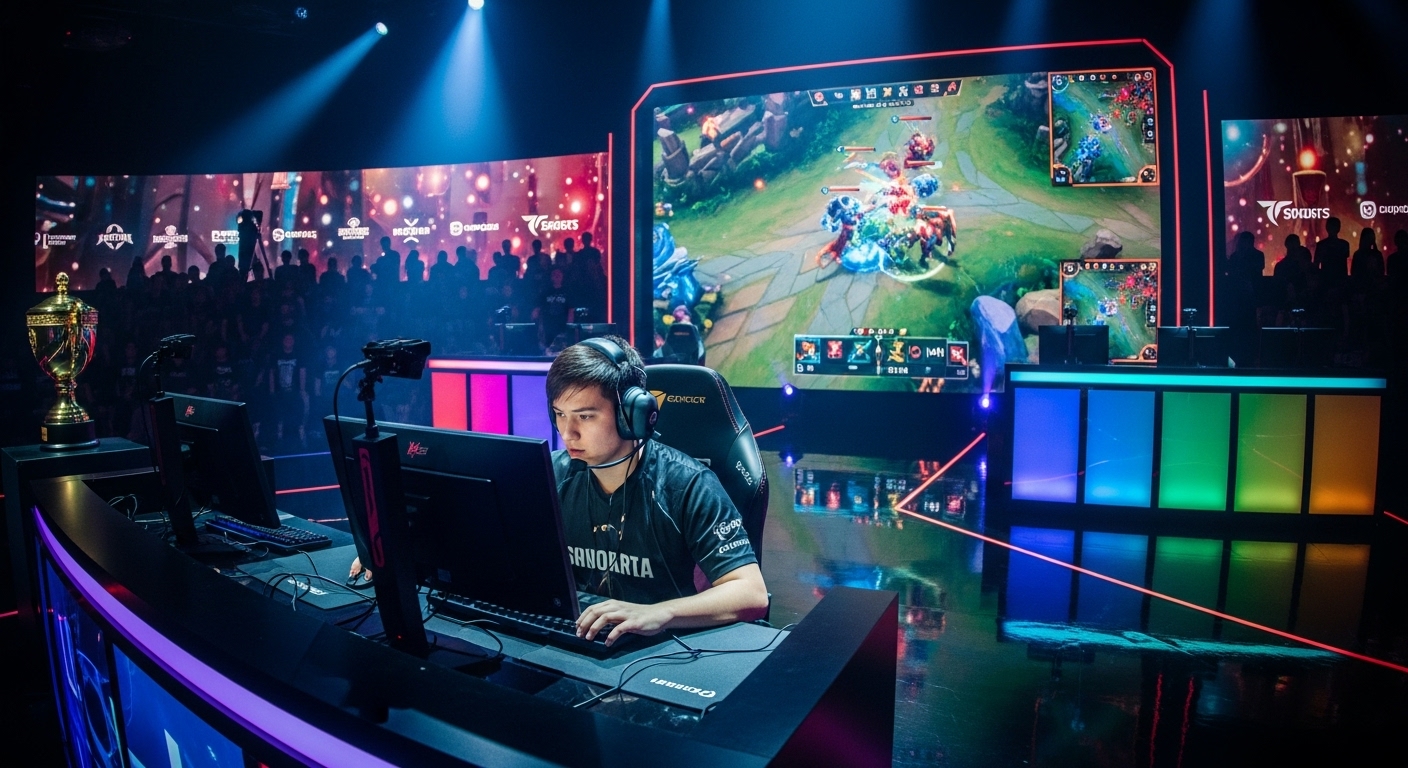
The esports landscape includes a wide variety of game genres, each offering unique competitive experiences. Multiplayer online battle arena games are known for their deep strategy and fast-paced gameplay, requiring teams to coordinate movements, tactics, and objectives with precision. Tournaments for these games often become global spectacles watched by millions.
First-person shooter games have been popular in competitive circles for years due to their emphasis on reflexes, map control, and teamwork. These games create thrilling moments where a split-second decision can determine the outcome of a match.
Sports simulation games also have a strong presence, appealing to fans of traditional sports who enjoy digital representations of their favorite activities. Additionally, fighting games continue to attract dedicated communities thanks to their rich competitive history and emphasis on individual skill.
Each game genre contributes to the diversity and strength of the esports ecosystem, giving fans and players countless ways to engage with competitive gaming.
The Role of Streaming and Digital Media
Streaming platforms have played a monumental role in the growth of esports. They allow fans to watch live matches, learn strategies, and engage with gaming personalities from anywhere in the world. The real-time interaction provided by chat features and online communities adds a new layer of connection between viewers and players.
Content creators and streamers also contribute to the esports ecosystem. Many professional players stream their practice sessions or interact with fans, providing insights into the competitive world and helping build their personal brands. This direct access to players is something unique to esports, giving fans a more intimate connection to their favorite competitors.
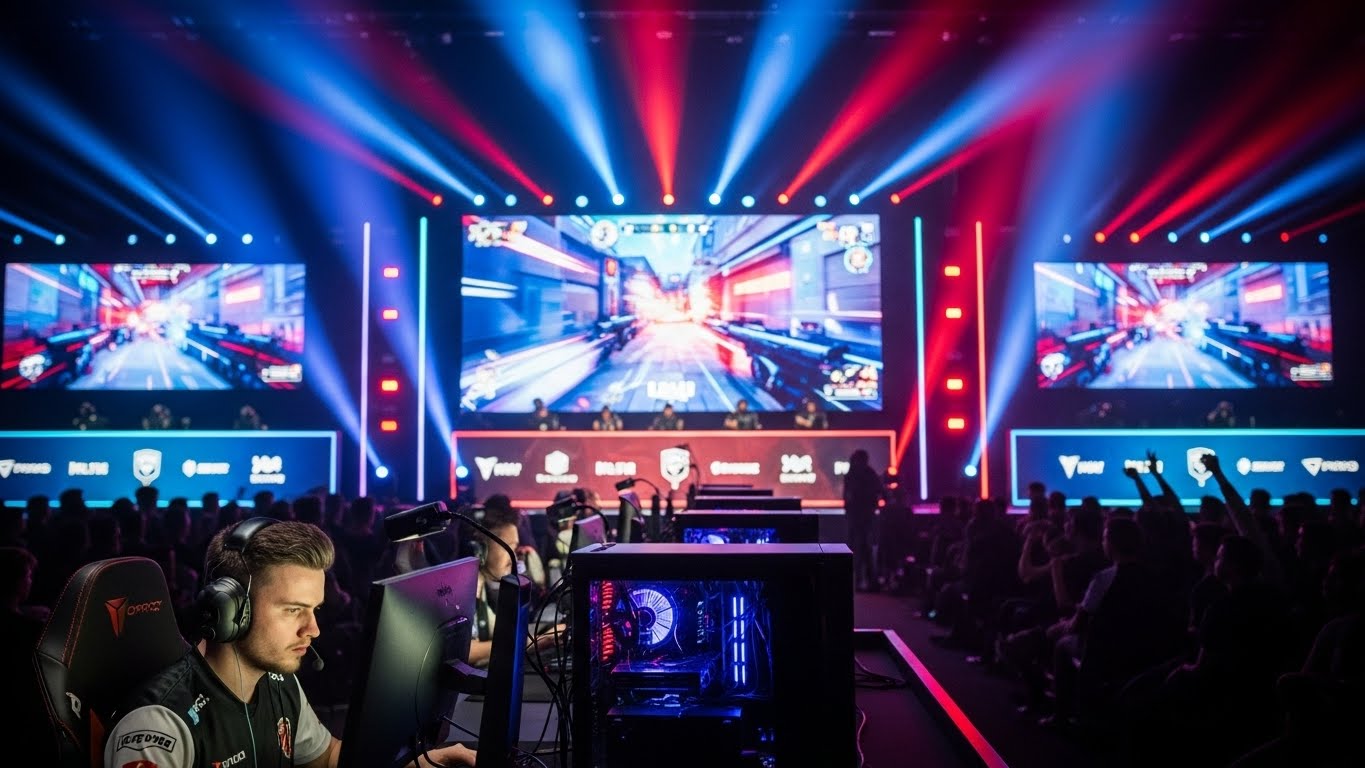
Digital media has also empowered tournament organizers to reach global audiences without the limitations of traditional broadcasting. Major events can attract millions of viewers, demonstrating the massive scale of interest surrounding esports and reinforcing its status as a legitimate form of entertainment.
The Business Behind Esports
Esports is not just a form of entertainment; it is also a significant business industry. Sponsorships, advertising, merchandise sales, and media rights contribute to an economic ecosystem that supports players, teams, event organizers, and game developers. Major companies invest in esports due to its young and highly engaged audience, making it an attractive space for marketing and brand partnerships.
Teams operate like traditional sports organizations, with management, training facilities, coaching staff, and performance analysts. Many players sign contracts that include salaries, bonuses, and endorsements. The professionalism of the industry has grown substantially, solidifying esports as a legitimate career path.
The economic impact extends far beyond tournaments. Influencers, content creators, event staff, commentators, and analysts all contribute to esports’ expanding workforce. The industry’s rapid growth has created countless opportunities for people passionate about gaming.
Esports in Education and Youth Development
One of the most unexpected developments in esports is its integration into educational systems. Schools and universities around the world have begun offering esports programs, clubs, and even scholarships. These initiatives encourage teamwork, strategic thinking, communication skills, and digital literacy.
For many students, esports provides a place to belong and an opportunity to build confidence. Schools recognize that competitive gaming can teach valuable life skills similar to those gained from traditional sports. These programs also create pathways for future careers in technology, game design, broadcasting, or professional gaming.
The academic aspect of esports shows that gaming can be more than just recreation. It is becoming a legitimate field for personal and professional development.
The Global Culture of Esports
Esports transcends borders, languages, and cultures. International tournaments bring together players and fans from around the world, fostering a sense of unity through shared passion. The worldwide appeal of esports comes from its accessibility and the universal excitement of competition.
In many countries, local esports communities have grown into powerful cultural movements. National teams compete on global stages, and fans celebrate victories much like they would during international sporting events. This global reach highlights the power of digital entertainment to connect people across continents.
Challenges Facing the Esports Industry
Despite its success, esports faces challenges that need attention. Maintaining competitive integrity is crucial, requiring strict rules and monitoring to prevent cheating or unfair practices. Player health is another concern, as intense training schedules and long hours of gameplay can lead to physical and mental strain.
The industry also grapples with issues related to diversity and inclusivity. Ensuring that esports remains welcoming for all players regardless of background is essential for long-term growth. Addressing these challenges will help esports continue to expand responsibly and sustainably.
The Future of Esports
The future of esports looks brighter than ever. Advancements in technology such as virtual reality, augmented reality, and faster internet speeds will open new opportunities for innovative competitive experiences. Esports may soon become even more immersive, interactive, and accessible.
As traditional sports organizations continue to invest in esports, the line between digital and physical competition may blur further. New leagues, global tournaments, and youth development programs will continue shaping the ecosystem. With its vibrant community and rapid innovation, esports is poised to remain a dominant force in entertainment and culture for years to come.
Conclusion
Esports has evolved from simple gaming competitions into a powerful global industry that influences entertainment, technology, education, and culture. Its rise reflects the world’s growing connection to digital experiences and the universal love of competition. With millions of fans, dedicated players, and endless opportunities for innovation, esports stands as one of the most exciting developments of the twenty-first century. As the industry continues to grow, it will inspire future generations to embrace creativity, strategy, and teamwork in new and dynamic ways.