Introduction
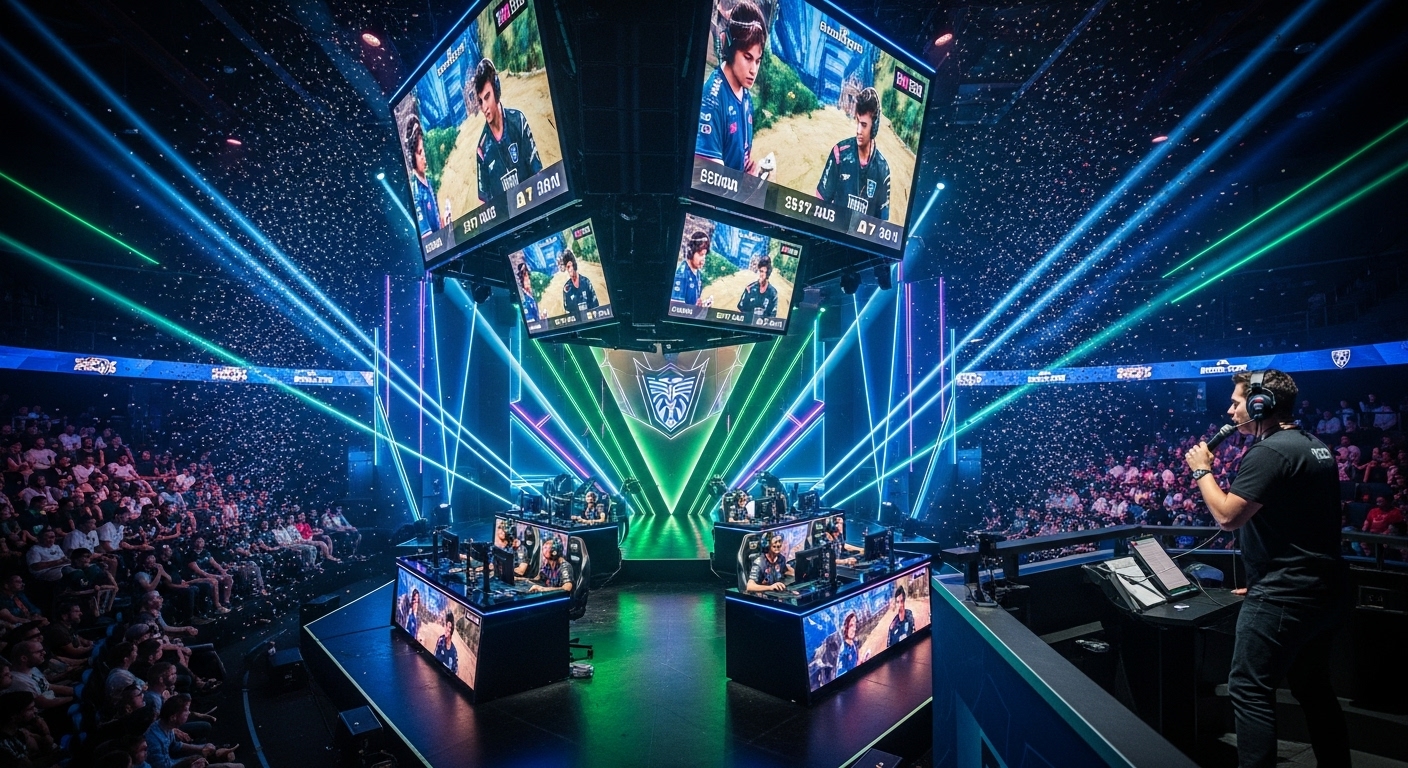
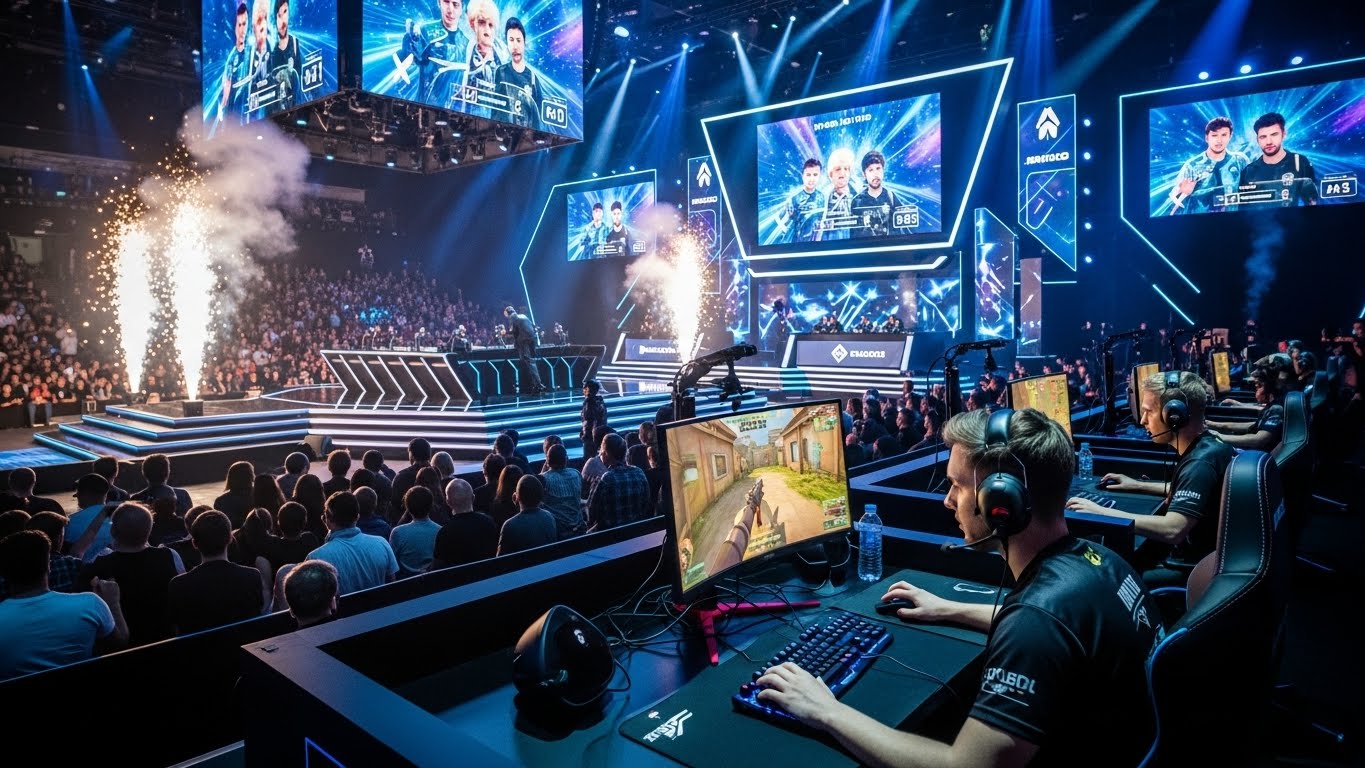
Esports has rapidly transitioned from a niche hobby into a dominant force in the world of entertainment. What started as a simple way for gamers to showcase their skills has now evolved into a global phenomenon that spans multiple continents, attracts millions of viewers, and generates billions of dollars in revenue. Professional gamers now enjoy celebrity status, while large-scale tournaments are held in arenas with live audiences and broadcasted to millions more through online streaming platforms. Esports is no longer just about playing video games—it’s about being part of a digital revolution that redefines the future of competition, entertainment, and community engagement.
This blog will dive deep into the rise of esports, the dynamics of competitive gaming, its cultural impact, and the factors driving its growth. We will also explore how esports has changed the way we view sports, entertainment, and even technology. Finally, we’ll examine the future of esports and the exciting potential it holds for players, fans, and the industry as a whole.
The Origins of Esports: A Journey from Arcades to Global Stages
The story of esports is rooted in the early days of video gaming. Back in the 1970s and 1980s, video games were mostly single-player experiences, but as gaming technology improved, multiplayer games began to take shape. The concept of competition within gaming emerged as people gathered around arcade machines to compete for high scores. These early experiences laid the foundation for the competitive gaming culture that would later thrive in the digital age.
As the internet became more accessible, online multiplayer games such as Warcraft and StarCraft brought players together from across the globe. These games introduced the idea of organized competition, where players could face off against each other remotely. While the first official esports tournament is often credited to the Red Annihilation event in 1997, it wasn’t until the early 2000s that esports started to take off in a more structured way. Games like Counter-Strike, Quake, and League of Legends helped establish esports as a professional field, and it wasn’t long before major leagues and tournaments began to emerge.
Today, esports is a well-oiled machine, with professional organizations, sponsors, and global media coverage. What was once a basement hobby has become a mainstream cultural phenomenon, attracting millions of fans, players, and investors.
The Anatomy of Competitive Gaming: What Makes Esports So Engaging?
The essence of esports lies in the intense competition and skill required to succeed. But what makes esports so engaging for both players and fans alike? It’s not just about playing video games—it’s about mastering them, pushing the boundaries of skill, strategy, and teamwork.
Games of Skill and Strategy
Esports covers a wide range of games, each with its unique mechanics, strategies, and requirements. The most popular genres in esports include first-person shooters (FPS), multiplayer online battle arena (MOBA) games, real-time strategy (RTS) games, and sports simulators.
In FPS games like Call of Duty and Counter-Strike: Global Offensive (CS: GO), players need fast reflexes, accuracy, and tactical thinking. These games are intense, high-stakes affairs where players must outsmart and outshoot their opponents to secure victory. The speed at which players must react to their opponents’ moves makes FPS games thrilling to both play and watch.
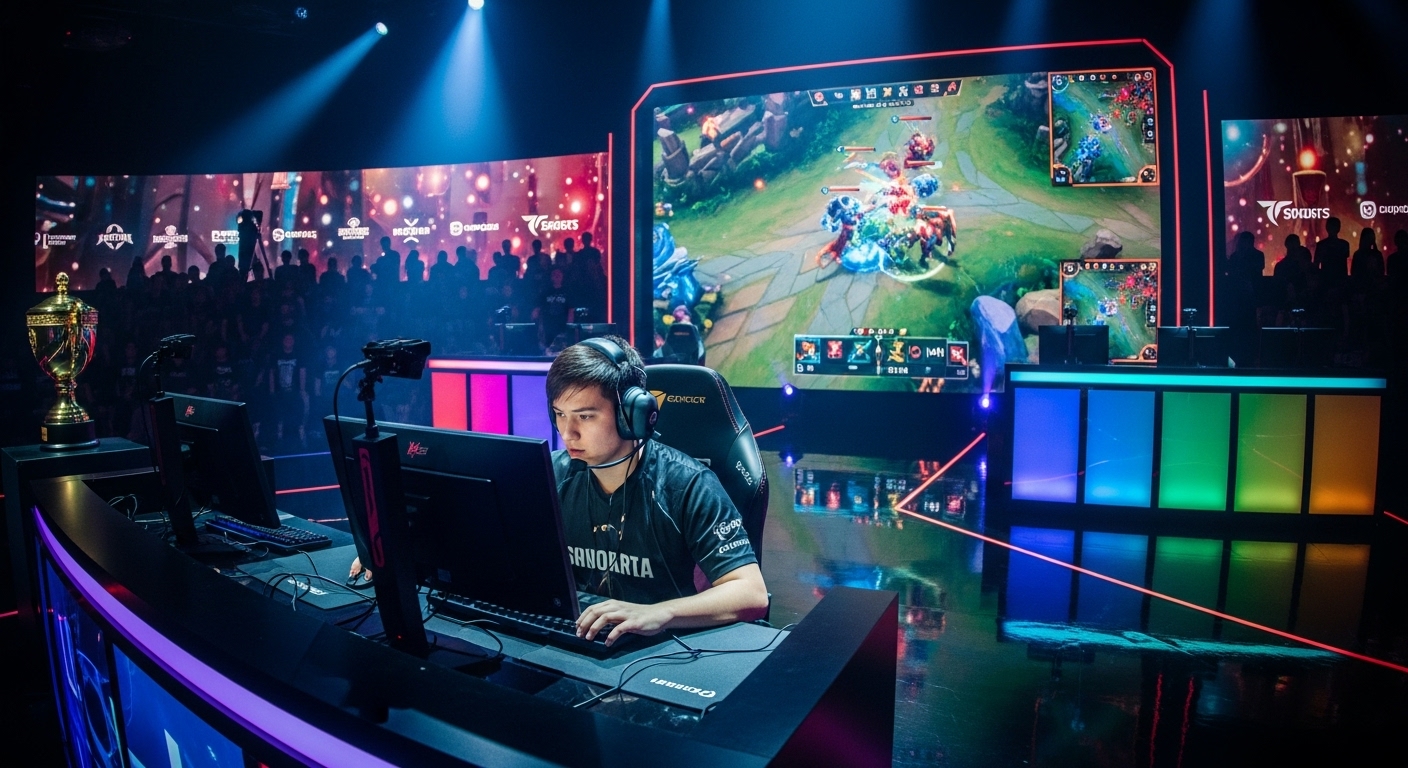
MOBA games such as League of Legends and Dota 2 require deep strategy and teamwork. Players control a unique character with specific abilities, and working together with teammates is key to success. These games are more about long-term planning, strategy, and coordination than quick reflexes, making them accessible to a wider range of players while still demanding high levels of skill and execution.
RTS games like StarCraft II are all about resource management, strategic thinking, and multitasking. Players must manage their economy, build armies, and outwit their opponents in real-time. In these games, quick decision-making and precise execution can turn the tide of battle, creating a tense and exciting atmosphere.
The Role of Teamwork and Communication
One of the most defining aspects of esports, especially in games like League of Legends and Overwatch, is the importance of teamwork. While some esports titles feature individual players competing against each other, many games require players to work as a cohesive unit. Success relies not just on individual skill, but also on coordination, communication, and synergy.
Professional esports teams often have dedicated coaches, analysts, and strategists who help players improve their gameplay, develop team strategies, and refine their mental focus. The ability to work together under pressure is just as important as mastering the game mechanics, and this is why esports is often compared to traditional team sports.
The Growth of Esports: From Underground Culture to Mainstream Entertainment
Esports began as a grassroots movement, with small online communities organizing tournaments and sharing gameplay videos. However, the explosion of digital streaming platforms such as Twitch and YouTube in the 2010s provided esports with the perfect platform to reach global audiences. These platforms allowed fans to watch live streams of competitive gaming, interact with players, and become part of a growing digital community.
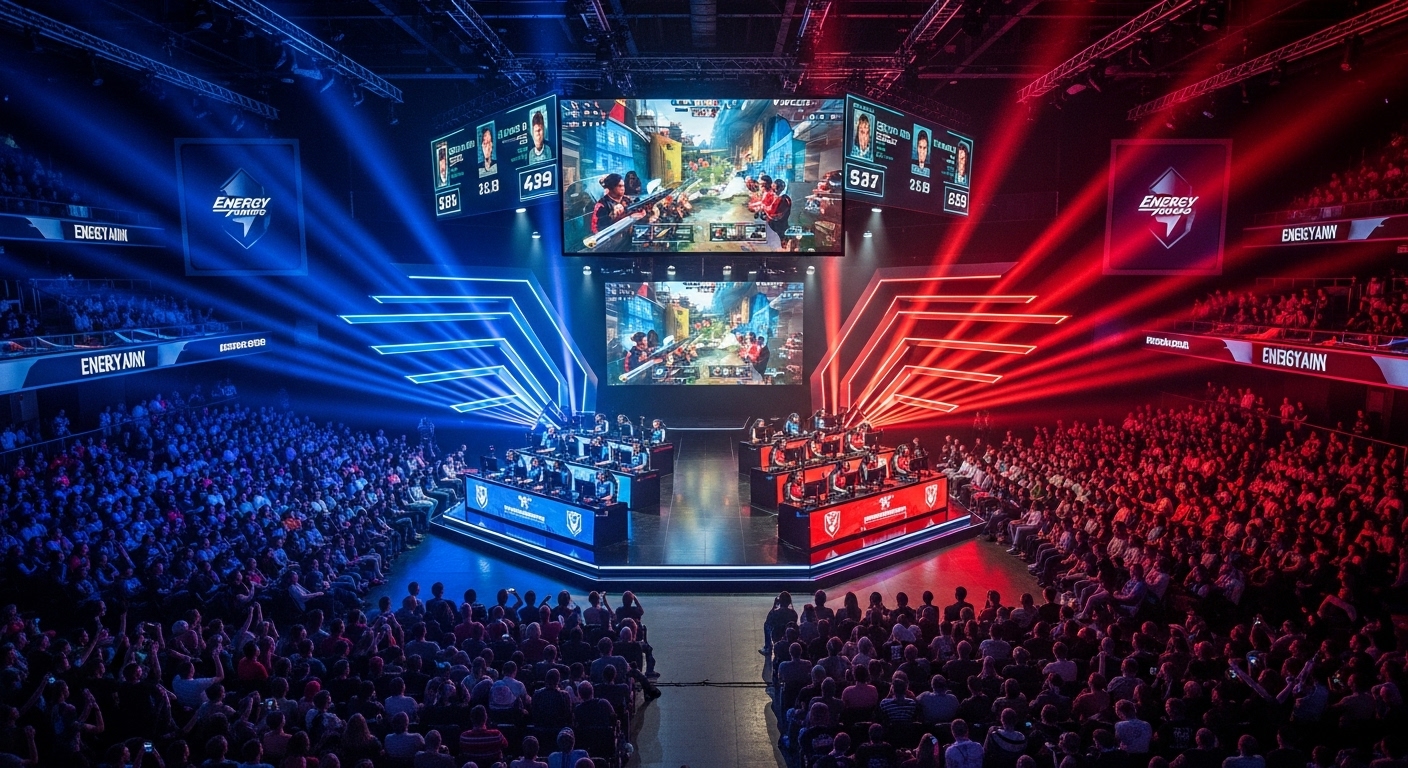
As esports grew in popularity, it attracted major corporate sponsors, media networks, and investors. Brands such as Coca-Cola, Intel, and Red Bull quickly saw the potential of esports as a marketing tool, leading to multi-million-dollar sponsorship deals. Tournaments with large cash prizes began to gain more media attention, and events like The International (Dota 2) and the League of Legends World Championship began to fill arenas with thousands of spectators, while millions more tuned in online.
The rise of esports has also had a significant impact on the gaming industry itself. Game developers are now designing games with esports potential in mind, ensuring that they have a competitive edge and a large, sustainable community. As a result, esports titles are continuously updated, with balance changes, new features, and content designed to keep the competitive scene fresh and exciting.
The Business of Esports: How the Industry Drives Revenue
Esports is now a multi-billion-dollar industry, with multiple revenue streams fueling its growth. From sponsorship deals to ticket sales, merchandise, and advertising, esports has become a highly profitable sector that extends far beyond just the players.
Sponsorships and Advertising
Sponsorships are one of the biggest revenue drivers for esports organizations and events. Major brands are eager to tap into the lucrative, youth-driven esports market. Companies like Nike, Audi, and T-Mobile have invested heavily in esports sponsorships, associating their brands with top teams and tournaments. These sponsorships not only provide financial support for events but also boost the visibility of esports to mainstream audiences.
Streaming and Broadcasting
Streaming platforms such as Twitch, YouTube Gaming, and Facebook Gaming are essential to the esports ecosystem. These platforms generate significant revenue through advertising, subscriptions, and donations from viewers. Professional esports events are live-streamed to millions of viewers, who can engage with the players and commentators in real-time. These streams are monetized through ad revenue, subscriptions, and sponsorships.
Merchandising and Ticket Sales
Esports also generates substantial income through ticket sales and merchandise. Fans can purchase team jerseys, accessories, and other branded items, helping to build loyalty and support for their favorite players and organizations. Major esports events such as the League of Legends World Championship sell out arenas, with fans paying top dollar to watch their favorite teams compete in person.
Esports and Its Cultural Impact: Shaping a New Generation of Fans
Esports has become a cultural phenomenon, shaping how young people engage with entertainment, community, and competition. Unlike traditional sports, esports provides an easily accessible platform for fans to interact with players, teams, and other fans. Esports has created a digital ecosystem that thrives on fan engagement, with social media platforms like Twitter, Instagram, and Discord serving as hubs for communication.
The rise of esports has also transformed the way people view professional gaming. No longer seen as a pastime or hobby, esports athletes are now celebrated as professional athletes. Top players sign lucrative sponsorship deals, compete for multi-million-dollar prizes, and build dedicated fanbases.
Esports has also contributed to the growing intersection between gaming and other entertainment industries. Music, fashion, and technology are all closely linked with esports, with brands and influencers crossing over into multiple sectors. Esports events are not just about the competition—they’re also cultural experiences, with live performances, product reveals, and collaborations with artists and musicians.
The Future of Esports: Endless Possibilities
As esports continues to grow, the future looks bright. New technologies, such as virtual reality (VR) and augmented reality (AR), will likely play a major role in shaping the next generation of competitive gaming. These technologies could provide even more immersive and interactive experiences for both players and fans, allowing for a level of engagement that was previously unimaginable.
Esports is also expected to continue its push into mainstream media, with major television networks and streaming platforms dedicating more resources to broadcasting esports events. The rise of esports may even lead to its inclusion in major sporting events, such as the Olympics, further legitimizing it as a recognized global sport.
As esports continues to break down barriers, attract new fans, and innovate in its technology and business models, it is clear that this digital frontier will remain at the forefront of entertainment for years to come.
Conclusion
Esports has undeniably redefined what it means to be a competitive sport in the digital age. What began as a niche interest for gamers has now become a global phenomenon that is transforming the world of entertainment, business, and culture. With millions of fans, professional players, and investors fueling its growth, esports is poised to continue breaking records and expanding its influence in the years to come. Whether you’re a player, a fan, or someone looking to learn more about this evolving industry, there has never been a better