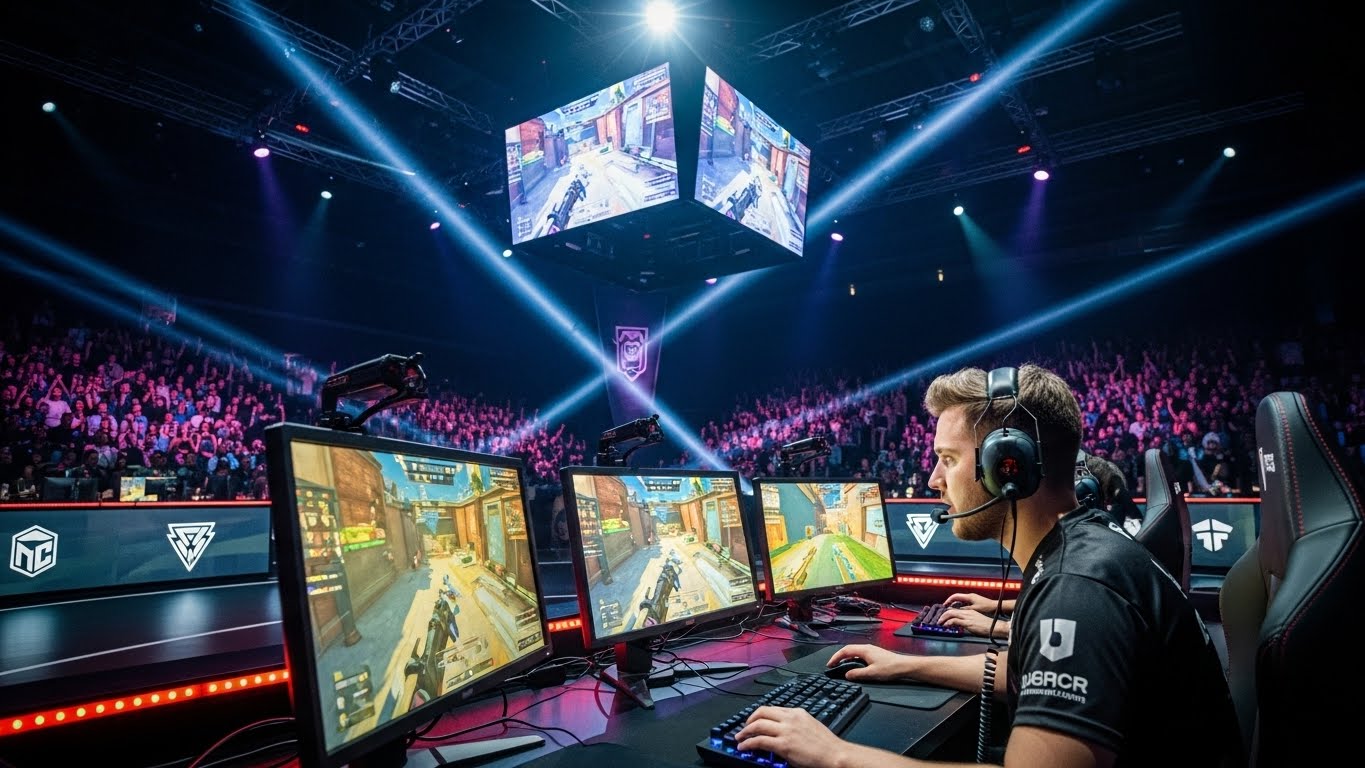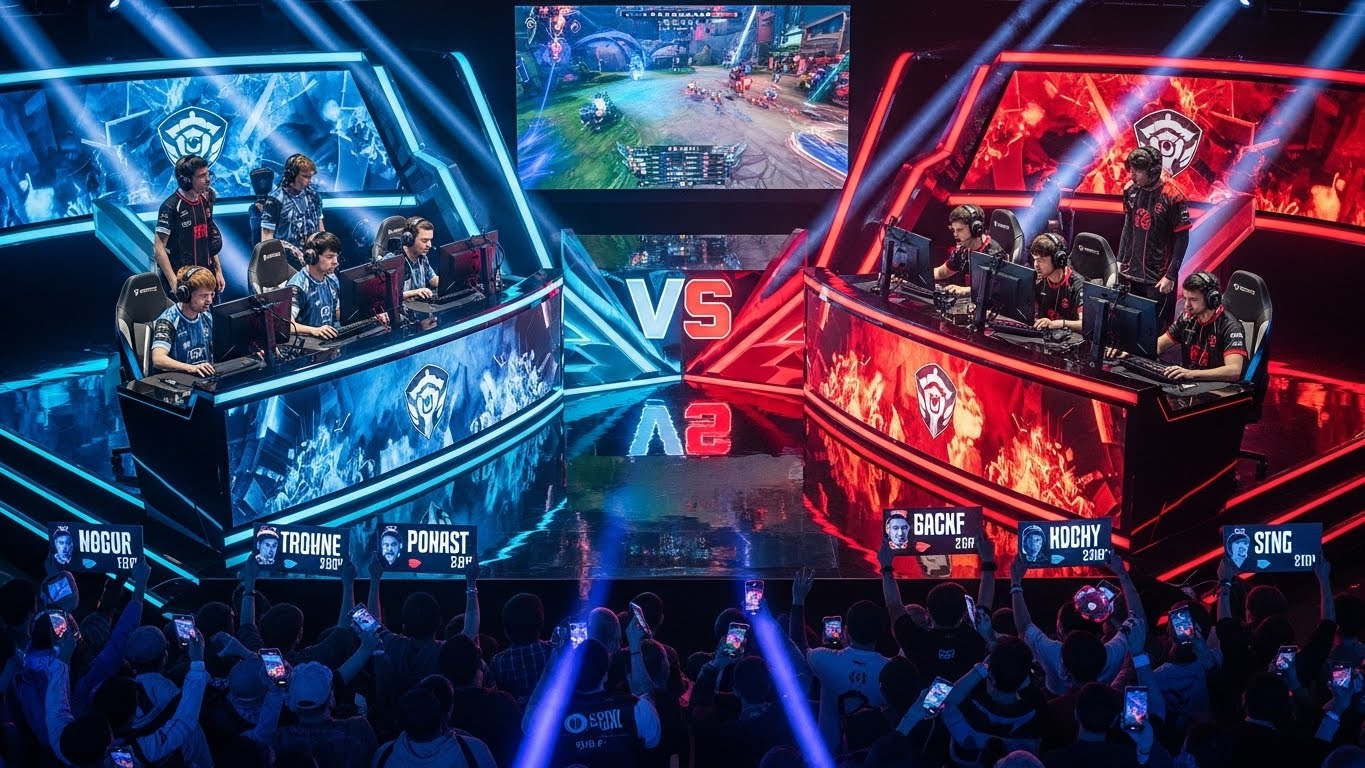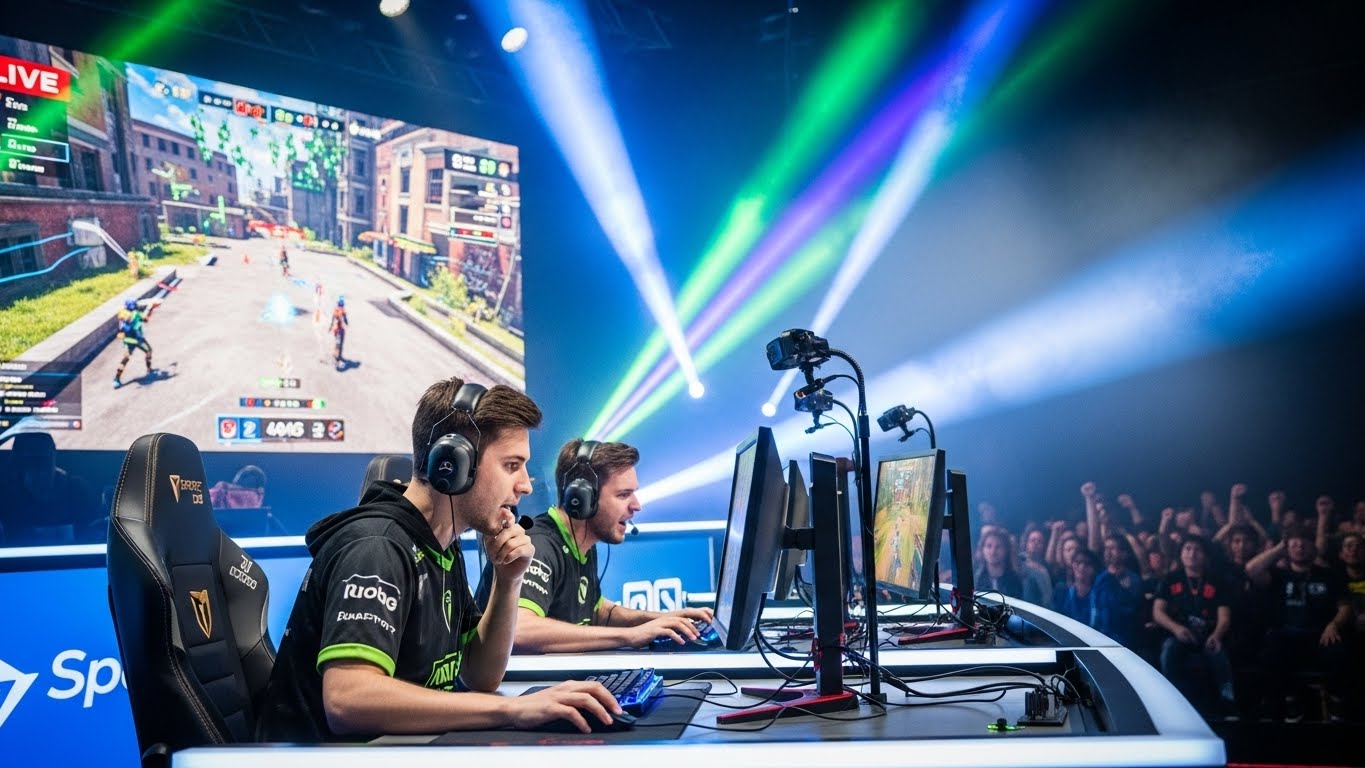
Over the past two decades, the world of esports has exploded from a niche hobby to a multi-billion dollar industry, captivating millions of fans and players worldwide. Esports, short for electronic sports, refers to organized, multiplayer video game competitions, particularly between professional players, individually or as teams. What started as small, local tournaments has evolved into massive, global events broadcasted on streaming platforms and even showcased in sold-out arenas. The rise of esports is more than just a gaming trend—it is reshaping entertainment, business, and culture in profound ways. This blog post explores the evolution of esports, its growing influence, and what the future may hold for this dynamic and rapidly expanding industry.
The Birth of Esports: From LAN Parties to Global Phenomenon
Esports as we know it today did not appear overnight. The roots of competitive gaming can be traced back to the early days of video gaming, where players competed in local tournaments, often referred to as LAN (Local Area Network) parties. These gatherings, typically held in basements or school halls, allowed gamers to connect their computers or consoles in close proximity to battle it out in games like “Quake” or “StarCraft.”
One of the earliest significant moments in esports history occurred in 1997 with the launch of the “Red Annihilation” tournament for the game “Quake.” The event was broadcasted live, and it drew attention from the gaming community and beyond, with the winner even walking away with a Ferrari. However, it wasn’t until the 2000s that esports began to see real mainstream growth, particularly in countries like South Korea, where gaming became a national pastime.
South Korea was a significant player in shaping esports as a professional sport. The rise of broadband internet access in the late 1990s enabled fast, seamless online gaming, and tournaments became televised on dedicated cable channels like OnGameNet. The country’s high-speed internet infrastructure laid the groundwork for a competitive gaming culture that would soon spread across the globe.
The turn of the millennium also saw the emergence of iconic multiplayer games like “Warcraft III” and “League of Legends,” which would go on to shape the competitive gaming landscape for years to come. These games not only required strategic depth but also featured vibrant online communities that spurred the growth of professional leagues and competitions.
The Growth of Esports: From Amateur to Professional
As the 2010s rolled in, esports truly began to break into the mainstream. What was once considered a niche hobby was starting to gain legitimacy as a competitive sport. Professional leagues began to form for games like “League of Legends,” “Dota 2,” “Counter-Strike: Global Offensive,” and “Overwatch,” creating a structured and organized environment for players to compete at the highest levels.
One of the most important factors in the rise of esports was the growing accessibility of streaming platforms like Twitch and YouTube Gaming. These platforms allowed gamers to broadcast their gameplay live, creating new career opportunities for content creators and players alike. Viewers could now watch professional players and tournaments in real-time, leading to a global fan base that supported esports in ways similar to traditional sports.
In 2013, the League of Legends World Championship broke records for viewership, attracting millions of viewers and setting the stage for future esports events. Today, the League of Legends World Championship draws comparable viewership numbers to major traditional sports events like the Super Bowl, proving that esports is no longer just a “niche” market.
With the influx of investment and sponsorship from major brands like Coca-Cola, Intel, and Red Bull, the professionalization of esports accelerated. These brands saw the potential of esports to reach a young, engaged audience and began sponsoring tournaments, teams, and players. Esports organizations, such as Cloud9, T1, and Team Liquid, signed multi-million-dollar sponsorship deals, further legitimizing the industry.
The Esports Economy: A Billion-Dollar Industry
The economics of esports are vast and multifaceted, encompassing everything from tournament prize pools to sponsorships, media rights, and merchandise sales. According to industry reports, the global esports industry is expected to surpass $1.5 billion in revenue by 2023, with the potential to keep growing exponentially.
One of the primary revenue sources for esports organizations is sponsorships. Companies from diverse industries, including technology, consumer goods, automotive, and apparel, have recognized the value of aligning with esports teams and events. For example, a team like Cloud9 may have a variety of corporate partners, including gaming peripheral manufacturers, energy drink companies, and online retailers, all looking to tap into the esports fanbase.
Tournament prize pools have also ballooned over the years, especially for popular games like “Dota 2.” The International, Dota 2’s premier tournament, has set records with prize pools reaching over $40 million in recent years, making it one of the highest-paying esports events globally. The vast sums of money involved in these tournaments attract top-tier talent, and players are now able to earn substantial salaries, with some of the best players earning millions of dollars annually through tournament winnings, sponsorships, and streaming revenues.
Media rights and broadcasting deals have become another major source of revenue for esports. Streaming platforms like Twitch have become the de facto home for live esports coverage, while major sports networks like ESPN and TBS have begun airing live esports events, expanding the reach of these competitions to a broader audience. Additionally, the rise of digital media, social media platforms, and mobile devices has created new ways to engage fans, from livestreams to real-time social media interactions.
Finally, esports has become a major driver of merchandise sales, with fans eager to purchase jerseys, hats, and other branded items associated with their favorite teams and players. The development of virtual goods, such as skins, in games like “Counter-Strike: Global Offensive” and “League of Legends,” also contributes to the overall economic ecosystem, with millions of dollars spent annually on these digital items.
The Global Esports Scene: A Cultural Movement
Esports has evolved into more than just a competitive gaming industry—it has become a cultural movement. The global appeal of esports is a testament to the way gaming has transcended geographical, linguistic, and cultural boundaries. Unlike traditional sports, where fans are often confined to specific regions or countries, esports has a truly global audience.
Tournaments like the League of Legends World Championship attract fans from every corner of the globe. Major cities like Los Angeles, Seoul, and Paris have become hubs for esports tournaments, hosting live events that bring together players, fans, and sponsors in celebration of the sport. As the fanbase continues to expand, esports events are now being broadcast in multiple languages, further increasing accessibility and inclusion.
The rise of esports has also influenced mainstream culture. Esports stars like Faker, Ninja, and Shroud have become household names, transcending the gaming community and becoming icons in their own right. These players are not just skilled competitors; they are celebrities, recognized for their talent, charisma, and influence. Their sponsorship deals, personal brand-building efforts, and appearances in media outlets have propelled them into the wider public consciousness, drawing attention to esports as a legitimate form of entertainment.
Moreover, esports is increasingly becoming integrated into educational institutions. Universities and colleges in the United States, Europe, and Asia are now offering esports scholarships and establishing dedicated esports teams. These academic programs help foster a new generation of professional players, analysts, coaches, and event organizers, ensuring the long-term growth and sustainability of the esports ecosystem.
The Future of Esports: Innovation and Mainstream Acceptance
The future of esports is incredibly bright, with continued innovation expected to drive its growth. Virtual reality (VR) and augmented reality (AR) technologies have the potential to revolutionize the way games are played and experienced. As VR and AR technology become more advanced and affordable, they could introduce new formats for esports competitions, creating immersive and interactive experiences for players and spectators alike.
Additionally, mobile esports are on the rise. With the increasing power of smartphones and the growing popularity of mobile games like “PUBG Mobile” and “Mobile Legends,” mobile esports is expected to become an even more significant part of the overall esports landscape. In regions like Southeast Asia and India, mobile esports is already a dominant force, and its impact is likely to expand globally.
The expansion of esports into traditional sports venues is another key trend to watch. We have already seen esports events held in iconic stadiums like Madison Square Garden in New York and the Mercedes-Benz Arena in Berlin. These venues not only provide a thrilling atmosphere for fans but also help legitimize esports as a major form of entertainment.
Finally, the integration of esports into the Olympic Games is a subject of growing interest. Although the International Olympic Committee has not yet fully embraced esports, there have been discussions about including esports as a demonstration sport in future Olympic Games. This would represent a massive step toward the mainstream acceptance of esports as a global cultural phenomenon.
Conclusion: Esports as the Entertainment of the Future
Esports has come a long way from its humble beginnings in basement LAN parties to becoming a global, multi-billion-dollar industry. With its vast and growing audience, lucrative sponsorship deals, and expanding media presence, esports is proving that it is here to stay. As technology continues to evolve and new opportunities arise, the esports industry is only set to grow bigger and more influential in the years to come.
For fans, players, and investors alike, esports represents an exciting new frontier in entertainment, where digital competition and culture collide in unique and powerful ways. Whether it’s through live events, online streams, or the potential integration of emerging technologies like VR and AR, esports is poised to continue shaping the entertainment landscape for generations to come. The question is not whether esports will continue to grow—it’s how far it will go.