Introduction: The Rise of a Digital Sport
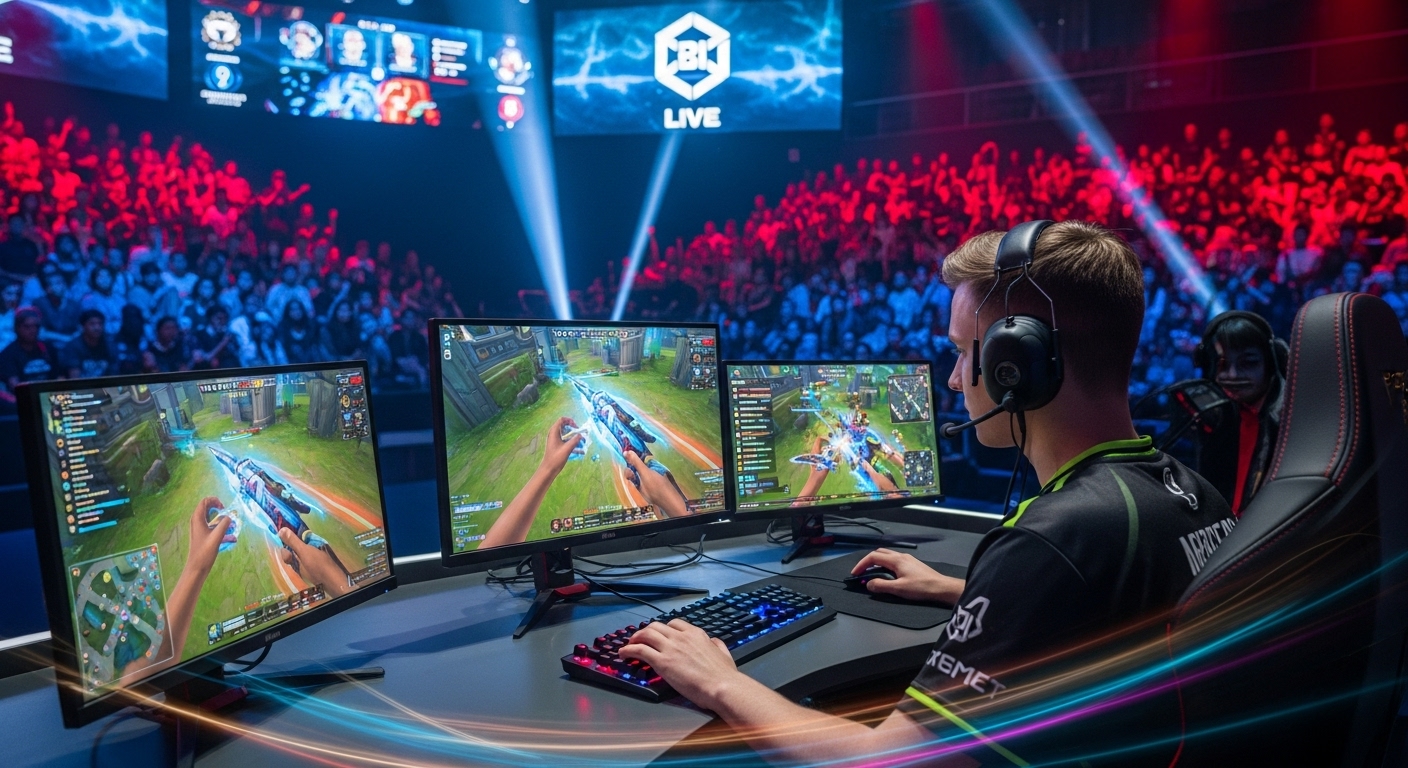
Esports, or competitive video gaming, has transformed from a niche hobby into a global phenomenon over the past two decades. Once considered an activity for casual gamers, esports is now recognized as a legitimate form of entertainment and competition, drawing millions of viewers and participants worldwide. With its exponential growth, it has become a multifaceted industry encompassing professional players, teams, tournaments, streaming platforms, sponsorships, and even college scholarships. The rise of esports reflects the digital era’s profound impact on traditional entertainment, bridging the gap between technology, competition, and culture.
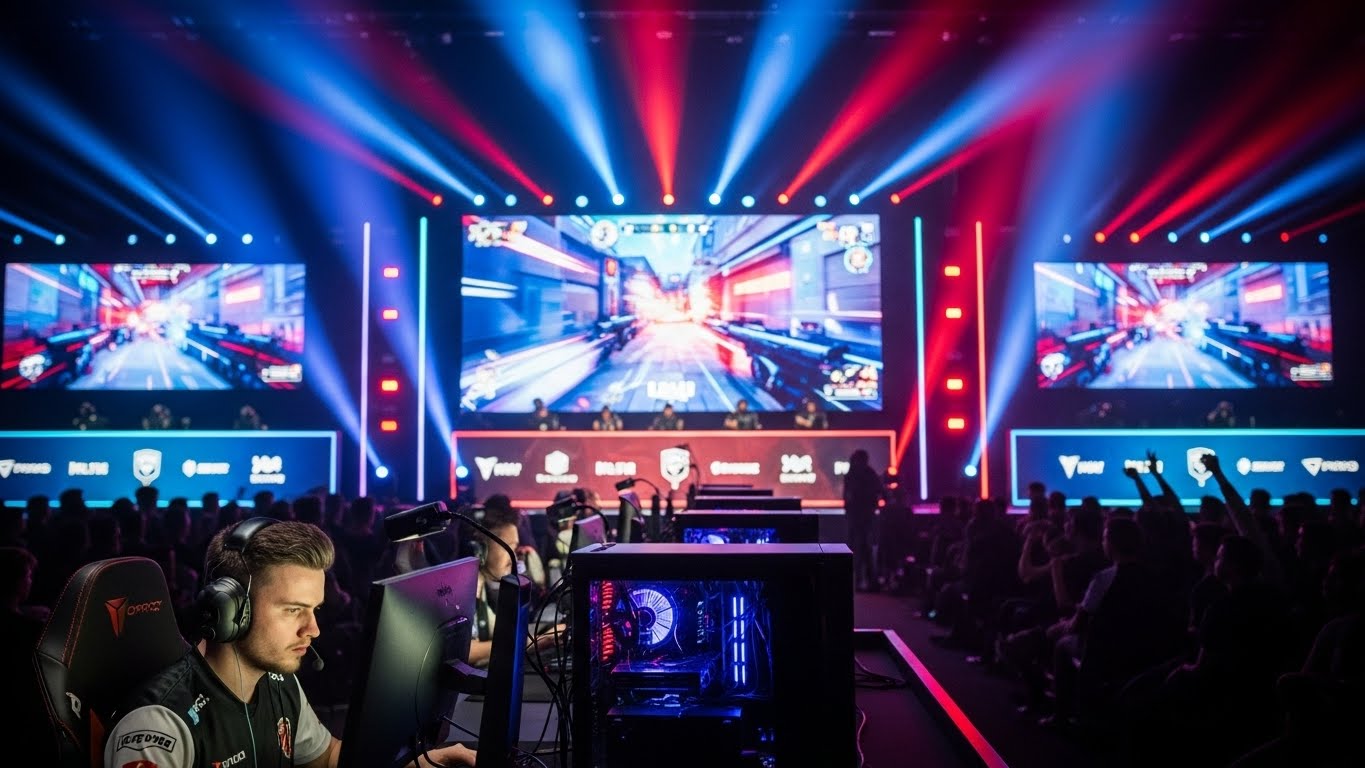
The evolution of esports is not just a story of technological advancements; it is a tale of communities, passion, and innovation. Gamers who once played in local arcades or small LAN (Local Area Network) tournaments now compete on massive stages with live audiences and international broadcasts. The industry’s growth is further accelerated by streaming platforms, which allow millions to watch and engage with esports content in real-time. This connectivity has reshaped the perception of gaming from a solitary pastime to a dynamic, interactive sport.
Historical Background: From Arcades to Global Arenas
Esports traces its roots back to the late 1970s and 1980s, when video game competitions began gaining attention. Early arcade games like Space Invaders and Pac-Man hosted local competitions, and the concept of organized gaming gradually gained traction. One notable milestone was the 1980 Space Invaders Championship in the United States, which attracted thousands of participants and media coverage. This event laid the foundation for competitive gaming as a social and entertainment activity.
The 1990s marked a significant evolution with the advent of online multiplayer games. Titles like Quake and StarCraft became central to esports’ growth, enabling competitive play across regions. South Korea, in particular, emerged as a hub for esports during this period, with professional leagues, televised matches, and internet cafes fostering a competitive gaming culture. By the early 2000s, esports had evolved from local tournaments to structured leagues, with players dedicating themselves to rigorous practice schedules and career development.
Popular Esports Genres and Games
Esports encompasses a wide range of genres, each appealing to different audiences and skill sets. These genres include real-time strategy (RTS), first-person shooters (FPS), multiplayer online battle arenas (MOBA), fighting games, and sports simulations.
- Real-Time Strategy (RTS): Games like StarCraft and Warcraft III require players to manage resources, build units, and strategize in real-time. RTS games demand high-level thinking, quick decision-making, and precise execution, making them a favorite for players who enjoy tactical depth.
- First-Person Shooters (FPS): Titles like Counter-Strike: Global Offensive, Call of Duty, and Valorant focus on fast-paced combat and team coordination. FPS games emphasize accuracy, reflexes, and strategic positioning, attracting both casual players and professional competitors.
- Multiplayer Online Battle Arena (MOBA): Games such as League of Legends and Dota 2 are team-based and require strategic collaboration to achieve objectives. MOBAs have become some of the most popular esports globally, thanks to their complexity, competitive balance, and massive fan engagement.
- Fighting Games: Classics like Street Fighter, Tekken, and Super Smash Bros. have long-standing competitive scenes. Fighting games highlight individual skill, precision, and timing, often culminating in intense one-on-one battles.
- Sports Simulations: Titles like FIFA, NBA 2K, and Madden NFL replicate real-world sports in a digital environment. These games attract both traditional sports fans and gamers, offering a crossover appeal that enriches the esports ecosystem.
The Esports Industry: Teams, Leagues, and Sponsorships
The esports industry has expanded into a complex ecosystem involving professional teams, leagues, sponsors, and event organizers. Teams operate similarly to traditional sports franchises, signing players, providing coaching, and managing competitive strategies. Prominent teams such as Team Liquid, Fnatic, and T1 have built strong brands with global fanbases.
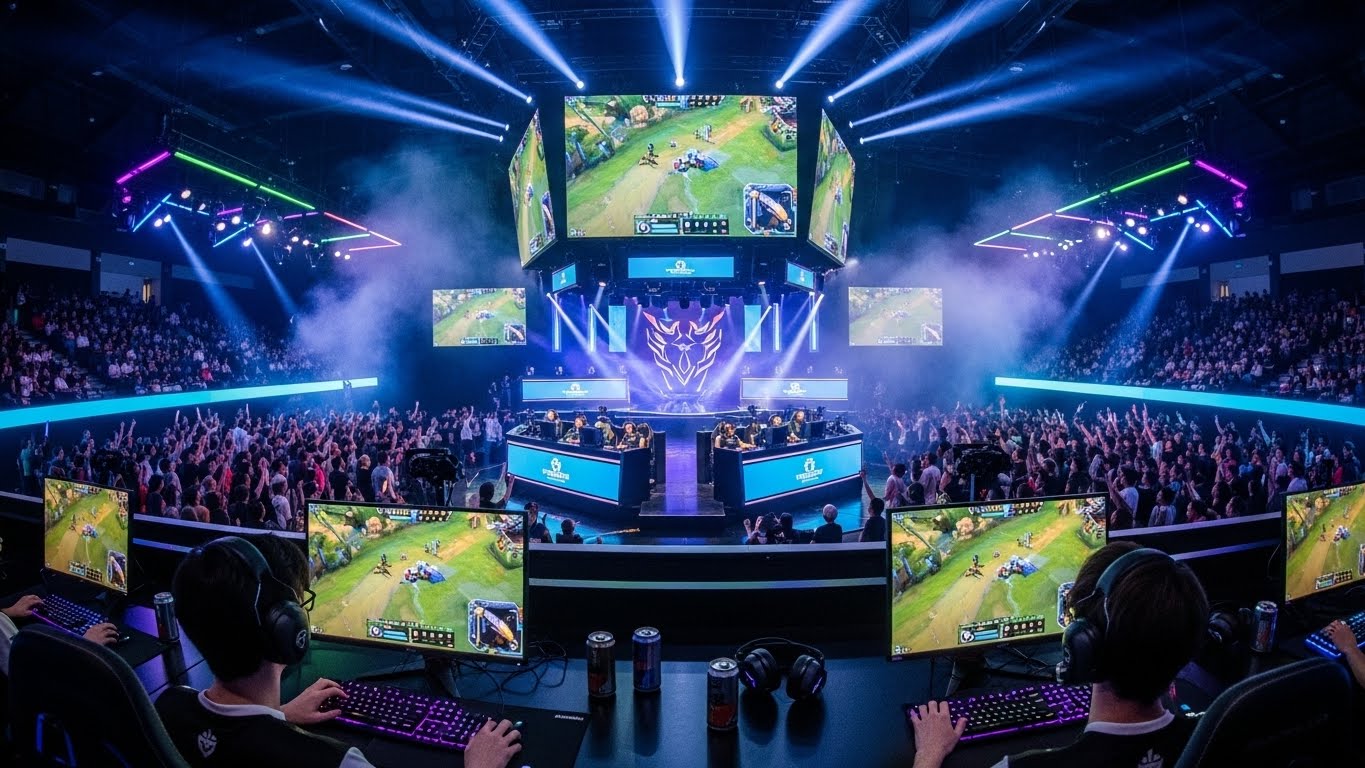
Leagues and tournaments form the backbone of competitive esports. High-profile events like The International for Dota 2, League of Legends World Championship, and CS:GO Major Championships draw massive audiences, often surpassing traditional sports broadcasts in viewership. Prize pools for major tournaments have reached unprecedented levels, with millions of dollars awarded to winning teams, highlighting esports as a lucrative career path for skilled players.
Sponsorships and partnerships play a crucial role in the financial sustainability of esports. Technology companies, beverage brands, and even financial institutions invest heavily in esports, leveraging its influence over younger audiences. Streaming platforms such as Twitch, YouTube Gaming, and Facebook Gaming facilitate audience engagement, brand visibility, and monetization opportunities for both players and organizations.
The Role of Streaming and Content Creation
Streaming has revolutionized esports, making competitive gaming accessible to millions of viewers worldwide. Platforms like Twitch allow gamers to broadcast their gameplay in real-time, interact with fans, and build personal brands. Successful streamers often cultivate large communities, creating a new form of celebrity within the gaming world. Content creation extends beyond live streams, encompassing tutorials, highlight reels, and esports commentary, further solidifying esports’ cultural significance.
Streaming also enhances audience engagement by allowing fans to participate in live chats, polls, and discussions. This interactivity fosters a sense of community, turning spectators into active participants. The rise of streaming has blurred the line between traditional media consumption and interactive entertainment, positioning esports as a dominant force in the digital content landscape.
Esports as a Career Path
For many, esports represents a viable career path, offering opportunities beyond professional play. Players can pursue competitive careers, while others focus on coaching, analysis, content creation, or event management. Professional players often dedicate years of training to hone their skills, following rigorous schedules similar to traditional athletes. The competitive nature of esports also encourages discipline, teamwork, and mental resilience.
Educational institutions have recognized esports’ potential, with universities offering scholarships, degree programs, and dedicated esports facilities. These initiatives provide aspiring players with the necessary resources, mentorship, and academic support to succeed in the competitive scene. As esports continues to grow, career opportunities within the industry are expanding to include marketing, production, software development, and media management.
The Social and Cultural Impact of Esports
Esports has had a profound impact on social and cultural dynamics. It has created a global community that transcends geographical boundaries, allowing individuals to connect through shared interests. The inclusivity of esports enables diverse participation, bringing together players of different ages, genders, and backgrounds. Online communities, fan forums, and social media platforms amplify this connectivity, fostering collaboration, friendship, and cultural exchange.
Moreover, esports challenges traditional notions of sports and entertainment. It demonstrates that competition is not limited to physical activity but can thrive in digital spaces. Esports also influences popular culture, with references appearing in films, music, and fashion. The rise of esports celebrities has introduced a new kind of role model, inspiring younger generations to pursue their passions in gaming, technology, and digital creativity.
Health, Training, and Player Well-Being
Despite its digital nature, esports demands physical, mental, and emotional well-being. Professional players often engage in physical exercises to maintain endurance and reflexes. Mental training, including focus, stress management, and strategic thinking, is equally critical. Organizations have started incorporating wellness programs, mental health support, and nutrition plans to ensure players’ holistic development.
Player burnout is a significant concern in esports due to long hours of practice, constant competition, and online scrutiny. Preventative measures, including structured practice schedules, regular breaks, and professional counseling, are essential for maintaining sustainable careers. As the industry matures, addressing health and well-being has become a priority for teams, event organizers, and governing bodies.
The Future of Esports
The future of esports promises continued growth, innovation, and mainstream recognition. Advancements in technology, including virtual reality, augmented reality, and cloud gaming, are likely to transform gameplay, spectator experiences, and accessibility. Esports may also expand into new genres, hybrid competitions, and cross-industry collaborations with traditional sports, entertainment, and education.
Esports’ integration into mainstream culture is expected to deepen, with potential inclusion in global events like the Olympics or multi-sport competitions. Increased investment, professionalization, and regulatory frameworks will shape a more structured and sustainable industry. Ultimately, esports represents a dynamic and evolving frontier where competition, creativity, and digital innovation converge.
Conclusion: Esports as a Global Phenomenon
Esports has evolved from humble beginnings in arcades and local tournaments into a global cultural and economic powerhouse. Its influence extends beyond gaming, shaping entertainment, social interaction, and professional opportunities. With millions of fans, high-stakes competitions, and rapidly advancing technology, esports continues to redefine the concept of sports and digital engagement.
The industry’s growth is a testament to human creativity, adaptability, and passion. Esports exemplifies how technology can unite individuals, foster communities, and create new avenues for competition and expression. As it continues to expand, esports will remain a defining feature of the 21st-century digital landscape, inspiring the next generation of players, innovators, and enthusiasts worldwide.