Introduction: More Than Just Playing Games
Esports, short for electronic sports, has evolved far beyond the idea of casual gaming. What once started as friends competing on arcade machines or home consoles has transformed into a global industry worth billions. Today, esports represents professional competition, massive fan communities, global tournaments, celebrity players, and a cultural movement that blends technology, entertainment, and sport. For millions of fans around the world, esports is not just a hobby but a passion, a career path, and a defining part of modern digital culture.
The Early Roots of Competitive Gaming
The foundations of esports can be traced back to the late twentieth century, when competitive gaming first appeared in arcades and university campuses. Early tournaments were small, often organized by gaming enthusiasts rather than corporations. Titles such as early fighting games and strategy games encouraged competition through scoreboards and head-to-head matches. These events lacked the scale and recognition of modern esports, but they planted the seed for organized digital competition. The desire to prove skill, mastery, and strategic thinking was already present, long before streaming platforms and professional leagues existed.
The Internet Revolution and Esports Expansion
The rise of the internet played a crucial role in the growth of esports. Online connectivity allowed players from different regions to compete without physical limitations. Multiplayer games flourished, and communities formed around popular titles. Competitive ladders, ranked matchmaking, and online tournaments made it easier for talented players to gain recognition. This period marked a shift from local competition to global engagement, turning gaming into a shared international experience. The internet also enabled fans to watch matches live, setting the stage for esports as a spectator sport.
Esports as a Professional Career
One of the most significant changes in esports has been its acceptance as a legitimate profession. Professional players now train for hours each day, focusing on mechanics, strategy, teamwork, and mental resilience. Many teams employ coaches, analysts, psychologists, and fitness trainers to support player performance. Salaries, prize pools, sponsorships, and endorsements allow top players to earn substantial incomes. Beyond players, esports has created careers in broadcasting, event management, marketing, game development, and content creation, proving that the industry offers opportunities far beyond competition alone.
Major Esports Titles and Competitive Diversity
Esports is not defined by a single game or genre. It includes a wide range of titles, each with its own competitive structure and fan base. Strategy games reward planning and decision-making, shooters emphasize precision and reflexes, and sports simulations mirror traditional athletics in digital form. This diversity attracts different audiences and skill sets, making esports inclusive and dynamic. Each title brings its own culture, terminology, and competitive history, contributing to the richness of the esports ecosystem.
The Role of Streaming and Digital Media
Streaming platforms have been instrumental in esports growth. They allow fans to watch matches live, follow their favorite players, and engage in real-time discussions. Viewers are not just passive spectators; they interact through chats, social media, and fan communities. This level of engagement creates a sense of belonging and loyalty that traditional sports often struggle to match. Content creators and streamers also play a key role by educating audiences, entertaining fans, and introducing new players to competitive gaming.
Esports Events and Global Spectacle
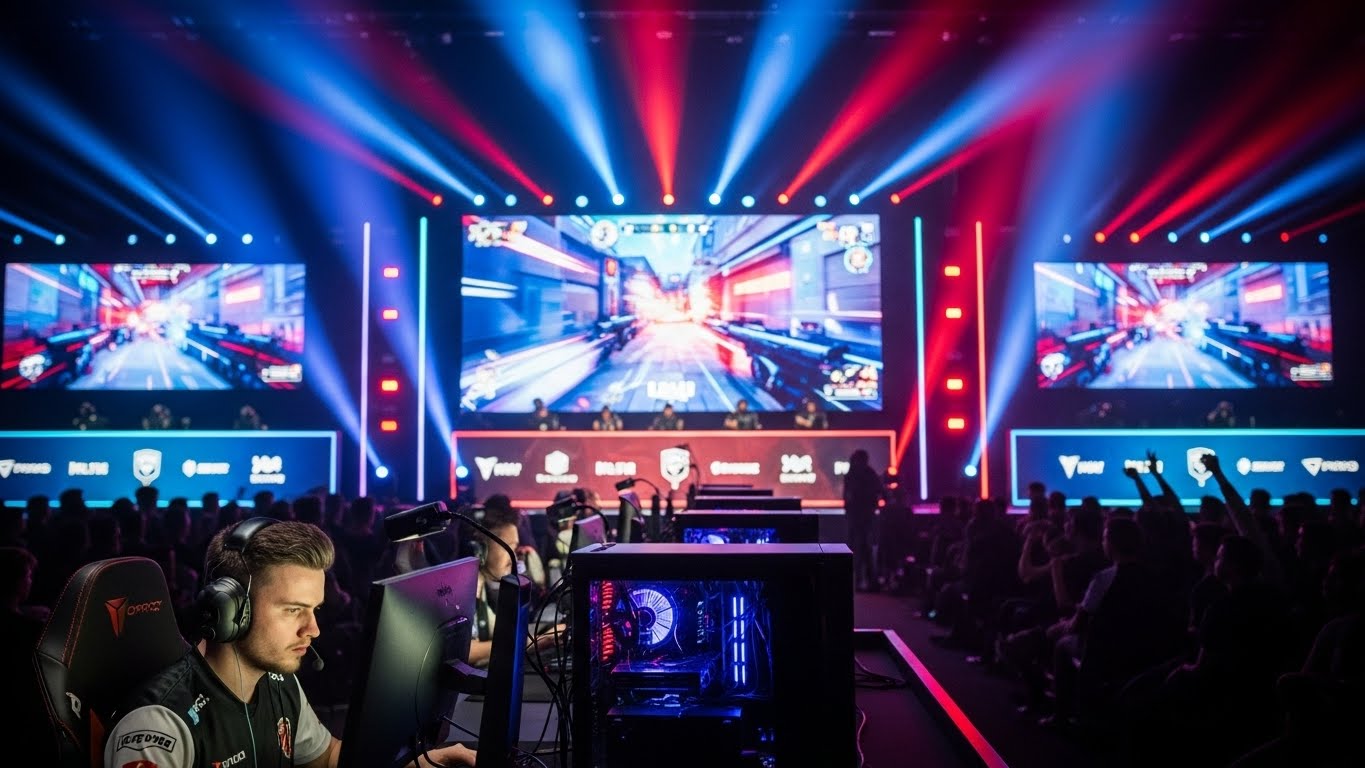
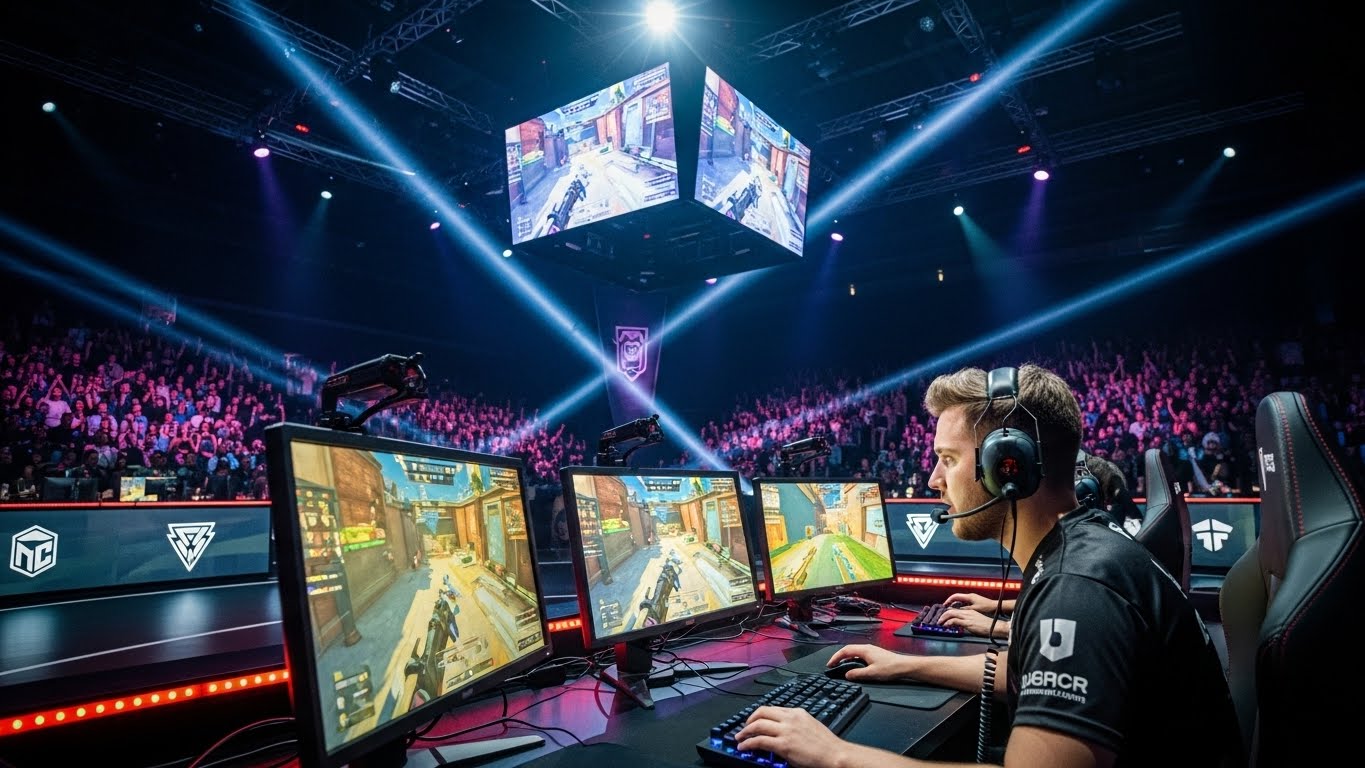
Modern esports events rival traditional sports in scale and production quality. Large arenas filled with fans, dramatic lighting, professional commentary, and live music performances are now common. These events are carefully designed to create unforgettable experiences for both live audiences and online viewers. International tournaments bring together teams from different cultures, showcasing esports as a truly global phenomenon. The excitement, rivalries, and emotional moments witnessed during these events highlight the competitive intensity and entertainment value of esports.
Community and Fan Culture in Esports
At the heart of esports lies its community. Fans support teams, celebrate victories, analyze matches, and debate strategies with passion. Online forums, social platforms, and fan gatherings create spaces where people connect over shared interests. This community-driven nature makes esports feel accessible and personal. Fans often feel closer to players than in traditional sports, as they can interact directly through streams and social media. This strong bond between players and audiences strengthens the emotional impact of esports.
Technology and Innovation Driving Growth
Esports thrives on technological advancement. Improvements in hardware, software, and internet infrastructure have enhanced gameplay quality and viewing experiences. Virtual reality, augmented reality, and advanced analytics are beginning to influence how games are played and broadcast. Data-driven insights help teams refine strategies, while innovative production techniques make broadcasts more immersive. As technology continues to evolve, esports is likely to remain at the forefront of digital innovation.
Education and Esports Integration
Educational institutions are increasingly recognizing esports as a valuable tool for learning and engagement. Schools and universities have introduced esports programs, clubs, and scholarships. These initiatives promote teamwork, critical thinking, leadership, and digital literacy. Esports also encourages students who may not be interested in traditional sports to participate in competitive activities. By bridging gaming and education, esports is reshaping how institutions approach extracurricular development.
Challenges Facing the Esports Industry
Despite its success, esports faces several challenges. Issues such as player burnout, lack of standardized regulations, and concerns about inclusivity remain important topics of discussion. The rapid pace of competition can take a toll on mental and physical health, especially for young players. Additionally, maintaining fair play and integrity is essential as prize pools and sponsorships grow. Addressing these challenges is crucial for ensuring the long-term sustainability of esports.
The Future of Esports
The future of esports appears promising and expansive. As technology improves and audiences grow, esports is likely to integrate even further into mainstream culture. Collaborations with traditional sports, entertainment industries, and educational systems will continue to blur boundaries. New games, formats, and innovations will keep the industry fresh and exciting. Esports is no longer a niche interest; it is shaping the future of competition and entertainment in the digital age.
Conclusion: A Digital Arena Redefining Competition
Esports represents a powerful shift in how society views games, competition, and community. From humble beginnings to global stages, it has proven that digital competition can inspire passion, dedication, and unity on a massive scale. Esports is more than pixels on a screen; it is a reflection of modern culture, driven by technology and human ambition. As it continues to grow, esports will remain a defining force in the evolving landscape of global entertainment.