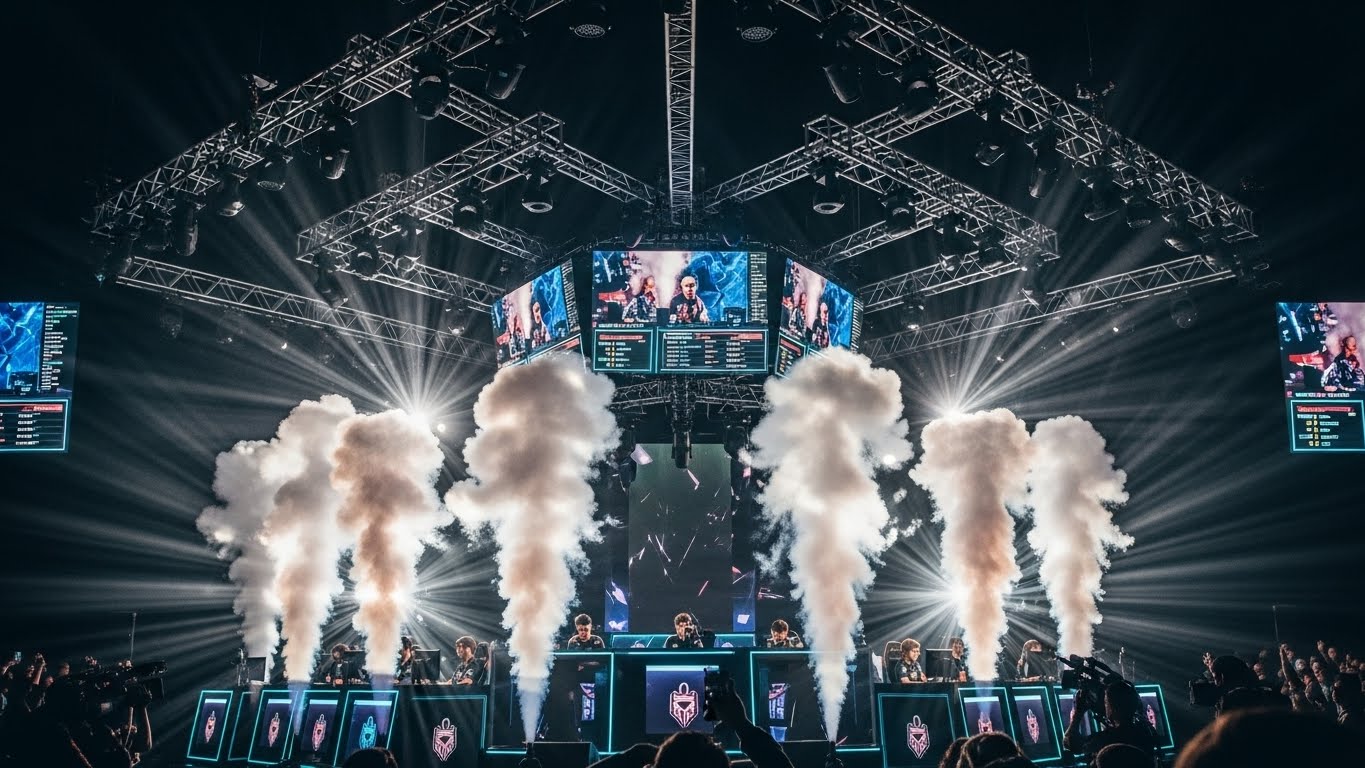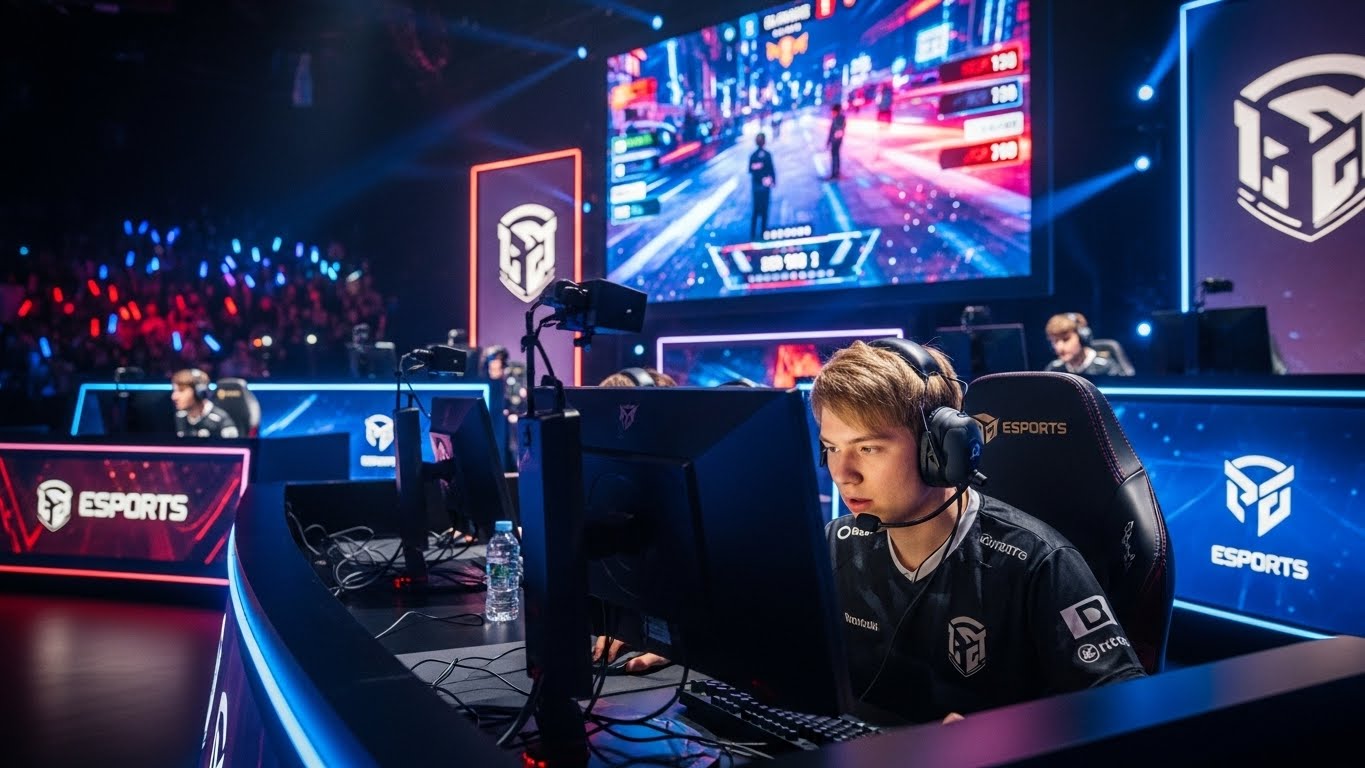
The landscape of entertainment and sports has witnessed a monumental shift with the rise of eSports, or competitive video gaming. Once considered a niche hobby for enthusiasts, eSports has transformed into a professional, highly organized industry that captivates millions of players and viewers worldwide. With multi-million-dollar tournaments, dedicated professional teams, streaming platforms, and passionate fan communities, eSports is redefining the concept of sports, competition, and digital entertainment. This article explores the evolution of eSports, its technological backbone, societal impact, career opportunities, and the future of competitive gaming.
Understanding eSports: Competitive Gaming Redefined
eSports, short for electronic sports, is the domain of organized competitive video gaming. Unlike casual gaming, eSports is structured around tournaments, leagues, and professional gameplay. It encompasses various genres, including multiplayer online battle arenas (MOBAs) like League of Legends and Dota 2, first-person shooters (FPS) like Counter-Strike and Call of Duty, real-time strategy games such as StarCraft, and sports simulations like FIFA.
Competitive gaming demands more than just skill. Players need strategic thinking, split-second reflexes, teamwork, and mental endurance. They study opponents’ strategies, refine techniques, and constantly practice to maintain peak performance. Professional eSports is therefore a discipline, where precision, consistency, and adaptability are essential to succeed.
The Origins of eSports: From Local Tournaments to Global Stages
The roots of eSports trace back to the early days of arcade competitions in the 1970s and 1980s. Players would compete in local arcades, vying for high scores and recognition among peers. The concept of organized competitive gaming grew with the rise of home consoles and personal computers, allowing players to connect and compete in a digital space.
The true explosion of eSports began with the proliferation of high-speed internet and online multiplayer games in the early 2000s. Online platforms enabled players from across the world to compete, watch, and engage with live gameplay. Today, major eSports tournaments are held in packed arenas, streamed to millions of viewers worldwide, and celebrated as major sporting events. The transition from small-scale competitions to global stages demonstrates the universal appeal and growth potential of competitive gaming.
The Role of Streaming Platforms in eSports Growth
One of the key drivers of eSports’ rise is live streaming platforms. Platforms like Twitch, YouTube Gaming, and other streaming services allow players to broadcast their gameplay in real time to a global audience. Fans can watch competitive matches, interact with players through live chat, and follow their favorite professional gamers.
Streaming has also transformed eSports into a spectator sport, creating a new type of fan engagement. Viewers not only watch competitions but also learn strategies, participate in online discussions, and support players financially through subscriptions, donations, and sponsorships. This interactive model bridges the gap between players and audiences, expanding the reach and influence of eSports.
eSports as a Lucrative Industry
The economic growth of eSports is nothing short of remarkable. Professional tournaments offer prize pools that can reach millions of dollars, attracting top-tier talent from around the world. Sponsorship deals with technology brands, apparel companies, and beverage corporations generate significant revenue for teams, tournaments, and players.
In addition to tournament winnings, eSports generates income through advertising, merchandising, media rights, and streaming partnerships. Organizations invest heavily in infrastructure, marketing, and player development, reflecting the professionalism and global scale of the industry. This economic ecosystem ensures that eSports is sustainable, profitable, and continually expanding.
Professional Training and Preparation
Professional eSports players approach gaming with the same discipline as traditional athletes. Rigorous training schedules often involve six to ten hours of daily practice, strategy discussions with coaches, and mental conditioning. Teams analyze gameplay footage to identify strengths, weaknesses, and opponent tendencies, constantly refining tactics.
Physical fitness and mental health are crucial, as competitive gaming requires sustained focus, reflex speed, and cognitive stamina. Many professional players incorporate exercise, nutrition, and stress management into their routines, underscoring the seriousness and commitment required to excel in eSports.
Technology and Innovation in eSports
Technology is the backbone of modern eSports. High-performance gaming hardware, low-latency internet connections, and advanced software platforms are critical for competitive play. Artificial intelligence and analytics are increasingly used to track player performance, optimize strategies, and enhance spectator experiences.
Emerging technologies like virtual reality and augmented reality are beginning to influence eSports, creating immersive gameplay and interactive fan experiences. Cloud gaming allows players to compete without high-end hardware, widening accessibility and fostering global participation. Technology ensures that eSports remains dynamic, innovative, and capable of reaching new audiences.
The Social Impact of eSports
eSports has a profound social impact, fostering communities, collaboration, and competition. Online platforms, forums, and fan communities create spaces for players to connect, share strategies, and build friendships. The industry promotes teamwork, communication, and problem-solving skills, both on and off the virtual battlefield.
Major tournaments bring people together, whether through in-person events or online viewing experiences. eSports also contributes to cultural exchange, as players and fans from different countries interact, share perspectives, and celebrate gaming achievements together.
Career Opportunities in eSports
The growth of eSports has created a wide range of professional opportunities beyond competitive play. Players can pursue careers as professional gamers, coaches, team managers, analysts, content creators, and commentators. Event organizers, marketing professionals, and software developers are also in demand, reflecting the complexity of the industry.
Educational institutions have recognized eSports as a legitimate field of study, offering courses, certifications, and scholarships. This growing infrastructure ensures that aspiring professionals have a pathway to enter the industry and succeed in various roles, both competitive and administrative.
Challenges Facing eSports
Despite its success, eSports faces several challenges. Player burnout and mental health issues are common due to high-pressure environments and intense practice schedules. Online toxicity, cheating, and hacking remain ongoing concerns that affect gameplay and community dynamics.
Regulatory challenges also exist, as the industry requires standardized rules, fair play enforcement, and player protection measures. Additionally, balancing commercial interests with player and fan satisfaction is crucial to maintaining the integrity and sustainability of eSports. Addressing these challenges is essential for the long-term health and credibility of the industry.
The Future of eSports
The future of eSports is both exciting and expansive. Technological advancements such as artificial intelligence, virtual reality, and augmented reality will continue to redefine gameplay and spectator experiences. Interactive and immersive experiences will make audiences feel more engaged than ever before.
The integration of eSports with traditional sports, education, and entertainment will further elevate its status. Mainstream recognition, increased sponsorship, and cross-industry collaborations will continue to expand its reach. eSports is poised to become a permanent fixture in the global entertainment landscape, shaping culture, technology, and social interaction for generations to come.
Conclusion
eSports represents the convergence of technology, competition, and entertainment in the digital age. From humble beginnings as small arcade competitions to today’s professional tournaments broadcast globally, eSports has evolved into a highly organized, lucrative, and influential industry.
With the rise of streaming platforms, technological innovation, professional training, and global communities, eSports has established itself as a legitimate sport and form of entertainment. It offers career opportunities, fosters personal growth, and provides shared experiences for millions of fans worldwide.
As the industry continues to innovate and expand, eSports will play an increasingly central role in the future of entertainment and digital culture. Its ability to combine competition, technology, and community ensures that eSports is not just a passing trend but a transformative force shaping the way people play, watch, and engage with games around the world.