Introduction: A New Era of Competition
Esports has evolved from a niche pastime enjoyed by small groups of passionate gamers into a global entertainment powerhouse. What was once seen as simply “playing video games” has transformed into a fully fledged industry with professional athletes, massive tournaments, devoted fan communities, and million dollar prize pools. Today, esports commands the attention of millions of viewers across continents, and its growth shows no sign of slowing. This blog explores how esports rose to prominence, what drives its explosive popularity, and why it represents the future of sports and entertainment.
The Rise of Esports: From Living Rooms to Global Arenas
Esports began quietly in the late twentieth century when competitive gaming was limited to local competitions, arcade battles, and friendly challenges among friends. Over time, technological advancement, widespread internet access, and the development of more complex games opened the door to a new level of competition. By the early 2000s, organized tournaments began to emerge, featuring games like StarCraft, Counter Strike, and Warcraft. What truly propelled esports into mainstream attention, however, was the introduction of streaming platforms and social media. Players could now broadcast matches to global audiences, creating a direct connection between professionals and fans. As viewer numbers increased, sponsors, brands, and media organizations quickly realized that esports offered a valuable new frontier.
Understanding What Makes Esports Unique
Traditional sports revolve around physical skill, physical endurance, and strategic thinking. Esports, in contrast, blend mental agility, rapid reflexes, teamwork, and deep knowledge of game mechanics. These competitive games are engineered to test precision, timing, decision making, and adaptability. Many esports titles require players to process enormous amounts of information within seconds. This combination of technical mastery and mental acuity draws fans who appreciate complex gameplay and strategic depth. Esports are also unique in their accessibility. Anyone with a computer, console, or mobile device can try their hand at competitive play, making the path to becoming a professional more open than in most traditional sports.
Popular Esports Titles and Their Influence
Several games have shaped the esports landscape and helped establish its global presence. Multiplayer online battle arenas such as League of Legends and Dota 2 attract tens of millions of players and even larger numbers of viewers during international tournaments. First person shooters like Counter Strike Global Offensive and Valorant have developed enormous followings due to their high skill ceilings and intense match formats. Battle royale games such as Fortnite have introduced younger audiences to competitive gaming with their fast paced, creative, and dynamic style. Sports simulation games like FIFA and NBA 2K bring traditional sports fans into the digital space. Each of these titles has carved out a dedicated community, contributing to the diverse ecosystem that defines modern esports.
The Professional Player: Dedication Behind the Screens
Contrary to the stereotype of casual gaming, professional esports athletes follow strict training regimens. They dedicate countless hours to practicing mechanics, analyzing opponents, improving communication, and developing strategies. Many teams hire coaches, analysts, nutritionists, and mental health specialists to keep players performing at their best. The intense level of competition means that even the smallest mistake can cost a team its match. Professional gamers must maintain fast reaction times, sharp focus, and the ability to remain calm under pressure. The lifestyle is demanding, but the rewards can be extraordinary. Elite players earn salaries, sponsorships, endorsements, and tournament winnings that rival those of athletes in traditional sports.
Esports Arenas and the Live Event Experience
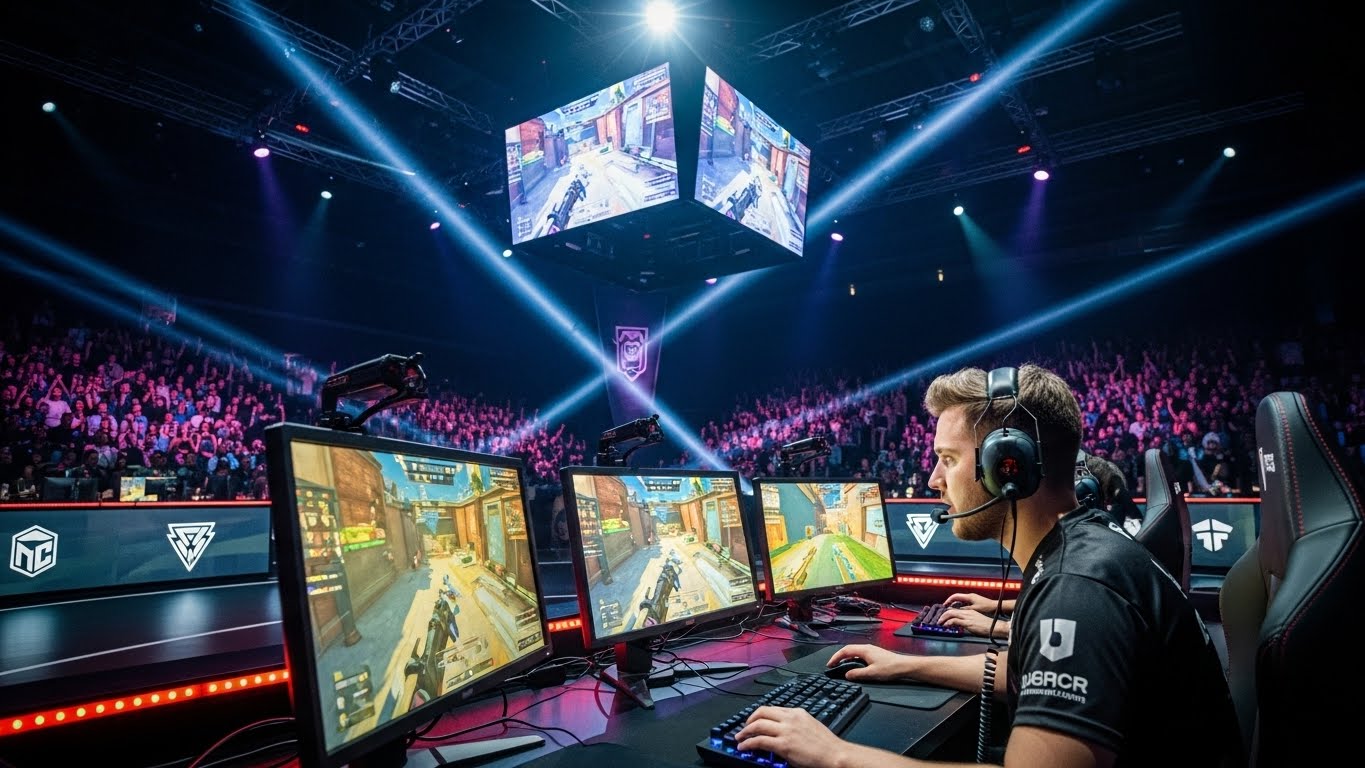
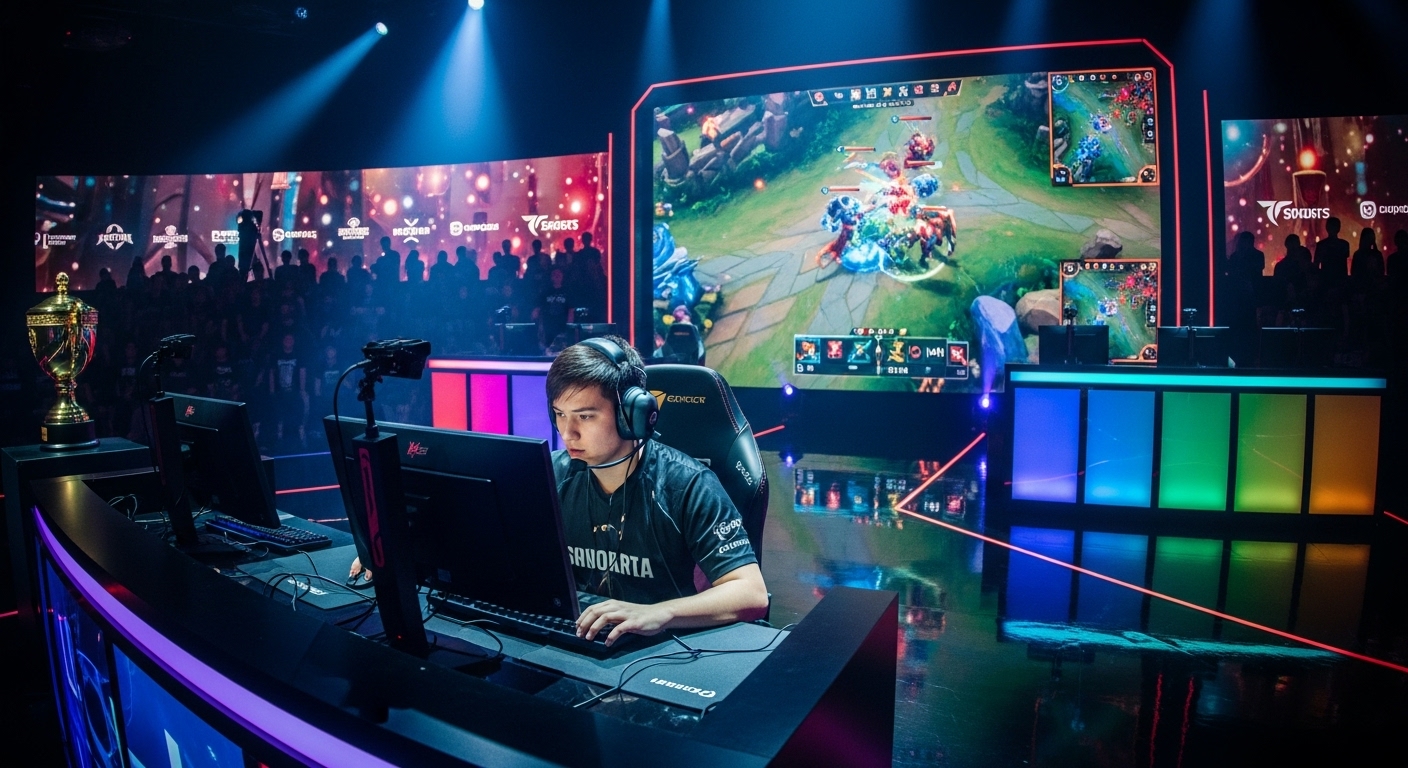
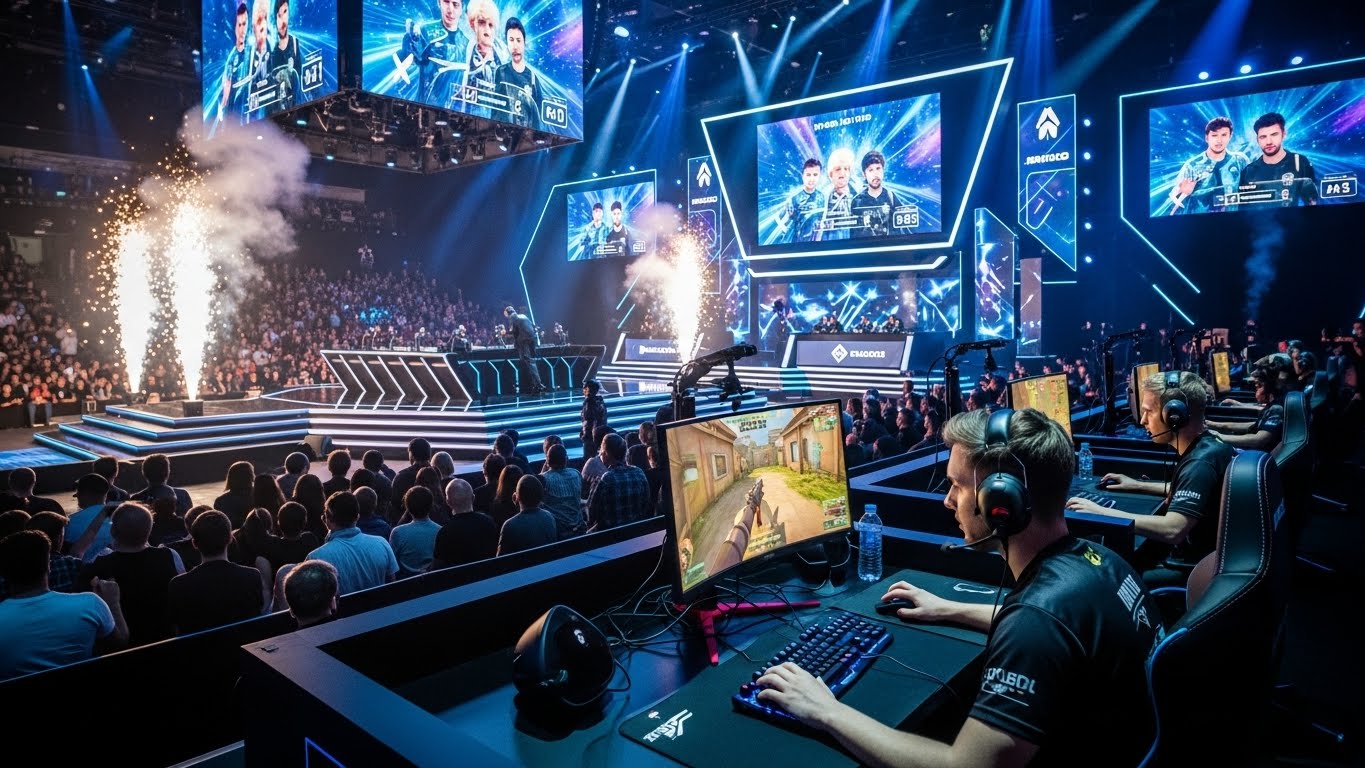
One of the most significant developments in esports is the growth of live tournaments held in massive stadiums, convention centers, and arenas around the world. These events bring fans together to watch their favorite players compete on towering screens accompanied by dazzling lights, pyrotechnics, and immersive sound effects. The energy inside an esports arena rivals that of any major traditional sporting event. Fans cheer for spectacular plays and clutch moments, creating an atmosphere of excitement and unity. Live tournaments also serve as meeting places for communities that may have formed online, allowing them to connect in person and celebrate their shared passion for gaming.
The Global Community Driving Esports Forward
Esports transcends borders in a way few entertainment industries can match. Its global community includes players and fans from vastly different cultures, languages, and backgrounds. Whether someone is watching a tournament from North America, Asia, Europe, or Africa, they share a common understanding of the game’s rules and competitive spirit. Social media platforms, forums, and streaming sites create spaces where players exchange strategies, discuss match highlights, and follow their favorite teams. This interconnected global fan base plays a crucial role in pushing esports to new heights. The international nature of the community also contributes to the diversity and creativity found within esports culture.
The Role of Technology in Esports Evolution
Technology is the driving force behind the rapid expansion of esports. High performance gaming hardware ensures that players can compete at the highest levels without interruption. Streaming technologies allow fans to watch matches in real time with crystal clear quality. Virtual reality and augmented reality are beginning to influence the way games are designed and experienced. Artificial intelligence helps teams analyze gameplay, identify weaknesses, and refine strategies. Improved internet infrastructure has given gamers around the world the ability to connect, compete, and collaborate seamlessly. As technology continues to advance, esports will undoubtedly evolve in ways that we can only begin to imagine.
Education and Career Opportunities in Esports
Esports is opening doors to new educational and professional paths. Many universities now offer esports programs, scholarships, and dedicated training facilities. These programs teach students about game design, broadcasting, marketing, team management, and many other skills relevant to the industry. Beyond competing professionally, individuals can find careers in coaching, event production, commentary, graphic design, journalism, or game development. The industry employs thousands of people worldwide, making it one of the most dynamic job markets for young professionals. As esports continues to grow, new opportunities are likely to emerge in areas that connect technology, creativity, and entertainment.
Challenges Facing the Esports Industry
Despite its remarkable progress, esports faces challenges that must be addressed for long term sustainability. Player burnout is a major concern due to the demanding schedules and intense pressure. Fair competition must be protected through strict regulations against cheating and match fixing. Ensuring diversity and inclusion remains an ongoing effort, as gaming communities can sometimes struggle with issues such as harassment and toxicity. Additionally, maintaining stable and supportive team environments is crucial. For esports to continue thriving, organizations, developers, and communities must work together to create healthier and more inclusive structures that support both new and experienced players.
The Future of Esports: What Lies Ahead
The future of esports is full of promise. As younger generations continue to embrace gaming and as technology advances, competitive gaming will likely become even more mainstream. We may see esports integrated into school curriculums, featured more prominently in international sporting events, and incorporated into virtual worlds with immersive environments. Cross platform integration and innovative game genres will attract more players. As the industry evolves, esports could become one of the most influential cultural forces of the digital age. Its combination of entertainment, technology, and global community positions it perfectly to shape the way future generations compete and interact.
Conclusion: The New Age of Competitive Entertainment
Esports is more than a global phenomenon; it is a cultural shift that reflects the changing ways people socialize, compete, and enjoy entertainment. What began as a grassroots movement has become a vibrant industry filled with passion, creativity, and innovation. From professional players and dedicated fans to developers and broadcasters, every part of the esports ecosystem plays a role in its growth. As technology continues to evolve and digital communities become even more connected, esports will continue to rise as a defining pillar of modern entertainment. The world has entered the era of digital competition, and the arena is open for everyone.