Esports has exploded from small, dimly lit gaming cafés into a massive global industry with millions of fans, professional players, and tournaments that rival traditional sports in spectacle. What once seemed like a niche hobby has transformed into a modern phenomenon shaping entertainment, technology, and even education. In this blog post, we will explore the fascinating rise of esports, the forces behind its growth, and the future that awaits this rapidly evolving digital arena.
The Birth of a Digital Revolution
Esports as a concept began long before it became the billion dollar industry it is today. Early competitive gaming dates back to the late twentieth century when arcades and early consoles introduced a new form of entertainment. Gamers would compete for high scores or bragging rights, but everything was informal and small scale.
The real revolution began with the rise of the internet. Multiplayer games could now connect players from across the world, and competition naturally followed. What started as friendly matches slowly grew into organized tournaments, and eventually into full fledged competitions with structured rules, rankings, and prizes. Esports was no longer just about fun it became a serious pursuit with dedicated followers and professional opportunities.
The Rise of Professional Players
Professional gamers are now celebrities in their own right. They compete in global tournaments, earn salaries, and participate in brand partnerships similar to athletes from traditional sports. Their popularity comes from a blend of extraordinary skill, engaging personalities, and the accessibility of streaming platforms.
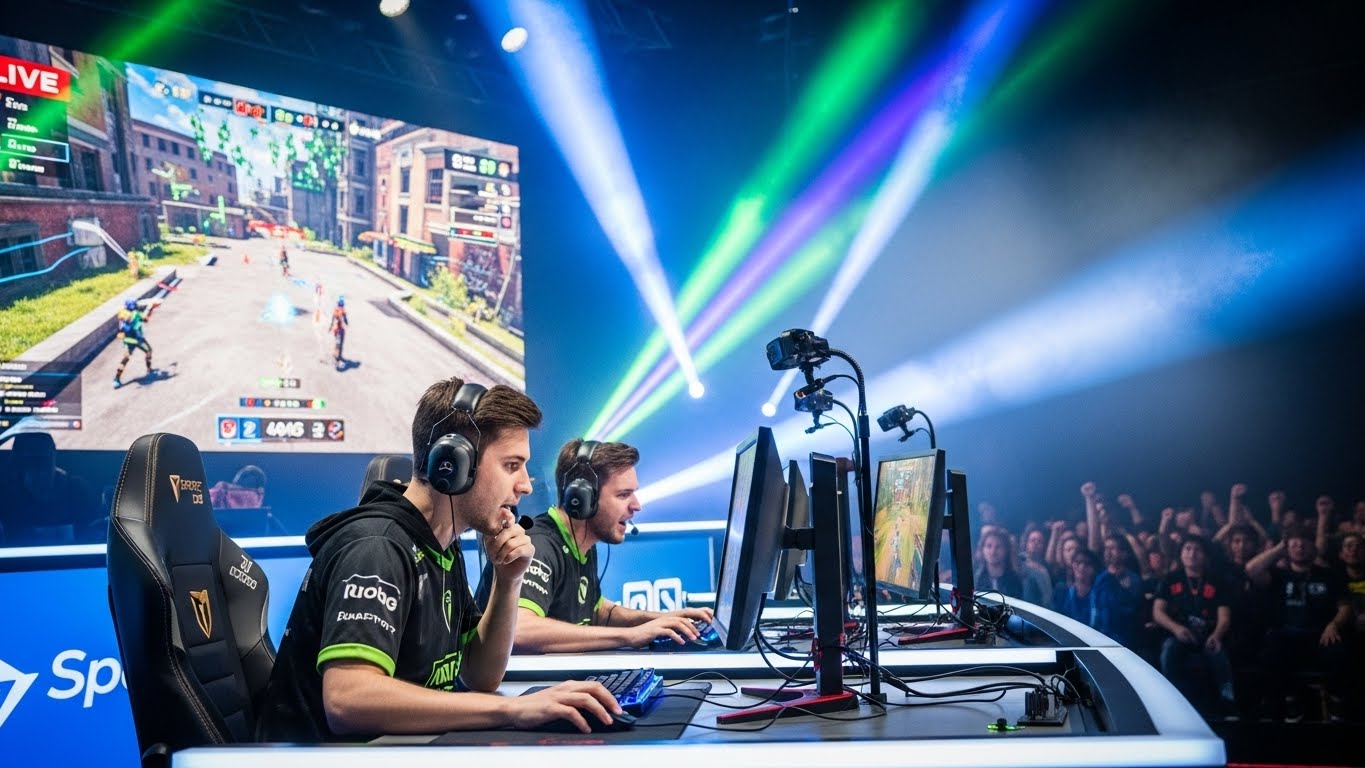
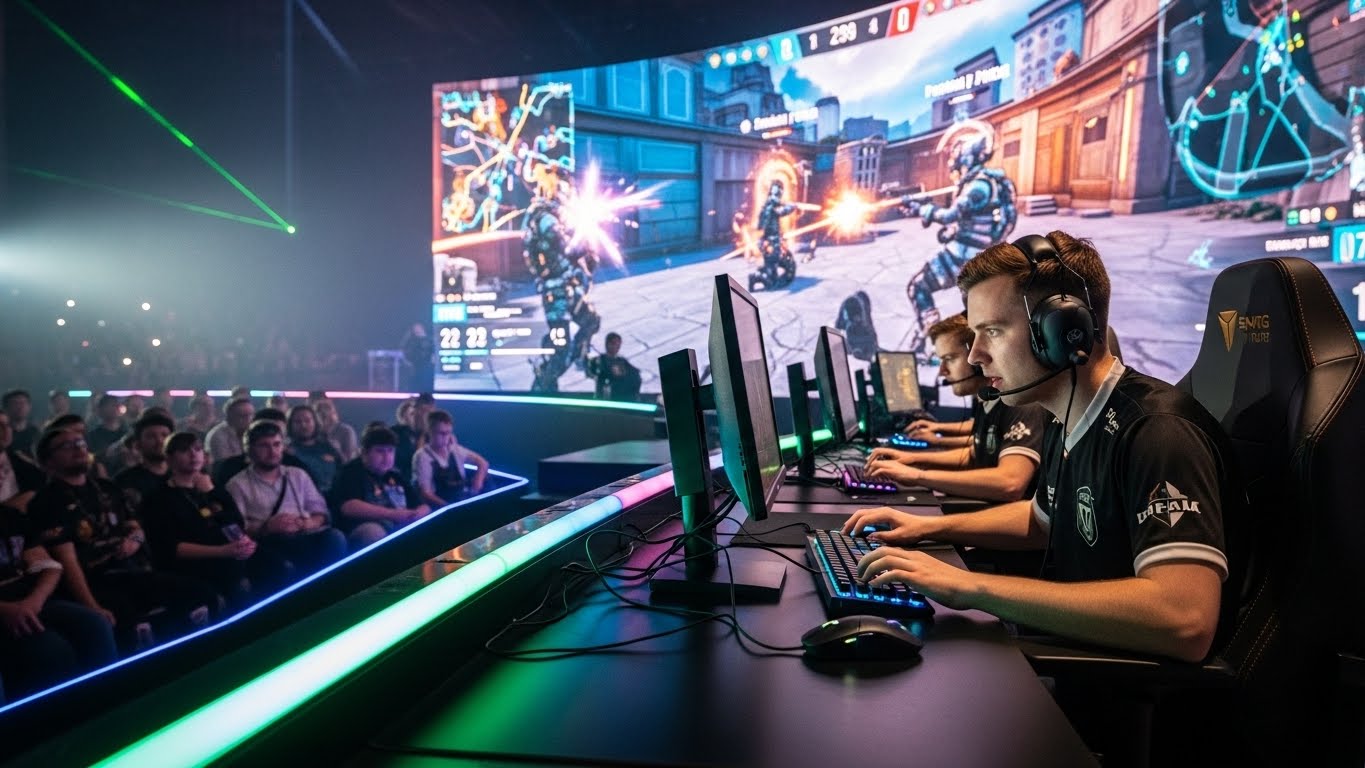
Behind the glamorous lifestyle lies a world of intense training and discipline. Professional players often practice for long hours each day, refining techniques, studying opponents, and coordinating with teammates. This level of commitment has elevated esports into a genuine competitive sport, pushing athletes to maintain peak mental performance.
With professional teams, coaches, analysts, and even sports psychologists joining the industry, esports has built a structure similar to traditional sports but tailored to its digital environment. This network supports players and ensures sustained excellence on the competitive stage.
The Technology Fueling the Esports Boom
Technological advancement is the backbone of esports. High speed internet, powerful gaming hardware, and sophisticated software have created an environment where competitive gaming can thrive. Developers now design games specifically with competitive integrity in mind, incorporating balanced gameplay, spectator modes, and replay features that enhance the experience for both players and audiences.
Streaming platforms play a monumental role as well. They allow fans to watch tournaments in real time, follow their favorite players, and learn strategies. This instant accessibility transformed esports from a private pastime into a worldwide spectacle. Fans no longer need to attend events physically because everything is available online, connecting diverse audiences and fostering global communities.
Beyond entertainment, technology also improves fairness and consistency in tournaments. Anti cheat systems, stable servers, and high refresh rate monitors contribute to creating an environment where skill truly determines the outcome.
The Business Behind the Digital Gladiators
Esports is not only about players and games. It has also become a thriving business ecosystem. Sponsors, advertisers, event organizers, game publishers, and merchandise companies all contribute to the industry’s expanding financial footprint.
Sponsorship deals, in particular, have grown significantly. Top brands recognize the influence esports holds over younger audiences and are eager to invest. This influx of funding helps tournaments grow larger, prize pools become more impressive, and teams gain the resources they need to perform at their best.
Game developers also play a central role. Popular esports titles thrive through updates, seasonal events, and expansions that keep gameplay fresh and engaging. These ongoing developments maintain player interest and attract new fans, sustaining long term success for both the game and the competitive scene.
The Global Community and Its Impact
Esports has built an inclusive and diverse community that spans continents. Players and fans from different cultures and backgrounds unite under a common passion for gaming. This global connection has created friendships, rivalries, and shared moments of excitement that transcend geographical boundaries.
Local communities also benefit. Many cities now host gaming cafés, arenas, and schools that support aspiring players. Universities even offer esports scholarships, giving students a chance to pursue gaming at an academic level. These institutional improvements indicate that esports is not a fleeting trend but a developing industry with lasting influence.
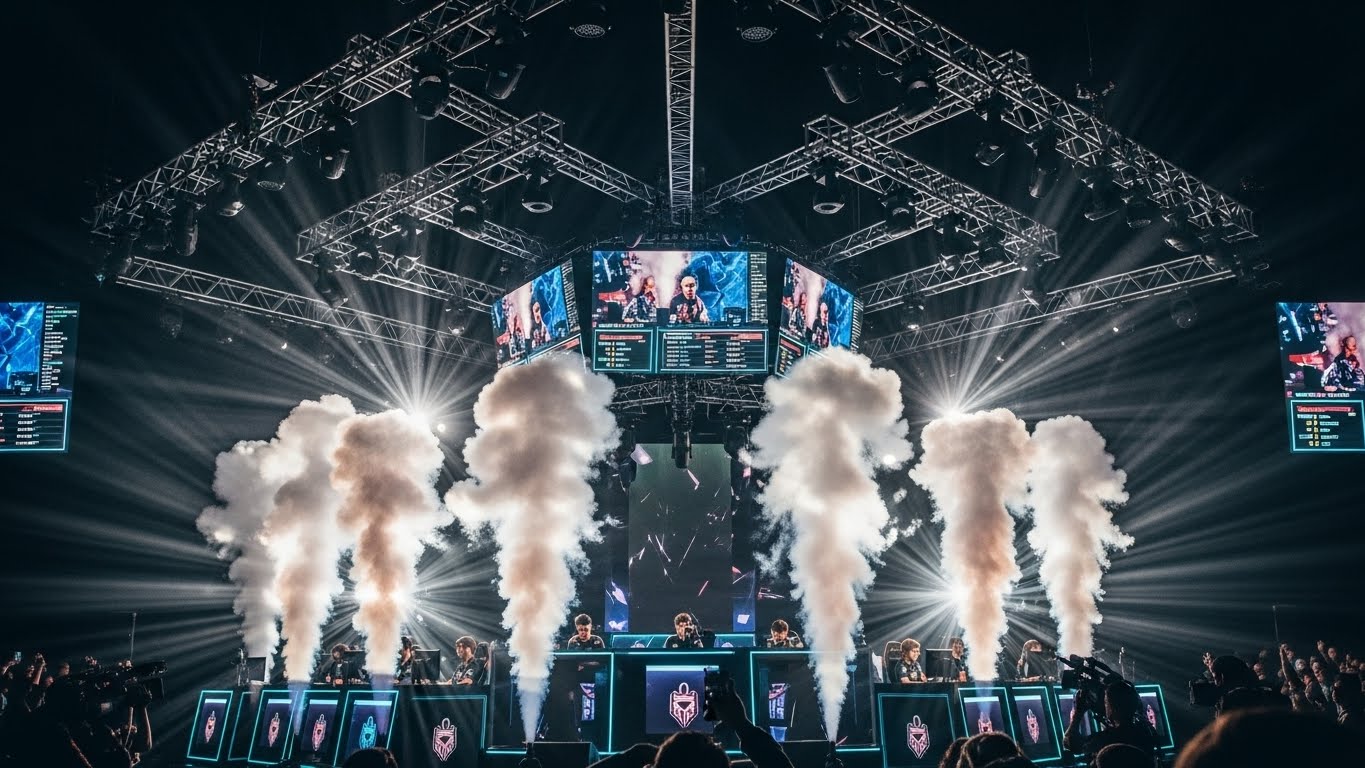
Esports events themselves bring people together in exhilarating ways. Stadiums filled with cheering fans, elaborate stage setups, and energetic commentators create an atmosphere comparable to major sports championships. These live events provide unforgettable experiences that cement esports as more than just digital entertainment.
The Evolution of Esports Games
The types of games played in esports vary widely, and each genre contributes something unique to the competitive landscape. Strategy games test mental agility and planning. First person shooters emphasize reflexes, coordination, and precision. Multiplayer battle arenas require teamwork, communication, and tactical expertise. Sports simulation games replicate real world athletic competition in digital form.
This diversity ensures that esports appeals to a broad audience. Players can find their preferred playstyle, and fans can enjoy different kinds of matches. Game developers continue to innovate, producing titles that push the boundaries of design, storytelling, and competitive potential.
As games evolve, so do the strategies and skills required to excel. This constant development keeps the industry dynamic, challenging players and entertaining audiences.
Challenges Facing the Esports Industry
Despite its impressive growth, esports faces several challenges. Maintaining competitive integrity remains an ongoing concern. Cheating, match fixing, and algorithm exploits threaten fairness and undermine trust in the competitive scene. Game developers and tournament organizers continuously work on advanced security measures to prevent unethical behavior.
Player burnout is another significant issue. The demanding nature of professional esports can lead to mental and physical fatigue. Long practice hours, performance pressure, and short career spans place stress on players. Many organizations are now focusing on player wellness, introducing structured schedules, mental health support, and rest periods.
Regulation is also a complex topic. Because esports is global, there is no unified governing body. Different countries and organizations have their own rules, making standardization a challenge. As esports becomes more mainstream, there will be increased interest in creating consistent guidelines to protect players and ensure fair competition.
Esports in Education and Career Development
In recent years, esports has found its way into education. Schools and universities have begun integrating esports programs, recognizing the valuable skills gaming can teach. Teamwork, communication, problem solving, and strategic thinking are all essential qualities that students can develop through organized gaming.
These programs also create new career opportunities. Roles such as coaches, analysts, event managers, content creators, and game designers are in high demand. Esports opens the door to a wide range of professions beyond playing, offering a pathway for students interested in technology and entertainment industries.
The growing acceptance of esports in academic institutions highlights its legitimacy and long term value. It is no longer viewed merely as a recreational activity but as a meaningful space for talent development and professional growth.
The Future of Esports
Looking ahead, the future of esports appears incredibly promising. As virtual reality and augmented reality technologies advance, new forms of competitive gaming may emerge. These technologies could revolutionize how players interact with games and how fans experience events.
Mobile gaming is also expanding, making esports more accessible to millions of people who do not own powerful gaming computers. This shift will bring even more participants into the esports ecosystem, strengthening its global presence.
In addition, increasing recognition from mainstream sports organizations and media companies will continue to elevate esports. Collaborations between traditional sports and esports may lead to hybrid events, cross promotional initiatives, and expanded audiences.
With continual innovation, growing investment, and a passionate global community, esports is set to remain a powerful force in entertainment and culture for decades to come.
Conclusion
Esports has transformed from a simple pastime into a global digital coliseum where skill, passion, and technology come together. It has created opportunities for players, inspired new forms of entertainment, and connected millions of fans around the world. As it continues to grow, esports stands as a testament to how digital culture can shape the future of competition, creativity, and community.
Its journey is far from over. With every tournament, every breakthrough, and every new generation of players, the world of esports evolves. And as long as people remain passionate about gaming, the digital arena will continue to thrive, inspiring future champions and captivating audiences everywhere.