Introduction: The New Era of Competitive Gaming
In the last two decades, the concept of competition has evolved beyond the traditional arenas of sports, chess, or even card games. A new frontier has emerged—esports. Once considered a niche hobby confined to basements and online forums, esports has now become a global phenomenon attracting millions of viewers, professional players, and investors. From casual gamers streaming their gameplay to professional athletes competing for multi-million-dollar prize pools, esports has revolutionized the way we perceive competition, entertainment, and community.
Esports, short for electronic sports, refers to organized, multiplayer video game competitions, particularly between professional players. Unlike traditional sports, esports relies on digital platforms, complex game mechanics, and highly specialized skill sets. While its roots can be traced back to arcade competitions in the 1970s and 1980s, modern esports has grown into a highly sophisticated industry with dedicated stadiums, sponsorship deals, and global tournaments that rival the audience numbers of traditional sports.
The Evolution of Esports: From Arcades to Arenas
The journey of esports is a fascinating tale of technological advancement, cultural shifts, and changing perceptions. In the early days, competitive gaming was limited to local arcades and small gatherings. Games like Pac-Man, Street Fighter, and Space Invaders captured the imagination of players, sparking the first competitive events. However, the lack of internet connectivity meant that these competitions were localized and relatively small in scale.
The 1990s brought a technological revolution that transformed competitive gaming. The rise of personal computers, LAN parties, and online multiplayer games allowed players to connect across cities, countries, and eventually continents. Titles like StarCraft, Counter-Strike, and Quake laid the foundation for professional esports leagues, introducing the concept of team-based strategies, online rankings, and tournament structures. These developments marked the transition of gaming from a recreational pastime to a serious competitive pursuit.
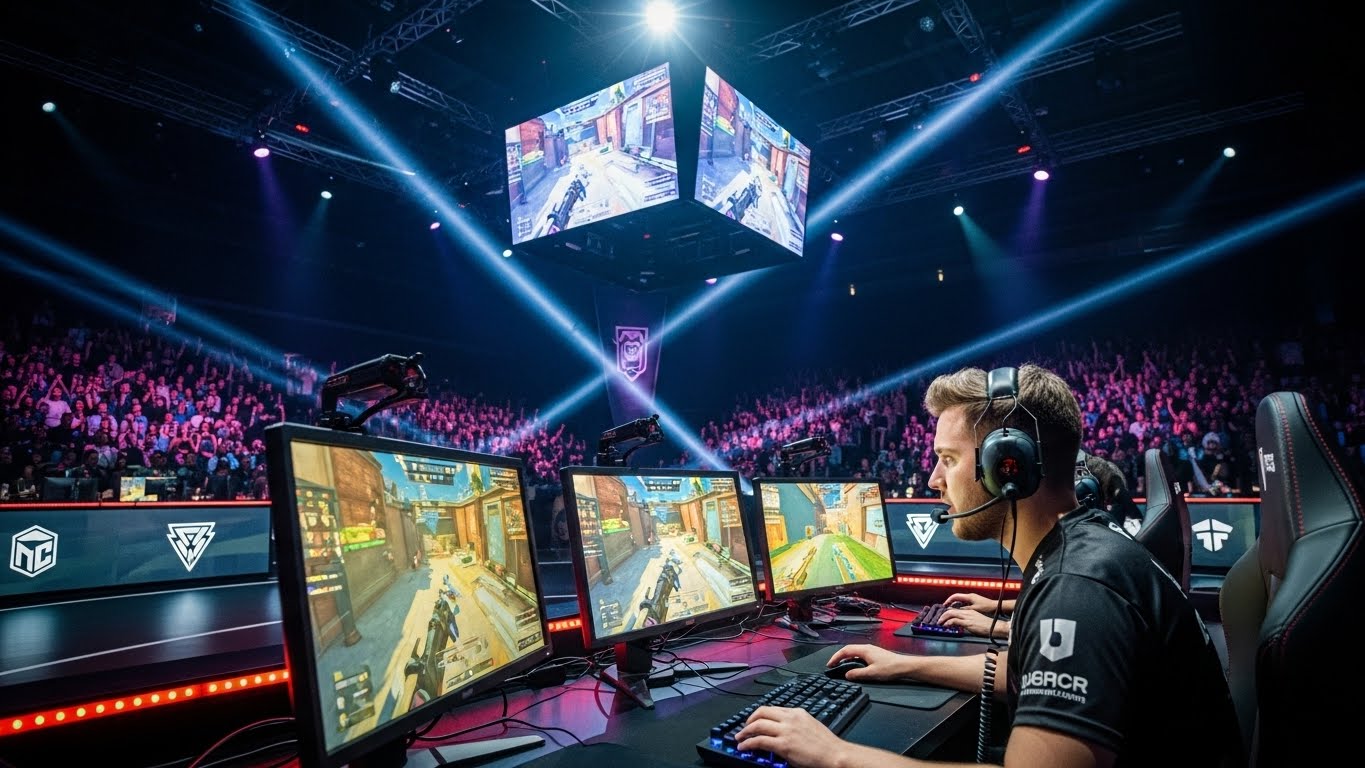
By the 2000s, esports began gaining mainstream attention. Streaming platforms allowed fans to watch their favorite players in real time, while gaming organizations started investing in professional teams. Major tournaments started offering substantial prize money, further legitimizing the industry. Today, esports has reached a point where it can fill stadiums with live audiences, attract sponsorships from global brands, and generate revenue comparable to traditional sports.
Popular Esports Titles and Their Impact
Esports is not a single game but a collection of competitive titles, each with its own unique community, strategy, and skill requirements. Among the most popular are League of Legends, Dota 2, Counter-Strike: Global Offensive, Fortnite, and Valorant. Each of these games offers distinct gameplay mechanics, catering to different player strengths and audience interests.
League of Legends, often abbreviated as LoL, is a multiplayer online battle arena (MOBA) game that emphasizes teamwork, strategy, and quick reflexes. Its competitive scene includes regional leagues, world championships, and massive live audiences. Similarly, Dota 2 is known for its complex mechanics and high skill ceiling, with its annual tournament, The International, boasting one of the largest prize pools in esports history.
First-person shooters like Counter-Strike: Global Offensive and Valorant demand precision, fast reaction times, and tactical awareness. These games highlight individual skill as well as team coordination. Fortnite, on the other hand, blends battle royale mechanics with creative building, making it accessible to a younger audience while maintaining a competitive edge.
The diversity of esports titles has allowed the industry to cater to a wide range of audiences. This variety ensures that there is something for every gamer, whether they enjoy strategic planning, fast-paced action, or creative gameplay. It also fosters global communities, where players and fans from different backgrounds come together to share their passion.
The Role of Technology in Esports Growth
Technology has been a driving force behind the meteoric rise of esports. High-speed internet, powerful gaming hardware, and advanced streaming platforms have all contributed to the industry’s growth. The ability to connect players from around the world has transformed esports into a truly global phenomenon, breaking down geographical barriers and creating international fan bases.
Streaming platforms have particularly revolutionized the way fans engage with esports. Services that allow players to broadcast their gameplay live have turned casual gamers into online celebrities, and tournaments into global spectacles. Fans can now watch live matches, interact with players through chat, and access detailed statistics and analytics. This level of engagement was unimaginable in the early days of gaming.
Virtual reality (VR) and augmented reality (AR) are also beginning to influence esports. While still in its early stages, VR esports offers immersive experiences that could redefine competitive gaming. Advanced analytics and artificial intelligence tools are helping players and coaches optimize performance, analyze opponents, and develop winning strategies.
Esports as a Career: Opportunities and Challenges
One of the most significant shifts in the perception of esports is its recognition as a legitimate career path. Professional esports players, coaches, analysts, and content creators now earn substantial incomes through salaries, sponsorships, and tournament winnings. Top-tier players are often compared to traditional athletes in terms of skill, training, and marketability.
However, pursuing a career in esports comes with its challenges. The industry is highly competitive, and only a small fraction of players reach professional status. Rigorous practice schedules, mental stress, and physical strain from long gaming hours are common issues. Additionally, the volatile nature of sponsorship deals and tournament success means that financial stability is not guaranteed.
Beyond playing professionally, esports also offers careers in management, event organization, broadcasting, and content creation. Marketing experts, graphic designers, and software developers all find opportunities within the esports ecosystem. The industry’s growth has created a diverse range of career paths, making it more inclusive and accessible than ever before.
Esports and Global Culture
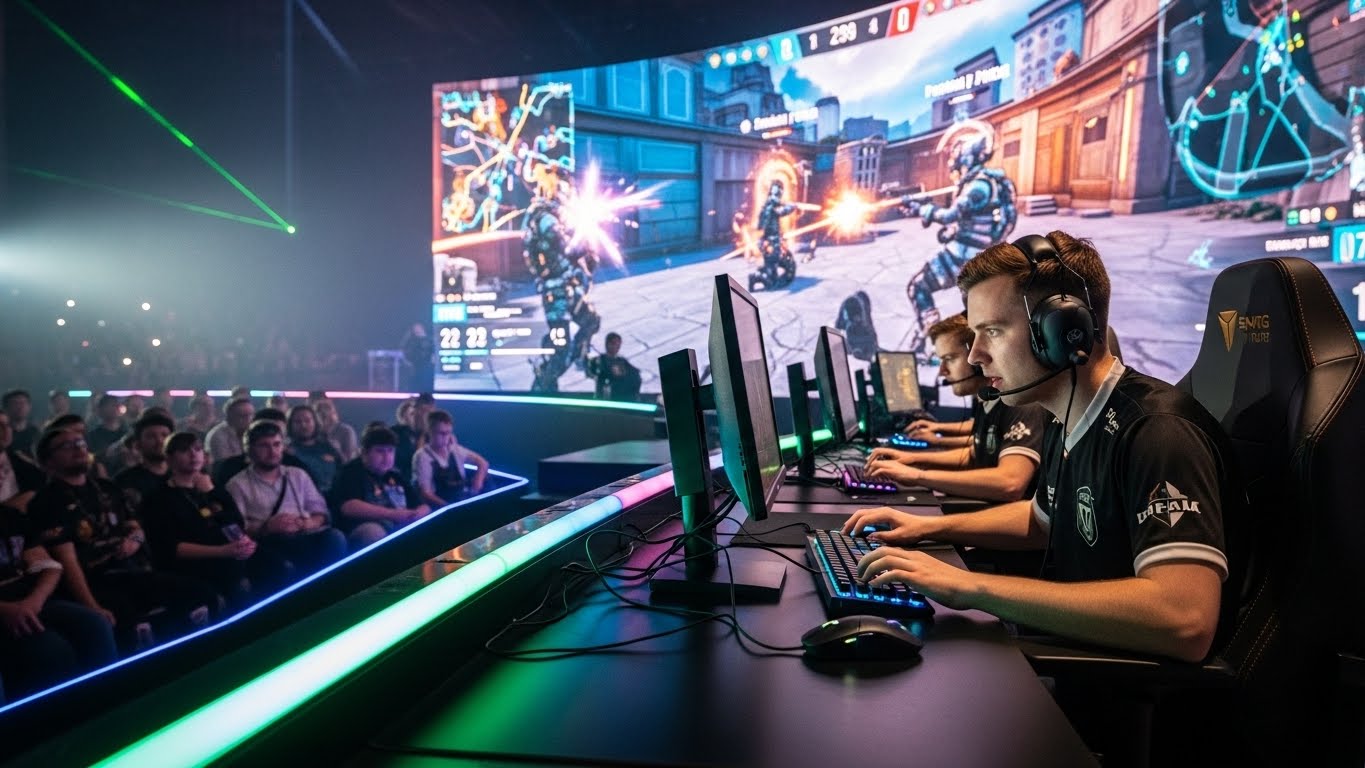
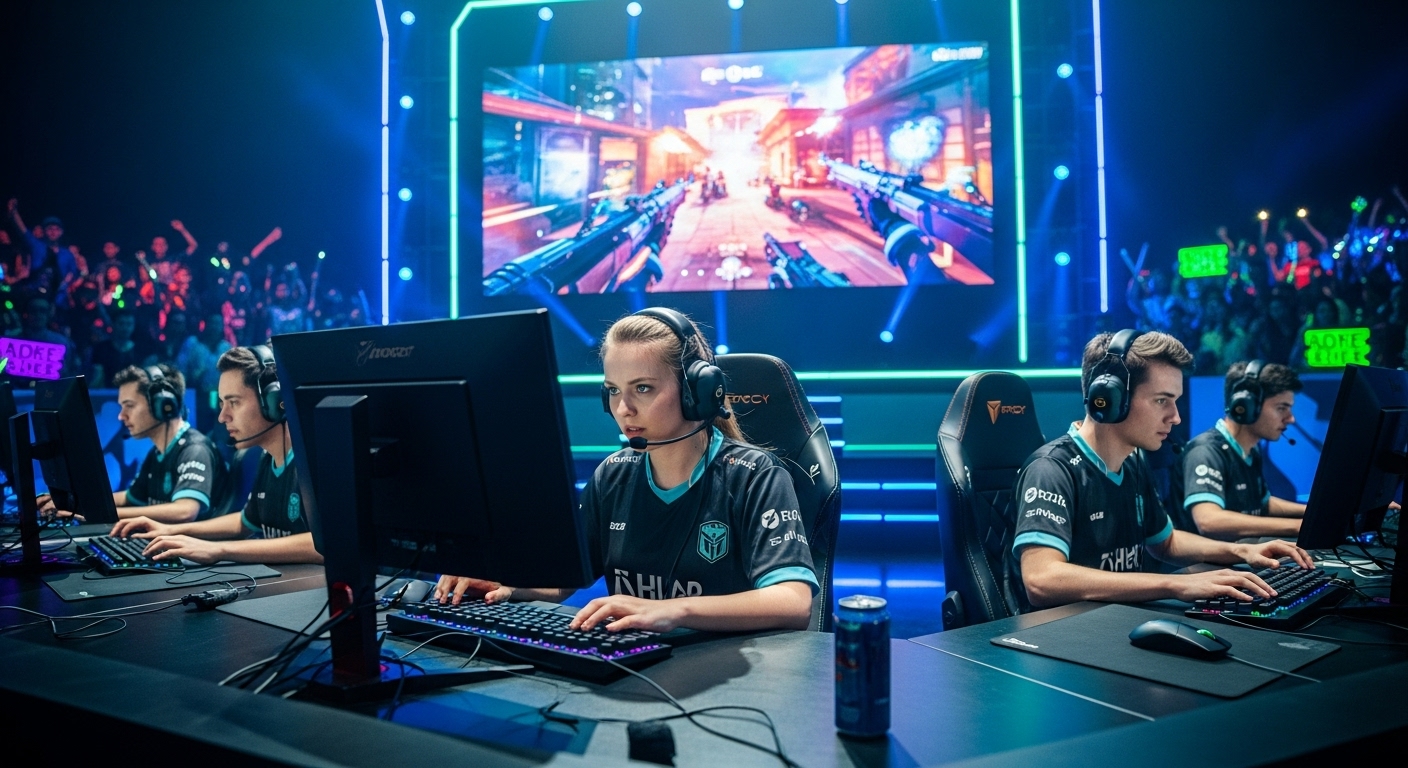
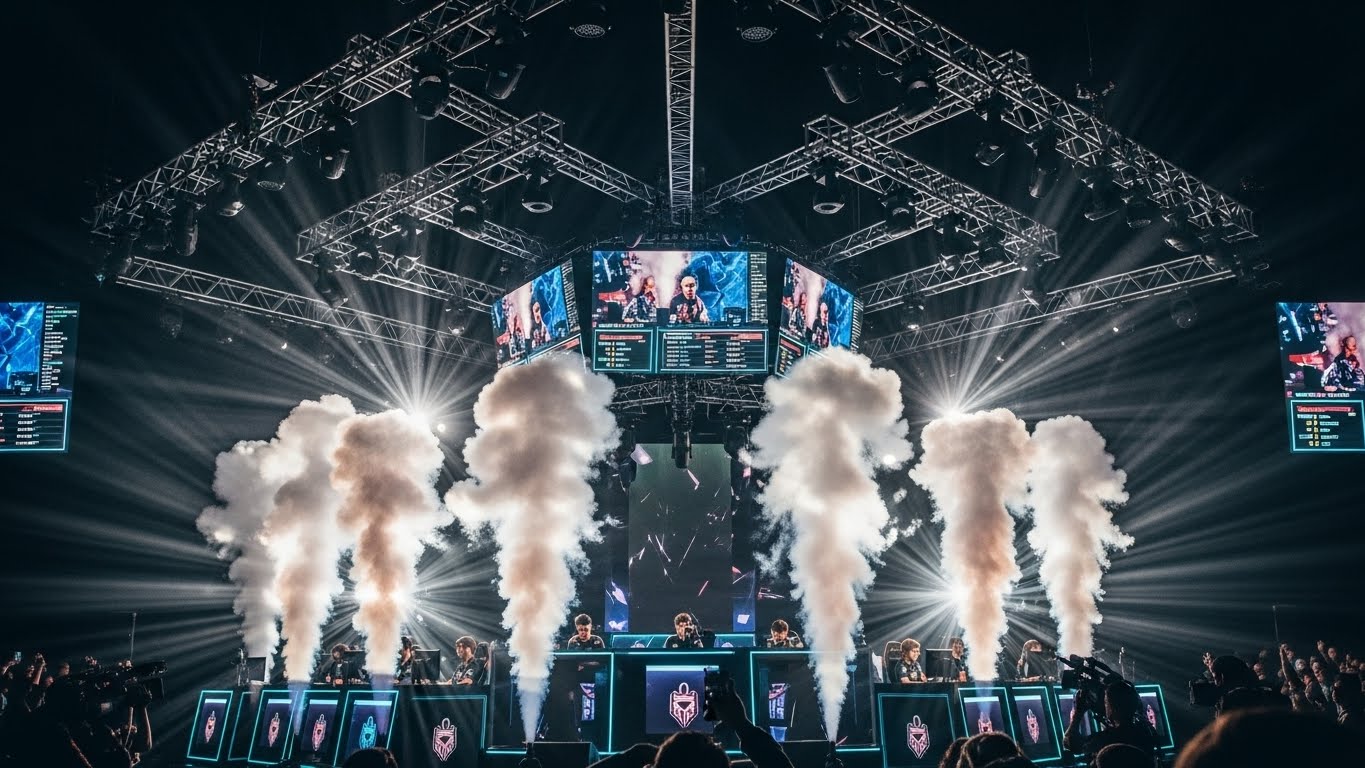
Esports is more than just a competition; it is a cultural phenomenon that influences fashion, music, entertainment, and social interaction. Esports events often feature elaborate stage designs, live performances, and fan meetups, creating experiences that rival traditional entertainment events. Merchandise, game-themed apparel, and branded content further enhance fan engagement.
Culturally, esports has fostered communities that transcend borders. Players and fans from different countries share strategies, celebrate achievements, and even form lifelong friendships. Esports tournaments often bring together diverse groups of people, promoting inclusivity and collaboration. The global nature of esports has also made it a platform for cultural exchange, where players learn about different languages, customs, and perspectives.
The Economic Impact of Esports
The economic footprint of esports is staggering. Revenue comes from multiple streams, including sponsorships, advertising, media rights, merchandise sales, and ticketed events. Major esports tournaments now offer prize pools that reach millions of dollars, drawing attention from investors and sponsors alike.
Brands outside the gaming industry have recognized the marketing potential of esports. Technology companies, energy drinks, sports apparel brands, and even non-endemic companies such as car manufacturers are investing heavily in sponsorships. This influx of investment has fueled infrastructure development, professional team growth, and innovative event production.
Moreover, esports has created economic opportunities in ancillary industries. Streaming platforms generate advertising revenue, content creators monetize their audiences, and event organizers boost local economies through tourism and hospitality. The ripple effects of esports extend far beyond the games themselves, making it a significant player in the global entertainment economy.
The Future of Esports
The future of esports looks brighter than ever. With advancements in technology, increasing mainstream acceptance, and the growth of new audiences, esports is poised to become an even more integral part of global culture. Virtual reality competitions, AI-driven coaching tools, and cross-platform play are likely to enhance gameplay and fan engagement further.
Education is also entering the esports landscape. Universities and schools now offer esports scholarships, courses in game design, and programs for competitive gaming. These initiatives provide formal training, recognize talent, and integrate esports into academic pathways, further legitimizing it as a career option.
Additionally, as the esports audience continues to grow, we can expect more integration with traditional sports. Collaborative events, crossover sponsorships, and hybrid entertainment experiences may redefine how people consume sports and gaming content.
Conclusion: Esports as a Defining Cultural Force
Esports has evolved from a niche hobby into a defining cultural and economic force of the modern era. It challenges traditional notions of competition, fosters global communities, and offers new career opportunities. Its growth reflects broader trends in technology, entertainment, and social interaction, highlighting the profound impact digital platforms have on our lives.
More than just games, esports represents a new way of thinking about skill, strategy, and collaboration. Whether you are a player, fan, or industry professional, engaging with esports offers insights into the future of competition and entertainment. As digital gladiators continue to battle on screens worldwide, the influence of esports will only expand, shaping culture, economy, and society in ways we are only beginning to understand.