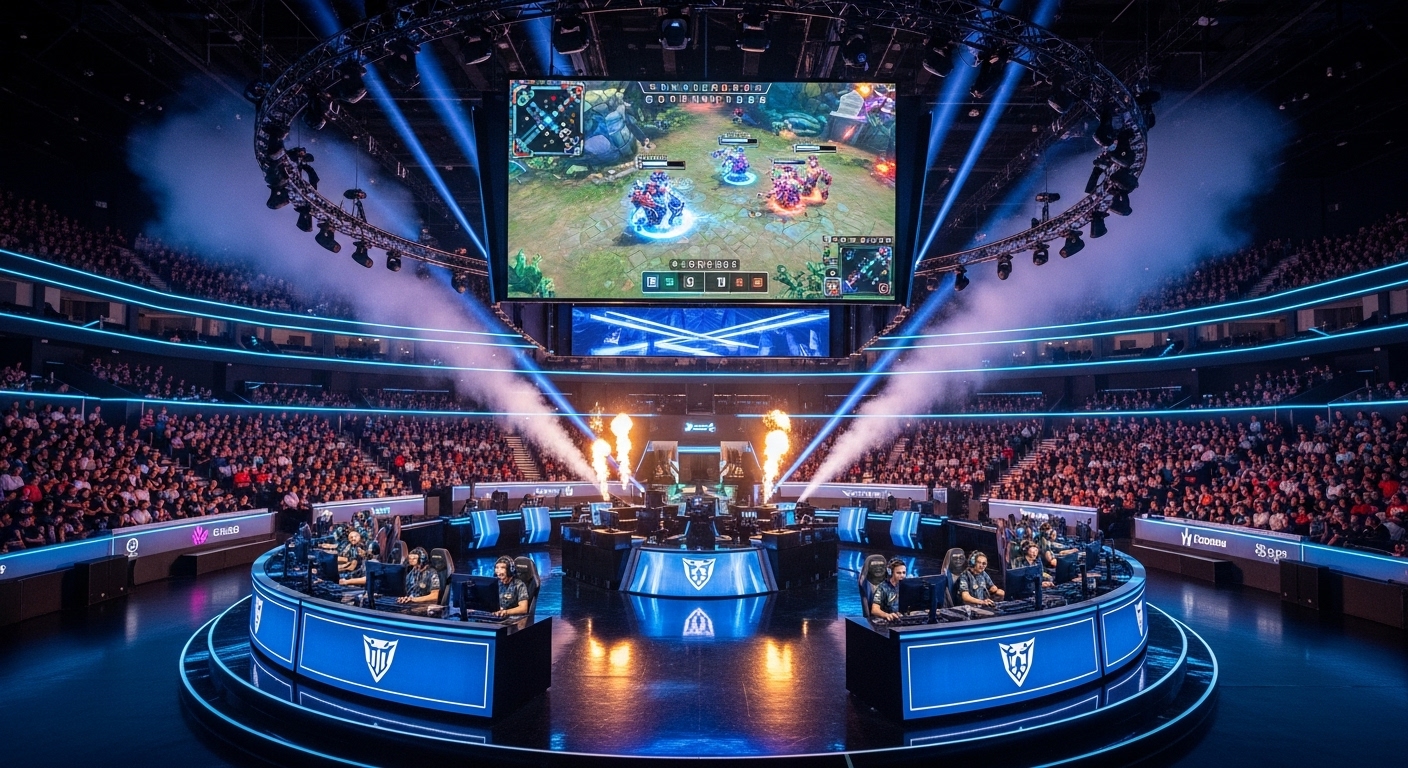
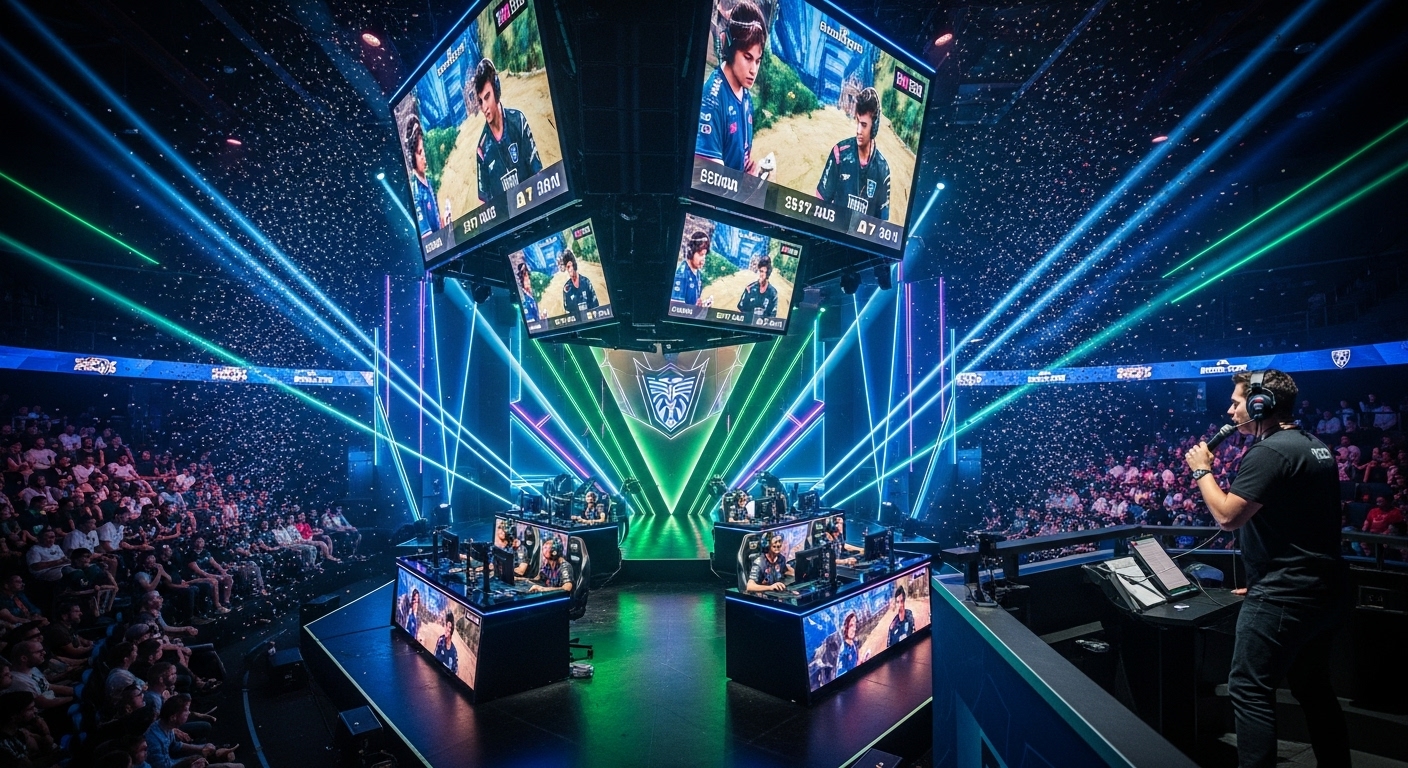
Esports has rapidly transformed from a niche hobby enjoyed by a small community into a global phenomenon with a massive following. In the span of just a few decades, competitive video gaming has evolved into a multi-billion-dollar industry, drawing in millions of viewers, players, and sponsors. While traditional sports such as football, basketball, and baseball have long held dominance in the entertainment industry, esports has quickly become a significant competitor, attracting passionate fans and professional players alike. From humble beginnings in local LAN parties to the global spectacles we witness today, esports has truly reshaped the landscape of competitive entertainment.
In this post, we will explore the origins of esports, its growth into a professional industry, the unique culture surrounding it, and what the future holds for this rapidly expanding sector.
What is Esports? A Definition
Esports, short for electronic sports, refers to organized multiplayer video game competitions, particularly between professional players, teams, and sometimes even entire organizations. These competitions span various video game genres, including first-person shooters (FPS), real-time strategy (RTS), battle royale games, multiplayer online battle arenas (MOBA), and sports simulation games. The most popular games that dominate the esports scene include titles like League of Legends, Dota 2, Counter-Strike: Global Offensive, Fortnite, and Overwatch, among others.
Esports is distinct from casual gaming in that it involves a high level of competition and professionalism. While many people enjoy video games for fun, esports players take the games seriously, spending hours each day practicing, studying strategies, and refining their skills. Esports events are organized in a tournament format, and the best players or teams win cash prizes, sponsorship deals, and global recognition.
What truly sets esports apart from casual gaming is the sense of community it fosters. Fans and players interact through online platforms, attending live events, and following their favorite teams and players through social media, creating a dynamic, interconnected ecosystem.
The Early Beginnings of Esports
The history of esports can be traced back to the 1970s and 1980s when the first video games began to gain popularity. The early days of esports were characterized by small, localized tournaments where players competed against each other for bragging rights rather than monetary rewards. In the 1990s, competitive gaming began to take shape with the rise of multiplayer games. One of the first major milestones in esports history occurred in 1997 when the Red Annihilation tournament for Quake took place. This tournament is often regarded as one of the first recognized esports events, with the winner, Dennis “Thresh” Fong, receiving a Ferrari as the grand prize.
In the late 1990s and early 2000s, esports began to gain momentum as the internet became more widely available. Online gaming platforms like Battle.net allowed players from all over the world to compete against each other in real-time. StarCraft and Warcraft III became two of the most popular games in the esports scene, especially in South Korea, where professional gaming began to flourish. By the mid-2000s, Counter-Strike and Warcraft III tournaments began to attract large audiences, marking the early signs of esports becoming a more organized and formal industry.
The Explosion of Esports: Mainstream Recognition
The real turning point for esports came in the 2010s when live streaming and online platforms took the scene to new heights. The advent of Twitch, a platform dedicated to live streaming video games, allowed esports to reach a global audience like never before. Now, fans could watch tournaments, interact with players and commentators, and engage with their favorite teams in real-time.
In 2011, League of Legends (LoL) by Riot Games further propelled esports into the mainstream. LoL became one of the most-watched esports titles in the world, and its annual World Championship began to attract millions of viewers. By 2013, the event had garnered more than 32 million viewers, rivaling the viewership of traditional sports finals like the Super Bowl. This surge in viewership helped esports secure sponsorships from major global brands, including Coca-Cola, Intel, Red Bull, and many more.
As esports grew, so did its organizational structure. Teams and organizations were formed, and professional players became full-time athletes, training extensively to hone their skills. The rise of esports also gave birth to esports-specific media outlets, podcasts, and YouTube channels that provided coverage, analysis, and in-depth insights into competitive gaming. These new channels helped create a vibrant community around esports, drawing in even more fans and keeping them engaged year-round.
The Global Impact of Esports
Esports has become a global phenomenon, with competitive gaming spanning all continents. While South Korea is often regarded as the birthplace of professional esports, other regions like North America, Europe, and China have developed their own thriving esports ecosystems. China, for example, is home to some of the most successful esports teams and players in the world. The Chinese government has even recognized esports as an official sport, investing in the growth of local esports infrastructure and institutions.
Major esports events, such as The International (TI) for Dota 2, the League of Legends World Championship, and Overwatch League, attract viewers from all over the world. These events are broadcast live on streaming platforms like Twitch, YouTube, and even traditional television networks, allowing fans to watch the action from the comfort of their homes. In some countries, esports events are even televised on mainstream sports channels, further cementing esports’ place in global entertainment culture.
Moreover, esports has become a significant part of pop culture. High-profile players like Faker (Lee Sang-hyeok), Ninja (Tyler Blevins), and Shroud (Michael Grzesiek) have become household names, amassing millions of followers on social media and influencing trends in gaming and technology. Esports has also garnered recognition in the world of traditional sports, with many professional athletes investing in esports teams or even becoming esports fans themselves.
The Esports Ecosystem: Teams, Players, and Sponsors
At the heart of esports is a thriving ecosystem that involves players, teams, organizations, sponsors, and fans. Professional esports teams are now multi-million-dollar organizations, employing players, coaches, analysts, and support staff. These teams compete in various esports leagues and tournaments, striving for victory and fame.
Esports players are highly skilled individuals who dedicate hours every day to perfecting their craft. They train in-game mechanics, develop strategies, and work closely with coaches to improve their performance. Players often form tight-knit relationships with their teammates and coaches, much like traditional sports teams. Some players achieve celebrity status, amassing large fanbases and lucrative sponsorship deals. In fact, top players can earn millions of dollars in tournament prizes, streaming revenue, and brand endorsements.
Sponsorships are a critical part of the esports ecosystem. Major brands such as Coca-Cola, Adidas, and Intel partner with esports teams and tournaments to promote their products to a young, tech-savvy audience. Sponsorships help fund tournaments, pay player salaries, and support the growth of esports organizations. These partnerships have transformed esports from a passion project to a professional business.
The Financial Landscape of Esports
The financial side of esports is one of the most fascinating aspects of the industry. With global viewership numbers continuing to rise, esports has become a lucrative market for sponsors, advertisers, and investors. In 2020, the global esports market was valued at over $1 billion, and projections suggest that this figure will continue to grow significantly in the coming years.
Revenue for esports comes from various streams, including:
- Sponsorships: As mentioned earlier, sponsorships from major brands are a primary source of income for esports teams and events. Companies like Coca-Cola, Red Bull, and BMW sponsor tournaments, teams, and even individual players.
- Media Rights: Esports events are now broadcasted live across multiple platforms, including traditional TV channels and streaming services. These media rights deals are becoming more lucrative, as the popularity of esports continues to grow.
- Merchandising: Esports teams and events often sell branded merchandise, such as jerseys, hats, and posters, which help generate additional revenue.
- Prize Pools: Many major esports tournaments feature prize pools worth millions of dollars. For example, The International for Dota 2 consistently has one of the largest prize pools in esports, often funded by the community through in-game purchases.
- Licensing and Advertising: Esports also generates revenue through advertising and licensing, as advertisers look to tap into the huge global audience.
The Future of Esports: Where is It Headed?
As esports continues to gain traction around the world, the future looks incredibly promising. There are several trends that are likely to shape the evolution of esports in the coming years.
- Esports as an Olympic Sport: While esports is not yet part of the official Olympic Games, there have been discussions about its inclusion. The International Olympic Committee (IOC) has acknowledged the growing popularity of esports and its potential to become an Olympic discipline. This could further legitimize esports as a mainstream sport, bringing in even more viewers and sponsorships.
- Virtual and Augmented Reality: Advances in technology, particularly in virtual reality (VR) and augmented reality (AR), could revolutionize the way esports competitions are played and viewed. VR esports could offer a more immersive and interactive experience for both players and fans.
- Esports in Education: Many universities and schools are starting to offer esports scholarships and programs, recognizing the growing importance of esports as a career option. As more institutions adopt esports, it will continue to grow as a legitimate field of study and employment.