Introduction: The Growth of Esports
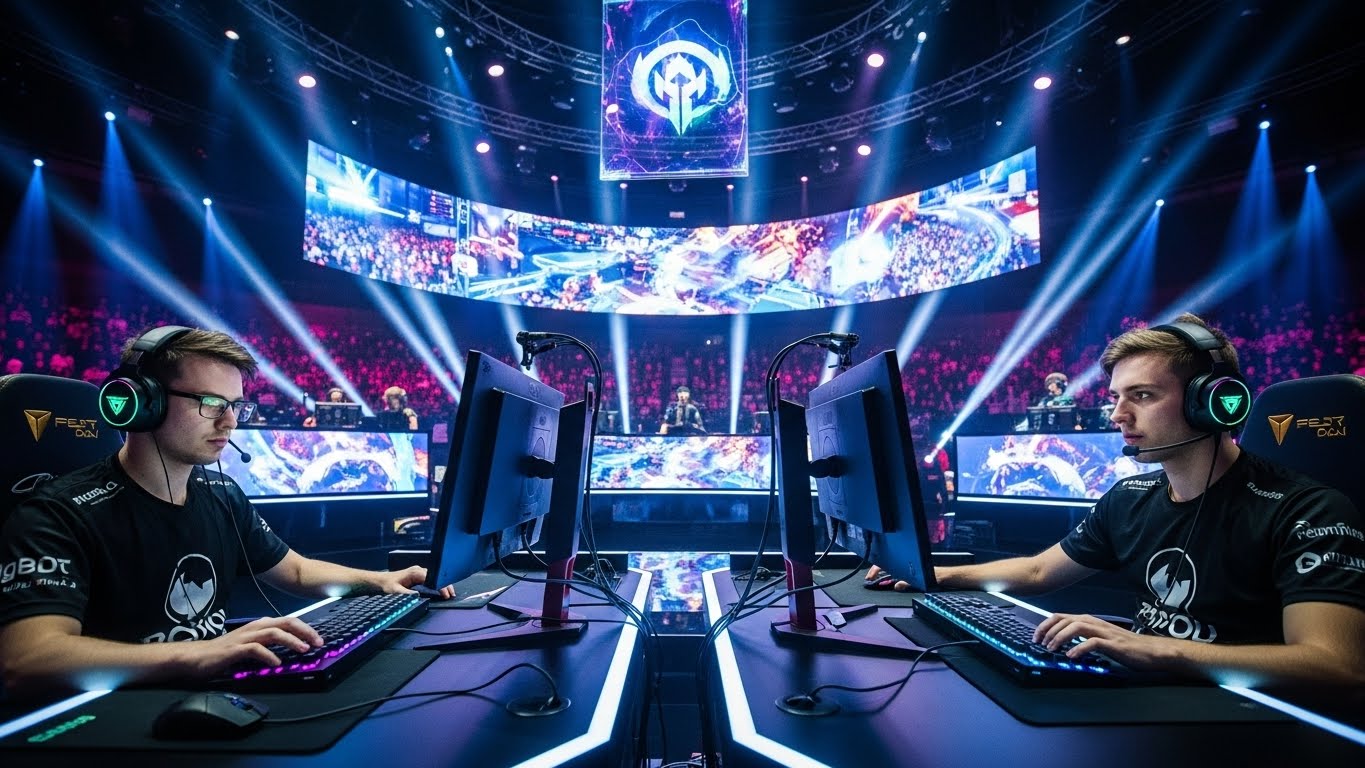
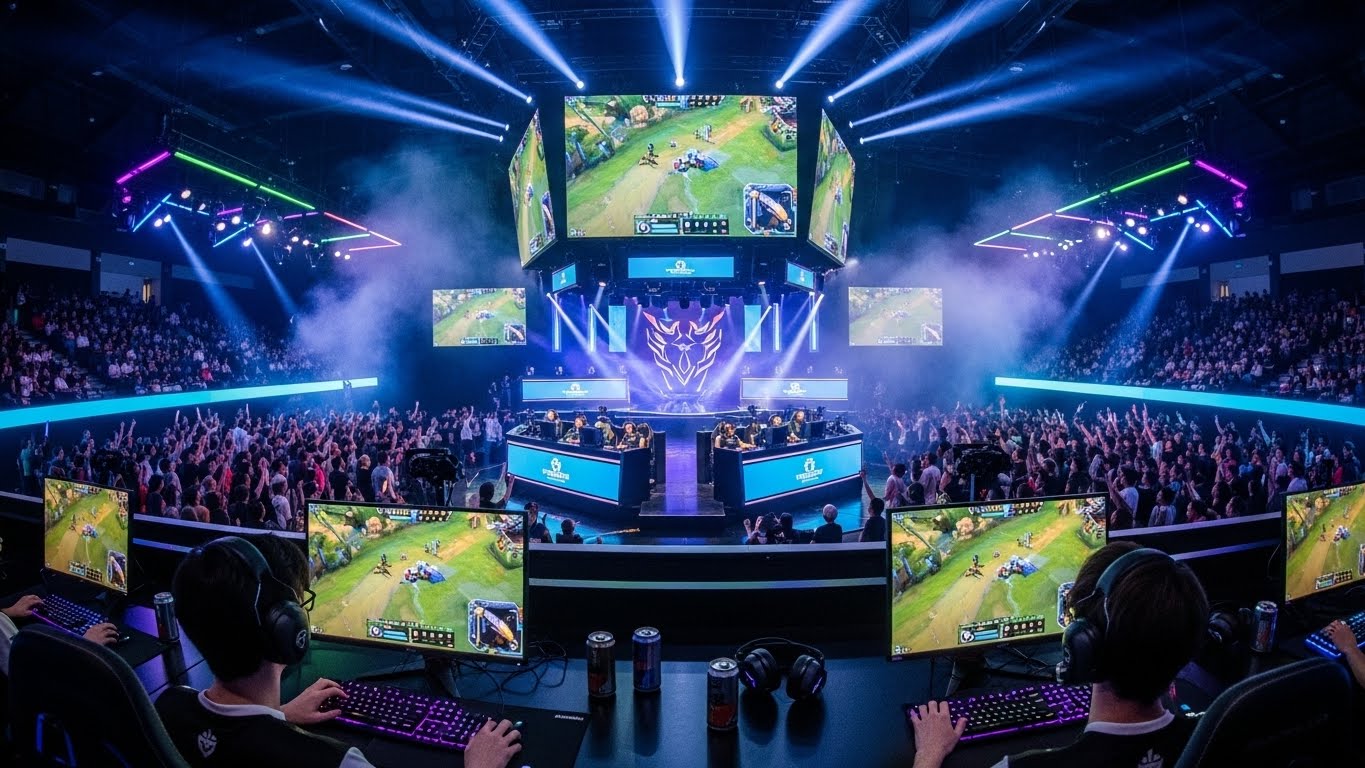
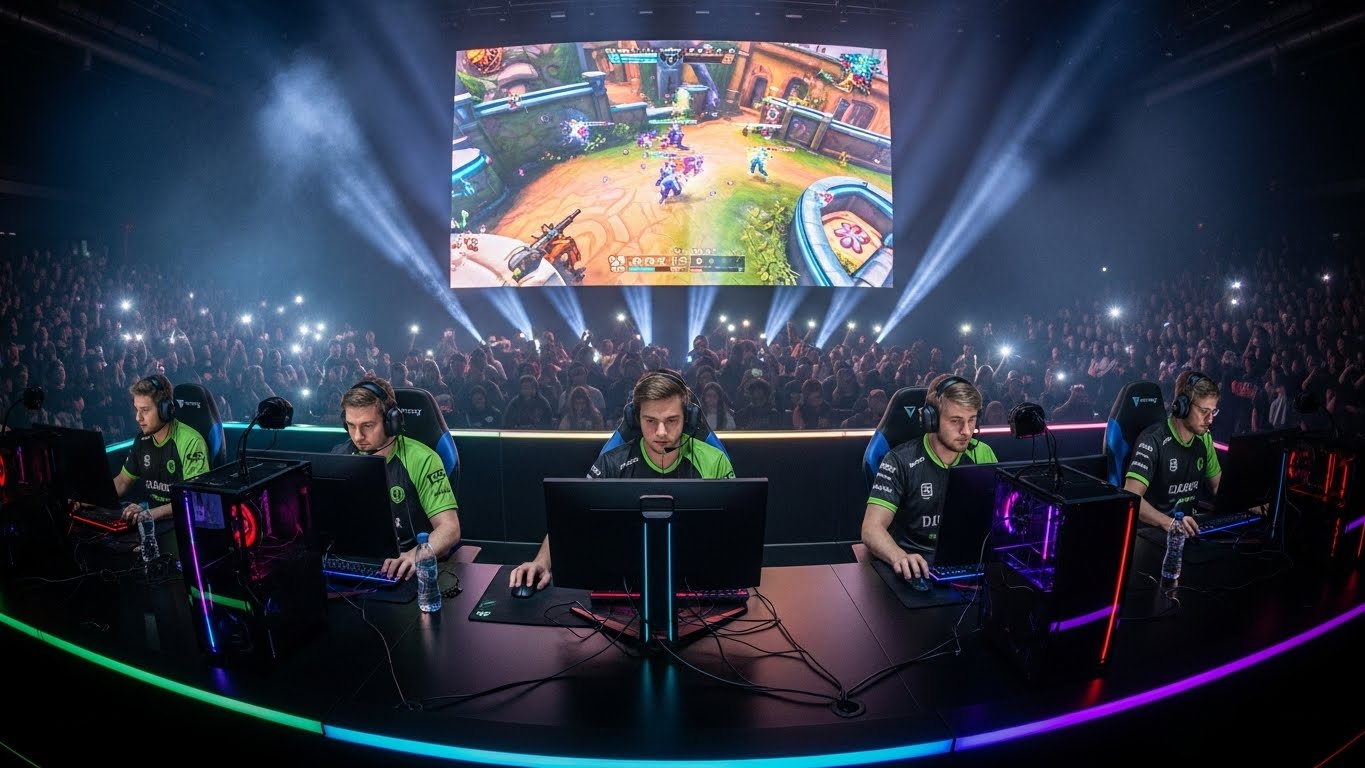
In recent years, esports has evolved from a niche hobby to a global entertainment powerhouse. With millions of fans and players around the world, esports has created a new frontier for competitive gaming. What was once considered a pastime for enthusiasts is now a multi-billion-dollar industry, with professional leagues, tournaments, and massive sponsorships involved. In this post, we will explore the rise of esports, its impact on culture and society, its role in the gaming industry, and its potential future.
The Origins of Esports: From Arcade Games to Global Tournaments
Esports’ journey can be traced back to the early days of gaming in the 1970s and 1980s when arcades became popular. Games like Space Invaders and Pong offered a glimpse into what could eventually evolve into competitive gaming. However, it wasn’t until the advent of the internet and the rise of multiplayer games in the late 1990s that esports began to take shape.
In the early days, games like StarCraft, Quake, and Warcraft III were among the first to feature online multiplayer modes. These games enabled players to compete against each other from different parts of the world. The first major esports tournaments, such as the Cyberathlete Professional League (CPL) and the World Cyber Games (WCG), were established in the early 2000s. These events set the foundation for the professional gaming scene, with players competing for large cash prizes and international recognition.
The Explosion of Esports in the 2010s
The 2010s marked the beginning of esports’ rapid expansion. Streaming platforms like Twitch, which launched in 2011, were pivotal in this rise. Twitch allowed gamers to stream their gameplay live, offering real-time interaction with fans. For the first time, viewers could watch skilled players compete in their favorite games and participate in the experience through live chats, creating a community atmosphere that was previously impossible.
By 2013, esports began attracting serious sponsorships from major companies, including Intel, Coca-Cola, and Red Bull. These sponsorships, combined with the increasing number of viewers, helped propel esports into the mainstream. Events like The International (Dota 2) and League of Legends World Championship saw audiences of millions tuning in online, and the prize pools for these tournaments reached astronomical figures, with The International offering over $30 million in prize money in 2018.
Esports as a Career: From Hobby to Profession
As esports grew in prominence, it transformed into a legitimate career path. While gaming had always been a form of entertainment, it was now a job for those at the top of the ladder. Professional gamers, coaches, analysts, and content creators were now able to make a living from esports.
One of the most visible success stories in esports is Tyler “Ninja” Blevins, who became a global superstar due to his Fortnite streams on Twitch. Ninja’s rise to fame showcased the potential for professional gamers to build significant personal brands, attract lucrative sponsorships, and amass millions of followers. His ability to seamlessly blend entertainment with gaming helped bring esports into the public eye, solidifying the potential for gaming to be more than just a hobby.
Similarly, esports organizations like Cloud9, Team Liquid, and FaZe Clan have established themselves as global brands. These organizations sign top-tier players and offer them resources like coaching, training facilities, and sponsorship deals, enabling players to focus on their craft. Many esports organizations also field multiple teams in various games, making them versatile and competitive across different platforms.
The Role of Streaming Platforms in Esports
Streaming platforms, particularly Twitch and YouTube Gaming, have played an indispensable role in the growth of esports. These platforms not only give gamers a stage to showcase their talents but also provide fans with easy access to tournaments, gameplay, and content from their favorite players.
Twitch revolutionized the esports landscape by allowing real-time broadcasting of competitive gaming events. The platform allows viewers to watch esports tournaments live, interact with streamers and players through live chats, and even influence gameplay through donations and subscriptions. The success of Twitch is evident, with the platform reaching more than 15 million daily active users in 2021.
YouTube Gaming, Facebook Gaming, and other similar platforms have also jumped into the esports arena, offering streamers and viewers alternatives to Twitch. These platforms provide new opportunities for content creators to monetize their content and build their personal brands, further diversifying the esports ecosystem.
The Global Impact of Esports: A Multinational Phenomenon
One of the most fascinating aspects of esports is its global reach. Unlike traditional sports, esports transcends geographical boundaries, offering players from every corner of the world the opportunity to compete at the highest level.
South Korea, for example, has long been a powerhouse in esports, particularly in games like StarCraft, League of Legends, and Overwatch. The Korean gaming scene is supported by a robust infrastructure, with esports arenas, media coverage, and a professional league system that rivals traditional sports. Esports has become an integral part of Korean pop culture, with players achieving celebrity status and receiving nationwide recognition.
The success of esports in South Korea has been mirrored in other regions as well. China, the United States, and Europe have all become major centers for competitive gaming, with professional leagues and large-scale tournaments hosted annually. In China, esports has even been recognized as an official sport by the government, signaling its legitimacy and importance to the country’s culture and economy.
Esports and the Gaming Industry
Esports is not only a driving force in entertainment but also has a profound effect on the gaming industry itself. Esports events, particularly those centered around popular games like League of Legends, Dota 2, and Counter-Strike: Global Offensive, have a direct impact on the popularity and longevity of these games. Competitive play offers players and developers a reason to keep improving and updating games, fostering a cycle of innovation that benefits everyone involved.
The success of esports has also encouraged game developers to create esports-focused titles. Games like Overwatch, Fortnite, and Apex Legends have been designed with professional competition in mind. These titles are built to be easily accessible to players while maintaining a level of depth and complexity that rewards skilled players, creating a perfect environment for esports to thrive.
Moreover, the development of esports ecosystems around specific games has led to the creation of unique, immersive experiences for players and fans. In-game tournaments, live-streamed events, and official team leagues have transformed the gaming experience into a spectator sport in its own right.
Esports and Sponsorships: The Business Side of Gaming
As esports has grown, so too has the business side of the industry. Sponsorship deals are now one of the primary revenue streams for esports organizations and players alike. Companies from outside the gaming industry have recognized the potential of esports as a marketing tool, leading to lucrative deals that help fund tournaments, player salaries, and team operations.
Brands like Intel, Red Bull, and Coca-Cola have partnered with esports organizations, investing millions of dollars into the industry. The rise of esports has also prompted the creation of new media outlets, such as esports-specific news platforms and broadcasting networks.
The involvement of major corporations has made esports a legitimate player in the world of sports and entertainment. It has allowed esports to develop a professional structure that rivals traditional sports leagues, with organized competitions, contracts, and even broadcasting deals with networks like ESPN and TBS.
The Future of Esports: What’s Next?
Looking forward, the future of esports appears bright. The industry continues to grow, with new games, tournaments, and sponsorships emerging regularly. As technology advances, we may see new innovations that will push esports to even greater heights. Virtual reality (VR) and augmented reality (AR) technologies, for example, have the potential to revolutionize the way esports are played and experienced by fans.
The possibility of esports becoming an Olympic event has also sparked discussions within the gaming community. While esports is already considered a major global sport, the inclusion of gaming in the Olympic Games would mark a historic moment for the industry, bringing it into the same sphere as traditional sports like soccer and basketball.
Moreover, as mobile gaming continues to expand, we may see the rise of mobile esports tournaments and competitions. Games like PUBG Mobile and Clash Royale have already established dedicated fanbases, and the proliferation of smartphones makes esports more accessible to a wider audience.
Conclusion: Esports as a Cultural and Global Force
Esports has gone from being a niche activity to a dominant force in the global entertainment industry. With its rapid growth, it has proven that gaming is much more than just a hobby; it is a legitimate form of competition and entertainment. As esports continues to evolve, it will undoubtedly have a lasting impact on the gaming industry, culture, and society as a whole.
Whether you’re a player, a fan, or someone interested in the growing field, esports represents an exciting and dynamic world that continues to push the boundaries of what’s possible in competitive gaming. The rise of esports is just the beginning, and its future is filled with endless possibilities.