In the past decade, esports has transformed from a niche subculture to a global entertainment phenomenon. What began as a hobby for gamers has grown into a billion-dollar industry with millions of players, fans, and viewers worldwide. As competitive gaming continues to evolve, it has become an important part of popular culture, influencing everything from social media trends to traditional sports. In this blog post, we will explore the rise of esports, its impact on gaming culture, and the future prospects of competitive gaming as it moves into the mainstream.
What is Esports?
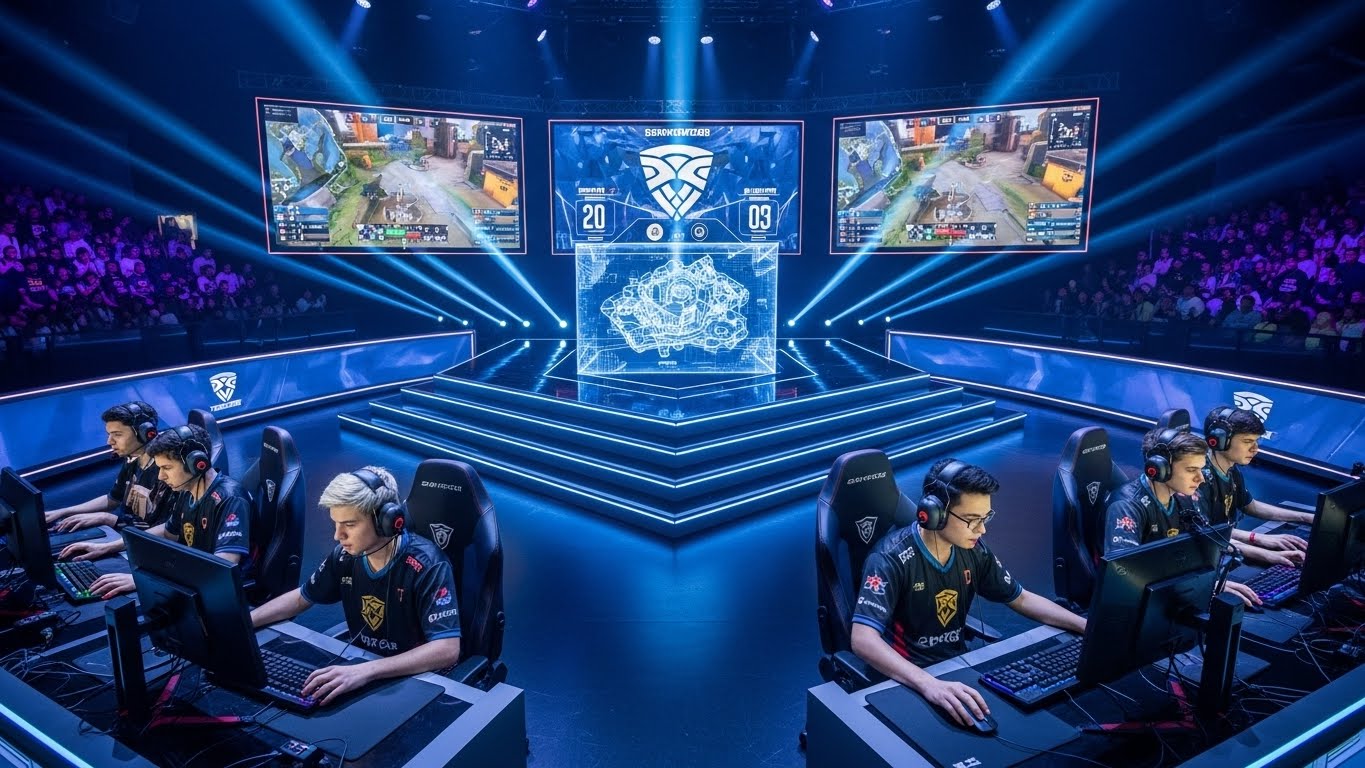
Esports, short for “electronic sports,” refers to competitive video gaming, where players or teams face off in organized tournaments, often with professional-level stakes. Esports can encompass a wide variety of games, but some of the most popular titles in competitive gaming include League of Legends, Dota 2, Counter-Strike: Global Offensive, Overwatch, and Fortnite. The format can range from solo players competing in 1v1 matches to massive team-based events with complex strategies, like those seen in multiplayer online battle arena (MOBA) games.
Unlike casual gaming, esports involves high levels of skill, dedication, and practice. It is not just about playing for fun—it’s about competing at the highest level, with professional teams, coaches, analysts, and fans behind the scenes. The results of these competitions can have major financial implications, with prize money often running into the millions, and sponsorship deals propelling esports players and organizations into the spotlight.
The Rise of Esports: A New Era of Competitive Gaming
Esports has experienced explosive growth over the last two decades. In its early days, competitive gaming was mostly limited to local LAN (Local Area Network) parties or small tournaments, where players gathered in person to compete. It was a tight-knit community, primarily focused on a few games like StarCraft or Quake. However, as internet speeds improved and online multiplayer gaming became more accessible, competitive gaming grew exponentially.
The first major turning point for esports came in the early 2000s with the launch of platforms like Battle.net by Blizzard Entertainment, which allowed players from around the world to compete in games like Warcraft and StarCraft. These games were some of the earliest examples of online competitive gaming that transcended geographic barriers.
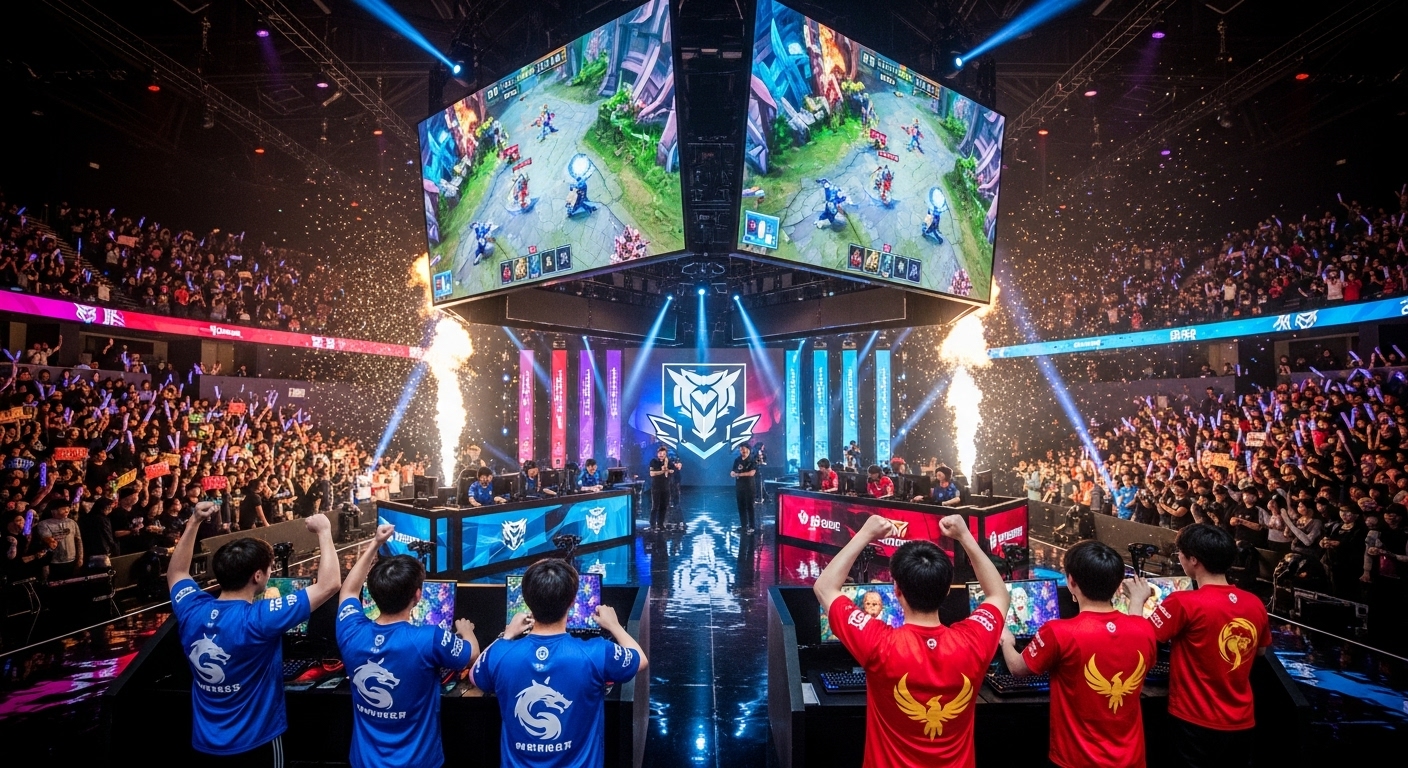
In 2011, the League of Legends World Championship was held for the first time, with a prize pool of $100,000. This event, along with similar competitions for games like Dota 2 and Counter-Strike, helped establish esports as a legitimate form of competition, with large-scale tournaments drawing huge audiences both in person and online. As the years went by, esports tournaments continued to grow in both scope and prize money. By the 2010s, companies like Riot Games, Valve, and Blizzard were pushing esports forward, and streaming platforms like Twitch became the perfect venue for fans to watch live events.
Esports gained further legitimacy when major media outlets, including ESPN, began covering tournaments, and corporate sponsors such as Coca-Cola, Intel, and Red Bull began investing in the scene. Today, esports is a multi-billion-dollar industry, and the viewership numbers are comparable to traditional sports, with some events drawing tens of millions of viewers worldwide.
Esports: The Players Behind the Scenes
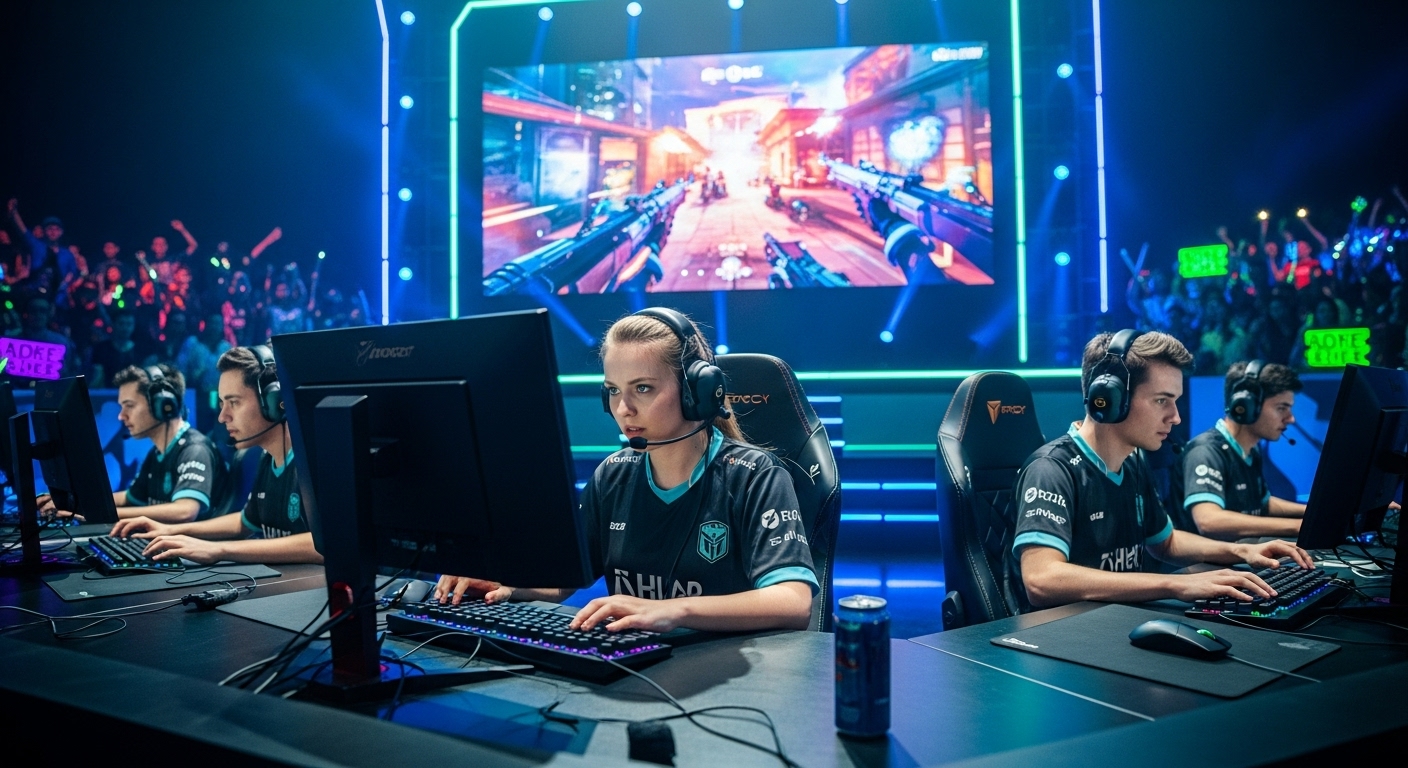
Professional esports players are at the heart of the competitive gaming scene. These players dedicate their lives to mastering their craft, spending hours each day practicing, analyzing gameplay footage, and refining strategies. For many players, this is not just a hobby—it’s a full-time career.
The life of a professional esports player can be intense. It requires discipline, focus, and constant adaptation to the ever-changing landscape of competitive gaming. While esports may not require the same level of physical stamina as traditional sports, it demands exceptional hand-eye coordination, mental agility, and teamwork. Players must stay sharp, maintaining peak performance through intense training regimens, often working with coaches and analysts to improve their skills.
The best players in esports are often household names, with massive fan followings. These players become celebrities within the gaming community, with millions of people tuning in to watch them play or interacting with them on platforms like Twitch. Some of the most successful esports players, such as KuroKy (Dota 2), Faker (League of Legends), and Ninja (Fortnite), have reached the level of traditional sports athletes in terms of popularity.
Esports players are also financially rewarded for their skill and dedication. While many players start out competing in smaller tournaments for modest prize pools, the highest-paid esports professionals can earn millions of dollars in prize money, sponsorship deals, and streaming revenue. The rise of platforms like YouTube and Twitch has also allowed players to diversify their income streams, with many esports stars gaining significant revenue through sponsorships, streaming, and content creation.
The Business of Esports: Teams, Sponsors, and Broadcasts
Just as traditional sports have leagues, teams, and sponsors, esports follows a similar model. Professional esports teams are organizations made up of skilled players who compete in various titles. These teams are often backed by major corporate sponsors, who see esports as a way to connect with younger, tech-savvy audiences. Brands like Coca-Cola, Mercedes-Benz, and Adidas have sponsored esports tournaments, teams, and players, recognizing the enormous potential for advertising in this rapidly growing sector.
In addition to sponsorship deals, teams can earn revenue from merchandise sales, media rights, and tournament winnings. Many teams also invest in player development, hiring coaches, analysts, and psychologists to help players stay at the top of their game. The most successful teams—such as Team Liquid, T1, and Cloud9—have built massive fanbases, with supporters buying jerseys, cheering on their teams at live events, and engaging with them on social media platforms.
Esports events themselves are now broadcasted on a global scale. Streaming platforms like Twitch, YouTube Gaming, and Facebook Gaming offer live broadcasts of major tournaments, allowing fans from all over the world to watch in real-time. These broadcasts often feature commentary, expert analysis, and in-depth coverage of the games being played, making esports viewing an immersive and engaging experience. The production values of esports broadcasts have improved dramatically, with professional-level graphics, camera work, and commentary on par with traditional sports broadcasts.
Esports and Streaming: A New Era of Fan Engagement
One of the most significant factors contributing to the rise of esports is the growth of live streaming platforms. In the past, fans of traditional sports would watch games on television or attend live events. Today, esports fans can watch tournaments and live streams of their favorite players directly from their computers, smartphones, or tablets.
Twitch, the most popular platform for esports and gaming content, has become a central hub for esports fans to watch live streams, interact with their favorite players, and even donate money to support streamers. Esports has also made its way onto YouTube Gaming, Facebook Gaming, and even newer platforms like Trovo. These platforms not only allow fans to watch esports events but also create communities where fans can chat, share memes, and engage with the esports ecosystem.
Streaming platforms also provide new revenue streams for players and teams. Streamers can monetize their content through ads, subscriptions, and donations from viewers. Top esports streamers like Ninja and Shroud have built empires around their live streaming channels, supplementing their earnings from competitive gaming with significant revenue from their personal streams.
This shift to streaming has democratized esports and made it more accessible to both fans and aspiring players. Anyone with a good internet connection can tune in to watch world-class players or even try their hand at streaming themselves.
The Future of Esports: Expanding Horizons
Esports is showing no signs of slowing down. As technology continues to improve, the potential for esports to reach even more viewers grows. For instance, virtual and augmented reality gaming could add a new dimension to competitive gaming, creating a more immersive experience for both players and fans. With the rise of 5G networks and faster internet speeds, streaming high-quality esports content will only become easier, making the sport even more accessible worldwide.
The growing popularity of mobile gaming is also expanding the reach of esports. Titles like PUBG Mobile and Arena of Valor have become massively popular in regions like Southeast Asia, where mobile phones are the primary gaming device. As mobile esports grows, it is likely to attract new audiences and increase the overall size of the esports market.
Esports’ mainstream appeal is also leading to new partnerships with traditional sports organizations. The Overwatch League, for example, has adopted a city-based franchise model similar to professional sports leagues like the NBA or NFL. Additionally, esports has made its way into college sports, with universities across the globe now offering esports scholarships and even fielding competitive teams.
The potential for esports to join the Olympic Games has even been discussed, with some advocating for esports to be recognized as a legitimate sporting competition. Whether this will happen remains to be seen, but it highlights the growing respect and legitimacy esports has gained on the global stage.
Conclusion
Esports has come a long way from its humble beginnings. What started as a hobby for gamers has blossomed into a worldwide industry, with millions of fans, players, and sponsors invested in its success. As esports continues to evolve, it will likely continue to blur the lines between traditional sports and digital entertainment. The future of esports is bright, and it promises to reshape how we think about competitive gaming, fan engagement, and entertainment as a whole. Whether you’re a seasoned fan or just getting started, there’s never been a better time to get involved in the world of esports.